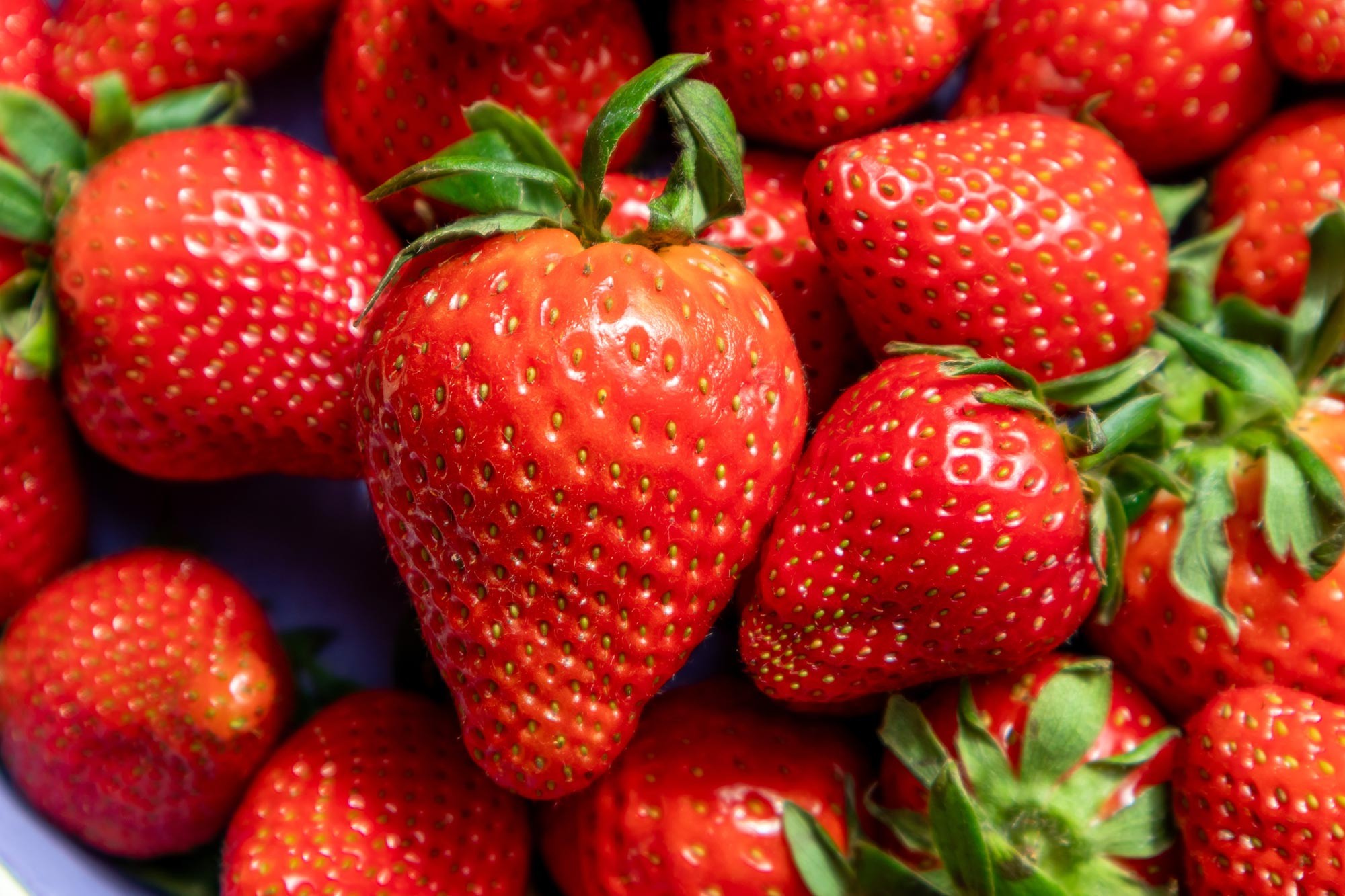
For decades, agricultural scientists have faced a frustrating trade-off: improving the nutritional value or flavor of a fruit often comes at the cost of its growth, size, or yield. Genetic tweaks that boost antioxidants or aroma compounds frequently disrupt the delicate hormonal balance of the plant, leading to stunted development or poor harvests.
A new study published in Horticulture Research suggests this dilemma may be solvable. Researchers from Nanjing Agricultural University and the University of Connecticut have identified a specific genetic pathway that enhances strawberry quality—making them more vibrant, flavorful, and nutritious—without any negative impact on plant growth or fruit size.
The key lies not in the dramatic hormone regulators usually targeted by genetic engineers, but in a humble, overlooked gene previously thought to perform only basic cellular maintenance.
Why Improving Fruit Quality Is So Difficult
To understand the significance of this discovery, it helps to look at what makes a strawberry desirable. The deep red color, the complex aroma, and the health-promoting antioxidants in strawberries are driven by two main groups of compounds: anthocyanins and terpenoids.
- Anthocyanins provide the pigmentation and antioxidant benefits.
- Terpenoids contribute significantly to the fruit’s aroma and flavor profile.
However, producing these compounds is metabolically expensive for a plant. Their synthesis is tightly linked to plant hormones, particularly cytokinins, which regulate cell division and growth. When scientists attempt to genetically force plants to produce more anthocyanins or terpenoids, they often inadvertently disrupt cytokinin signaling. The result? Plants that might produce intensely colored fruit but suffer from distorted growth, smaller yields, or delayed maturation.
This “growth penalty” has long been a bottleneck in crop improvement. The scientific community has been searching for a way to decouple quality traits from growth traits.
The Surprise Role of a “Housekeeping” Gene
The breakthrough came from focusing on a gene that was previously considered too basic to matter for fruit quality: FveIPT2.
FveIPT2 is a “housekeeping” gene, meaning it is involved in routine cellular functions—specifically, the modification of transfer RNA (tRNA). In the plant kingdom, tRNA is essential for protein synthesis, a process so fundamental that it occurs in nearly every cell. Because these genes are so ubiquitous and basic, they were generally assumed to play no direct role in shaping specific traits like fruit color or scent.
However, FveIPT2 is also linked to the production of cis-zeatin, a specific type of cytokinin. The researchers hypothesized that because this gene produces a cytokinin variant that might function differently than the main growth-regulating hormones, boosting its activity could enhance metabolic pathways responsible for fruit quality without triggering the widespread growth disruptions seen with other genetic modifications.
Better Taste, Richer Color, No Compromise
To test this, the team engineered woodland strawberries to overexpress the FveIPT2 gene. The results were striking in their precision.
1. Enhanced Nutrition and Color
The modified strawberries showed a significant increase in anthocyanins, flavonoids, and phenolic compounds. Metabolomic analysis revealed that nine specific anthocyanins increased, including cyanidin- and pelargonidin-derived compounds. Visually, this translated to a deeper, more vibrant red color. Nutritionally, it meant a higher concentration of antioxidants, which are linked to various health benefits in humans.
2. Improved Aroma and Flavor
The changes extended beyond color. Nearly half of all detected terpenoids increased in the modified fruit. This included monoterpenoids and sesquiterpenoids, which are crucial for aroma. Specifically, compounds associated with pleasant floral notes, such as linalool, became more abundant. Conversely, compounds linked to harsher, resin-like odors decreased. The result was a fruit with a more refined and appealing scent profile.
3. Zero Growth Penalty
Crucially, these improvements came with no measurable changes to the plant’s development. The strawberries grew at the same rate, flowered on schedule, and produced fruit of the same size, shape, and sugar content as the non-modified controls. The plants showed no visible abnormalities, proving that the FveIPT2 pathway could be tuned for quality without disrupting the broader hormonal systems that govern growth.
A New Strategy for Crop Breeding
This study challenges the traditional view that housekeeping genes are passive background players. Instead, it reveals that these basic cellular pathways can quietly shape complex traits like fruit quality.
“By targeting a tRNA-type gene rather than classical hormone regulators, we were able to improve fruit color, aroma, and nutritional compounds without the growth penalties that often accompany metabolic engineering.”
The implications extend beyond strawberries. If a housekeeping gene can be leveraged to improve quality in one crop without affecting yield, similar strategies may be applicable to other fruits and vegetables. This approach offers breeders a “biologically gentle” tool for developing premium-quality crops that are both healthier and more enjoyable to eat, without sacrificing the productivity farmers rely on.
Conclusion
The discovery that FveIPT2 can enhance strawberry quality without compromising growth represents a significant shift in agricultural biotechnology. It proves that by looking beyond the obvious hormone regulators, scientists can find subtle genetic levers that improve food quality while maintaining crop vigor. This research opens a promising new pathway for developing fruits that are not only more nutritious and flavorful but also as productive as their conventional counterparts.