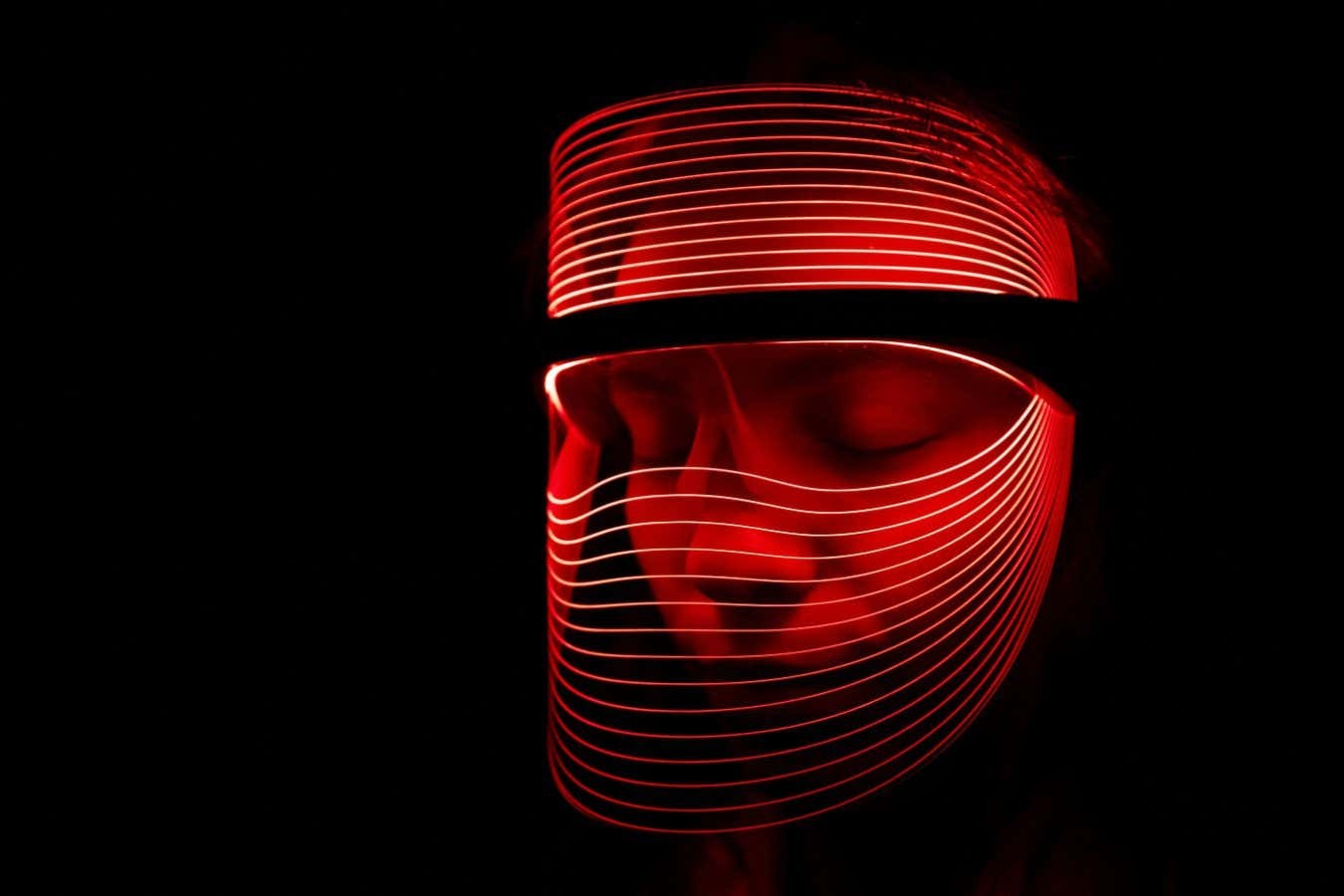
Red light therapy has exploded in popularity, promising everything from wrinkle reduction and hair regrowth to mood enhancement and pain relief. Social media influencers and wellness brands market devices ranging from face masks to full-body panels as miracle cures. However, the scientific reality is far more nuanced than the marketing suggests.
While evidence for many cosmetic claims remains thin or mixed, emerging research points to a more profound application: cognitive health. Scientists are now actively investigating red light therapy as a potential treatment for neurodegenerative diseases like Alzheimer’s and Parkinson’s. The technology is shifting from a beauty trend to a serious medical tool, though consumers must navigate significant risks associated with improper use.
How It Works: Boosting Cellular Energy
To understand the benefits, one must look at the cellular level. Red light therapy, also known as photobiomodulation, uses visible red light (wavelengths of 650–750 nanometers) and near-infrared light (700–850 nanometers). Unlike ultraviolet light, these wavelengths penetrate the skin safely, reaching the mitochondria—the “power plants” of our cells.
The key mechanism involves cytochrome c oxidase, a molecule within mitochondria that absorbs this light. This absorption stimulates the production of ATP (adenosine triphosphate), the primary energy carrier in cells. As we age, mitochondrial efficiency declines, leading to an ATP deficit and an increase in reactive oxygen species —volatile chemicals that cause inflammation and cellular damage.
By boosting ATP production and reducing oxidative stress, red light therapy can theoretically rejuvenate cells. It also appears to enhance the “biophoton effect,” where cells communicate via light signals to repair damage. A 2024 study demonstrated this metabolic boost: participants exposed to red light on their upper backs showed a 28% lower blood sugar spike after drinking sugary water, indicating improved mitochondrial efficiency in processing glucose.
The Cosmetic Claims: What Works and What Doesn’t
The wellness industry has capitalized on these mechanisms, selling devices for a wide array of conditions. However, scientific evidence supports only a subset of these claims.
✅ Supported by Evidence
- Acne: This is the strongest area of support. A 2025 review of 59 studies found that red light therapy can be as effective as, or superior to, standard drug treatments for acne. One study showed a 79% reduction in pimples after 12 weeks, compared to 69% for antibiotic/adapalene treatment. Devices often combine red and blue light, which kills acne-causing bacteria.
- Hair Loss: Early experiments by physicist Endre Mester in the 1960s showed that red lasers stimulated vigorous fur growth in mice. In humans, a 2020 trial found that using a red light helmet every other day for 16 weeks increased hair density by 57% in adults with androgenetic alopecia. Hair strands also thickened.
- Wound Healing: Red and near-infrared light have shown promise in healing burns, scars, and diabetic foot ulcers, though many studies have small sample sizes.
- Skin Tone: Some evidence suggests it can even out skin tone in people with psoriasis or rosacea, though data is limited to single trials.
⚠️ Mixed or Weak Evidence
- Anti-Aging/Wrinkles: Results are inconsistent. While one study reported a 60% improvement in wrinkles and skin tone, two others found no significant benefit.
- Weight Loss: Some small studies suggest red light may assist with weight loss when combined with diet and exercise. However, claims of “spot reduction” (losing fat in specific areas) are unsupported. A 2016 study found no difference in fat tissue between treated and untreated sides of the abdomen.
❌ Unsubstantiated Claims
There is no credible evidence that red light therapy treats depression, insomnia, erectile dysfunction, infertility, or chronic pain conditions like rheumatoid arthritis, carpal tunnel syndrome, or tinnitus.
The Danger of Consumer Devices
Despite the potential benefits, experts warn against using many consumer-grade red light devices. Glen Jeffery, a researcher at University College London, argues that more power is not better.
Most consumer devices emit 60 milliwatts per square centimeter, which is an order of magnitude higher than the optimal dose of roughly 6 milliwatts. Jeffery has observed therapeutic effects at less than 1 milliwatt per square centimeter. Excessive power can “turbocharge” cellular energy production to the point of dysfunction, potentially increasing oxidative stress and inflammation rather than reducing it.
“The wellness industry just loves the concept of more and more power. And, in the case of red light, more isn’t better,” says Jeffery. “You’re doing more harm than good, and you’re wasting money.”
He warns that long-term use of high-power devices could lead to unforeseen health consequences, such as accelerated skin aging or systemic inflammation.
The Future: Treating Chronic Disease
While the beauty market booms, the most promising applications of red light therapy lie in mainstream medicine. Over 200 clinical trials are currently underway, with a 2025 review highlighting positive results for 12 conditions.
Key Medical Applications
- Cognitive Decline: Transcranial near-infrared light, which passes through the skull to reach the brain, shows significant promise for Alzheimer’s, Parkinson’s, and traumatic brain injury. This approach targets the brain’s energy metabolism, potentially slowing cognitive decline.
- Pain Management: Red light therapy has shown efficacy in reducing pain and disability in fibromyalgia and knee osteoarthritis. It may also help with burning mouth syndrome, neck pain, and certain tendinopathies.
Conclusion
Red light therapy is not a magic bullet for beauty or wellness, but it is a legitimate medical technology with specific, evidence-based applications. While it can effectively treat acne and promote hair growth, consumers should be wary of overpowered devices that may cause more harm than good. The true frontier of this technology lies not in vanity, but in its potential to mitigate cognitive decline and manage chronic pain, offering hope for some of modern medicine’s most challenging conditions.