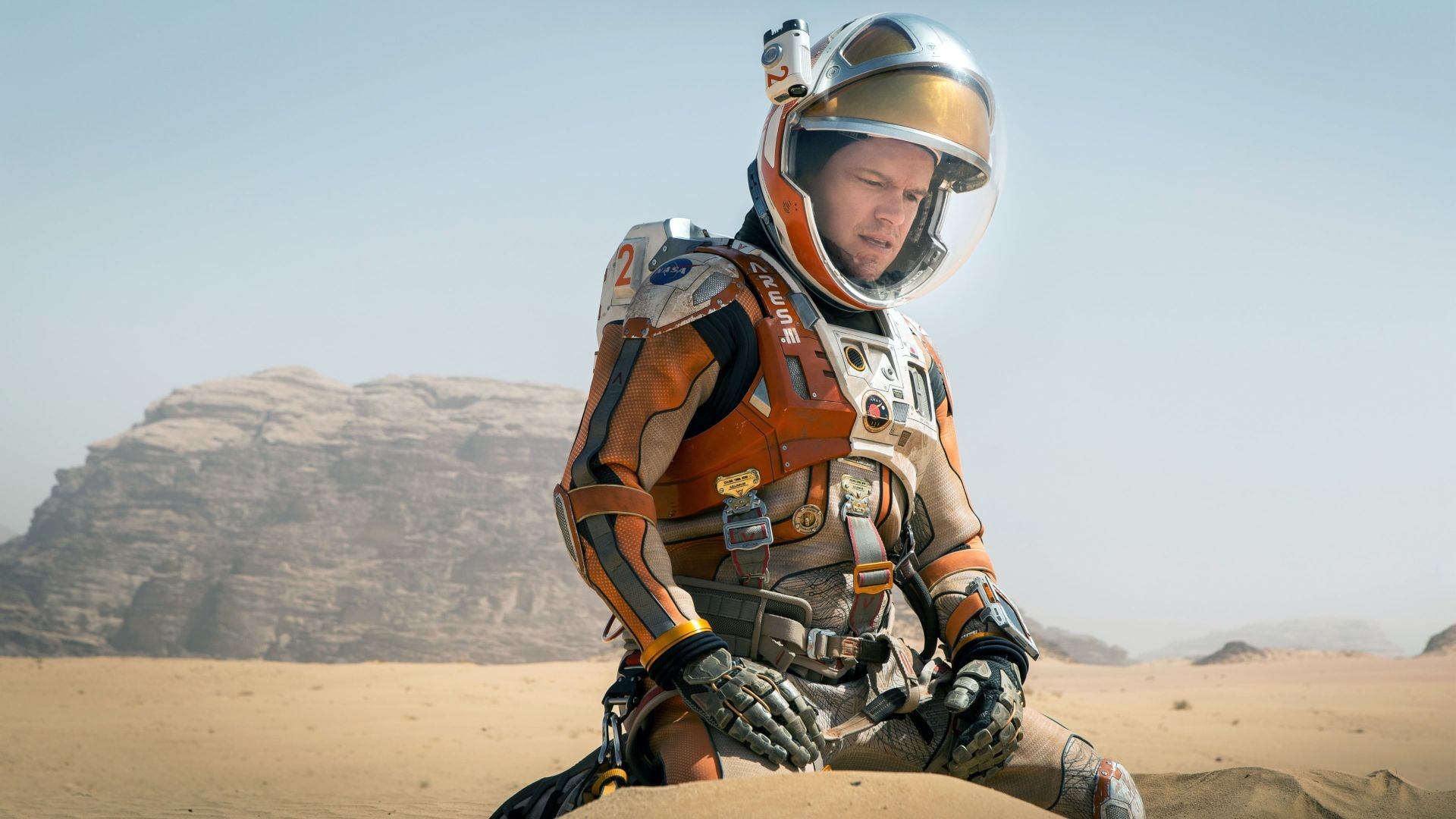
The dream of settling Mars has captured the imagination for decades. From The Martian to For All Mankind, popular culture often portrays the Red Planet as a difficult but ultimately conquerable frontier. However, the reality of surviving – let alone thriving – on Mars is far more brutal than science fiction suggests. Exposure to the Martian environment isn’t merely challenging; it’s immediately lethal without extensive technological intervention. Any long-term human presence would resemble a hermetically sealed space station or underground bunker, not a rugged, self-sufficient colony.
The Myth of Surface Settlements
One of the biggest misconceptions is that humans could build sustainable settlements on the Martian surface. Terraforming the planet – transforming it into an Earth-like environment – is currently an impossible undertaking. Astrophysicist Dr. Jeffrey Bennett explains that increasing the atmospheric pressure and creating a breathable atmosphere would require a monumental effort, potentially spanning thousands of years. The Martian atmosphere lacks sufficient carbon dioxide to generate the necessary greenhouse effect, meaning even maximal atmospheric manipulation wouldn’t create conditions suitable for surface survival.
Furthermore, Mars lacks a global magnetic field, leaving the surface exposed to lethal levels of cosmic and solar radiation. Any viable settlement would need to be buried deep underground or constructed within lava tubes, natural underground tunnels formed by ancient volcanic activity. Surface structures would require massive shielding from Martian soil or specialized materials to mitigate radiation exposure.
Immediate Lethality: The Unforgiving Environment
The idea that Mars is “just a cold desert” is another dangerous simplification. The Martian atmosphere is only 1% as dense as Earth’s, composed primarily of carbon dioxide. Taking a single breath on the surface would be instantly fatal due to the lack of pressure and oxygen. Even if breathable air could be extracted from the atmosphere (a process Perseverance has tested on a small scale), scaling it up to support a colony presents immense challenges.
Temperatures average −80°F (−62°C), and can plummet to −125°F (−87°C) at night. Without a pressurized suit or a heated habitat, hypothermia would set in rapidly, leading to cognitive impairment, cardiac arrest, and death. Survival requires a continuous supply of breathable air, warmth, and energy—a logistical nightmare given the planet’s hostile conditions.
The Long-Term Physical Toll
Low gravity, often romanticized in fiction, poses serious long-term health risks. Astronauts in low gravity experience bone density loss at a rate of 1–1.5% per month. Prolonged exposure could lead to cardiovascular problems, balance issues, and irreversible physical weakening. Artificial gravity systems don’t exist yet, meaning settlers would need intensive exercise regimes to mitigate bone and muscle loss—a solution with unknown effectiveness over decades. The effects on children born in Martian gravity are entirely unknown, raising ethical and biological uncertainties.
Toxic Soil and Food Scarcity
Martian soil contains perchlorates, toxic chemical salts used on Earth in rocket fuel and explosives. Growing food would require extensive soil purification, potentially through engineered microbes or fungi. Even the film The Martian glosses over this issue, relying on unrealistic assumptions about soil quality. Sustainable farming would likely depend on hydroponics or aeroponics, closed-loop water recycling, and complex biotech solutions, transforming a “farm” into a high-tech laboratory.
The Psychological Strain of Isolation
Beyond physical challenges, the psychological toll of a Mars mission would be immense. Round-trip missions could last two to three years, involving extreme isolation, communication delays, and sensory deprivation. The phenomenon of “Earth-out-of-view”—watching Earth shrink to nothing—would induce profound detachment and anxiety. NASA has researched the mental health benefits of even a single tomato scent in space, underscoring the importance of mitigating monotony and providing psychological relief.
A Realistic Outlook
While surviving on Mars is technically possible, it would require massive, continuous support from Earth. Settlements would resemble fortified habitats designed to keep Mars out rather than integrated with the environment. As Dr. Bennett notes, given humanity’s struggles to sustain Earth’s ecosystem, attempting to create one from scratch on Mars seems misguided.
The dream of colonizing Mars remains a distant prospect, limited not by ingenuity but by the unforgiving realities of the Red Planet. The most realistic scenario isn’t a rugged frontier colony but a heavily engineered, life-support dependent outpost—a far cry from the romantic vision presented in science fiction.