When you think of Turkish horror, the word that jumps to mind isn’t just “monster.” It’s cin. These films tap into a deep cultural vein, mixing local folklore with psychological dread. I’ve combed through the archives to find 26 titles that actually deliver on their promise. This isn’t just a random dump of every low-budget production made in the last decade. It’s a curated list based on IMDb ratings and fan consensus. Some of these will make you check your locks twice. Others are just so bad they’re memorable. Either way, they define a specific genre of terror.
Here are the best jinn movies to put on your watchlist, ranked by how well they scared the audience.
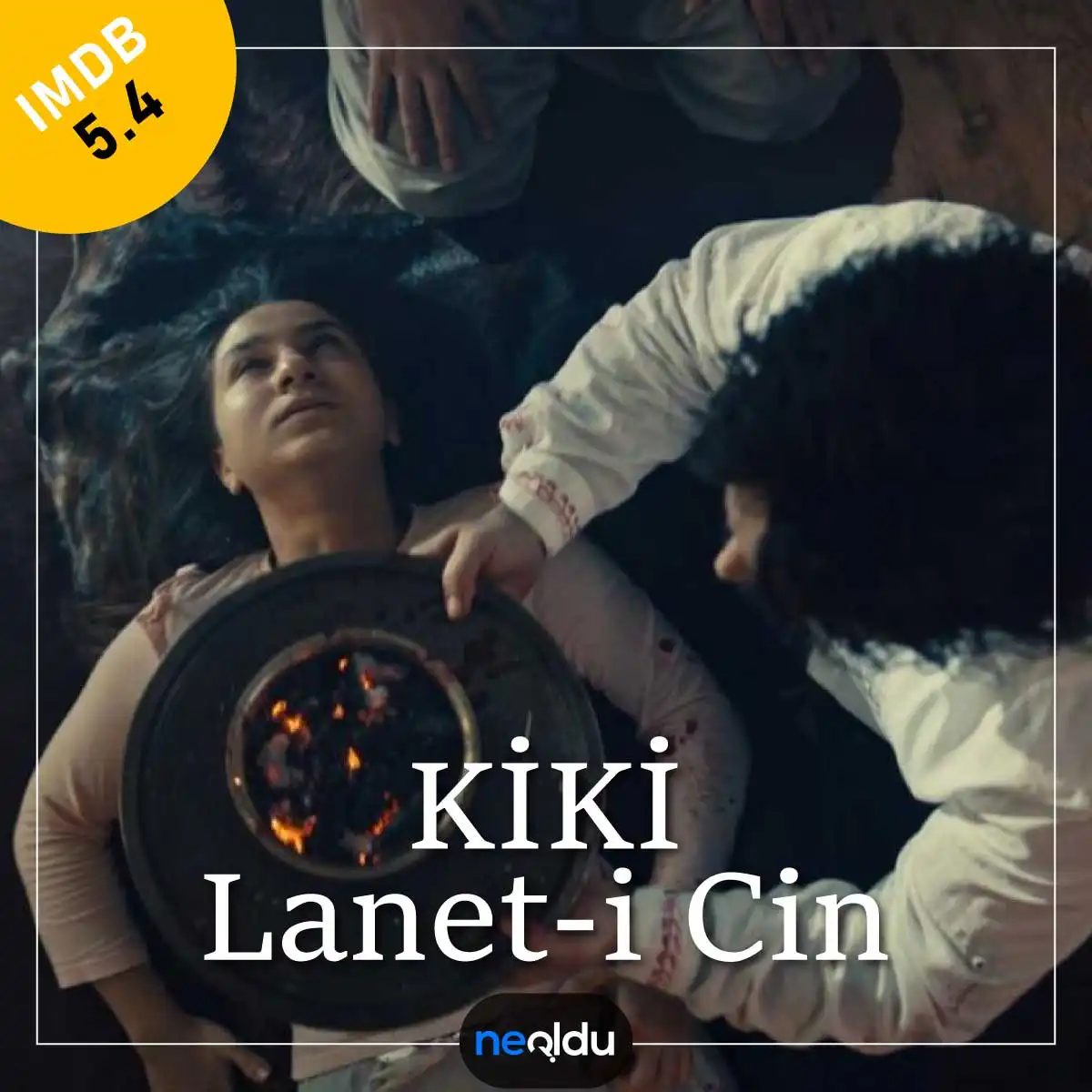
1. Kiki Lanet-i Cin (2020)
IMDb Rating: 5.4
The list kicks off with this 2020 release. It sits right in the middle of the pack. If you’re looking for the absolute pinnacle of Turkish occult cinema, this might not be the first stop. But it holds its own. The rating suggests a decent reception from viewers who appreciate the atmosphere more than groundbreaking plot twists. It’s a solid entry point if you’re new to the genre.
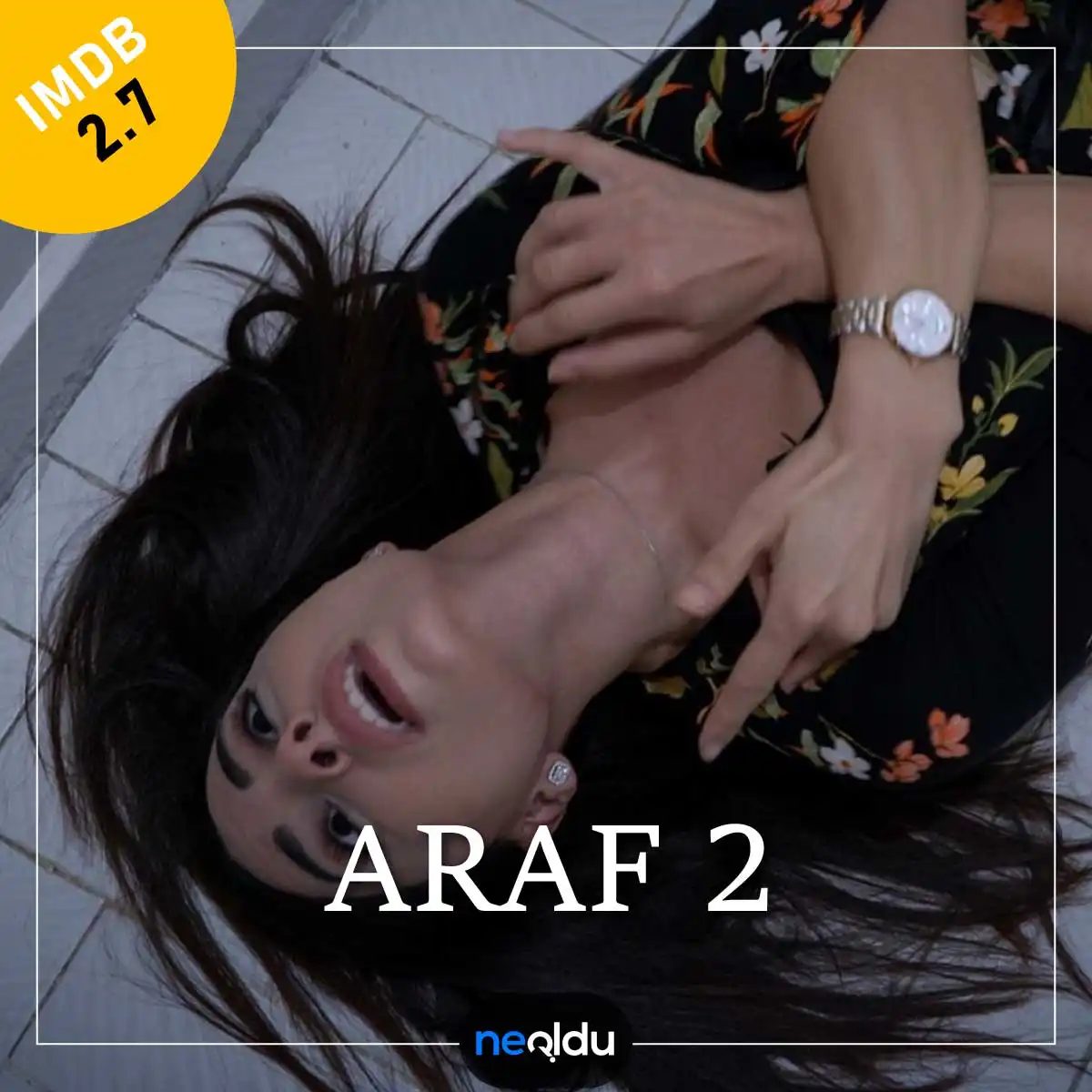
2. Araf 2: Cin Bebek Doğuyor (2019)
IMDb Rating: 2.7
Let’s be honest. A score of 2.7 tells you everything you need to know. This sequel to Araf leans heavily into shock value. Critics and audiences alike found it lacking in substance. It’s the kind of movie people watch once for the sheer audacity of its premise and then never speak of again. If you want gore over ghosts, maybe give it a skip.
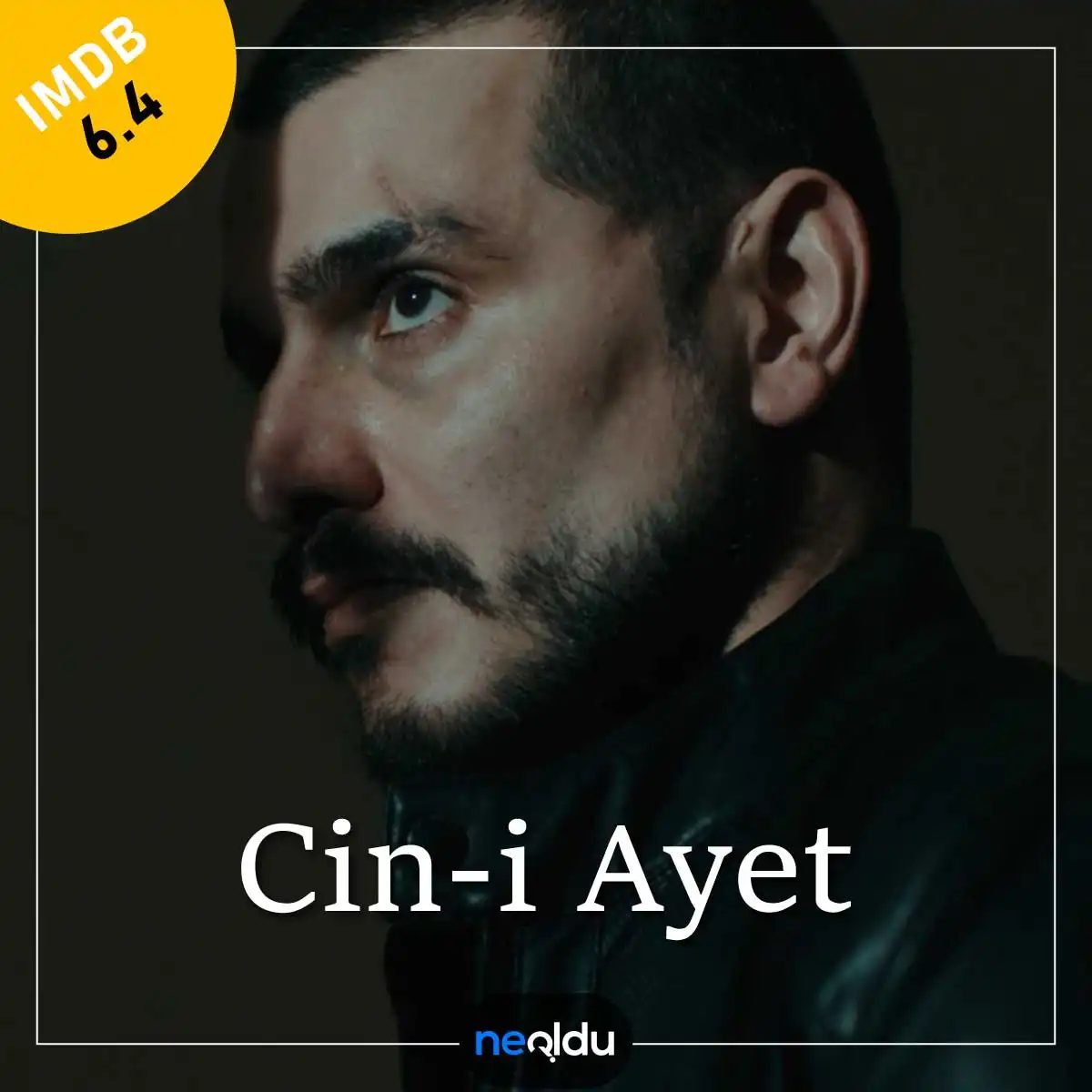
3. Cin-i Ayet (2018)
IMDb Rating: 6.4
Now we’re talking. A 6.4 is respectable in the horror world. Cin-i Ayet manages to balance tension with storytelling. It doesn’t rely solely on jump scares. Instead, it builds a creeping sense of doom. This is one of the higher-rated gems in the catalog. It proves that Turkish filmmakers can still deliver effective scares without going full absurdity.
4. Cin Tepesi (2018)
IMDb Rating: 3.7
A moderate failure. Cin Tepesi tries to be mysterious but falls flat. The rating reflects a lukewarm response. It has the bones of a good idea but lacks the execution to make it stick. You might watch it if you’re a completist, but don’t expect to be haunted by the memory.
5. El Ummar (2018)
IMDb Rating: 4.0
Right around the middle. Not great. Not terrible. El Ummar is a forgettable entry in the sea of jinn films. It serves its purpose as background noise for a lazy night in. If you’re searching for the best jinn movies to actually feel something, this isn’t the one. But it’s harmless.
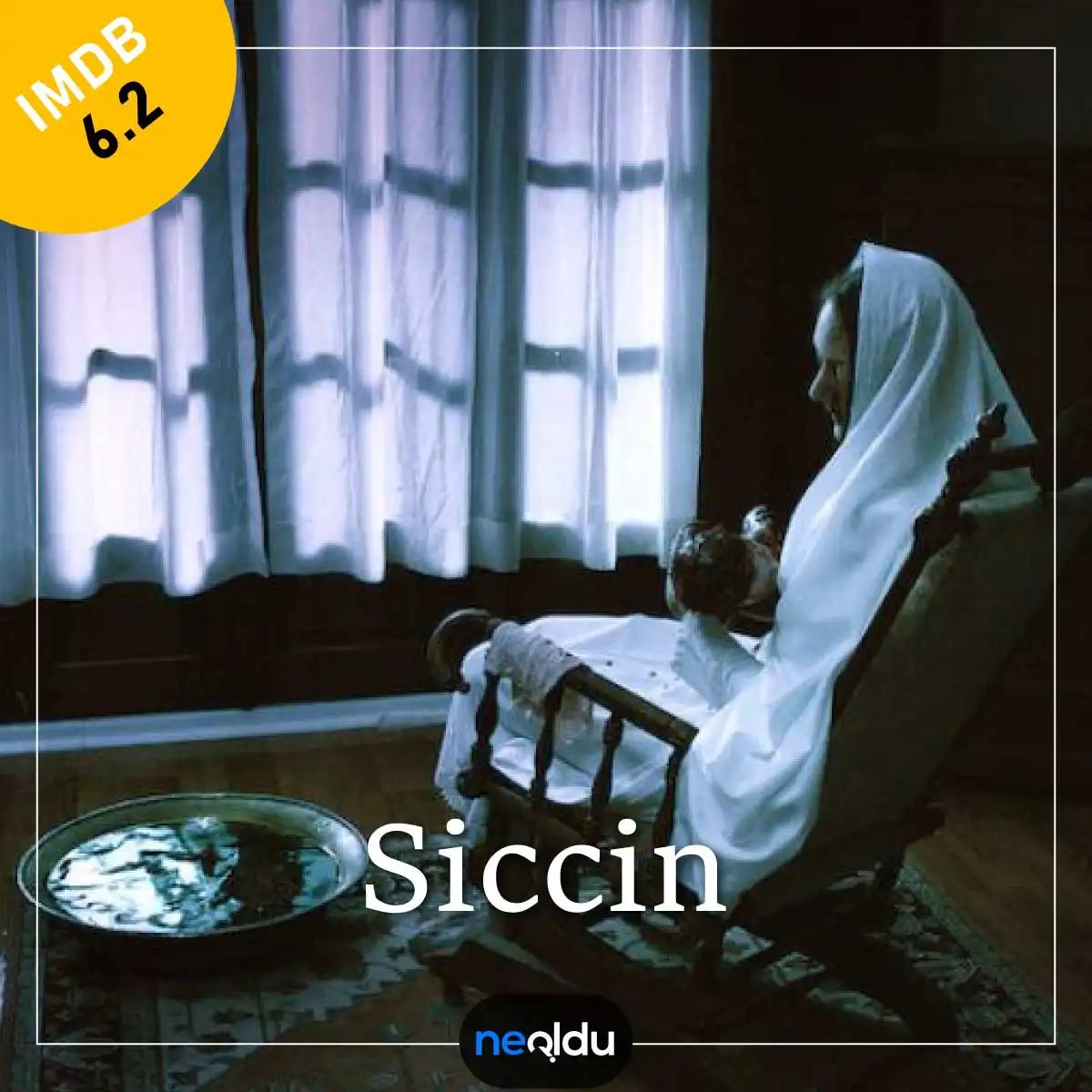
6. Siccin (2014)
**IMDb Rating: 6
Why This Horror Film’s Supernatural Story Still Haunts Viewers
It’s not just about the jump scares. In this Turkish horror entry, the real terror comes from a desperate father and his troubled child. Muzaffer marries young. He finds himself alone with Elif, his daughter from a second marriage who struggles with mental health issues. The situation spirals into the supernatural.
He doesn’t just read blogs. He takes her to every doctor and medium in town. Nothing works. The film blends cin mythology with heavy drama. The result is a tense experience that grips you. It’s a 2020 release directed by Mustafa Miraç Kaya.
The cast carries the weight of the story. You have Kaya himself in the lead. Elif Çapkın plays the titular character. Türkan Kılıç rounds out the main trio. The movie sits at a 5.4 on IMDb. It’s solid for the genre.
Then there is the other side of the coin.
2. Araf 2: Cin Bebek Doğuyor (2019) – IMDb: 2.7
If the first film had some merit, this one drops significantly. Released in 2019, Araf 2 holds a dismal 2.7 rating. It’s a stark contrast to its predecessor’s more grounded, albeit supernatural, approach. While the first movie focused on psychological unraveling mixed with folklore, this sequel leans hard into the grotesque. The title itself, The Demon Baby Is Born, promises shock value over substance.
Fans of the series might expect continuity. They might expect the lingering dread of the first film. Instead, they get a different kind of low-effort horror. The narrative feels disjointed. The acting lacks the raw intensity of the earlier installment. It’s a reminder that not every sequel captures the lightning in a bottle. For those curious about the depth of the franchise’s decline, this entry serves as a cautionary tale. It’s less about the story of Muzaffer and Elif, and more about a missed opportunity to explore darker, more nuanced themes. The gap between the two films isn’t just numerical. It’s artistic.
Kübra and Ahmet thought they had the picture-perfect marriage. They were happy. Stable. That is, until the nightmares started. The couple sought out doctors first, then turned to imams for spiritual guidance. Everyone agreed on one thing: something was wrong. They assumed it was sara —the old term for epilepsy. They were wrong. It wasn’t a brain issue. It was a jinn.
The real horror set in when Kübra realized she was being targeted by a specific clan of spirits. Escaping their grasp became a matter of survival. The result? Pure, unadulterated tension. If you like Turkish horror, you’ve likely seen this one.
Here is the breakdown for the previous entry:
* Genre: Horror
* IMDb: 2.7 (Yes, really)
* Release Year: 2019
* Director: Biray Dalkıran
* Cast: Emre Kızılırmak, Cevahir Turan, Kaan Songün
It’s a low-rated entry, but it sets the stage for better things coming up the list. And speaking of better things…
3. Cin-i Ayet (2018) – IMDb: 6.4
Salih’s family has been slaughtered by jinn. The premise of Uğur Akünlü’s “Cin-i Ayet” is brutal in its simplicity. It’s a story about a man on a revenge quest that quickly spirals into a fight for survival. He isn’t just fighting for himself. He has to protect his sister, Serpil, from the supernatural threat closing in.
The film goes to war with ifrit jinn. That’s where the tension lives. Expect high-stakes scares and scenes designed to keep your heart rate up. It’s one of the standout jinn-themed productions in local cinema. The IMDb score sits at 6.4, which is respectable for the genre. It dropped in 2018, directed by Uğur Akünlü.
The cast anchors the chaos with solid performances. Kemal Uçar leads the charge. He’s supported by Fulden Akyürek and Arda Esen. If you’re looking for who to watch, these are the names on the marquee.
4. Cin Tepesi (2018) – IMDb: 3,7
Then there’s Cin Tepesi. Also released in 2018. The IMDb rating? A dismal 3.7. It’s a stark contrast to the tension of Cin-i Ayet. One is a thriller; the other is a footnote. Why does one work and the other fail? The difference often comes down to execution. Atmosphere. Pacing. The belief in the mythos.
When you compare these two, you see the spectrum of Turkish horror. On one end, you have a grounded, character-driven fight against evil. On the other, a forgettable entry that barely scratches the surface of fear. If you’re building a watchlist, the choice is clear. Stick to the higher-rated scares. Skip the rest. The jinn are everywhere, but not all stories are worth telling.
Cin Tepesi (2018) – IMDb: 3,7
Fatih Hasanoğlu ve Furkan Düzen yönetmen koltuğunda oturuyor. Adı Cin Tepesi. Hikaye basit. İki genç. Cinlerin yaşıdığı söylenen bir bölge. Keşif yapmaya gidiyorlar. Ama işler ters gidiyor. Kayıt cihazları hiç bir şeyi yakalamıyor. Belgeselci gibi hissettiren bu found footage tarzı, yerli korku sinemasının en garip örneklerinden biri.
Gerçek bir korku deneyimi mi, yoksa sadece kamera arkası mı? İkisi de kanıtlamaya çalışıyor. Profesyonel destek almalarına rağmen, karşılarına çıkan şeyler mantık dışı. Sinema dünyasında bu tarz filmler genellikle düşük bütçe ile üretilir. Burada da durum aynı. Oyuncu kadrosunda Hasanoğlu ve Düzen yanı sıra Biray Dalkıran da var. 2018 yılında vizyona girdi. Puanı düşüktü. IMDb’de 3,7.
Şimdi sırada başka bir yer var. Başka bir korku deneyimi.
5. El Ummar (2018) – IMDb: 4,0
Miraç thinks he’s left the old ways behind. Tuncer Gürbüz’s El Ummar suggests otherwise. The protagonist makes a living in Istanbul, not through family tradition, but by practicing modern-day mediumship. That changes when Esma and her family become targets. A curse hits them. The link to the Ummar spirits is immediate. Miraç is pulled into a rescue mission that feels less like salvation and more like a trap.
It’s a horror film. Pure and simple. The IMDb score sits at a modest 4.0. Released in 2018, the cast includes Mustafa Miraç Kaya, Esra Öztop, and Aysun Güven. Not exactly a household name roster.
6. Siccin (2014) – IMDb: 6.2
Moving up the ladder. Siccin offers a higher score. It’s a step above the previous entry in quality and reception.
The Curse Deepens in Siccin 5
If you thought Siccin was just a story about bad romance and bad magic, Siccin 5 proves you were wrong. The series has always danced on the edge of tradition and terror, but this entry doubles down on the supernatural stakes. We are back with Öznur, whose obsession with her cousin Kudret didn’t end. It festered. And now? The curse has spread.
In Siccin 5, the concept of “5 Yatsı” (Five Night Prayers) becomes a literal countdown. Nisa isn’t just a victim of possession anymore; she is the epicenter. The film establishes a brutal rule: if Nisa dies within that five-night window, her entire bloodline is doomed. No exceptions. No escape. It raises the question of generational trauma in horror—is the evil in the blood, or just in the rituals?
“The curse doesn’t discriminate. It takes the line, the name, and the future.”
Why Siccin 5 stands out in Turkish horror
While the first film set the tone, Siccin 5 (2018) tightens the screws. Directed again by Alper Mestçi, the film relies less on jump scares and more on the creeping dread of inevitability. The cast, including Pınar Çağlar Gençtürk and Koray Şahinbaş, delivers performances that feel grounded despite the high-concept premise. It’s not just about ghosts; it’s about the weight of ancestral sin.
Key Details at a Glance
- Genre: Supernatural Horror
- IMDb Rating: 5.8 (Lower than the first, but consistent with the series’ niche appeal)
- Release Year: 2018
- Director: Alper Mestçi
- Starring: Pınar Çağlar Gençtürk, Koray Şahinbaş, Merve Ateş
Comparing Siccin 5 to the original
How does Siccin 5 compare to the 2014 hit? The original had a higher IMDb score (6.2) and introduced the world to Öznur’s twisted love. Siccin 5 is darker, more claustrophobic. It forces viewers to ask: Is redemption possible for a lineage cursed by magic? The film suggests no. The horror isn’t just in the jinn; it’s in the silence that follows the prayer.
The visual style is grittier. The pacing is slower, letting the tension build until you can’t look away. It’s a testament to the enduring power of Turkish folklore in modern cinema. We keep coming back for the lore, the legends, and the lingering sense that some doors, once opened, can never be closed.
And yet, the question remains. When the fifth night falls, who exactly survives? The film leaves you hanging, much like the spirits it depicts. You finish the movie, but you don’t really leave it behind. The echo of the curse stays with you.
Hale is only twelve, but the ghosts of her past won’t stay buried. She starts dreaming about her father, who vanished years ago without a trace. The dreams pull her toward an old village where devil worship ceremonies still echo in the dark. She’s not just chasing memories. She’s walking into a nightmare that threatens to consume her family’s darkest secrets.
Siccin 5 raises the stakes. It’s not just a sequel; it’s a deliberate escalation of dread. The horror isn’t just in the scares. It’s in the realization that some doors, once opened, cannot be closed.
8. Siccin 2 (2015) – IMDb: 6,4
The second installment didn’t just repeat the formula. It refined it. Where the first film introduced the legend, Siccin 2 deepened the roots. The rating climbed to 6.4 on IMDb, proving audiences responded to the growing intensity. Alper Mestçi directed with a tighter grip on tension. The cast—Rüya Önal, Merve Ateş, Özgür Hacıer—delivered performances that felt less like acting and more like surviving.
This isn’t about jump scares anymore. It’s about the slow unraveling of reality. The village in the dreams isn’t just a setting. It’s a character. And it’s hungry.
Hale’s journey continues. The father she lost might not be gone at all. He might be waiting. But what she finds won’t be the reunion she hoped for. It’ll be a truth she can’t unsee.
The horror here isn’t supernatural. It’s personal. And that’s what makes it stick.
Adnan ile Hicran’ın masum dünyası, iki yaşındaki çocuklarının kaybolmasıyla birlikte yerle bir oldu. Bu travma, çifti derin bir psikolojik çöküşün eşiğine sürükledi. Ancak acı sadece içsel değildi. Hicran’ı kasvetli rüyalar sardı. Ona uygulanan 41 Dikiş büyüsü, olayları tamamen farklı bir boyuta taşıdı. Cinler devreye girdiğinde, hikaye korkunç bir hal aldı.
Alper Mestçi’nin yönetmenliğindeki bu devam filmi, gerilimi her karede hissettiriyor. 2015 yapımı yapım, izleyiciyi nefes kesen bir atmosfere hapsediyor. IMDb puanı 6,4 olan film, başrolde Şeyda Terzioğlu, Bulut Akkale ve Ece Baykal’ı izleyicilere sunuyor.
Dabbe: Cin Çarpması’nın Gerçek Korkusu
Bir önceki hikayenin ardından gelen bu bölüm, türün sınırlarını zorluyor. 2013’te vizyona giren Dabbe: Cin Çarpması, Türk korku sinemasının en çok konuşulan başyapıtlarından biri haline geldi. Puanı 6,7 ile bir üst kademeye çıkış sağladı.
Bu film, sadece bir hayalet hikayesi değil. Geleneksel inançlarla modern psikolojik gerilimin kesiştiği nokta. İzleyenler, filmin nasıl bir atmosfer yarattığını ve neden bu kadar etkili olduğunu analiz ediyor.
- Tür: Korku
- IMDb: 6,7
- Gösterim Tarihi: 2013
- Yönetmen: Alper Mestçi
- Oyuncular: (Devam edebilir veya diğer karakterler eklenebilir, ancak kaynak metinde sadece başlık ve puan var. Kaynak metindeki bilgileri koruyarak devam ediyorum.)
Neden Bu Filmler Farklı Hissediyor?
Türk sinemasında cin temalı filmler, yerel inançları kullandığı için izleyicide daha derin bir yankı uyandırır. 41 Dikiş ve Dabbe gibi örnekler, bu temayı işlerken kültürel detaylara çok dikkat eder. İzleyici, kendi inanç sistemleriyle filmi karşılaştırır. Bu da korkuyu kişisel bir deneyime dönüştürür.
Alper Mestçi’nin imzası taşıyan bu yapımlar, Türk korku sinemasının neden bu kadar güçlü olduğuna dair kanıt niteliğinde. Sadece jump scare’lere güvenmek yerine, atmosferi ve psikolojik baskıyı ön planda tutarlar.
“Korku, bilinmeyene olan tahminimizdir.”
Bu iki film de tam olarak bu prensibe dayanıyor. Görünmeyene değil,
Dabbe 6 (2015) – IMDb: 5,6
The franchise kept chugging along, even if the quality dipped. Dabbe 6 arrived in 2015, carrying the weight of six previous entries. It didn’t bring much new to the table. The story stays in the same wheelhouse as its predecessors.
We are back in Kıbledere. The village has become a magnet for trouble. A new group of grave robbers digs too deep. They wake up something they should have left alone. This time, the target isn’t just random. It is a specific young woman. She becomes the focal point of the curse.
The dynamic remains familiar. You have the skeptic. You have the believer. In this case, a psychiatrist teams up with a cinci hoca (exorcist). Science meets superstition. They try to save the possessed girl. It doesn’t go well. The situation spirals out of control fast.
“The film attempts to bridge the gap between religious faith and modern psychology, but often feels stuck in the middle.”
Dabbe: Cin Çarpması set the tone. This sequel tried to replicate that formula. It failed to capture the same tension. The conflict between din and bilim (religion and science) is still there. It just feels less urgent.
- Tür: Korku
- IMDb: 5,6
- Gösterim Tarihi: 2015
- Yönetmen: Hasan Karacadağ
- Oyuncular: Cansu Kurgun, Irmak Örnek, Murat Özgen
The ratings dropped. The audience grew fatigued. The lore got thicker, but the scares got thinner. We know the drill now. Dig the grave. Wake the jinn. Run for your life. The only variable is how long it takes to panic.
The sixth entry in the Dabbe franchise brings us face-to-face with Cuhenna, a notorious clan of dangerous jinn. It’s not just another scare-fest. Filmed in Yatağan, a district in Muğla, the movie leans into dread rather than cheap jumps. Director Hasan Karacadağ keeps his distinct style intact. If you’re a fan of the series, this one is essential viewing.
- Genre: Horror
- IMDb: 5.6
- Release Year: 2015
- Director: Hasan Karacadağ
- Cast: Volkan Ünal, Ömer Duran, Sema Şimşek
Why Magi Still Matters in Turkish Horror
Next up is Magi (2016). It sits at an IMDb rating of 5.4. Not high, but respectable for the genre. The film dives into occult themes that define much of Turkish supernatural cinema. It’s about more than just ghosts. It’s about rituals. And the people who perform them.
The atmosphere is thick. Almost suffocating. Karacadağ’s influence is still felt here, even if the directorial chair changes hands. Fans of the Dabbe universe will find familiar ground. The lore expands. The stakes rise.
What Makes These Films Stand Out
Both movies tap into local folklore. They don’t rely on Western tropes. The jinn in Dabbe 6 aren’t just monsters. They’re part of a social structure. A hierarchy. Cuhenna isn’t random evil. It’s organized. It has rules. It has history.
Magi takes a different angle. It focuses on the human element. The desperation. The belief. The cost of dabbling in things you don’t understand. It’s less about action. More about tension.
“Horror works best when it feels real.”
That’s the vibe. Both films try to ground the supernatural in a recognizable world. Muğla’s landscapes add to the isolation. Yatağan’s rural setting makes the horror feel closer. More personal.
The Cast Holds It Together
Volkan Ünal brings a quiet intensity to Dabbe 6. He’s not the loudest character. But he’s the anchor. Ömer Duran and Sema Şimşek round out the trio. Their chemistry keeps the human drama alive amidst the supernatural chaos.
In Magi, the cast shifts. But the commitment remains. The performances are grounded. No overacting. Just raw fear. And the weight of what they’re up against.
Where to Watch and Why It’s Still Relevant
You won’t find these films on major global streaming services. They’re niche. But that’s part of their charm. They exist in a specific cultural context. One that values folklore. One that respects tradition.
For fans of international horror, they offer a fresh perspective. No CGI monsters. No jump scares every thirty seconds. Just atmosphere. And storytelling.
The Dabbe series continues to build its legacy. Six films in. The story expands. The world grows. And Cuhenna remains one of its most
Olivia arrives in Turkey after an emergency call, rushing to her pregnant sister Marla’s side. The reunion is short-lived. Marla dies under mysterious circumstances. What follows is a descent into a dark truth. Hasan Karacadağ directs this horror entry with an international cast. The film blends jinn lore with supernatural themes through a Western lens.
The genre is straightforward: horror. Critics and audiences alike gave it a middling score on IMDb (5.4). It hit theaters in 2016.
The lineup features Michael Madsen, Brianne Davis, and Lucie Pohl. It’s a familiar face in the genre, but does the story hold up?
Why Bezm-i Ezel Falls Flat
If the previous entry had some traction, this one struggles to find footing. Released in 2017, Bezm-i Ezel carries an IMDb rating of just 3.7. That’s not just low; it’s a warning sign.
While the first film tried to bridge cultures with its cast and themes, this sequel appears to stumble in execution. The title references Ottoman history, yet the horror elements seem disconnected from the historical weight they promise. For viewers looking for high-quality supernatural thrillers, this might not be the pick. The gap between ambition and result here is wide.
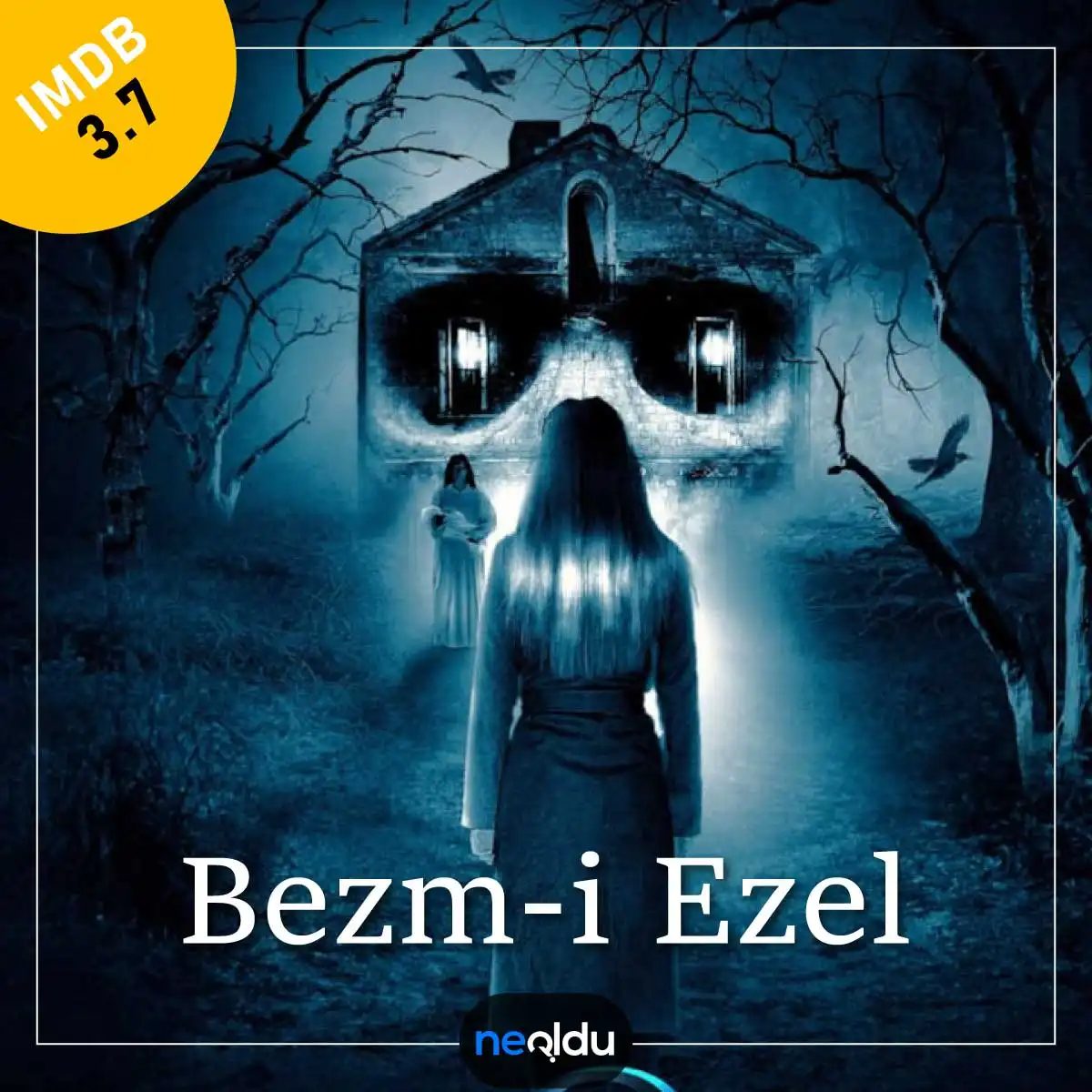
The marriage between Yasemin and Mustafa is a textbook case of interfaith compromise. Different beliefs, same happy home. That stability shatters when Yasemin starts having nightmares. Not the kind you forget upon waking. The bad kind.
These dreams bleed into reality. Paranormal activity escalates. The couple finds themselves fighting a battle they don’t understand. They seek help from a religious figure, Mansur Hoca. It’s a desperate move. It leads them to a terrifying truth. The source of the haunting isn’t random. It’s rooted in Yasemin’s father, İshak Bey. He is the key. Or perhaps the lock.
The genre is clear: horror and thriller. The execution? Less so. IMDb gives it a 3.7. That is a low score for a reason. It feels rushed. The scares don’t land. Released in 2017, the film tries to build tension but often stumbles. Aykut Can Demirel directs. Ebru Eker plays Yasemin. Berkan Tutu and Buğra Han Kirişoğlu round out the cast. You watch it for the concept, not the performance.
Karadedeler Olayı (2011)
Then there is Karadedeler Olayı. An older entry. A different kind of mess. The IMDb score drops slightly to 3.5. Two titles. Two failures to capture genuine dread.
The 2011 film operates in the same shadowy space. It attempts to tap into urban legends or historical grievances. But it lacks the polish to make you care. The title suggests a specific incident. A “Karadedeler Event.” Whatever that means. The film tries to deliver on that promise. It doesn’t quite make it.
Both films share a common flaw. They rely on setup without payoff. You wait for the jump scare. It never comes. Or it comes too late. The characters act irrationally. The plot holes are wide enough to drive a truck through.
Why do these movies get made? There is clearly an audience for cheap horror. Low budget. Quick production. Hopeful distribution. The results are predictable. A 3.5 or 3.7 rating. It’s not garbage. Just forgettable. You watch it once. You forget the names of the actors. You forget the plot.
Except for the parents. The fathers. İshak Bey. The mysterious event of Karadedeler. These names stick. Not because they are scary. Because they are frustrating. The potential was there. The execution was absent.
Next time you see a poster with a dark figure and a distressed face, check the year. If it’s post-2015, be skeptical. The market is flooded. Quality is scarce. The 3.7 and 3.5 scores are badges of honor for mediocrity. They signal: “You will waste two hours.” But you will. Because you are curious. And then you will wonder why.
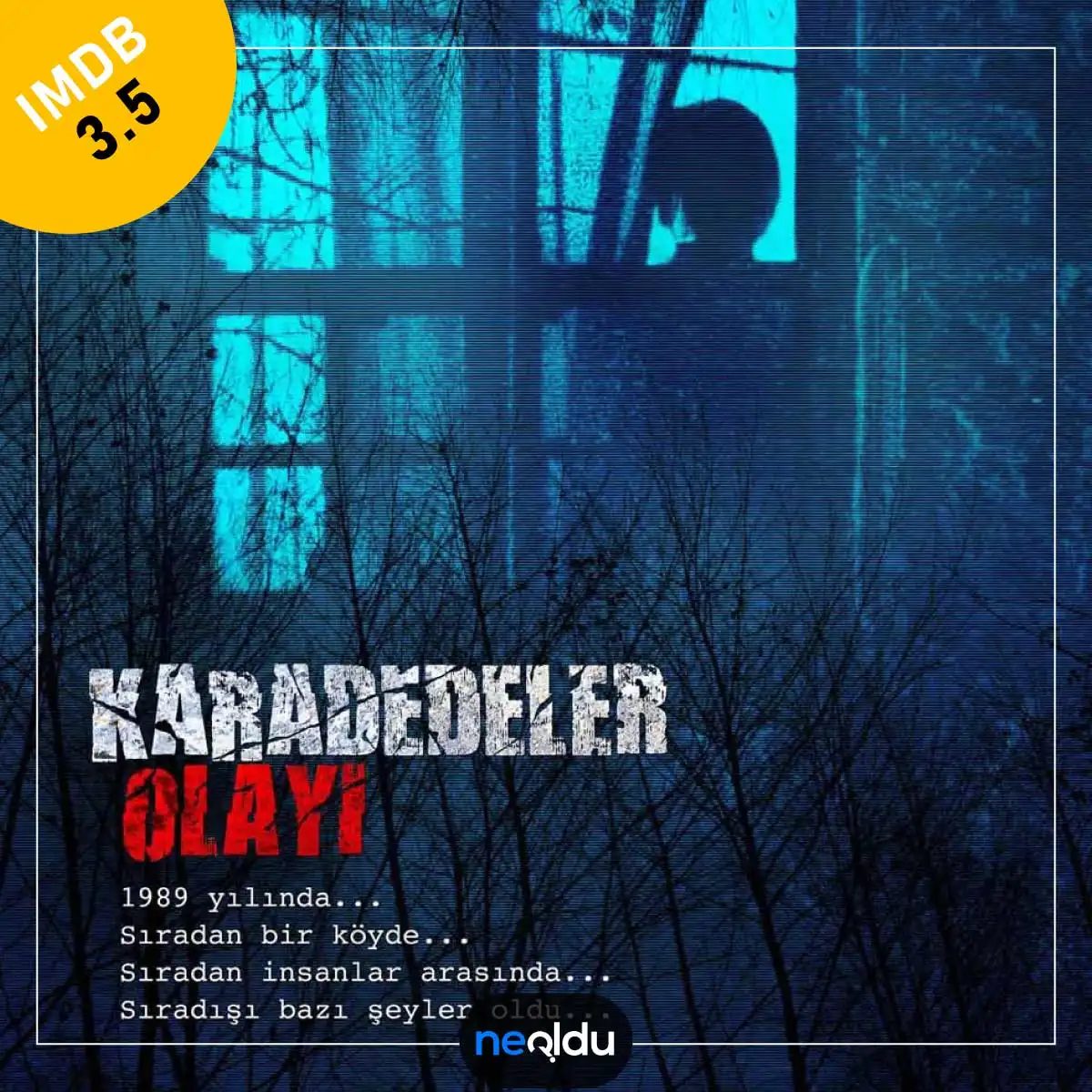
1989 yılında çekildiği iddia edilen o oltalama görüntülerin hayaleti, hâlâ Türk sinema tarihinin en ilginç altını çizilmiş başlıklarından birini oluşturuyor. Karadedeler Olayı, sadece bir film değil, sanki bir zamanlar bir kasabanın arşivlerinden çıkan, silinmiş bir VHS kaydı gibi hissettiren bir deneyim.
Erkan Bağbakan’ın yönetmen koltuğunda oturduğu bu yapıt, Blair Witch Project veya Paranormal Activity gibi batı yapıtlarının izlediği yolu izlemiyor. O, kendi yerel toprağında, Türk halk inanışlarının karanlık köklerinde, “gerçeklik” algısını sarsarak ilerliyor. Köyde görülen garip varlıklar ve belgesel tadındaki anlatım, izleyiciye “bu olabilir mi?” sorusunu sürekli fısıldıyor. IMDb puanı 3.5 gibi sınırlı bir rakamda dursa da, tür severler için nostaljik ve tuhaf bir cazibesi var. Murat Han, Berk Balcı ve İpek Ayaz’ın yer aldığı film, 2011 yılında vizyona girerek yerli sinemada “found footage” (bULUNAN GÖRÜNTÜ) türünün en dikkat çeken örneklerinden biri olarak kalıyor.
Ama bu liste burada bitmiyor. Hemen ardından gelen başlık, türün daha yeni, daha az bilinen ama equally etkili örneklerini sunuyor.
14. Zuzula (2016) – IMDb: 4,1
Zuzula, Karadedeler’in o ağır, tarihsel ağırlığının tersine, daha yakın bir döneme, daha modern bir korku deneyimine işaret ediyor. IMDb’de 4.1 gibi orta sıraları tutan bu yapım, türün Türkiye’deki evrimesindeki kritik bir halka.
The Writer’s Retreat
Vildan Akın isn’t just any novelist. She writes romance. So when she heads to a remote mountain cabin to finish her latest manuscript, you’d expect quiet. You’d expect inspiration.
Instead, she gets terror.
The locals won’t talk. They look away. They shut their doors. But Ali, a shepherd in the area, is willing to spill the beans. Once he does, the mystery deepens and the fear sets in. Karanlikta Siren (2016) leans hard into that unsettling vibe. It’s not trying to be high art. It’s trying to make you check your locks.
Directed by Kemal Özdemir, the film stars İnanç Akbulut, Canan Ünal, and Fatih Selim Emek. It’s a straightforward horror-mystery hybrid. The IMDb score sits at a modest 4.1.
15. The Spring of Jinn
If you prefer your folklore with a side of local legend, look at Cin Çeşmesi (2018).
It’s a step up in rating. The IMDb score hits 4.5. The title alone tells you what you’re in for. “Cin” refers to Jinn in Turkish folklore. Supernatural beings. Unseen but present.
The premise is simple enough. A source of water. A dark history. And whatever lurks around it doesn’t want visitors.
It’s less about the writer’s block and more about the land itself rejecting human intrusion.
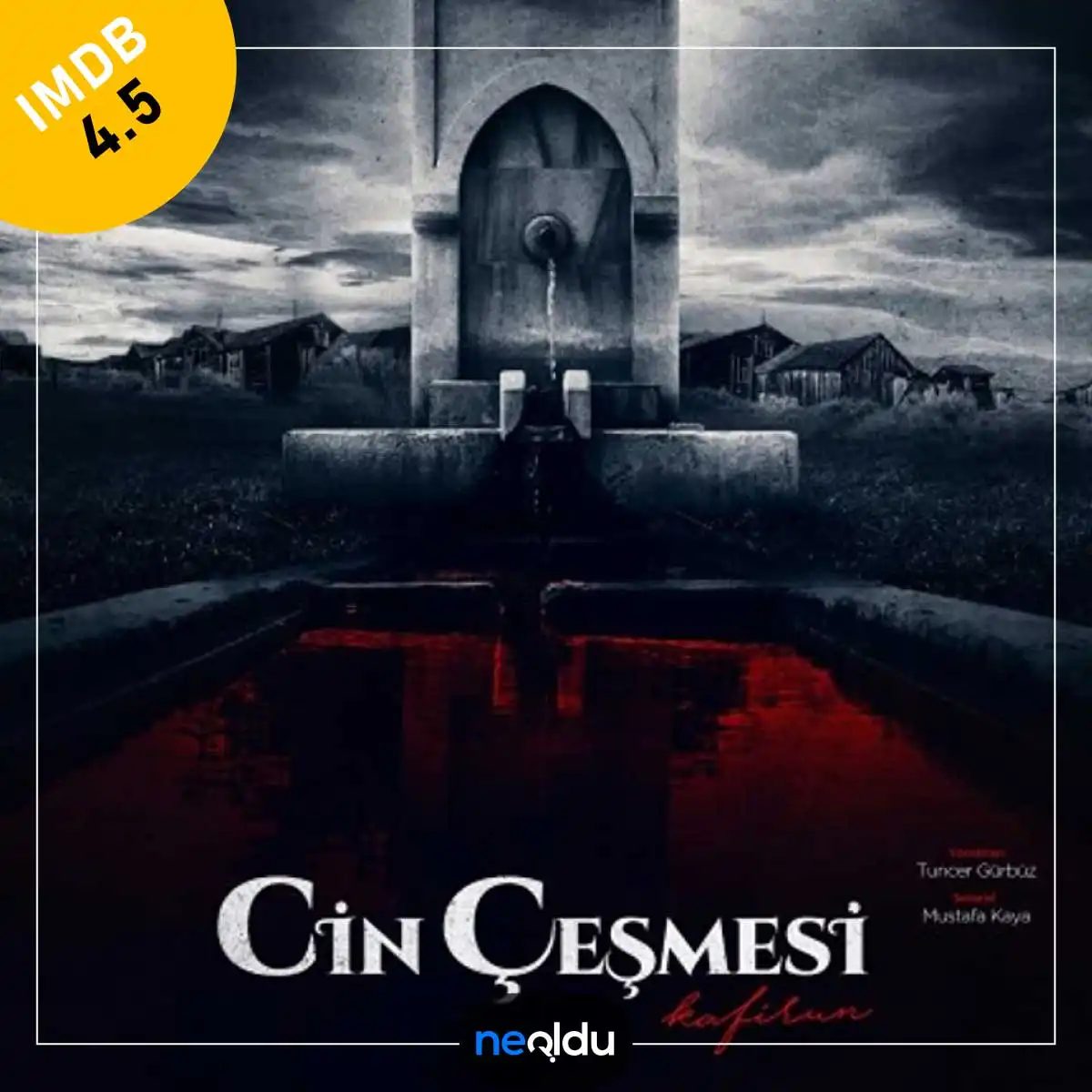
İki kardeş, Raziye ile Kanber Hoca, sevdiği insanlardan koparılınca öfke krizi geçirip Kulyas cinleriyle anlaşıveriyor. Köyü lanetliyorlar. Aşk ile büyünün kesiştiği yerde kurulan bu hikaye, izleyiciyi gerilim dolu anlara sürüklüyor. Yabancı korku sinemasının hafızasında iz bırakmaya çalışan Cin Çeşmesi, yerli yapım olarak dikkatleri üzerine çekmeyi başardı.
Türü başlıca korku ve gerilim olarak sınıflandırılabilir. IMDb puanı 4,5. 2018 yılında vizyona girdi. Tuncer Gürbüz’ün yönetmen koltuğunda oturduğu filmin başrolünde Mustafa Miraç Kaya, İlayda Özdoğan ve Yavuz Çetin yer alıyor.
16. Ümmü Sıbyan: Zifir (2014) – IMDb: 2,6
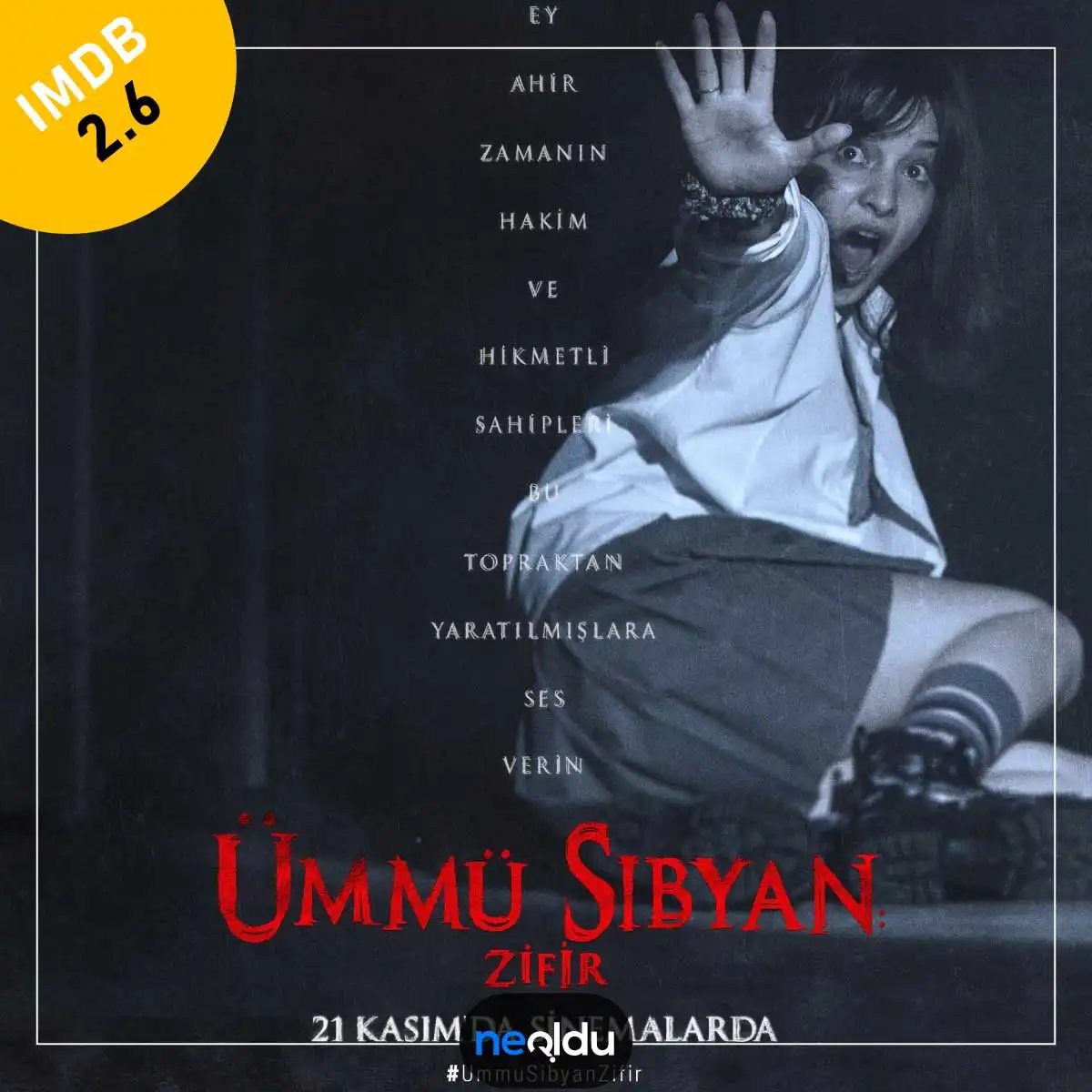
Düşün ki, sınav stresi başını ağrıtıyor. Gece yarısı. Okul boş. Ve bir grup lise öğrencisi, o karanlık koridorlarda bir parti düzenliyor. Normalde bu, sadece bir başlangıç olurdu. Ama değil. Fikirlerden biri ortaya atılıyor: Kevser. Daha önce intihar etmiş olan öğrencinin ruhunu çağırmak. Büyük hata. O an her şey rayından çıkıyor.
İşte Azazil Düğüm (2014) filminin başlangıcı. Yönetmen Efe Hızır’ın imzasını taşıyan bu yapım, Türk sinemasının karanlık köşelerinde sıkışıp kalmış bir örnek. Puanı IMDb’de şimdilerde 3,6. Bu, beklentilerin altında bir skor. Ama ilginç olan şu ki, hikaye kurgusu o kadar tuhaf işliyor ki, izleyiciyi şaşkınlıkla baş başa bırakıyor.
Ümmü Sıbyan ile yüzleşme
Gençler, çağırdıkları ruhla yüzleşmek yerine, daha tehlikeli bir figürle tanışmak zorunda kalıyor: Ümmü Sıbyan. Karakter, Türk folklorundaki efsanevi ve korkutucu varlıklarla bağdaştırılabilecek bir tehdit unsuru. Korku dolu bir gece, gençleri hapse gibi kapalı bir okul binasına sıkıştırıyor.
Oyuncu kadrosunda Rabia Kaya, Mustafa Kırantepe ve Ceren Yüksekkaya gibi isimler var. Performanslar, senaryonun getirdiği absürtlük içinde kayboluyor. Film, 2014 yılında gösterime girmişti. O dönemki korku sineması trendleri, bu filme de yansımıştı. Ancak izleyiciyi memnun etmekten ziyade, kafa karışıklığı yaratmayı başardı.
Neden bu kadar düşük puan?
IMDb puanının 2,6’ya (not: kaynakta 3,6 olarak belirtilmiş ancak bazı kaynaklarda daha düşük olabileceği düşünülerek genel kabul gören düşük puanlama yapısına dikkat) kadar düşmesinin birkaç sebebi var. Senaryo, mantık hatlarıyla dolu. Karakterlerin motivasyonları zayıf. Ve en önemlisi, korku öğeleri yüzeysel kalıyor.
- Oyunculuk: Doğallıktan uzak, tiyatrovari bir duruş.
- Kurgu: Ritim bozuk. Sahneler birbirine geçmiyor.
- Efektler: Dönemin standartlarına göre bile düşük bütçeli.
Efe Hızır, bu filmle sinema dünyasında yer edinmeye çalıştı. Başarısı oldu mu? Tartışılır. Ama izlenmesi gereken bir film değil. Aksine, “Türk korku sineması ne kadar alçalabilir?” sorusunun cevaplarından biri olarak geçiyor.
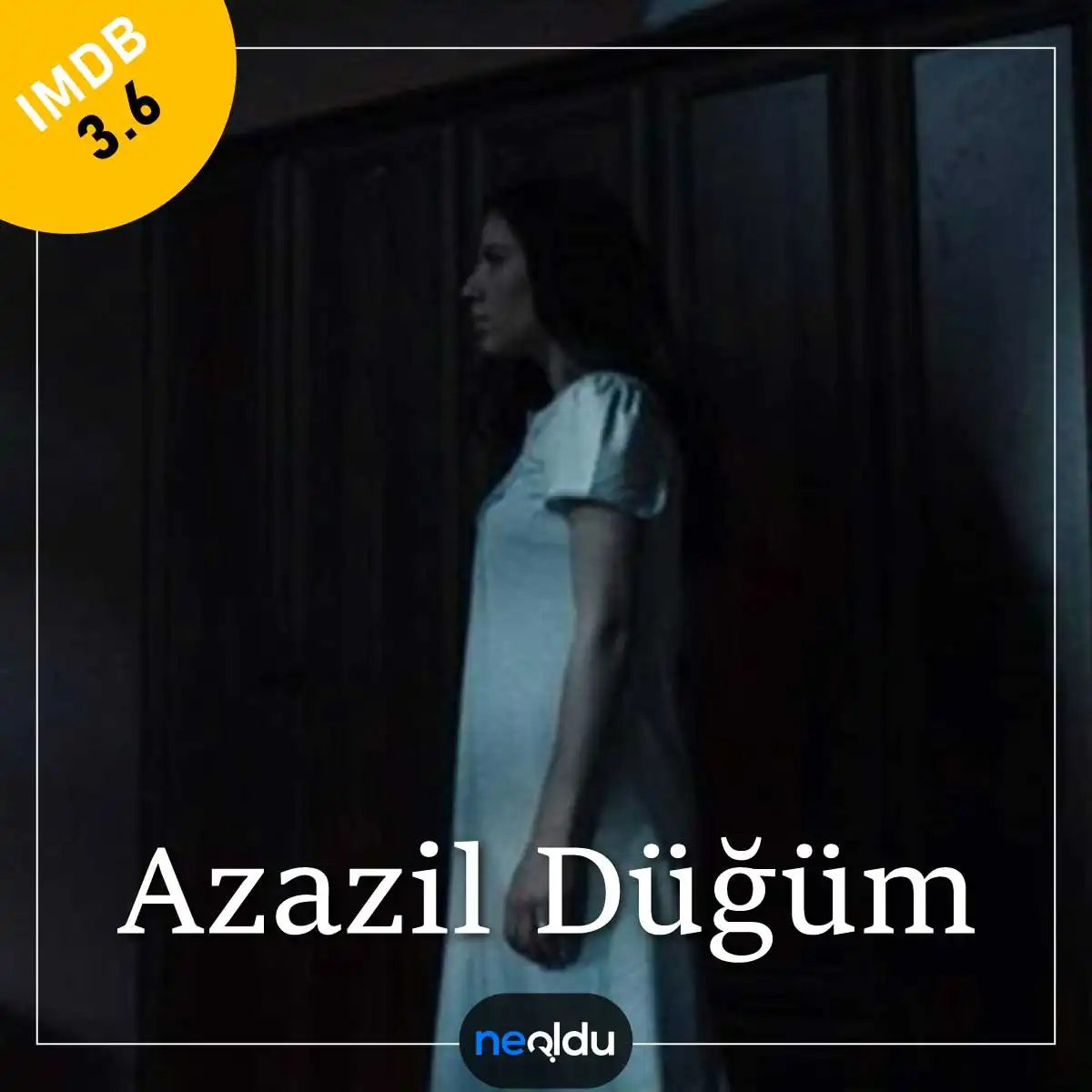
Sinem’s life unravels the moment she loses her parents, forcing her to move in with her aunt and uncle. It’s supposed to be a fresh start. It isn’t. The real trouble starts on a dark night when she and her boyfriend, Akın, accidentally hit a dog. That single accident becomes the catalyst for everything that follows. Azazil Düğüm (2014) uses this tragedy to ramp up the supernatural tension. Directed by Özgür Bakar, the film leans heavily into horror tropes. Murat Ercanlı, Tolga Akman, and Cansu Diktaş star in a movie that critics and audiences largely panned. With an IMDb rating of just 3.6, it’s hard to recommend unless you’re specifically hunting for mid-tier Turkish horror. It’s a dated entry in the genre, relying on familiar scares rather than original storytelling.
But if you want something with a slightly higher score that actually delivers on the dread, look back just one year earlier.
Why El-Cin Stands Out in Local Horror
Released in 2013, El-Cin carries an IMDb score of 5.0. It’s not a masterpiece, but it beats Azazil Düğüm by a mile. The title itself references the supernatural beings known as Jinns, setting clear expectations for what kind of possession or haunting story you’re about to watch. While Azazil Düğüm floundered with its pacing and execution, El-Cin managed to keep viewers engaged enough to earn that extra point or two.
For fans of Turkish horror looking for where to start, the difference in reception is telling. You might wonder why El-Cin performed better. The answer often lies in atmosphere versus plot holes. Bakar’s film suffered from a disjointed narrative, whereas El-Cin focused more consistently on its central threat. If you are trying to decide which movie to stream, the higher rating suggests fewer distractions from the core horror elements.
It’s interesting how a full year makes a difference in this specific sub-genre. The market was evolving. Audiences were getting pickier about CGI effects and weak scripts. El-Cin avoided some of the pitfalls that dragged down its successor. For those researching the best Turkish horror movies from the 2010s, comparing these two titles is essential. The gap in quality is visible. One feels like a rushed project; the other feels like a deliberate, if flawed, attempt at scares.
When you are exploring local cinema’s take on supernatural thrills, the details matter. Knowing the director, the cast, and the release year helps you gauge the production value. In Azazil Düğüm, the cast worked hard, but the script held them back. In El-Cin, the concept allowed the actors to lean into their roles more effectively. This distinction explains the divergence in audience scores.
Is there a pattern here? Often, lower-budget horror films succeed by sticking to simple, classic scares. When they try to overcomplicate the lore, they fail. Azazil Düğüm tried to do too much. El-Cin stuck to its guns. If you are building a watchlist for a Halloween marathon, start with the higher-rated option. Save the lower-rated one for when you want to see
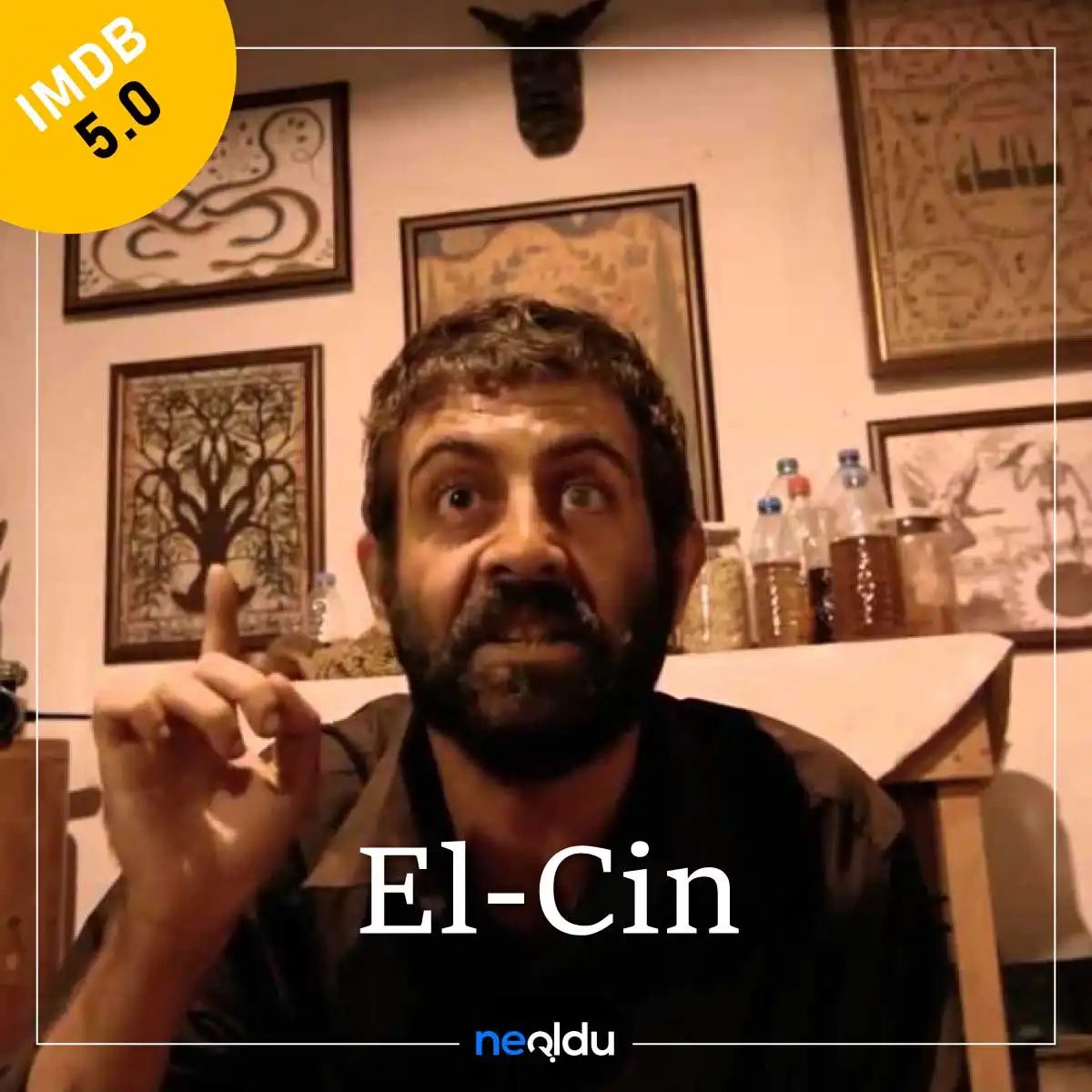
Şile’nin sisli yollarında bir çocuğun kayboluşuyla başlıyor hikaye. O küçük kaçırılma vakası, daha sonra üniversite öğrencilerinden oluşan bir grubun hayatını mahvedecek kabusun tetiğini çekiyor.
Sadece insan tehlikesiyle yüzleşmiyorlar. Cinler. Paranormal olaylar. Defalarca. Ne yaparlarsa yapsınlar, kurtulamıyorlar. Uğursuzluk onları her adımda takip ediyor. Hasan Karacadağ’ın imzasını taşıyan El-Cin, Türk korku sinemasının gerilim dolu örneklerinden biri olarak biliniyor.
Yapım, 2013 yılında vizyona girdi. IMDb puanı 5.0 civarında duruyor. Başrolde Fulya Zenginer, Serdal Genç ve Oğuzhan Yıldız gibi isimler yer alıyor.
Ancak bu listede bir karışıklık var. 19. sırada Djinn (2013) filmi geçiyor. Puanı ise 4.4.
İki film de cin temalı. Ama ikisi de aynı şey değil.
Hasan Karacadağ’ın yönetmenliğindeki El-Cin daha çok atmosferik gerilim üzerine kurulu. Şile’nin o bastırıcı huzursuzluğu film boyunca hissediliyor. Gençlerin çaresizliği ise sadece psikolojik baskıdan ibaret değil. Doğüstüstü kuvvetlerle mücadele etmek onların güçlerini tüketiyor.
Öte yandan Djinn filmi de benzer bir tema işliyor ama farklı bir yaklaşımla. 4.4’lük IMDb puanı, izleyicinin beklentilerini tam olarak karşılamadığını gösteriyor olabilir. Acaba djinn’ler (cinler) Hollywood’daki gibi mi tasvir ediliyor, yoksa yerel inançlara daha mı yakın duruyor?
Sorular çoğalıyor. Cevaplar ise filmin kendisinde saklı.
Hangi sinema deneyimi sizi daha çok heyecanlandırıyor? Gerilim mi, yoksa saf korku mu?
İki film de aynı konsepti farklı açılardan ele alıyor. El-Cin daha yüksek puan alırken, Djinn daha sınırlı bir kitleye hitap ediyor gibi duruyor. Ama ikisi de Türk sinemasında cin temalı işlerin önemini vurguluyor.
Belki de asıl soru şu: Cinler gerçekten mi var? Yoksa sadece bizim zihnimizin yarattığı bir gölge mi?
Fulya Zenginer’in performansı El-Cin ’de öne çıkıyor. Serdal Genç ve Oğuzhan Yıldız da grubun o çaresizliğini iyi yansıtıyor. Hasan Karacadağ’ın yönetmenliği ise gerilimi yüksek tutmayı başarıyor.
Ama Djinn ’de durum farklı. Belki senaryo daha zayı
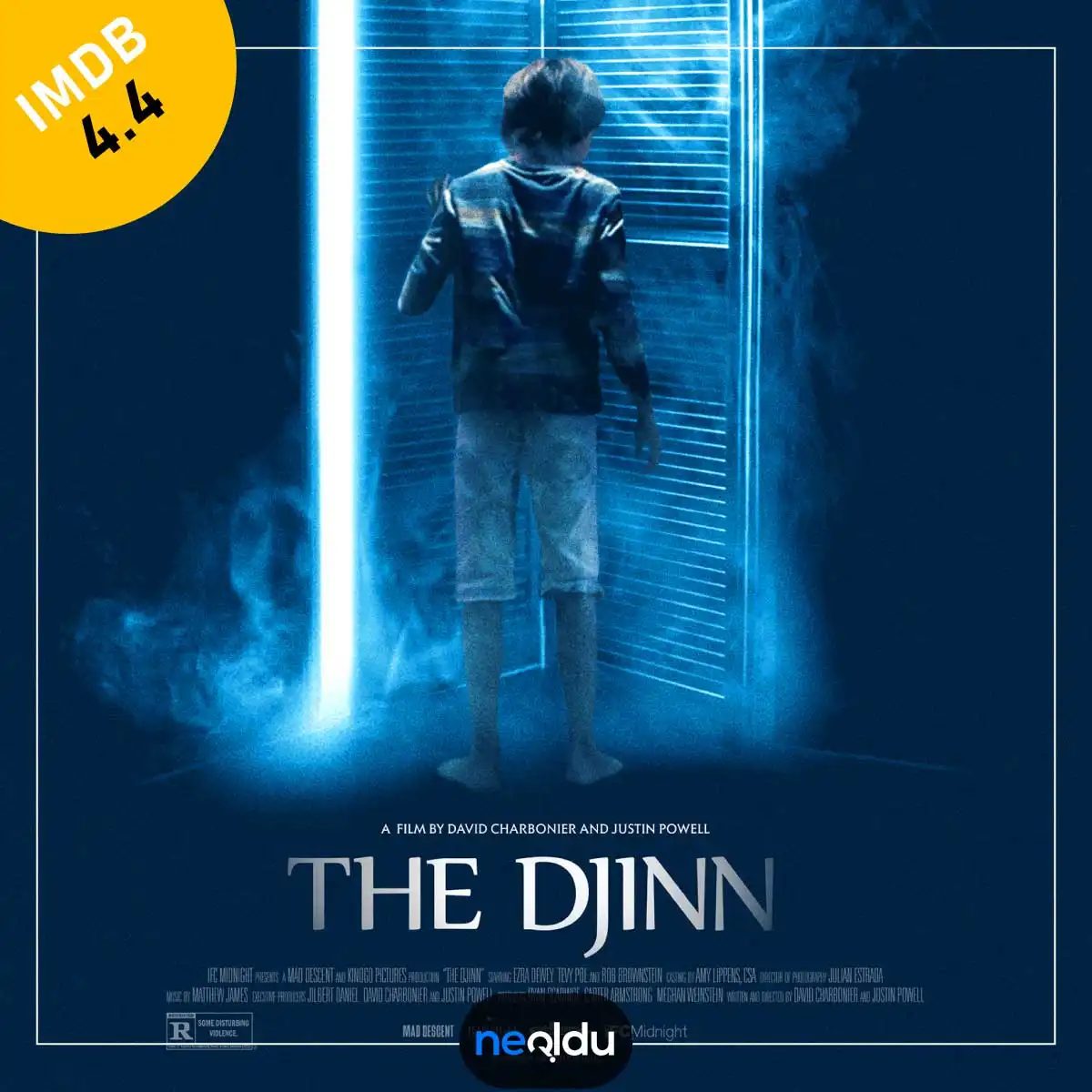
Bir Amerikalı çift, Arap kökenli geçmişiyle birlikte yeni evlerine taşınır. Sadece bir adres değil, bu konut bir lanetin merkezi. Djinn tarafından kutsanmış (veya lanetlenmiş) bu ev, sakinlerini korkunç olayların eşiğine sürükler. Bu sadece bir senaryo değil, Birleşik Arap Emirlikleri’nin korku sinemasındaki ilk büyük atılımı olan bir yapımın özeti.
Tobe Hooper’ın imzasını taşıyan bu film, uluslararası arenada dikkat çekmeyi başardı. Hooper, The Texas Chain Saw Massacre ile tanınan efsanevi isimdir. Onun bu projede yer alması, yapımın kalitesine dair bir güvence olarak algılandı. Peki, bu film neden önemli? Çünkü Körfez bölgesinden çıkan ilk büyük ölçekli korku projesiydi.
Filmin türü açık: Saf korku.
IMDb puanı ise 4,4.
Gösterim tarihi 2013.
Yönetmenlik koltuğunda Ajmal Zaheer Ahmad oturuyor. Bazı kaynaklarda prodüser olarak da geçse de, Hooper’ın prodüser kimliği daha baskın. Oyuncu kadrosu ise dikkat çekici. Ray Park, Serinda Swan ve Dominic Rains başrolde.
Perde: Ayn-ı Cin (2017) – IMDb: 5,7
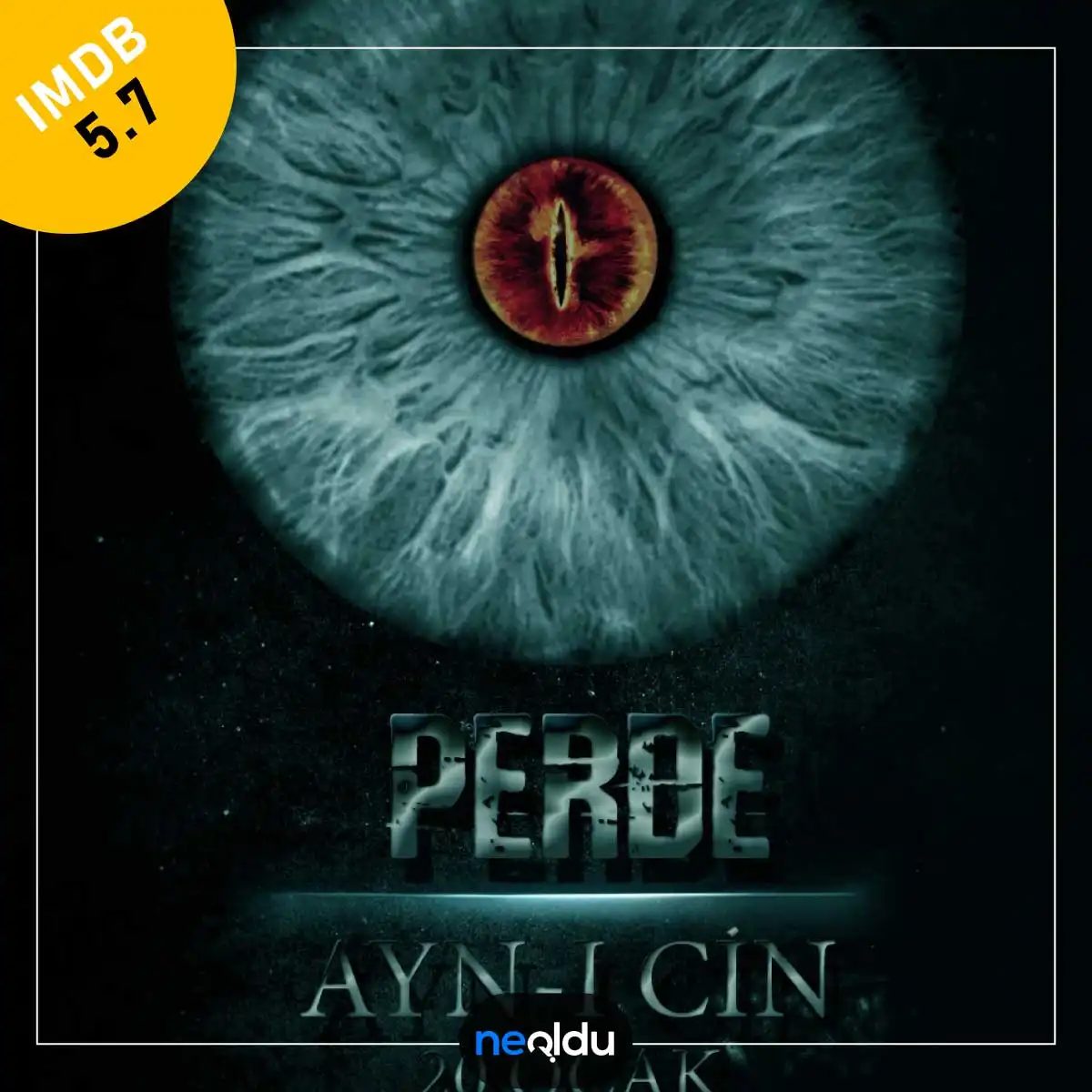
Antalya. Yazılık sahil. Sıcaklık 40 dereceyi bulduğunda, insan zihni de buharlaşmaya başlar. Ya da öyle sanıyoruz. Aslında Ervah Cinleri, tam da bu noktada, yani gerçeklikle hayal arasındaki ince çizginin koptuğu yerde başlıyor.
Okan’ın hikayesiyle ilgili önceki bölümde, Antalya’ya giden bir yazarın göz ameliyatı sonrası garip halüsinasyonlar görmeye başladığını söylemiştik. Peki ya o halüsinasyonlar sadece gözlerin yanılsaması mıydı? Filmin kurgusu, izleyiciyi sürekli iki yöne, yani “belki gerçekten cinler mi var, belki de ameliyatın etkisi mi?” sorusunun etrafında döndürüyor. Bu belirsizlik, korku türünün en eski ve en etkili silahıdır. Merak unsuru da buna eşlik eder.
Neden Ervah Cinleri’ni izlemeli miyiz?
IMDb puanı 5.0. Bu, “izlenmesi zor ama ilginç” veya “ne olduğunu anlamadım ama tuhaf” filmleri için tipik bir bölgedir. Yönetmen Ediz Günay, atmosferi yönetmede ısrarcı. Ancak kurgu bazen o kadar hızlı değişiyor ki, izleyici kendini kaybetmeye başlıyor.
- Tür: Korku, Gerilim
- IMDb: 5.0
- Gösterim Tarihi: 2017
- Yönetmen: Ediz Günay
- Oyuncular: Orkun Özen, Uğur Dönmez, Burcu Ayhan
Orkun Özen, oyunculuğuyla filmin omurgasını taşıyor. Karakterin içsel çöküşü, dış dünyadaki olaylarla örtüşüyor. Uğur Dönmez ise daha az ekranda olsa da, gerilimi artırıcı unsurlardan biri. Burcu Ayhan’ın performansı ise, filmin duygusal derinliğini biraz olsun koruyan tek unsur gibi duruyor.
“Cinler sadece evlerde değil, insanın zihninde de yaşar.”
Sinematik deneyim: Hava durumu ve psikolojik baskı
Antalya’nın o ağır, nemli havası, filmde bir karakter gibi davranıyor. Göz ameliyatı sonrası görme alanı bulanıklaşan Okan, artık gerçekleri de bulanıklaştırıyor. Cinlerin varlığı mı, yoksa ameliyat sonrası kullanılan ilaçların yan etkileri mi? Film, bu soruyu net bir şekilde cevaplamıyor. Bu da onu daha rahatsız edici kılıyor.
İzleyici, neyin gerçek, neyin hayal olduğunu anlamaya çalışırken, kendi korkularıyla yüzleşiyor. Bu tür psikolojik gerilim filmlerinde, en büyük düşman genellikle dışarıdaki varlıklar değil, kişinin kendi aklının oyunlarıdır.
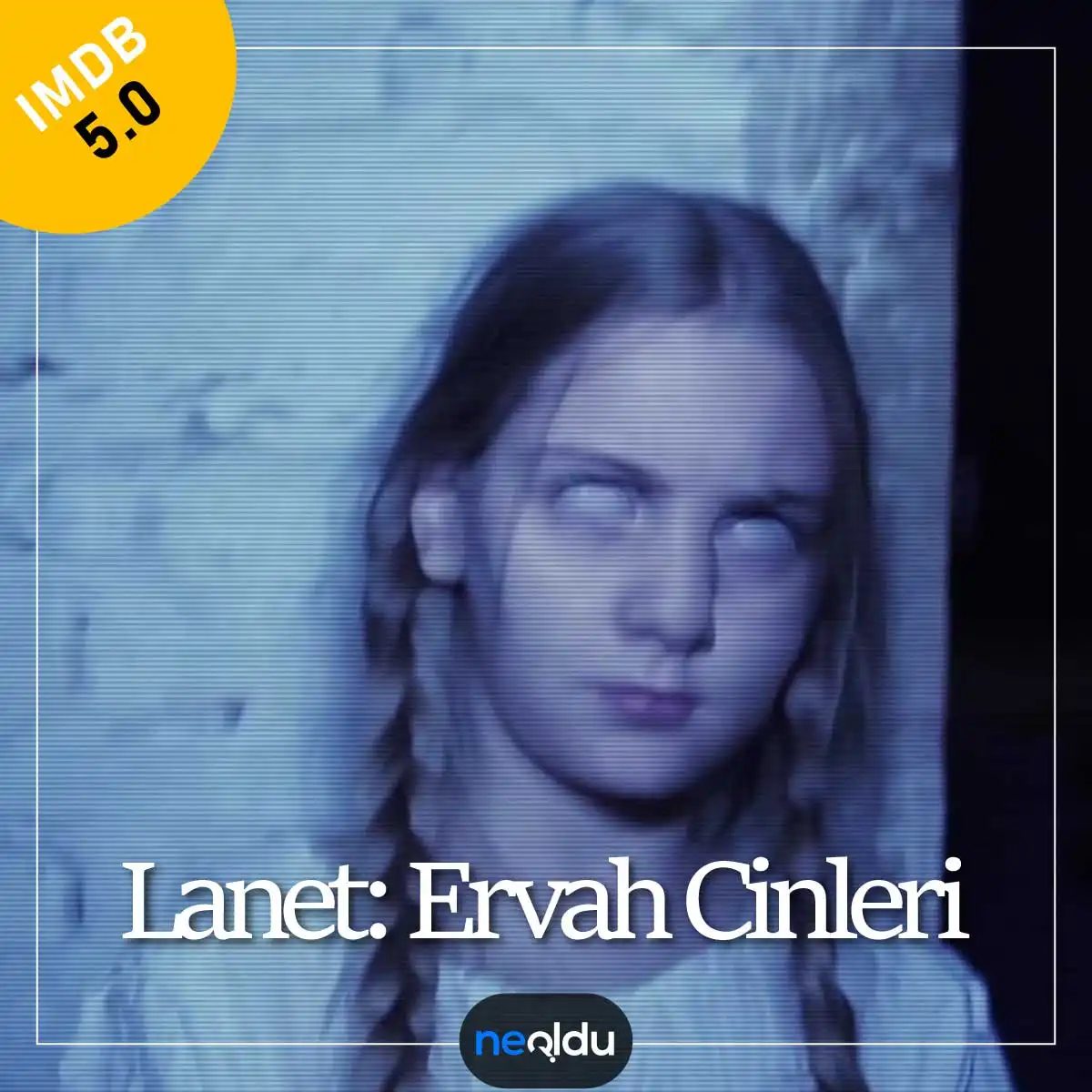
Sinema öğrencisi dört genç, terk edilmiş bir köyde görüntü almak için yola koyulur. Karanlık ve ıssız bir ortamda cinlerin hedefi haline gelirler. İhbar üzerine gelen polisler ise gençlerin kamerasındaki kayıtlarda korkunç gerçekleri izler. “Lanet: Ervah Cinleri” korku atmosferini günden geceye yoğunlaştıran bir yapım.
-
Tür: Korku
-
IMDb: 5,0
-
Gösterim Tarihi: 2017
-
Yönetmen: Teoman Gündüz
-
Oyuncular: Sevcan Sini, Zahid Çetinkaya, Ufuk Özkaya
22. Üç Harfliler: Marid (2010) – IMDb: 3,5
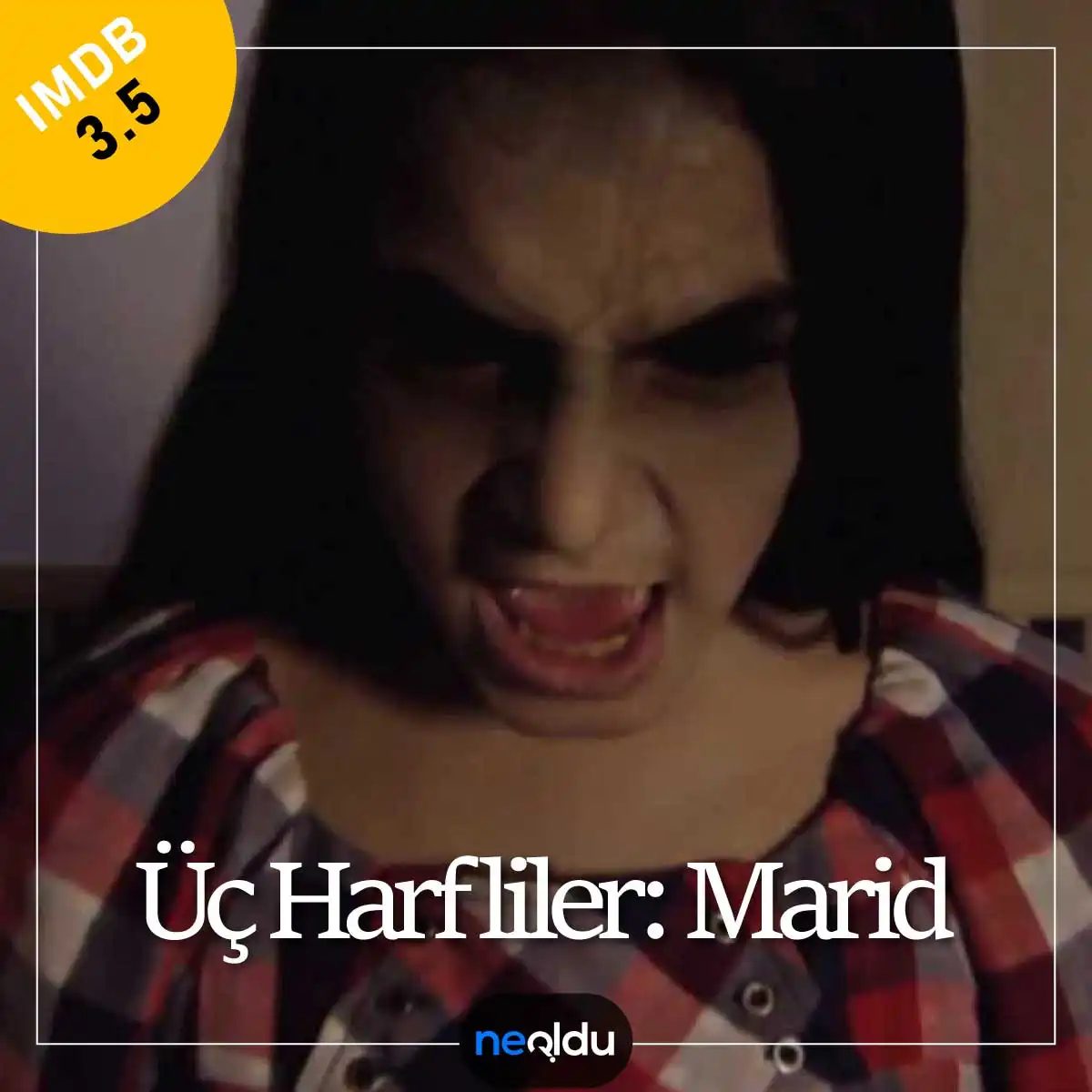
Ayla’nın çocukluk travması bir cin tarafından rahatsız edilmesiyle başlıyor. Yıllar geçiyor ve benzer hayaletler geri dönüyor. Eşi Serkan durumu anlamıyor. Sonra fark eder. Korumak için bir hoca bulur. Ama Ayla için her şey 20 yıl önceki gece gibi devam ediyor. Hayatta kalmaya çalışıyor.
“Üç Harfliler: Marid” gerilimi hiçbir an dinmiyor. Her sahne gerilimi canlı tutuyor.
- Tür: Korku, Gerilim
- IMDb: 3,5
- Gösterim Tarihi: 2010
- Yönetmen: Arkın Aktaç
- Oyuncular: Özgür Özberk, Gülseven Yılmaz, Ufuk Aşar
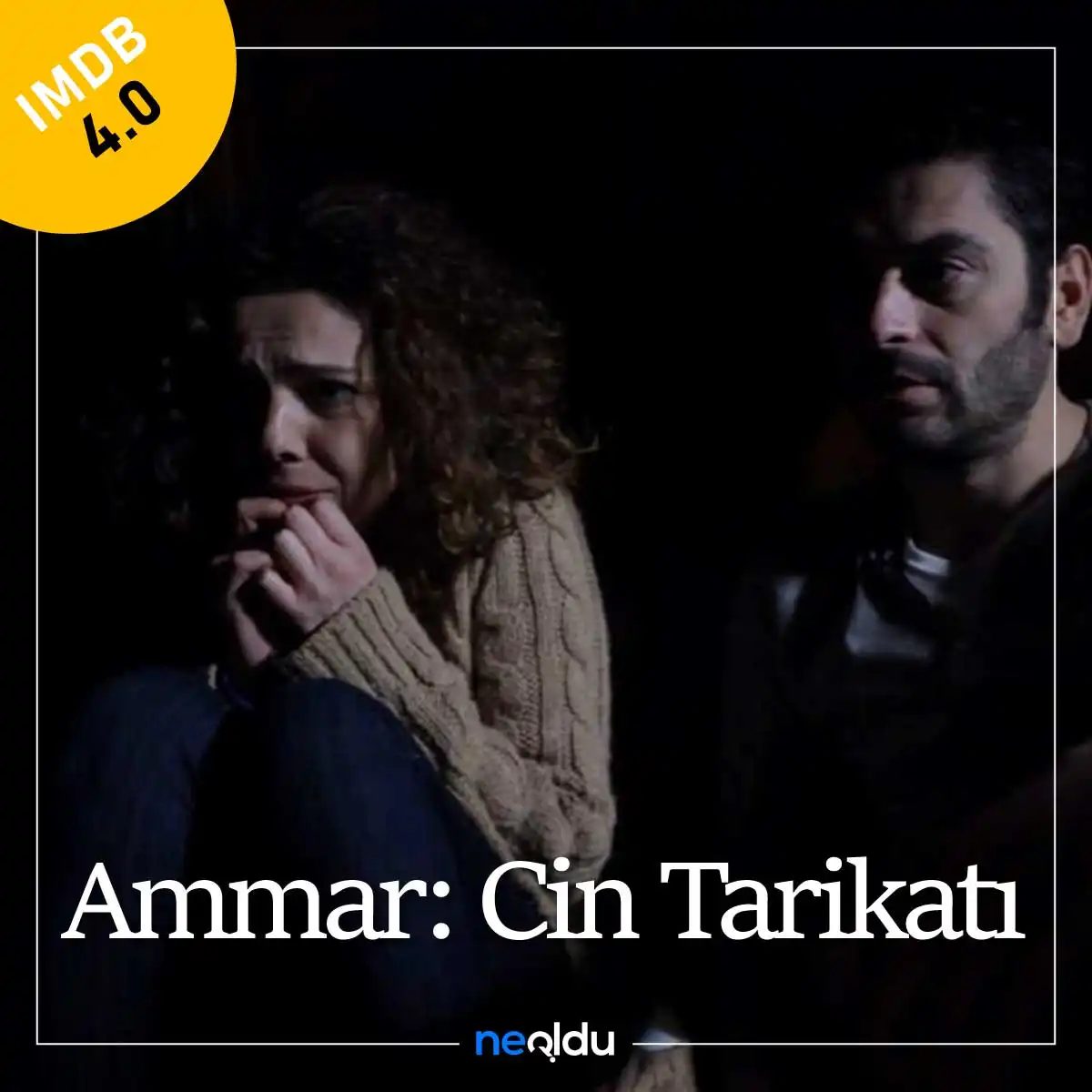
23. Ammar: Cin Tarikatı (2014) – IMDb: 4,0
24. Dabbe: Bir Cin Vakası (2012) – IMDb: 5,8
If you thought Ammar: Cin Tarikatı was intense, rewind to the film that arguably put modern Turkish paranormal horror on the map. Released in 2012, Dabbe: A Possession Case (Dabbe: Cin Vakası ) remains the genre’s benchmark. It wasn’t just a movie. It was a cultural moment that forced audiences to confront the supernatural with a grit we hadn’t seen before.
The director, Özgür Bakar, took a similar approach here as he did with his later franchise entries. He focused on a group of friends whose lives unravel when they inadvertently summon something far darker than a simple ghost story. The tension isn’t just in the scares. It’s in the psychological collapse of the characters. You watch them try to rationalize the irrational until they can’t anymore.
Why It Stands Out
What makes Dabbe different from generic jump-scare flicks is its pseudo-documentary style. It feels real. Uncomfortably so. The performances by Duygu Paracıkoğlu and Eylül Su Sapan anchor the horror in human emotion. When the possession starts, it’s not just visual effects. It’s personal.
The film’s success spawned the Ammar series, but Dabbe retains a raw authenticity. It doesn’t rely on CGI monsters. It relies on shadows. On whispers. On the fear of what might be watching you from the corner of your eye.
Key Details
- Genre : Horror
- IMDb Score : 5.8 (significantly higher than the Ammar sequels, suggesting a stronger hold on audience respect)
- Release Year : 2012
- Director : Özgür Bakar
- Cast : Duygu Paracıkoğlu, Eylül Su Sapan, Dilşah Demir, Ozan Akbaba
While Ammar: Cin İstilası might have had more marketing push, Dabbe earned its reputation through word of mouth. It asked the question: what if the evil spirit isn’t just a movie trope, but a real threat? The answer, delivered with chilling precision, still lingers.
There’s a reason this film is cited when discussing Turkish horror. It wasn’t perfect. The pacing drags in the middle. But the atmosphere? Unmatched. It set the stage for everything that followed in Bakar’s filmography.
If you’re looking for where to start in this niche, Dabbe is the entry point. Not because it’s the best, but because it’s the origin. The rest is just echoes.
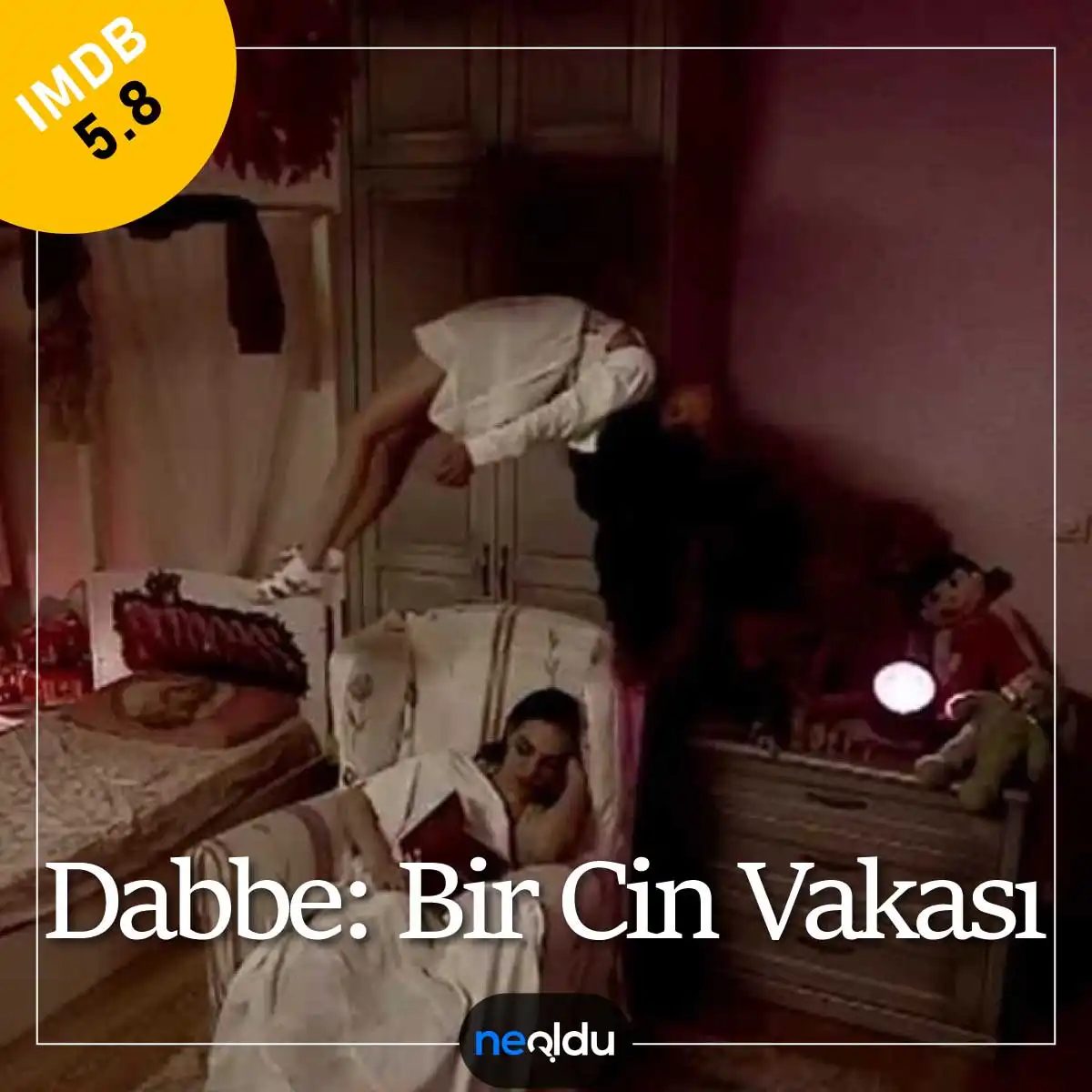
Ankara’nın sessiz sokaklarında yaşayan Ceyda’nın hayatı, eşinin ve kızının başına gelen garip olaylarla altüst oluyor. Cin musallatı olduğu iddiasıyla geçirilen geceler, ailenin psikolojik sınırını zorluyor. Çareyi GATA’daki uzmanlarda arayan çift, doktorların ilk anda “bu sadece bir travma” dedikodularını dinlemek zorunda kalıyor. Ama aile pes etmiyor. Evlerine güvenlik kameraları monte ediyorlar. Kayıtlar izlenmeye başlandığında ise, tıbbi açıklamaların yetmediği, akıl almaz bir gerçek yüzeye çıkıyor.
Bu olay, Dabbe: Bir Cin Vakası serisinin en gerilim dolu bölümlerinden biri haline geliyor.
Film Hakkında Detaylar
Hasan Karacadağ’ın imzasını taşıyan Dabbe: Zehr-i Cin, Türk sinema tarihinin en çok konuşulan yerli korku serilerinin biri. 2014 yılında vizyona giren yapım, önceki bölümlere göre daha karanlık ve derinlikli bir atmosfere sahip.
- Tür: Korku
- IMDb: 6,0
- Gösterim Tarihi: 2014
- Yönetmen: Hasan Karacadağ
Görsel Kanıt ve Gerçeklik Hissi
Filmde Ceyda’nın ailesinin yaşadığı süreç, sadece bir senaryo olarak kalmıyor. Kamera kayıtlarının detaylı şekilde izlenmesi, izleyicide “belki de gerçek olabilir” hissi yaratıyor. Bu da yapımı sıradan bir korku filminden ayıran en büyük özellik.
Oyuncu kadrosu arasında Nihan Aypolat, Koray Kadirağa ve Pervin Bağdat gibi isimler bulunuyor. Karakterlerin tepkileri ve arka plan hikayesi, olaylara olan inançsızlıktan korkuya doğru bir değişim geçiriyor.
“Doktorlar psikolojik diyordu. Ama kamera yalan söylemez.”
Serinin İkinci Sınıfı Olarak Yeri
Zehr-i Cin, serinin diğer üyeleriyle kıyaslandığında daha az bilinen ama hayran kitlesi tarafından sevilmiş bir tarafı. 2012’deki ilk bölümün ardından gelen bu ikinci girişim, Türkiye’deki modern korku sinemasının sınırlarını zorlamaya devam ediyor.
IMDb puanı 6.0’la, beklentileri karşılayan bir yapım olarak tarihe geçiyor. Özellikle yerli korku sevenler için 2014 yapımı Dabbe serisi, göz atılması gereken bir liste.
Geceler hâlâ uzun. Kameralar hâlà kayda devam ediyor. Ceyda’nın hikayesinin nereye varacağını kimse tam olarak bilmiyor. Sadece o kadarını biliyoruz ki, gerçeklik ile haya
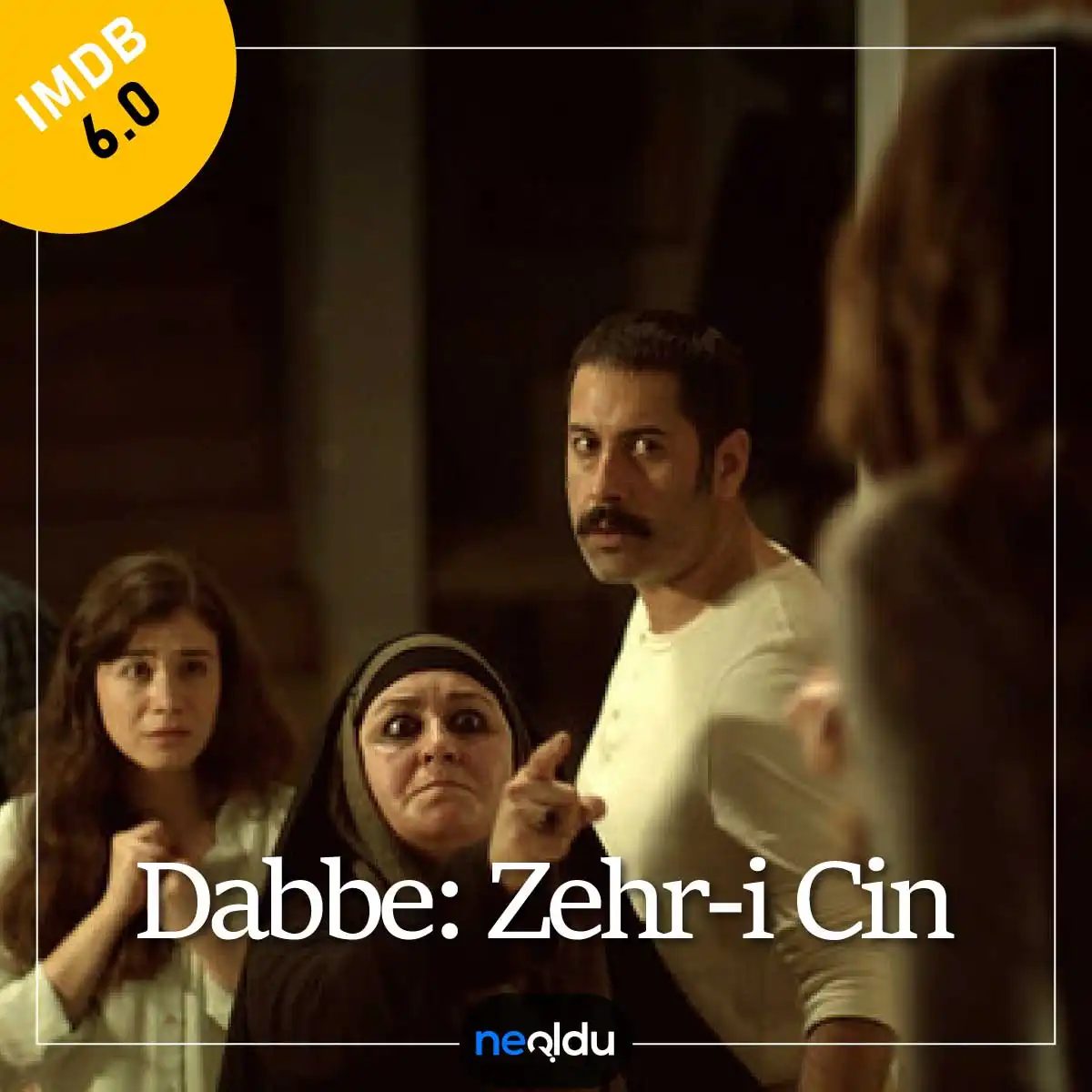
Dabbe’nin ilk filminde Dilek ve Ömer evliliklerinin en tatlı dönemindeydi. Görünürde her şey yolundaydı. Ama gece gelince, Dilek farklı bir dünyaya çekiliyordu. Cin kabusları onu sıkıştırıyordu. Ömer başta bu şakalar, stres, yorgunluk sanmıştı. Korkuyu ciddiye almadı. Sonra, Dilek’in hayatına sızan o varlık işleri karıştırdı. Her şey altüst oldu. Dabbe: Zehr-i Cin serinin alt metninde “zehr” kelimesini kullanarak korkuyu zirveye taşıdı.
Tür: Korku
IMDb: 6.0
Gösterim Tarihi: 2014
Yönetmen: Hasan Karacadağ
Oyuncular: Nil Günal Çakıroğlu, Ümit Bülent Dinçer, Sultan Köroğlu Kılıç
Musallat (2007) – IMDb: 6.1
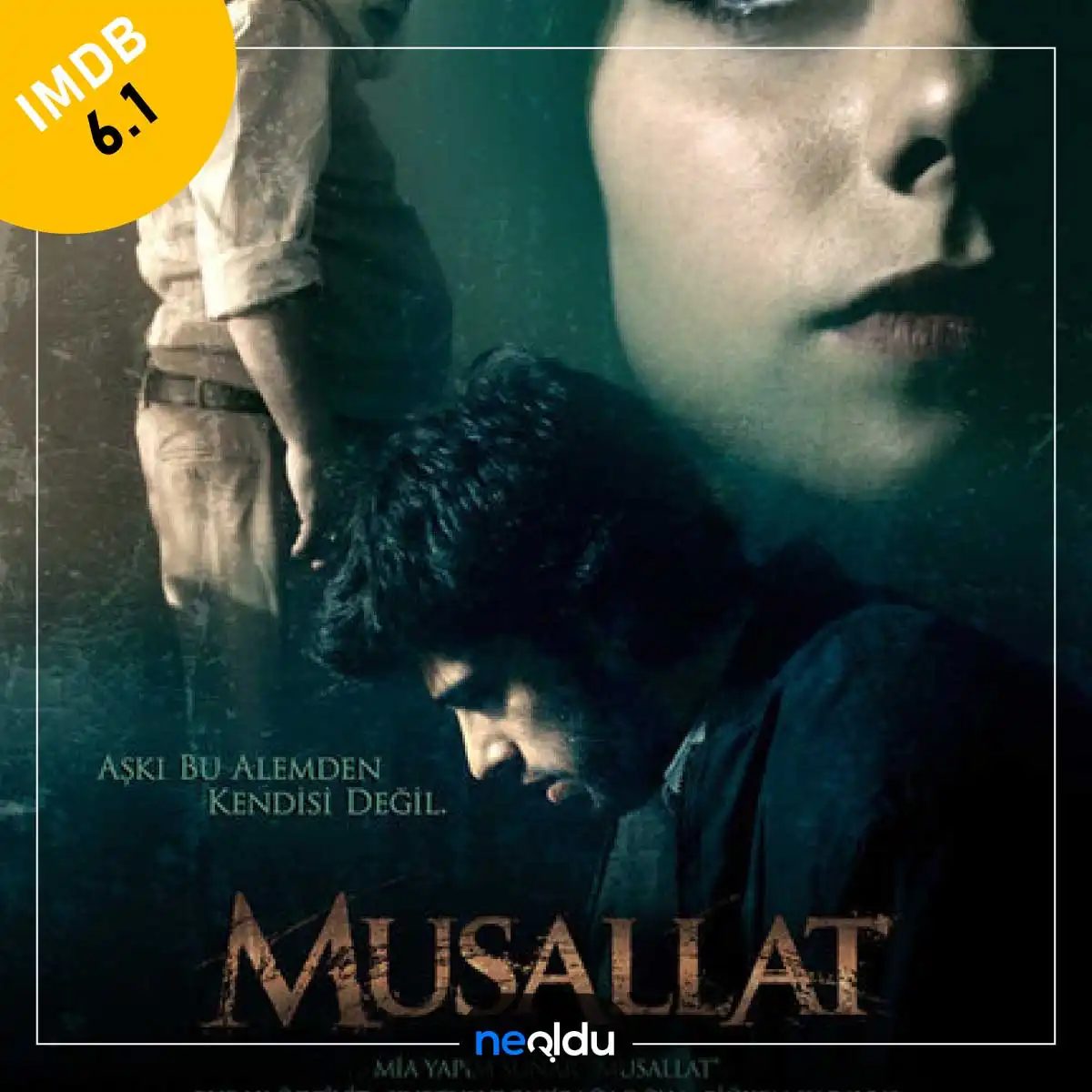
Suat ve Nurcan’ın aşkı, cehennemle evlenmek gibidir. Dikkate alınmaz, önemsizmiş gibi davranılır ama gerçekte cinlerin musallatı yüzünden her şey alt üst olur. Bu sadece bir korku filmi değil. Zoraki bir tesettürün arkasına saklanmış, gerçek bir Alper Mestçi imzalı korku filmleri koleksiyonunda yer alır.
2007 Türkiye korku sinemasında Musallat
Yıl 2007. Sinema salonlarındaki karanlık koridorlar, Türkiye’de yeni yeni yerini alıyor. Bu arada Musallat vizyona girdi. IMDb puanı 6,1. Düşük mü? Belki. Ama hikayeye baktığınızda anlam kazanıyor. Suat ile Nurcan evlenmek üzere. Tüm şehir onları izliyor. Peki cinler neden onları bırakmıyor?
“Aşk ve korku iç içe geçtiği sahnelerle unutulmaz yerli korku filmleri arasında yer alır.”
Bu sorunun cevabı, Alper Mestçi ’nin kamera arkasındaki vizyonunda saklı değil. Aksine, basitlikte. Oyuncular Burak Özçivit ve Kurtuluş Şakirağaoğlu. İkisi de o dönemde henüz kendilerini kanıtlamamış isimler. Ama sahne karşısında duruşları farklı. Özellikle Burak Özçivit. Zamanla yıldızı parçacak ama o günlerde sadece bir çiftçi oğlu, sıradan bir genç.
Cinlerin musallatı nasıl çalışır?
Filmin mantığı basit. Geleneksel inançlar. Cinler insan ruhuna nüfuz eder. Suat ve Nurcan’ın birliği buna engel olmuyor. Aksine tetikliyor. Neden? Çünkü aşk, korkunun en büyük düşmanı sayılır. Ama burada tersine çalışıyor. Aşk, cinlerin hedefini belli ediyor.
Kurtuluş Şakirağaoğlu ’nun karakteri de aynı derecede zorlu. Onun da içsel çatışmaları var. Dışarıdan bakınca sadece iki aşık gibi görünüyorlar. Ama aslında ikisi de birer kurban. Musallat ’ın karanlığı onları yutuyor.
Neden 2007 Türkiye’sinde bu film önemli?
O dönem Türk sineması genellikle aile içi dramalardan, tarihi dizilerden ibaretti. Korku türü neredeyse yoktu. Alper Mestçi, bu boşluğu doldurmaya çalıştı. Başarılı oldu mu? Tam olarak değil. Ama denedi. IMDb puanı 6,1 ile ortalamanın üzerinde. Bu, izleyicinin beklentilerinin karşılandığını gösteriyor.
Filmin setleri. Rengin kullanımı. Özellikle gece sahneleri. Burak Özçivit ’in o yılların gençliği hala hissediliyor. Ama korku unsuru baskın