


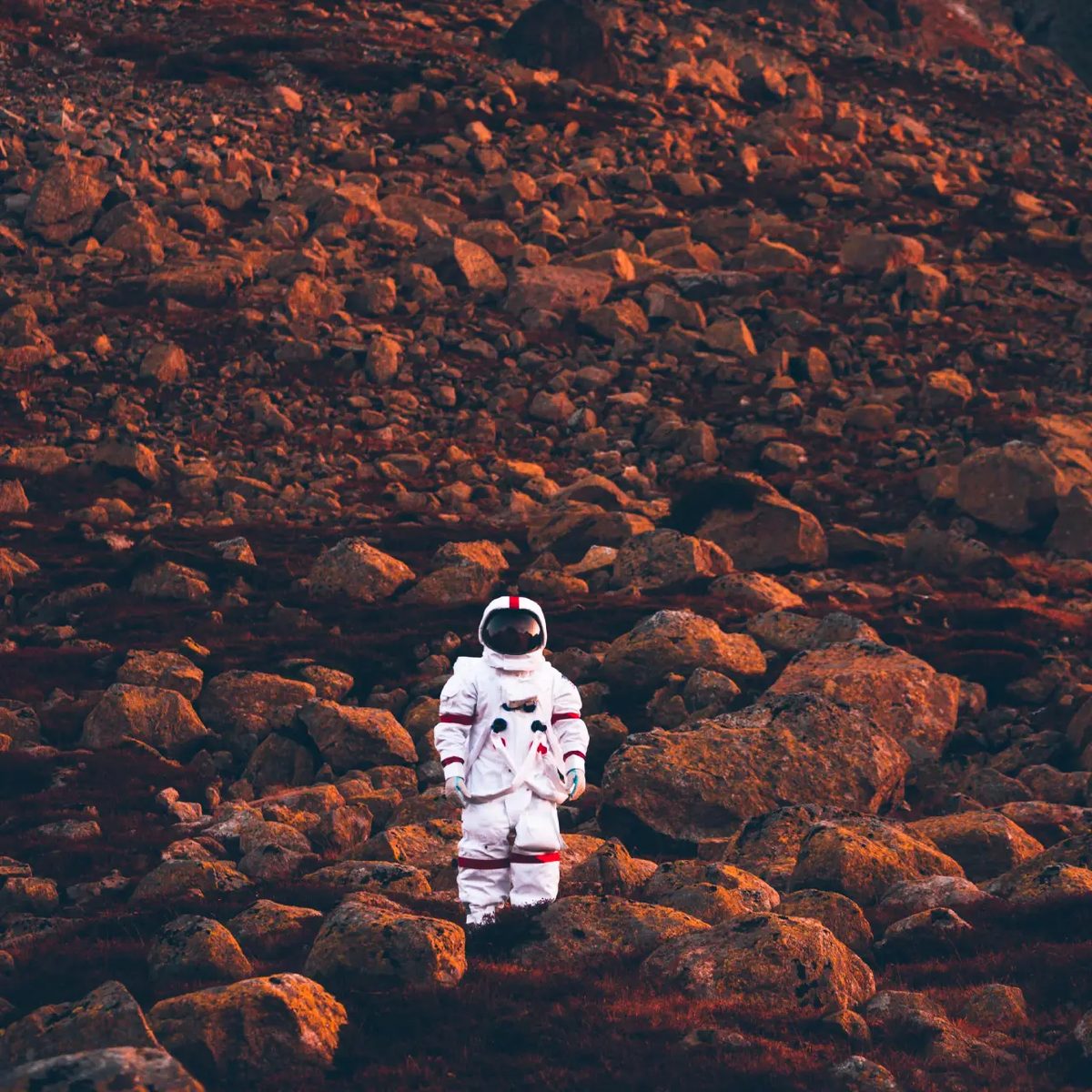
Space tourism isn’t just a buzzword. It’s a rapidly expanding sector where people pay to leave Earth’s atmosphere for fun or personal satisfaction. You go up. You see the planet from a vantage point no human has had since the Cold War. You come down. It is a unique experience. The industry exploded recently because commercial spaceflight moved from government labs to private hands.
The Delayed Dream of Commercial Spaceflight
The idea of paying for a seat in orbit isn’t new. It bubbled up in the 1960s. But the reality took forty years to catch up.
The first commercial flight didn’t happen until 2001. Dennis Tito. That’s the name you need to know. He paid Russian space agency officials for a ride to the International Space Station (ISS). He was the first self-described space tourist. The rest is history, or at least, the start of modern commercial spaceflight.
Since Tito’s trip, the game has changed. Virgin Galactic. Blue Origin. SpaceX. These private companies are now designing programs specifically for civilians. The barrier to entry is shifting. It used to require a PhD in astrophysics. Now it requires a very deep wallet.
Why Now? The Drivers of the Space Tourism Boom
Why are so many people interested in leaving the planet now? It’s not just about having money.
The Hunger for the Ultimate Adventure
Standard vacations are over. You’ve been to Bali. You’ve climbed Everest. Or you’ve at least looked at pictures of them. Space travel offers something nothing else can. It is a perspective shift. You see the thin blue line of atmosphere. You see the void. It appeals to the adventurer in you, not just the tourist.
Technology Catches Up with Ambition
Thirty years ago, this was science fiction. Today, it’s engineering. The development of reusable rockets and safer spacecraft has made commercial flights possible. This tech advancement is lowering the risk. It’s also making access slightly more feasible, though still expensive. The machines are getting better. The rides are getting smoother.
Curiosity About Our Place in the Universe
Humans are naturally curious. We want to know where we fit in the cosmos. Watching a rocket launch or hearing about orbital mechanics feeds that hunger. It’s not just about the thrill. It’s about understanding the universe and our place within it.
“The view from space changes you. It’s a visceral experience that no documentary can replicate.”
This sector is growing because it hits three buttons: adventure, technology, and existential curiosity. The tickets are rare. The experience is real. And we’re only scratching the surface of what this industry will look like in ten years.

Uzay turizmi sadece bir lüks deneyim değil, aynı zamanda ciddi riskler içeren karmaşık bir sektör. Dünyanın dört bir yanından gelen yolcular, roketlerin titreşimi ve vakum ortamıyla yüzleşmek için hazırlıklı olmalı.
Radyasyon maruziyeti en büyük tehditlerden biri. Dünya atmosferinin koruyucu tabakasından çıkıldığında, insan vücudu uzay radyasyonuna daha açık hale gelir. Bu durum uzun vadeli sağlık sorunlarına yol açabilir. Ayrıca, roket arızaları veya basınç kayıpları gibi teknik sorunlar her an gerçekleşebilir. Fizyolojik stres de göz ardı edilemez. Yüksek G kuvvetleri ve mikro yerçekimi, insan bedenini zorlayan koşullardır.
Ancak bu risklere rağmen, sektördeki potansiyel büyük.
Bilimsel ve Ekonomik Katkılar
Uzay turizmi, sıradan bir tatil türünden çok daha fazlasını vaat ediyor. İlk olarak, bilimsel araştırmalara katkı sağlıyor. Turistler, deneyimli astronotların yardımıyla veri toplayabilir veya basit biyolojik testler uygulayabilir. Bu, bilim insanları için ek bir kaynak anlamına gelir.
Ekonomik açıdan bakıldığında, sektör yeni iş imkanları doğuruyor. Mühendislikten lojistiğe, eğitimden konaklamaya kadar geniş bir yelpazede istihdam yaratılıyor. Bu ekonomik büyüme, sadece uzay şirketlerini değil, yerel ekonomileri de canlandırabilir.
Eğitim ve İlham Etkisi
Bir diğer önemli fayda ise eğitim ve ilham unsuru. Uzaydan yapılan görüntüler veya deneyimlenen izolyasyon, dünyaya olan bakışı değiştiriyor. Bu tür deneyimler, genç nesilleri bilim, teknoloji, mühendislik ve matematiğe (STEM) yönlendiriyor. Uzayın zorluğunu yaşayan biri, genellikle bilim ve teknolojiye karşı daha azami bir saygı ve merak geliştiriyor.
Geleceğin Uzay Seyahatleri
Gelecek parlak görünüyor. Teknoloji hızla gelişirken, maliyetler düşüyor. Bu trend devam ederse, uzay seyahatleri kitlelere daha erişilebilir hale gelecek.
Şu anki düşük yörünge uçuşlarının ötesine geçildiğinde, Ay’a ve Mars’a uzay turları gibi senaryolar konuşuluyor. Teknolojik ilerlemeler, bu uzun mesafe seyahatlerini mümkün kılacak. Ancak henüz bu aşamada güvenlik protokolleri ve yaşam destek sistemleri üzerinde daha fazla çalışma gerekiyor.
Uzay Turizmi Nasıl Yapılır?
Süreç, hayal ettiğiniz kadar kolay değil. Her aday, kapsamlı bir filtreleme sürecinden geçmek zorunda. Bu süreç, hem fiziksel hem de zihinsel dayanıklılığı test eder.
Gerekli Eğitim Süreci
Uzay ortamı, insan beynini ve bedenini şok edebilecek koşullar sunar. Bu nedenle, adaylar için temel uzay bilimleri eğitimi şarttır. Uzay aracı prensipleri, yörünge mekaniği ve yaşam destek sistemleri hakkında bilgi sahibi olunması gerekir.
Fiziksel antrenman da vazgeçilmezdir. Roket fırlatmaları sırasında vücut, kendi ağırlığının on katına kadar G kuvvetine maruz kalabilir. Bu baskıya dayanmak için kas ve kemik yapısının güçlü olması gerekir. Ayrıca, mikro yerçekimi ortamında hareket etmeyi öğrenmek de eğitim programının bir parçasıdır.
Acil durum prosedürleri de eğitimin kritik bir bölümüdür. Dünyadan farklı olarak, uzayda bir sorun çıktığında müdahale süresi sınırlıdır. Turistlerin panik yapmadan, acil durum protokollerini uygulayabilecek şekilde eğitilmesi hayati önem taşır.
Sağlık Koşulları ve Taramalar
Sağlık taramaları, en

The Reality of Commercial Spacecraft Design
Forget the pressurized cabins and reclining seats of major airlines. Vehicles built for space tourism operate under entirely different rules. They are engineered to survive the harsh, unforgiving vacuum of space, not just the turbulence of a flight from New York to London. The engineering challenges are immense, requiring materials and structures that can withstand extreme thermal shifts and radiation without failing.
Which Rocket Will You Fly On?
Three main players dominate the current landscape, each with a distinct approach to space tourism technology.
Virgin Galactic’s SpaceShipTwo is designed as a hybrid. It carries six passengers and two pilots. The vehicle is carried aloft by a carrier aircraft before being released. Then, a rocket engine ignites, pushing it beyond the atmosphere. The return journey is a glider’s descent, landing on a runway like a conventional plane. It’s an experience of aerodynamic control.
Blue Origin’s New Shepard takes a vertical approach. This rocket-launcher system lifts six passengers straight up. It offers a brief window into micro-gravity before the capsule separates and parachutes back to Earth. The flight is short. The view is intense. The recovery is gentle.
Then there is SpaceX’s Starship. This is not a short-hop sightseeing trip. It is built to carry over 100 people. The ambition here is global and planetary. Starship aims to facilitate tours to the Moon and eventually Mars. It represents a shift from suborbital hops to interplanetary logistics.
What Happens When You Leave the Ground
Your experience depends heavily on the vehicle and the duration of the flight. But certain phenomena are universal for those who make it out.
Weightlessness is the first shock. Without the constant pull of gravity, your body floats. It is disorienting. Your inner ear struggles to find “down.” You drift. Simple tasks become complex gymnastics.
The view is often described as the only thing that matters. Looking back at Earth, you see a fragile blue marble suspended in blackness. The atmosphere is a thin, glowing line. There are no borders. Just land, water, and clouds. It changes how you process the planet below.
Scientific participation is also possible. Some tourists aren’t just passengers; they are junior researchers. They conduct experiments. They monitor biological responses to space. They help scientists gather data that ground-based labs cannot provide.
“The view from space is not just a sightseeing attraction; it is a perspective shift that redefines your relationship with Earth.”
The technology is advancing rapidly. But the human element remains unpredictable. Adaptation takes time. Fear can set in. Awe can overpower logic. The machines are robust. The humans inside them are not.
Space tourism is no longer a sci-fi concept. It is a rapidly maturing industry offering vastly different experiences depending on how much time and money you are willing to spend. The landscape is shifting. We have moved past the era of pure curiosity and into an age of distinct categories.
There are three main ways to leave Earth. Each comes with different physical demands, price tags, and durations. Understanding these differences matters. It helps you figure out what you actually want from a trip beyond the atmosphere. Is it a quick thrill? A week of scientific contribution? Or a multi-year journey to another planet?
Suborbital Flights: The Quick Dip
Suborbital flights are the entry point. They are designed for people who want to taste space without committing to months of training or a nine-figure budget.
The experience is brief. You spend roughly ten to fifteen minutes in microgravity. That is it. The rocket climbs to the edge of space, hovers in that weightless state for a few minutes, and then descends back to Earth. You do not circle the planet. You just dip in and out.
This makes it the most affordable option. It is cheaper than orbital flights because the engines do not need enough power to sustain a full orbit around the globe. The vehicle simply reaches the suborbital trajectory and returns.
Virgin Galactic and Blue Origin lead this space. Their vehicles are designed for this specific arc. You get a view of the curvature of the Earth. You feel the float of zero-G. Then you are done. It is a thrill ride with a view.
Orbital Flights: Staying in the Loop
Orbital travel is where things get serious. You are not just dipping in. You are staying put.
The primary destination here is the International Space Station (ISS). Travelers spend days or even weeks in orbit. This is not a quick peek. It is an immersive experience. You live in microgravity for an extended period. You participate in experiments. You see thousands of sunrises and sunsets.
This requires a spacecraft that can achieve and maintain orbit. The rocket must accelerate enough to counteract Earth’s gravity continuously. This takes more fuel, more engineering, and significantly more money.
SpaceX, often in partnership with Axiom Space, facilitates these trips. Roscosmos has historically been a major player in getting humans to the ISS as well. The key difference here is duration. You are not rushing back to the atmosphere. You are living in space.
Deep Space and Beyond: The Future Frontier
This category is theoretical for most of us right now. It involves traveling to the Moon, Mars, or establishing long-term habitats.
These are not day trips. They are long-term commitments. The costs are astronomical—literally. The training requirements are intense. The technology needed to support humans for months or years in deep space is still being refined.
SpaceX and Blue Origin are investing heavily here. Their goal is not just tourism. It is colonization. It is survival.
The journey to the Moon or Mars is not a simple hop. It requires advanced propulsion systems. It requires life support systems that can last for months. It requires radiation shielding. It requires psychological preparation for isolation.
This is the future of space tourism. But it is a
Orbital and Suborbital Flight Costs
Suborbital flights, those brief dips into space courtesy of Virgin Galactic and Blue Origin, sit in the $200,000 to $500,000 range. It’s a price tag that feels steep until you consider the alternative. Compare that to orbital missions. Those cost between $55 million and $75 million. SpaceX and Roscosmos handle the heavy lifting for International Space Station (ISS) trips. The jump in price reflects the sheer energy required to stay up there. You aren’t just touching the edge of space. You are orbiting it.
Beyond the Moon: The Wildcard Pricing
What does it cost to go to the moon or deeper into the solar system? Nobody knows for sure yet. Estimates hover between $100 million and $1 billion. SpaceX and Blue Origin are already positioning themselves as the leaders in this arena. The uncertainty comes from the lack of established infrastructure. There are no gas stations in space. There are no hotels at Lagrange points. Every bolt, every fuel canister, every second of life support has to be designed from scratch.
Factors That Drive the Price Tag
Why does the cost fluctuate so wildly? It isn’t just about the rocket. Several variables interact in complex ways.
Flight duration matters. The longer you stay in space, the more life support you need. More water. More oxygen. More waste management. Those extras add up fast.
The type of flight dictates complexity. Suborbital flights are cheaper because they don’t need to achieve escape velocity. Orbital flights require massive amounts of fuel to overcome Earth’s gravity completely.
The spacecraft itself. Different vehicles have different operating costs. A reused rocket changes the math significantly compared to a disposable one.
Training and preparation. You can’t just buy a ticket and hop in. Astronauts undergo rigorous training. That preparation isn’t free. It’s built into the final bill.
Why This Matters Now
The gap between suborbital and orbital travel is stark. It highlights a fundamental truth of space exploration. Staying in space is exponentially harder than just visiting it. As costs evolve, we might see a tiered system emerge. Some people will buy a 15-minute experience. Others will spend millions for weeks in orbit. The infrastructure for deeper space travel remains theoretical. But the pricing models are already being debated. This isn’t just about luxury. It’s about accessibility. If only billionaires can afford the trip, space remains exclusive. If costs drop, it becomes a frontier for more than just the ultra-rich. The numbers suggest we are still in the early stages. The prices will likely fall. They always do with new technology. But the timeline is unknown. And that uncertainty is what keeps the industry on its toes.
“The jump in price reflects the sheer energy required to stay up there. You aren’t just touching the edge of space. You are orbiting it.”
The Human Element
Behind every dollar figure is human effort. The training alone takes years. It’s not just physical endurance. It’s mental resilience. You need people who can handle isolation. Who can solve problems when there’s no one else to ask. That human capital is expensive. It’s irreplaceable. So when you


Uzayın boşluk olmadığını herkes bilir. Ama gerçeği, o vakumun içinde nefes alıp, süzülen bir su topuna dokunan kişilerden dinlemek başka bir şey. Son altı makalemizde evrenin ölçülerinden yıldızların doğuşuna kadar sayıları karıştırdık. Şimdi sıra, o soğuk, sessiz ortamda geçen insani detaylarda. Bilim kurgu filmlerindeki dramatik müzikler yok burada. Sadece metalin soğuması, transpirasyonun tuzlanması ve milyarlarca dolarlık teknolojinin aniden sustuğu o anlar.
Sıvıların Uzaydaki Dönüşümü
Yerçekimi olmadığında sıvılar zeminde birikmez. Küresel bir top haline gelir. Astronotlar bunu ilk başta şaşırcı bulur. Sonra korkar. Çünkü bu küreler her yere yayılır.
Hijyen kuralları uzayda bütünü değiştirir. Su harcamak lüks değildir. Geri kazanmak zorundasın. Nefes aldığın nem, terin, hatta idrarın. Bunu duyduğunda ilk tepkin “bu mümkün mü?” olacaktır. Evet. Uluslararası Uzay İstasyyonu’ndaki su arıtma sistemi, Dünya’daki en gelişmiş araca sahiptir. Amaç sadece hayatta kalmak değil, ağırlığı azaltmaktır. Su taşımanın maliyeti yüksektir. Her damla hesaplanır.
“Uzayda su bir top gibidir. Dokunmak istersin ama tutamazsın.”
Yemek ve Mutfak Gerçekleri
Yemekler dondurularak kurutulur. Bu sadece bir teknik değil, bir ihtiyaçtır. Ağırlık sorunu, kaliteyi düşürmez. Aksine, tatların daha keskin hissedilmesini sağlar. Neden? Çünkü soğuk havada burun delikleri tıkanır. Tat alma duyumu azalır. Astronotlar daha baharatlı, daha acılı yemekler tercih eder.
Mutfak tezgahı mı? Yok. Duvarlar. Velcro bantlar. Tabaklar mıknatıslıdır. Yemeğin havaya saçılması felakettir. Çiziklere girer. Makineleri bozar. Yutkunmak bile zorlaşır. Gaz yutmak tehlikelidir. Mide şişer. Bu basit fizik kuralı, yemeğin tadını değiştirir.
Vücut Değişimleri ve Sağlık
Uzaya çıktığında boyun uzar. Omurga diskleri şişer. Yerçekimi omurgayı ezmez. Bu iyi haber gibi gelir. Ama sonra sırt ağrısı başlar. Çünkü kaslar bu yeni duruşa adapte olamaz.
Gözler de değişir. Bazı astronotlarda basınç artışı görülür. Görme sorunları. Bu durum, uzun süreli görevlerde ciddi bir endişe


