


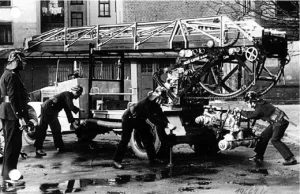
The fire department is older than most people think, but pinning down an exact start date is messy. Fire itself has been around since the beginning of human civilization. We learned to use it for warmth and cooking, but mastering it? That’s another story. We still struggle to contain it today, as recent wildfires remind us. But even before we could control flames, we tried to fight them back.
What defines a modern fire department?
So, when does a group of people become a “fire department”? It’s not just about having buckets and ladders. The late Middle Ages saw organized fire-fighting efforts. These groups operated on a cooperative basis, which looks different from the rigid, state-run structures we recognize now.
To call an organization a true fire department, specific historical criteria must be met. It isn’t just about extinguishing fires. It requires a certain level of institutionalization and public mandate. The shift from voluntary, neighborly aid to structured, professional response marks the real beginning of the modern fire service.

Defining the Fire Service Beyond Recruitment
People often think a fire service is just about the people. That is a mistake. It is a system. Specifically, it is an equipment, training, and command system working together. The goal is one thing only: immediate readiness for deployment.
The method of staffing matters less than most think. How you get your firefighters is secondary. It only determines the status at the time of founding. That distinction creates the three classic types: volunteer, professional, or mandatory service.
“A fire service is characterized by orderly, calm, practiced activity that engages everywhere at the right place.”
This comes from the 1996 issue of the Deutsche Feuerwehrzeitung. The quote highlights a specific operational rhythm. It is not chaotic bravery. It is disciplined execution. The equipment is there. The training is drilled. The command structure knows where to send who.
Why the “Type” of Firefighter Doesn’t Change the Job
Does it matter if a firefighter volunteers every Saturday or works a paid shift? For the job itself, no. The core function remains identical. Both groups face the same structural requirements. They need the same gear. They follow the same protocols. They must arrive at the right spot, doing the right thing, without panic.
The classification – volunteer, professional, or compulsory – is a label. It sticks to the organization’s birth certificate. It does not change how the system operates once it is running.
Operational Discipline Over Personnel Status
Consider the mechanics. A mandatory fire service might recruit through law. A professional fire department hires through contracts. A volunteer fire brigade relies on community commitment. These are different onboarding paths. But once the alarm sounds, the difference vanishes.
The system must be:
– Orderly
– Calm
– Practiced
If any of those break, the service fails. It does not matter if the person holding the hose is paid or unpaid. What matters is that the hose is held correctly, at the right angle, in the right location.
This framework shifts the focus away from the individual. It places weight on the infrastructure. The “fire service” is not the people. It is the machine that uses them. That machine needs to be ready for immediate use. The status of the crew is just the starting line. The race is the deployment.


