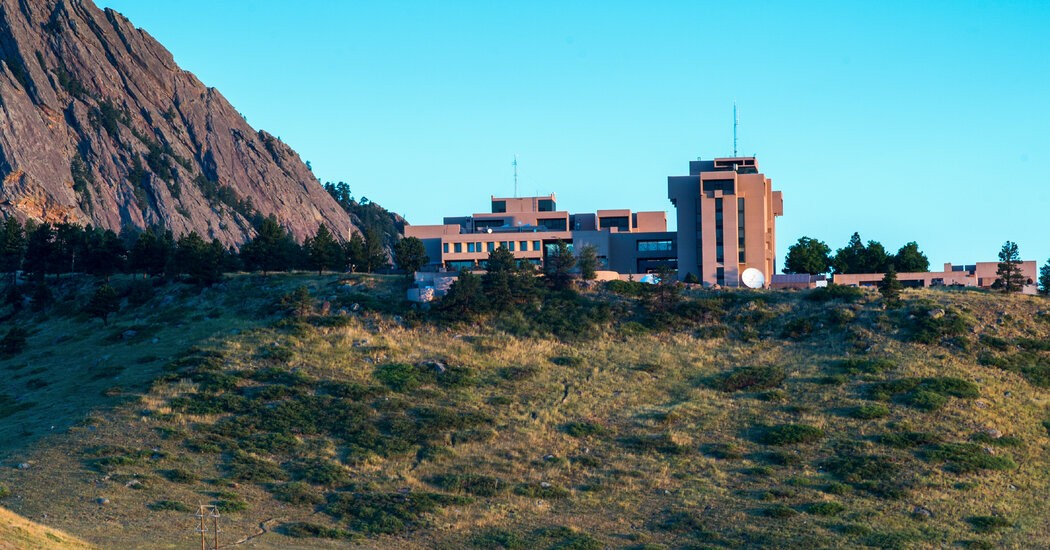
The Trump administration is moving forward with plans to dismantle the National Center for Atmospheric Research (NCAR), a federally funded laboratory considered a global leader in climate and weather science. The proposals include breaking up the institution, shifting its operations to private entities and universities, liquidating its aircraft fleet, and selling its Boulder, Colorado, facilities.
Political Origins and Justification
The move comes after months of scrutiny from the White House. Russell Vought, the administration’s budget director, publicly labeled NCAR “one of the largest sources of climate alarmism in the country” in a December social media post. This reflects a broader pattern of targeting scientific institutions perceived as supporting climate change research. The administration has consistently downplayed or dismissed climate science, and this action aligns with that agenda.
The Center’s Role and Significance
Founded in 1960, NCAR has played a pivotal role in major advancements in weather and climate understanding. Its research aircraft, complex computer models, and high-performance supercomputers are essential tools for forecasting extreme weather, predicting natural disasters, and analyzing long-term climate trends. The center’s work directly supports emergency preparedness, urban planning, and scientific understanding of critical Earth systems.
Potential Consequences
Scientists warn that dismantling NCAR would severely weaken critical research capabilities. Critics argue it would leave emergency officials less prepared for extreme weather events, hamper long-term climate modeling, and potentially undermine national security. The center currently employs approximately 830 people under the University Corporation for Atmospheric Research, a consortium managing the lab on behalf of the federal government. Its Cheyenne, Wyoming supercomputer, “Derecho,” is key for predicting wildfires, hurricanes, and other complex patterns.
Broader Implications
The decision to dismantle NCAR raises questions about the future of federal funding for climate science. This move could set a precedent for further cuts or restructuring of other research institutions, potentially hindering the U.S.’s ability to respond effectively to climate change and related environmental challenges. The administration’s actions signal a clear shift away from supporting long-term scientific inquiry in favor of short-term political goals.
The dismantling of NCAR represents a deliberate effort to weaken climate research, with potentially severe consequences for both scientific understanding and disaster preparedness.