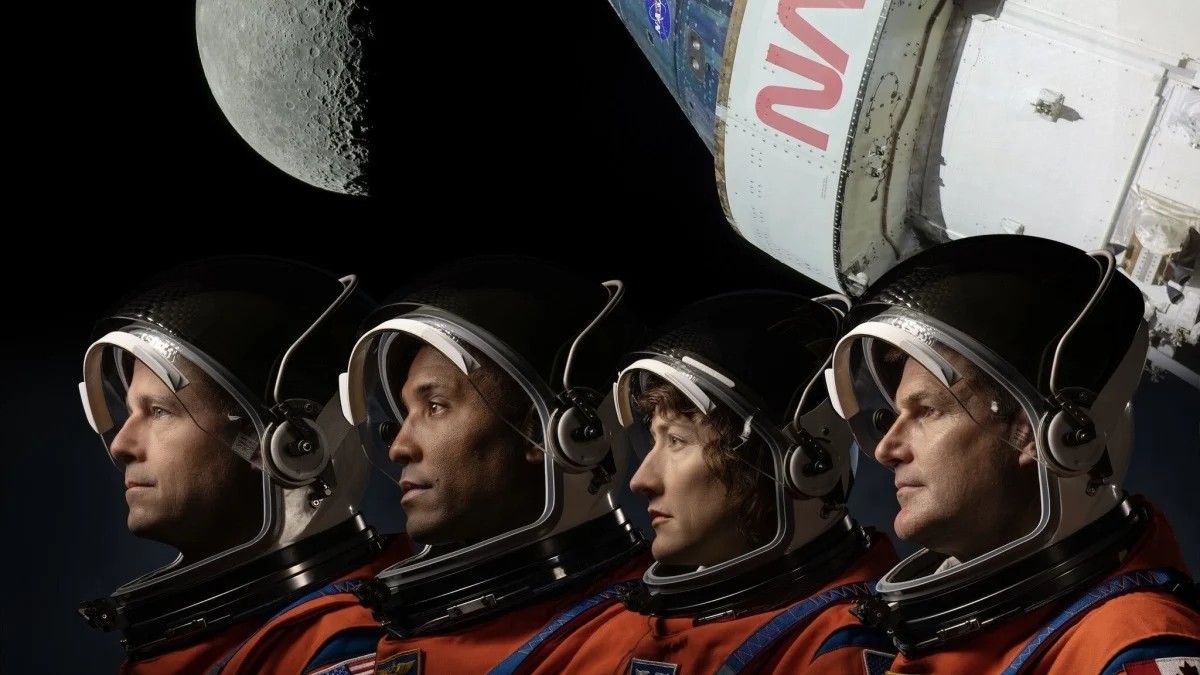
NASA’s highly anticipated Artemis II mission is nearing its launch phase, though an exact date remains unconfirmed. The mission, the first crewed flight in the Artemis program, will send astronauts on a 10-day journey around the Moon to test critical systems for future lunar landings and deep-space exploration.
Mission Overview
The Artemis II crew – Commander Reid Wiseman, pilot Victor Glover, Christina Koch, and Jeremy Hansen – are currently in quarantine in Houston, preparing for the launch. Unlike previous Apollo missions, Artemis II will not land on the Moon. Instead, the crew will perform a high-speed flyby, pushing the Orion spacecraft and its life support systems to their limits in deep space. This flight is designed to validate the hardware before NASA attempts to land humans on the lunar surface with Artemis III.
Why this matters: Artemis II is not just another spaceflight. It’s a vital step toward establishing a sustained human presence beyond Earth. The data gathered will directly inform the design and operation of future missions, including the eventual push toward Mars. Failure to validate these systems now could delay or jeopardize those long-term goals.
Launch Windows and Wet Dress Rehearsal
NASA has not yet announced a firm launch date, prioritizing safety and technical readiness over strict scheduling. Engineers are preparing for a crucial “wet dress rehearsal” – a full fueling and countdown simulation – scheduled as early as January 31st. If this test proceeds smoothly, February launch opportunities remain possible.
Key launch windows:
- February 6-8
- February 10-11
- March 6-9 and March 11
- April 1, April 3-6, and April 30
These windows represent periods when Earth’s rotation, lunar positioning, and other mission constraints align for a successful launch. If delays occur, NASA has identified additional, albeit shorter, launch windows throughout the following months.
How to Watch the Launch
NASA will broadcast all major Artemis II events, including the wet dress rehearsal and the launch itself, across multiple platforms:
- NASA’s YouTube channel
- NASA+ (the agency’s free streaming service)
- NASA’s Facebook page
- NASA’s X (formerly Twitter) profile
Third-party streaming services may also carry the broadcast as the launch date nears. A livestream of the rocket on Launchpad 39B at Kennedy Space Center is already available, allowing viewers to monitor the vehicle’s progress.
“We will fly when we’re ready,” NASA leaders emphasize, underscoring their commitment to a successful mission over a rushed timeline.
The Artemis II mission represents a pivotal moment in space exploration. By rigorously testing the Orion spacecraft and its systems, NASA is laying the groundwork for a sustainable human presence on the Moon and beyond. The upcoming weeks will determine whether the launch occurs in February or is delayed to later months, but the ultimate goal remains clear: to push the boundaries of human spaceflight and prepare for the next giant leap.