For the first time globally, lion DNA has secured convictions against poachers, marking a significant advancement in wildlife law enforcement. The breakthrough, recently revealed by wildlife crime experts, utilized Zimbabwe’s national lion DNA database to definitively link recovered body parts to a specific, previously tracked animal.
The Case: From Collar to Courtroom
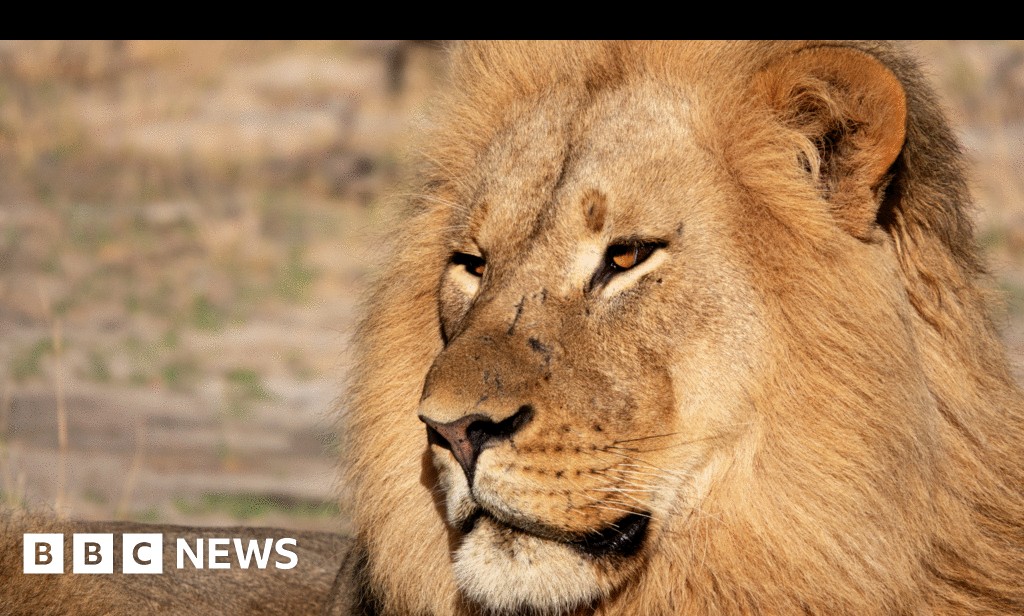
In May 2024, authorities in Hwange National Park raised concerns when a radio collar on a male lion stopped transmitting. Subsequent investigation led teams to a snare with lion fur nearby and, ultimately, two suspects in a local village. The suspects possessed three sacks of meat, 16 claws, and four teeth — all tested against the lion DNA database.
The forensic analysis confirmed a perfect match between the recovered remains and a blood sample taken from the collared lion before its disappearance. This eliminated ambiguity; merely having lion parts is not illegal in Zimbabwe, but proving that a specific, tracked animal was killed is.
DNA Profiling: A Game Changer
This case hinged on a breakthrough in DNA profiling. Previously, only species identification was possible. Now, labs can identify individual animals with certainty. The Victoria Falls Wildlife Trust (VFWT), funded by the People’s Postcode Lottery (approximately $320,000 over eight years), built and maintains the crucial database.
“Before this technology, we could only confirm what species. Now, we can identify which animal.” — Anonymous VFWT Scientist
The DNA evidence was presented in court within ten days of the lion’s death, leading to guilty pleas and 24-month prison sentences for both poachers. The court valued the lion at roughly $20,000.
Why This Matters: Trends and Implications
The prosecution sends a clear warning to poachers, but the underlying problem is growing. Organized criminal gangs involved in rhino horn and ivory trafficking are now expanding into lion body parts, driven by demand from both African cultural markets and traditional Chinese medicine.
The increased sophistication of wildlife crime requires equally advanced law enforcement tools. The success of this case demonstrates that forensic science, when combined with training and research, can deliver solid, court-admissible evidence. Traffic’s Executive Director, Richard Scobey, notes that “countries now have the forensic capability to bring solid, science-based evidence to court.”
This breakthrough is expected to have a global impact, encouraging similar DNA-based prosecutions in other regions facing wildlife poaching crises. The message is clear: poachers can no longer operate with impunity, as their actions can now be traced with scientific precision.