The Moon’s appearance changes night by night, cycling through eight distinct phases over roughly 29.5 days. These shifts happen because the Sun illuminates different portions of the Moon as it orbits Earth. Understanding these phases isn’t just about astronomy; it’s a fundamental aspect of how we perceive time and celestial cycles.
Current Moon Phase: Waning Gibbous
As of Saturday, March 7, 2026, the Moon is in its Waning Gibbous phase. NASA’s Daily Moon Guide indicates that approximately 85% of the Moon will be visible tonight. This means you’ll see a nearly full Moon, but with a slightly darkening edge.
What You Can See Tonight
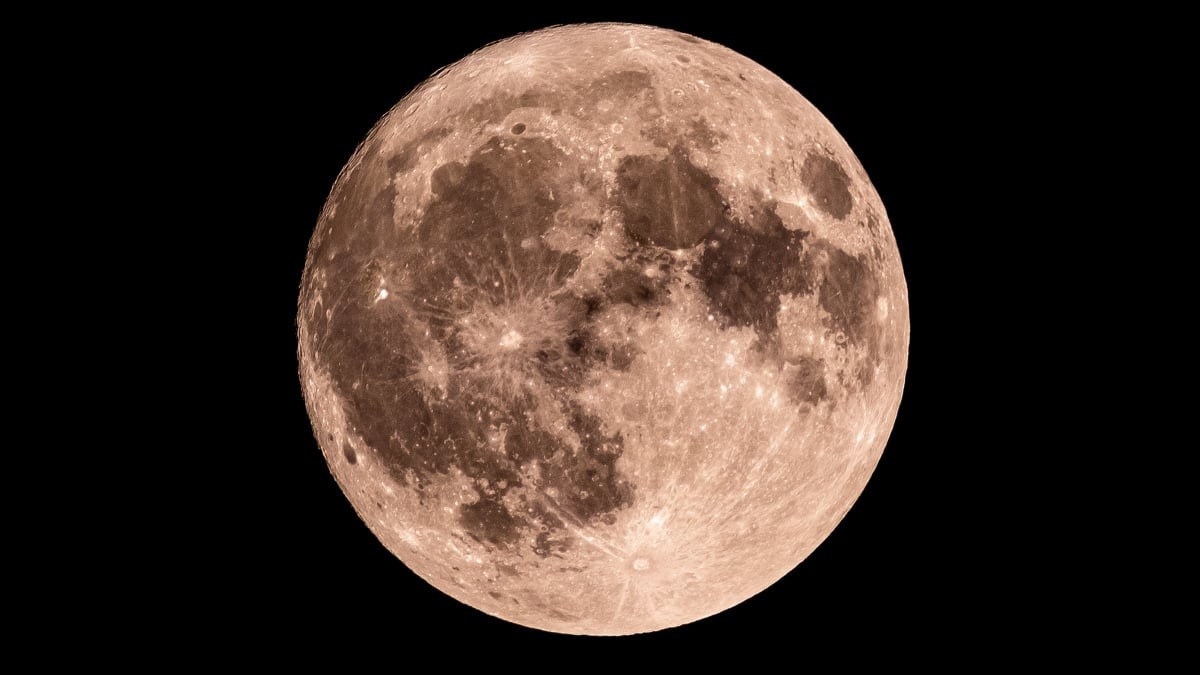
Without equipment, observers can discern features like the Aristarchus Plateau, Kepler Crater, and Tycho Crater. Binoculars reveal details such as the Grimaldi Basin and Gassendi Crater. A telescope will sharpen the view of Apollo 11 and the Fra Mauro Highlands.
Next Full Moon: April 1st
For those in North America, the next Full Moon is predicted to appear on April 1st. This is a significant marker for lunar observers, as Full Moons provide optimal viewing conditions for craters, maria (dark plains), and other surface features.
Understanding Lunar Phases
The Moon’s cycle is predictable and consistent, making it a reliable celestial timekeeper. NASA explains that while we always see the same side of the Moon, the amount lit by the Sun changes continuously. Here’s a breakdown of each phase:
- New Moon: The Moon appears dark because it’s positioned between Earth and the Sun.
- Waxing Crescent: A small sliver of light emerges on the right side (Northern Hemisphere).
- First Quarter: Half of the Moon is illuminated on the right.
- Waxing Gibbous: More than half is lit, approaching fullness.
- Full Moon: The entire face of the Moon is brightly lit.
- Waning Gibbous: Light begins receding from the right side.
- Third Quarter (Last Quarter): The left half of the Moon is illuminated.
- Waning Crescent: A thin sliver remains on the left before disappearing again.
The lunar cycle isn’t just a visual phenomenon; it influences tides, animal behavior, and has been woven into human culture for millennia.
Understanding these phases helps us appreciate our place in the cosmos and recognize the consistent rhythm of the natural world.