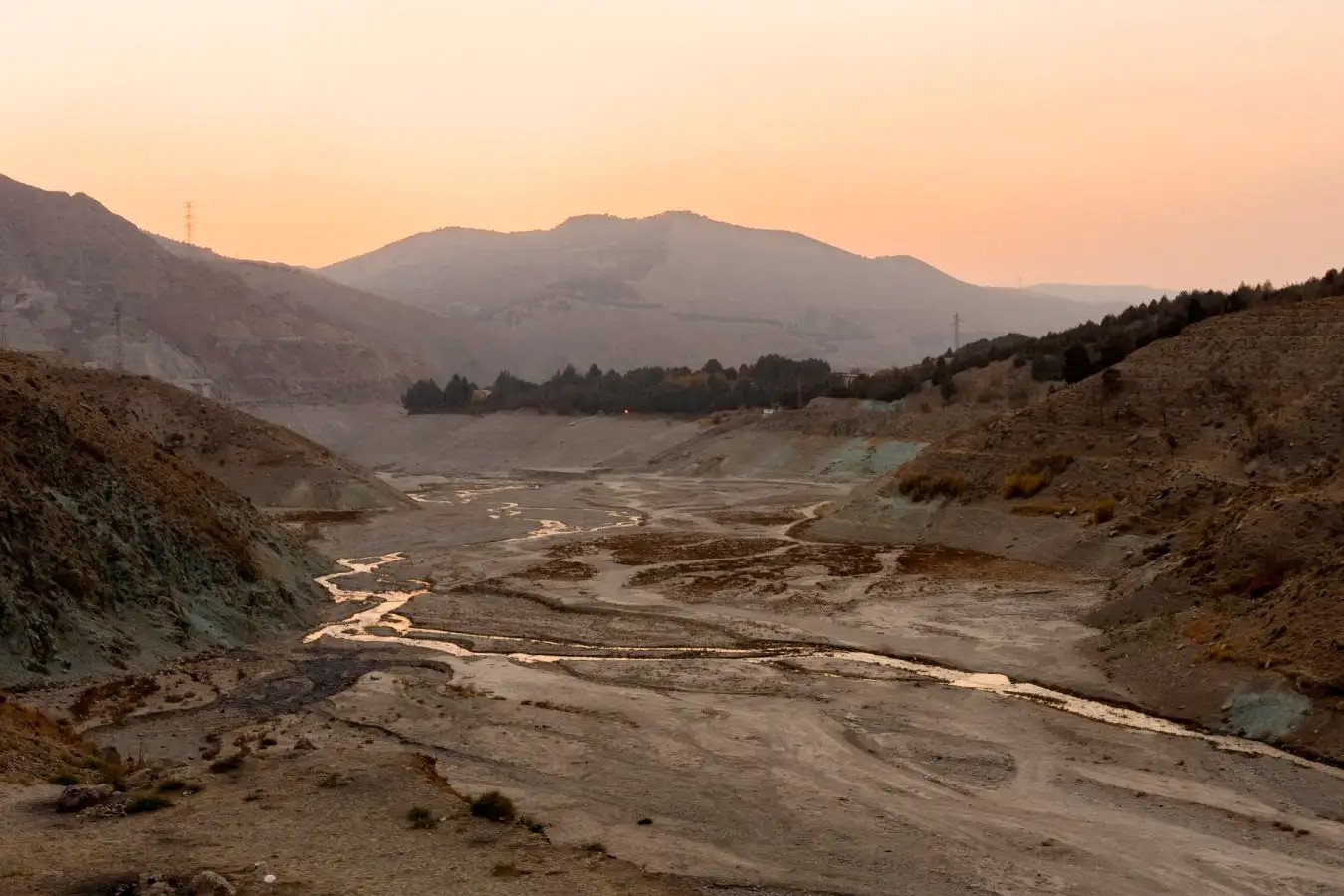
The world is facing a deepening water crisis, with three in four people now living in regions experiencing water shortages, contamination, or prolonged drought. A recent United Nations report concludes that humanity is entering an “era of water bankruptcy” – drawing down water resources faster than they can replenish, effectively depleting both surface water and critical groundwater reserves. This isn’t just a future concern; it’s happening now, with irreversible changes unfolding across the globe.
The Depletion of Vital Resources
The core problem is simple: demand exceeds supply. Decades of unsustainable agricultural practices, unchecked urban expansion into arid zones, and accelerating climate change are driving this crisis. Groundwater aquifers, which serve as vital reserves, are declining at a rate of 70% globally. The report highlights alarming examples, including the emergence of hundreds of sinkholes in Turkey due to excessive groundwater pumping, and deadly dust storms in Beijing linked to desertification.
The situation is starkly described by Kaveh Madani, author of the UN report: “Our checking account, the surface water… is now empty. The savings account… they’re also drained now.” This analogy illustrates the critical point: we’ve exhausted accessible water sources and are now depleting long-term reserves.
Water Scarcity and Global Instability
Around 4 billion people already experience water scarcity for at least one month annually, and this is not just an environmental issue, but a catalyst for unrest and migration. The report links water shortages to recent protests in Iran, where the driest autumn in 50 years exacerbated economic tensions. The government is even considering evacuating Tehran as water supplies dwindle.
Similar trends are evident in the Western United States, where the Colorado River has seen a 20% flow reduction in two decades. Despite this, excessive water diversion continues to support water-intensive agriculture, leaving cities like Los Angeles reliant on a shrinking resource. The river no longer reaches the sea in many stretches, and reservoirs are dangerously low, with some potentially reaching “dead pool” levels as early as 2027.
The Unsustainable Path of Agriculture and Industry
The crisis is exacerbated by counterintuitive practices. Increased agricultural efficiency, such as drip irrigation, often leads to more water use as farmers expand cultivation. The report emphasizes that agricultural cutbacks, which account for 70% of global water consumption, are unavoidable.
But this solution is complicated by economic realities: over a billion people depend on agriculture for their livelihoods, particularly in lower-income countries that often export food to wealthier nations. Reducing water use in agriculture means addressing economic diversification, and potentially destabilizing already vulnerable populations.
The problem extends beyond agriculture. Industrial pollution, untreated sewage, and excessive use of fertilizers contaminate water sources worldwide. Bangladesh, for example, faces widespread arsenic contamination in its groundwater due to sea level rise. Meanwhile, the fast fashion industry in Dhaka is poisoning rivers with chemicals, despite knowing that stricter regulations would threaten export markets.
The Imminent Need for Change
Many water systems will not recover to their previous state. Glaciers are shrinking, and aquifers are collapsing. The only path forward is aggressive water management, beginning with accurate accounting of water sources and consumption through metering.
As Madani concludes: “We cannot manage what we do not measure.” Humanity must adapt to a world with less water, starting with a fundamental shift in how we value, allocate, and conserve this increasingly scarce resource.
The situation is critical, and inaction is no longer an option. The era of water bankruptcy is here, and the consequences will be felt globally.