Rotting fruit holds secrets. Small, wet, and overlooked.
In 2025 researchers in Konstatz found something strange inside it.
Hundreds of worms stood together. Not crawling. Stretching. They built living skyscrapers out of their own bodies. “Towers,” they call them. We’d only ever seen these things in labs before. This time they were real. And outside.
The trick isn’t just looking upward. It’s about moving. The towers stick to things. In the lab they caught flies. In nature it looked different.
Beetles doing the heavy lifting
Who was carrying the load?
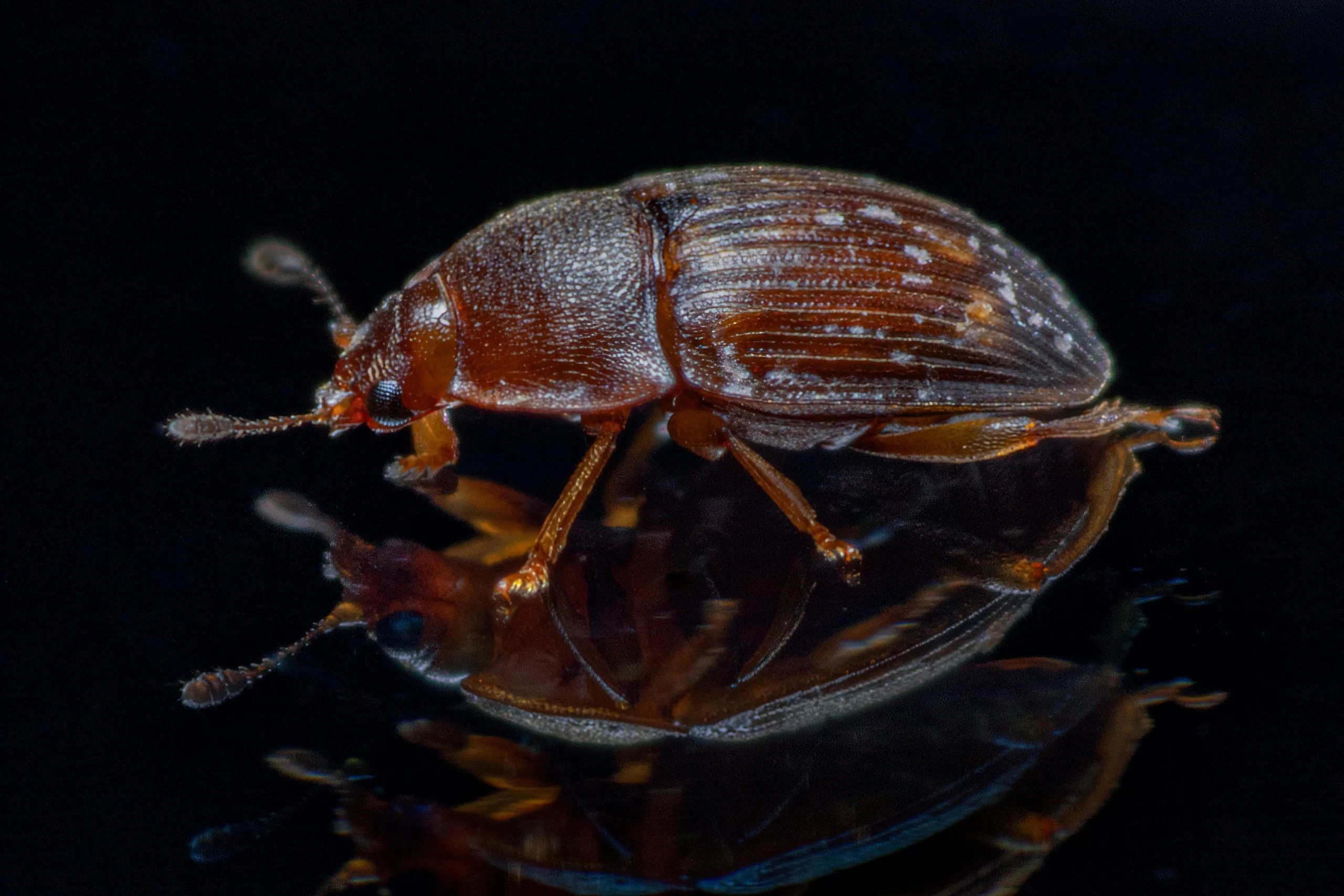
They checked the bugs hiding in the fruit. Flies? No. Moths? Nope. The worms kept ending up on two specific beetles. Sap feeders. Invaders in Europe.
Never saw the tower snap onto the shell. Didn’t happen during observation. But the numbers were undeniable. Hundreds of invertebrates examined. The worm clusters lived only on those beetles.
They named the worm Caenorhabditis apta.
“It’s fascinating,” said Ryan Greenway from the Max Planck Institute. He’s the lead guy. “C. apta picked those two beetles out of dozens of options.”
The puzzle shifts. Do the worms build a tower to board the plane? Or do they board one by one and cluster later? They don’t know yet.
It’s fascinating that C. apta preferences to attach to just these two beetle species
Why this matters
Nematodes run this planet. By mass. By numbers. We know almost nothing about how they travel. They are tiny. They can’t swim between trees. So they need taxis. Vectors.
Usually we ignore this. Until we don’t.
Pinewood nematodes destroy forests. Beetles carry them. That’s a disaster for ecology and timber.
Most other partnerships? Hidden. Unseen. This gap makes it hard to track invasive species. Hard to understand ecosystems. Hard to stop things that shouldn’t be spreading.
The immigration trail
Here’s the kicker.
C. apta showed up in European samples only after 2010. The beetles got there earlier. Early 2000s. One from North America. One from the Western Pacific.
Coincidence?
Maybe not. Greenway asks what happens if the worms rode in on beetle wings? To test it they mapped global beetle sightings against known worm finds.
North America lit up on the map. The strawberry sap beetle and C. apta shared the same real estate there. Likely entry point. The beetles flew in. The worms hiked in their shadows.
Open questions
New arrivals change the board game. C. apta is eating. Breeding. Rotting fruit differently? Maybe messing with local food webs?
“It might not seem like a big deal,” Greenway said. But introductions ripple outward.
Weird angle: maybe we can use the worms against the beetles. Beetles ruin crops. Worms might slow them down. Bio control via accidental immigrants.
We still know surprisingly little. Serena Ding notes this. We have C. elegans. The lab superstar. The model organism for everything. But the wild version? That remains opaque.
We need to watch them outside. In the rot. On the beetle back. With the flies.
Because nature doesn’t care about our lab manuals. It builds towers whenever it wants. And we are only now looking up.