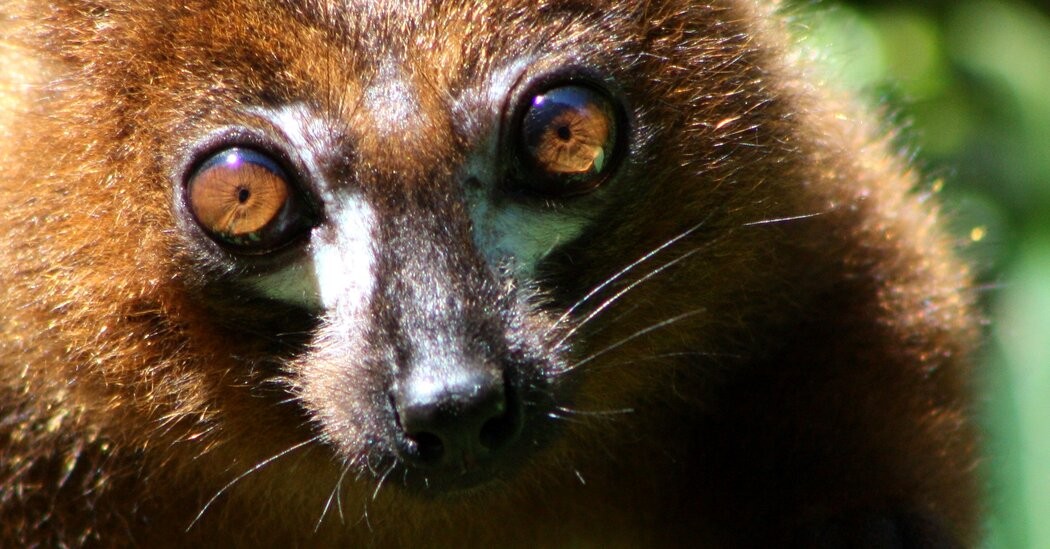
Madagascar is grappling with a difficult ecological dilemma: protecting its rapidly vanishing forests while simultaneously ensuring the survival of its critically endangered lemur populations. The aggressive spread of the invasive strawberry guava plant is undermining forest restoration efforts, even as many lemur species depend on its abundant fruit for sustenance.
The Rapid Decline of Madagascar’s Forests
Only about 25% of Madagascar’s original native forests remain, a stark indicator of widespread deforestation driven by agriculture, logging, and mining. This loss of habitat is the primary threat to the island’s unique biodiversity, including its 100 lemur species – most of which are classified as endangered or critically endangered.
Strawberry Guava’s Ecological Impact
The strawberry guava (Psidium cattleianum) has proven to be a formidable invasive species. Recent research published in Biological Conservation demonstrates that the plant aggressively outcompetes native vegetation, reducing insect populations and altering soil composition. This ecological disruption goes beyond simply replacing native plants; it weakens the broader ecosystem, making it less resilient to further environmental changes.
The Lemur Paradox
The dilemma arises because many lemurs thrive in areas dominated by guava, consuming its sweet fruit. This has led some conservationists to hesitate on large-scale eradication efforts, fearing the immediate impact on these already vulnerable animals. Amy Dunham, an ecologist at Rice University, explains that “For a long time, some conservationists thought it’s not that harmful — it feeds lemurs, so maybe it’s good. Now we know that while it can provide short-term benefits to wildlife, it also causes long-term ecological harm.”
The Long-Term Consequences
While guava may offer immediate nutritional benefits, its long-term effects are detrimental. By suppressing native plant life, the guava reduces the diversity of food sources available to lemurs, making them more vulnerable in the long run. The plant also alters the structure of the forest, impacting the lemurs’ ability to travel and forage effectively.
The situation is a stark reminder that invasive species can create complex trade-offs for conservation efforts. Protecting endangered animals sometimes requires making difficult choices that may seem counterintuitive in the short term.
Ultimately, Madagascar must confront the reality that unchecked guava expansion will further erode its already fragile forest ecosystems, jeopardizing the long-term survival of its iconic lemur populations.