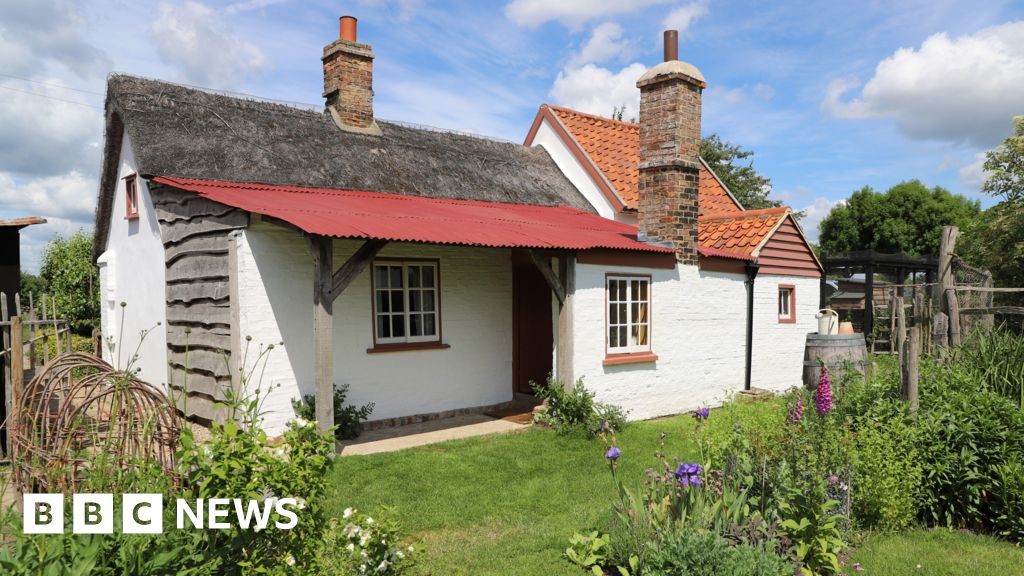
Fen Cottage, a rare surviving example of traditional fenland architecture in Cambridgeshire, has been officially granted Grade II listed status. Located on the outskirts of Wicken village near Soham, the building is part of the National Trust’s Wicken Fen National Nature Reserve. This designation recognizes not just the physical structure, but its profound significance as a tangible record of how communities once lived in direct dependence on their wetland surroundings.
A Rare Architectural Survivor
Built around 1700, Fen Cottage represents one of the last remaining homes of the ancient fen dwellers. Its construction is a masterclass in local resourcefulness, utilizing materials gathered directly from the landscape:
* Walls: Constructed from locally sourced clay and peat.
* Roof: Thatched with sedge grass, a plant native to the marshes.
This building method reflects a time when the fenland environment provided not just sustenance, but the very materials for shelter. As Tony Calladine, Historic England’s East of England regional director, noted, the cottage is “a rare record of how people once depended on their natural surroundings.”
More Than Just a Building
The listing highlights the deep cultural and historical bond between the people of Wicken Fen and the land itself. For centuries, the fen fed, housed, and employed the local population. Fen Cottage stands as physical evidence of this symbiotic relationship.
The home was occupied by the Butcher family throughout the mid-19th century, with four generations living within its walls. Their long tenure underscores the cottage’s role as a stable center of community life in a landscape that was often harsh and changing.
Preservation and Legacy
The National Trust has cared for Fen Cottage since 1974. Recognizing its fragility and historical value, a major restoration project was undertaken between 1988 and 1990 to stabilize the structure and preserve its authentic character.
The new listed status ensures that this piece of Cambridgeshire’s built heritage is protected for future generations. It serves as a symbol of the livelihoods and communities that once thrived in this unique wetland ecosystem, reminding us of the intricate connections between human history and the natural world.
In short: The listing of Fen Cottage preserves a crucial link to the past, ensuring that the story of how humans and nature coexisted in the Cambridgeshire fens is not lost to time.