As global temperatures rise, particularly in high-latitude regions, soil microbes are undergoing a critical shift in how they process nutrients. Traditionally, these microbes act as recyclers, converting nitrogen into forms plants can use. However, new research from Iceland reveals that warming soils are causing microbes to retain nitrogen internally, reducing the amount available for plant growth and potentially exacerbating climate change. This change disrupts the natural nutrient cycle, with far-reaching implications for vegetation and atmospheric greenhouse gas levels.
A Natural Experiment in Iceland
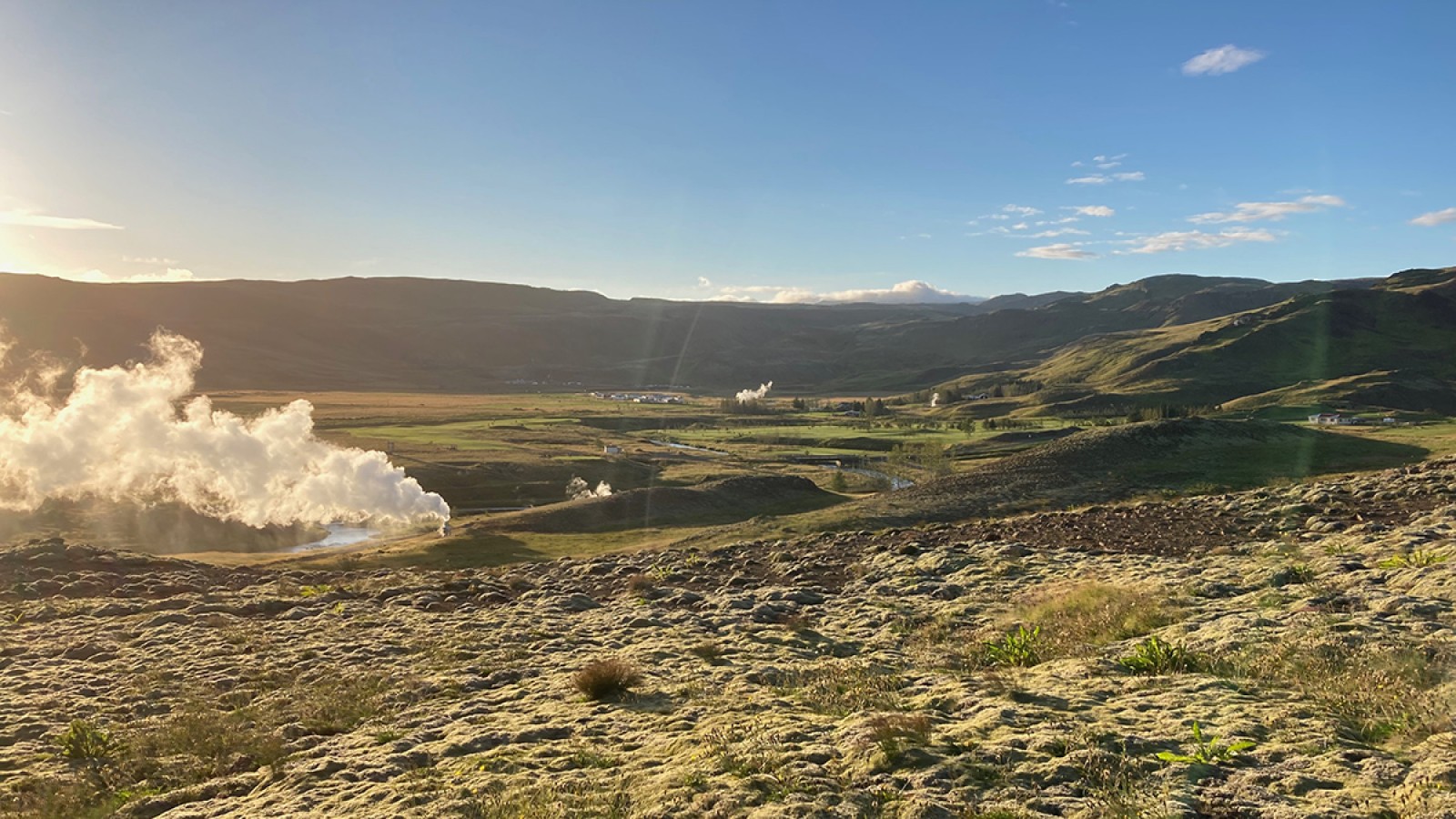
The findings stem from a unique long-term study conducted in subarctic grasslands near Hveragerði, Iceland. A series of earthquakes in 2008 inadvertently created a natural laboratory: geothermal activity warmed patches of soil by 0.5°C to 40°C above normal, allowing researchers to observe ecosystem responses under sustained warming conditions. This natural experiment allowed a rare opportunity to study how microbes adapt to long-term temperature increases in a way that controlled lab conditions cannot fully replicate.
Researchers used nitrogen-15 to track nutrient flow, discovering that after an initial loss of nitrogen from the soil, microbes became increasingly conservative. Instead of releasing ammonium – a plant-usable nitrogen byproduct – they began recycling nitrogen internally. This behavior, described by one researcher as the microbial equivalent of “holding urine,” reduces nitrogen availability for plants.
The Implications for Ecosystems
This microbial hoarding has both positive and negative effects. On one hand, it prevents further nitrogen loss through leaching or atmospheric release as nitrous oxide, a potent greenhouse gas. However, it also intensifies competition between plants and microbes for limited nitrogen resources.
The delicate balance between plant growth (absorbing carbon) and microbial decomposition (releasing nitrogen) is being disrupted. If microbes prioritize their own needs, plant growth may slow, reducing the ecosystem’s ability to offset carbon emissions. This could accelerate warming rather than mitigate it, undermining assumptions in some climate models.
Early Warming is Critical
Researchers are now studying the initial stages of soil warming to determine what happens before significant nutrient loss occurs. Transplanting normal soils into heated areas suggests that most nutrient depletion happens early on, within the first 5–10 years of warming. This finding emphasizes that the most damaging effects occur during the initial phase of temperature increase, making rapid intervention crucial.
A Looming Carbon Feedback Loop
The study highlights a potential underestimation in climate models regarding the contribution of cold-soil nitrogen and carbon loss to global warming. Arctic soils store massive amounts of partially decomposed organic matter — a huge carbon reservoir. Warmer temperatures increase microbial activity, accelerating decomposition and releasing more carbon dioxide.
The expectation that plants would grow more vigorously in warmer conditions and absorb this excess carbon is now being questioned. Instead, microbial hoarding reduces nitrogen availability, weakening plant growth and diminishing the ecosystem’s ability to act as a carbon sink. This creates a dangerous feedback loop: less plant growth, poorer soils, and continued greenhouse gas emissions.
Caveats and Future Research
While groundbreaking, the study acknowledges limitations. The geothermally heated soils may not perfectly mirror global warming patterns, which include increases in air temperature, not just root-level warming. Additionally, the Icelandic volcanic soils differ from the peat-rich Arctic landscapes found in Scandinavia and Russia. Further research across diverse Arctic environments is vital to confirm these findings.
These findings underscore a crucial but overlooked aspect of climate change: the complex interplay between microbes, plants, and nutrient cycles. Ignoring these dynamics could lead to inaccurate climate predictions and ineffective mitigation strategies.