Mars is more dynamic than previously thought. Scientists have discovered a type of electrical discharge – dubbed “mini-lightning” – occurring in the planet’s atmosphere. This isn’t the same as Earth’s large-scale lightning, but rather smaller, more localized events. The discovery, made through data analysis from the Perseverance rover, challenges existing models of Martian atmospheric electricity.
What is Mini-Lightning?
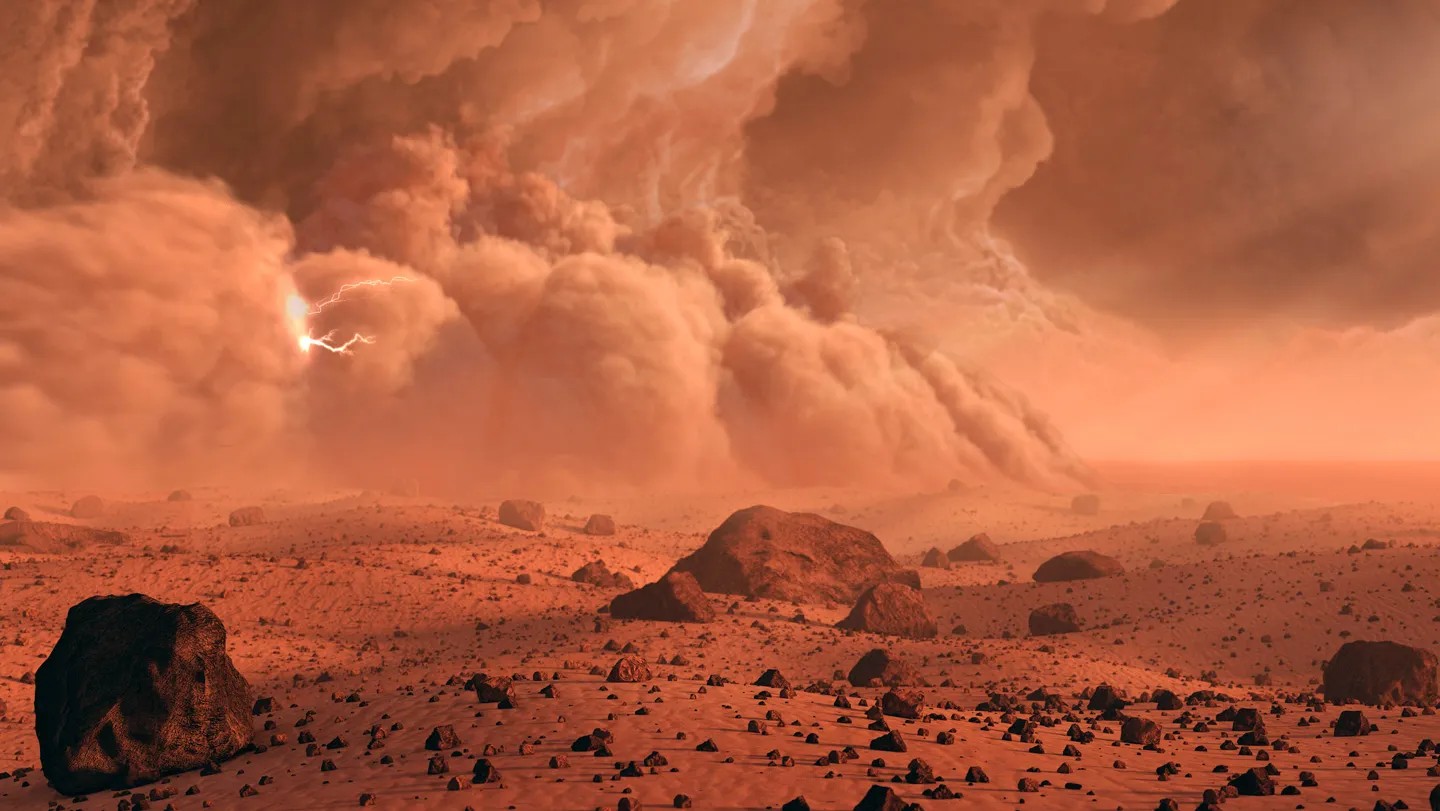
The phenomenon involves brief bursts of electrical activity. These are not massive strikes like those on Earth, but rather subtle discharges within dust devils and dust storms. Researchers believe these events are linked to the friction between dust particles within these storms. As these particles collide, they build up static charge, eventually discharging in small sparks.
Why does this matter? The presence of electrical activity suggests a more complex atmospheric system than previously understood. Martian dust storms are known to be massive, capable of engulfing the entire planet. Electrical discharges within these storms could influence the distribution of charged particles and even affect the atmospheric chemistry.
How Was it Discovered?
The discovery relied on data collected by Perseverance’s instruments. The rover detected unexpected electromagnetic pulses during dust storm activity. These pulses didn’t align with typical Martian weather patterns and were too short-lived to be conventional lightning.
Computer models were then used to simulate the conditions within dust storms. The simulations showed that friction between dust particles could easily generate static charge, leading to these mini-lightning events.
What Does This Mean for Mars Exploration?
This finding has implications for future Mars missions. Electrical discharges could pose a hazard to sensitive equipment, including rovers and landers. Understanding the intensity and frequency of these events is critical for mission planning.
Furthermore, the presence of electrical activity raises questions about the potential for more complex atmospheric phenomena. Could larger-scale electrical storms occur under certain conditions? Are there other types of discharges we haven’t yet detected?
The discovery of mini-lightning on Mars demonstrates that even after decades of study, the Red Planet still holds surprises. The data reveals a previously unknown aspect of Martian weather, pushing scientists to re-evaluate their understanding of the planet’s atmospheric processes. This ongoing investigation may unveil further unexpected phenomena, reinforcing the need for continued exploration.