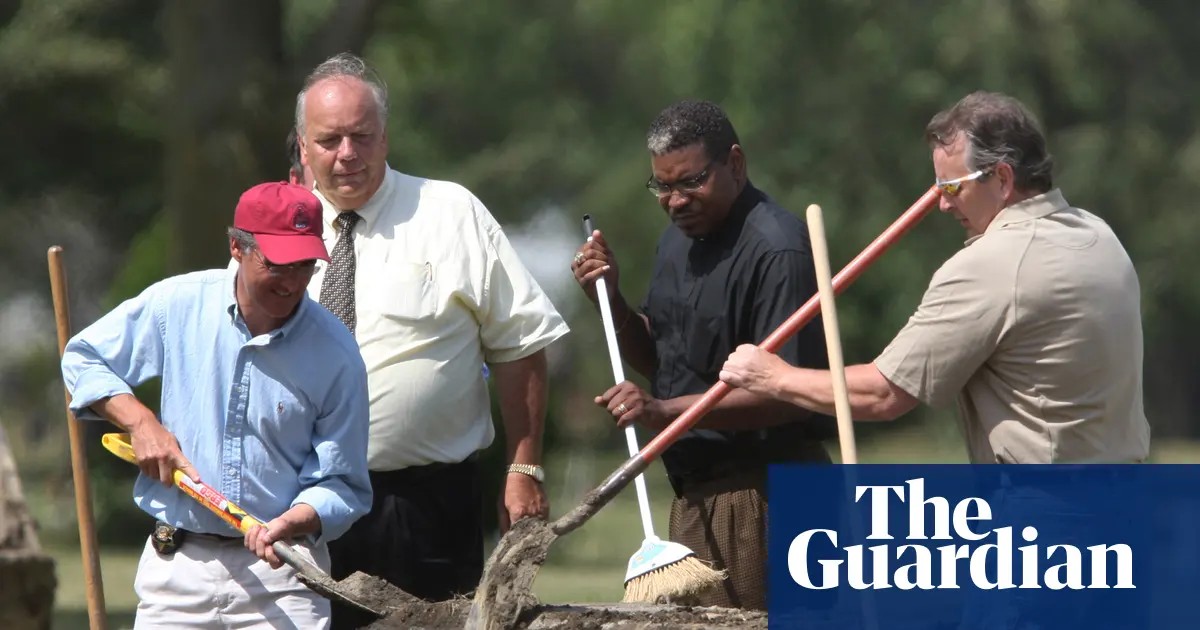
A seemingly insignificant clump of moss played a decisive role in convicting four workers who desecrated graves at Burr Oak cemetery near Chicago, Illinois. The workers illegally exhumed over 100 bodies, reburied them elsewhere on the grounds, and then resold the burial plots for profit. The case, which broke nearly two decades ago, saw forensic science – specifically, the study of moss – deliver crucial evidence.
The Unusual Forensic Clue
In 2009, the FBI contacted Dr. Matt von Konrat, head of botanical collections at the Field Museum in Chicago, with a peculiar piece of evidence: a small fragment of moss found alongside human remains. The cemetery, an important historical burial site, included the graves of Emmett Till, whose murder catalyzed the civil rights movement, and the blues singer Dinah Washington. Forensic teams suspected the bodies had been moved from one location to another within the cemetery.
The moss, identified as Fissidens taxifolius (common pocket moss), didn’t grow where the remains were found, but thrived in a specific shaded area near trees – the suspected original burial site. The presence of the moss indicated that the bodies had been moved with the plant matter attached.
The Science of Moss Metabolism
What made the moss truly valuable wasn’t just its presence, but its condition. Unlike most biological material, moss exhibits a unique metabolic behavior. Even after appearing dead, it retains some cellular activity. Scientists measured the moss’s photosynthetic absorption and re-emission of light to determine how long it had been buried.
The tests revealed that the moss had been buried for less than 12 months. This contradicted the accused workers’ defense, which claimed the crime occurred before their employment at the cemetery. The workers argued the desecrations took place years earlier, but the moss evidence proved otherwise.
Securing Convictions and Highlighting Forensic Potential
The moss analysis was “key” to securing convictions at trial, according to Doug Seccombe, a former FBI agent who worked on the case. The findings are published in Forensic Sciences Research. Von Konrat, inspired by forensic dramas like Silent Witness, emphasized the importance of natural history collections in unexpected applications.
“We never know how we might apply them in the future,” he stated, underscoring how seemingly minor botanical evidence can be pivotal in criminal investigations.
The case demonstrates that even the smallest biological traces can hold decisive forensic value, and reinforces the importance of preserving natural history collections for their potential in solving crimes.