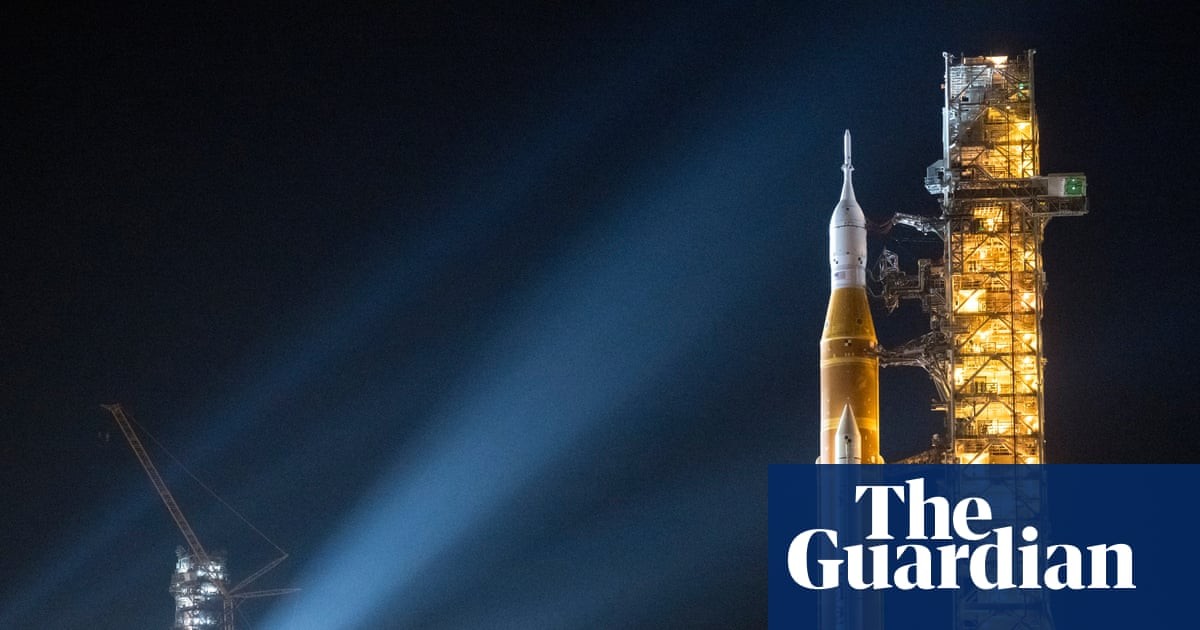
NASA has begun moving its Space Launch System (SLS) rocket and Orion spacecraft back to the launch pad in Florida, setting the stage for a crewed lunar flyby mission targeted for April 1st. The move follows repairs to a helium flow issue that previously forced a delay.
Artemis 2 Mission Overview
The SLS rocket, standing over 300 feet tall, and the Orion capsule are undergoing a slow, 12-hour transport from the Vehicle Assembly Building at the Kennedy Space Center to Launch Pad 39B. This mission, designated Artemis 2, aims to send four astronauts—three American and one Canadian—on a 10-day journey around the Moon.
This is a critical step towards NASA’s long-term goal of returning humans to the lunar surface, a vision first emphasized by the Trump administration but has since faced multiple setbacks. The Artemis program represents a renewed US focus on deep space exploration, and Artemis 2 is designed as a key test before attempting a landing.
Recurring Technical Challenges
The path to this launch hasn’t been smooth. Before the recent helium leak, NASA encountered problems with a liquid hydrogen leak during a “wet dress rehearsal”—a full launch simulation. These issues highlight the inherent complexities of modern spaceflight, where even minor technical glitches can trigger significant delays.
The fact that multiple issues have surfaced underscores the high-stakes nature of the mission and the need for thorough testing before risking human lives. The delays also raise questions about the program’s cost and schedule, with potential implications for future lunar ambitions.
Final Preparations Underway
With the rocket now at the pad, NASA will conduct final checks before the April 1st launch window opens. Meanwhile, the Artemis 2 crew has entered quarantine in Houston to minimize risk of infection before liftoff. The agency remains hopeful that the first crewed lunar flyby in over 50 years will proceed as planned, though additional launch opportunities will be available in the following days if needed.
The Artemis 2 mission will not land on the Moon, but it will serve as a vital precursor to future lunar landings. The success of this mission is crucial for maintaining momentum in NASA’s lunar exploration efforts.