This week’s scientific headlines cover a wide range of topics, from the challenges of human reproduction in space to NASA’s aggressive plans for lunar and interplanetary exploration. New research also reveals why cannabis triggers intense hunger, while broader environmental concerns highlight the climate impact of ongoing conflicts. Here’s a breakdown of the most significant developments.
Space Reproduction: A Hard Reality
A new study confirms that reproducing in space is exceptionally difficult. Simulated microgravity environments severely hinder sperm navigation, fertilization, and embryo development. This poses a major obstacle for long-term space colonization efforts. However, human adaptability remains a powerful factor, as demonstrated by our species’ history of rapidly adjusting to new environments—even those as artificial as touchscreen technology, which rapidly drove the evolution of nail polish as a stylus.
NASA’s Bold New Space Plans
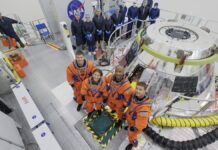
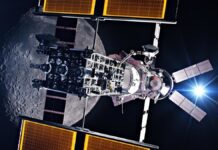
NASA announced plans for a $20 billion permanent lunar base and the development of a nuclear-powered spacecraft capable of interplanetary travel. The agency will repurpose components originally intended for a lunar space station to accelerate the base’s construction by 2036. This move is partially driven by the intensifying space race with China, as NASA seeks to maintain its leadership position.
The feasibility of these ambitious projects remains uncertain, especially with the Artemis II rocket’s April 30 launch deadline looming. Meanwhile, new satellite data reveals a massive radiation cavity between Earth and the moon, which may reshape future lunar exploration strategies.
The Science of the Munchies
Researchers have finally explained why cannabis induces intense hunger. The plant’s compounds interact with the brain’s endocannabinoid system, directly stimulating appetite. This biological effect is so powerful it can override normal satiety signals, leading to uncontrollable cravings.
Environmental Impact of Conflict
The ongoing war in Iran has already released massive amounts of carbon dioxide, primarily due to the destruction of infrastructure. In just two weeks, the conflict’s emissions exceeded those of 84 of the world’s lowest-emitting countries combined. The long-term climate impact, including disruptions to fuel and fertilizer supplies, is expected to be even more severe.
Other Noteworthy Discoveries
- Ancient DNA: Researchers are developing methods to analyze ambient DNA from soil, water, and air to monitor ecosystems in real time. This breakthrough could revolutionize biodiversity tracking.
- Brain Aging: A new study suggests that brain aging is linked to a loss of control over gene regulation.
- Toltec Rituals: Archaeologists discovered a 1,000-year-old altar in Mexico, along with evidence of human sacrifices from the Toltec Empire.
- AI Robotics: Artificial intelligence has been used to rapidly evolve “Lego-like” robots capable of self-repair, accelerating the pace of robotic development.
The Future of Scientific Progress
Science continues to push boundaries in space exploration, biological understanding, and environmental monitoring. The combination of technological advancements and urgent real-world challenges—such as climate change and geopolitical conflicts—is driving a period of rapid innovation.
The convergence of these fields suggests a future where scientific discovery will be essential for addressing both existential threats and the fundamental mysteries of the universe.