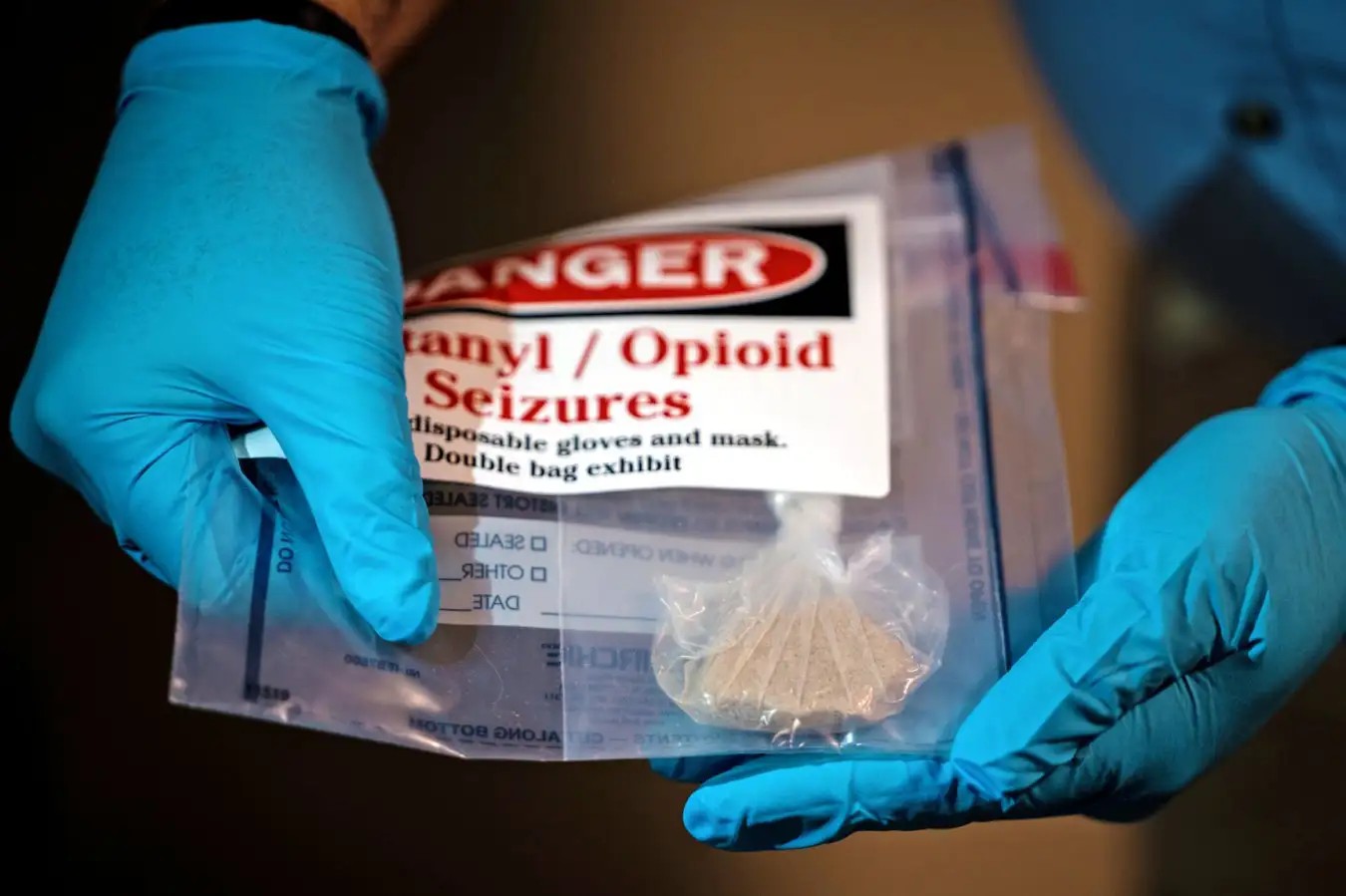
Recent data reveals a significant drop in drug overdose deaths across the United States, with numbers falling sharply between 2023 and 2024. The primary driver behind this trend isn’t increased treatment access or policy changes—but rather a decrease in the potency of illegally manufactured fentanyl. While this decline offers a potential respite from the opioid epidemic, experts caution that it may not represent a lasting solution.
The Numbers Tell the Story
Since 1999, over 1 million Americans have died from drug overdoses. Years of escalating deaths saw only minor fluctuations until 2023, when fatalities decreased by roughly 3%. By 2024, the decline accelerated, with overdose deaths plummeting an additional 26%. This translates to a 34% drop in fentanyl-related deaths alone, falling from nearly 73,000 in 2023 to under 48,000 in 2024.
In contrast, deaths involving stimulants like cocaine and methamphetamine—without the presence of fentanyl—increased by over 4%, suggesting the primary shift is directly linked to fentanyl’s declining potency.
Why Is Fentanyl Less Potent?
Researchers from the University of California, San Diego, and Northwestern University analyzed mortality data from the National Vital Statistics System and CDC’s WONDER database. Their findings indicate that seized fentanyl powder purity peaked at around 25% in mid-2023, before dropping to roughly 11% by the end of 2024. This means that the illegal drug supply is now diluted with bulking agents like flour, baking soda, or other substances.
The cause of this decline is debated, but many point to increased pressure on Chinese fentanyl precursor manufacturers following talks between the US and China in late 2023. However, some experts question whether the timing aligns perfectly with the drop in overdose deaths.
The Four Waves of the Opioid Crisis
This shift may mark a turning point in the opioid epidemic, which experts have described as unfolding in four waves: prescription opioids, heroin, illicit fentanyl, and finally, fentanyl combined with stimulants. The first three waves have already begun to subside. The current decline suggests the fourth wave is also receding.
“All the distinct waves that we’ve seen are now in decline,” notes Joseph Friedman, a researcher at UC San Diego.
Caveats and Emerging Threats
Despite the positive trend, experts emphasize caution. The decline in fentanyl potency may not be sustainable, and preliminary data suggests that the rate of reduction is leveling off. Meanwhile, deaths from other drugs—including cocaine, methamphetamine, and xylazine (a veterinary sedative increasingly mixed into fentanyl)—are beginning to rise.
The rise of veterinary sedatives such as medetomidine, first detected in the US drug supply in 2022, is particularly concerning. This drug causes severe withdrawal symptoms, leading to increased hospitalizations in intensive care units.
Even with the decline, nearly 80,000 Americans died from overdoses in 2024. The reduction in deaths does not equate to a solved crisis. The situation remains dire, and sustained vigilance is critical.