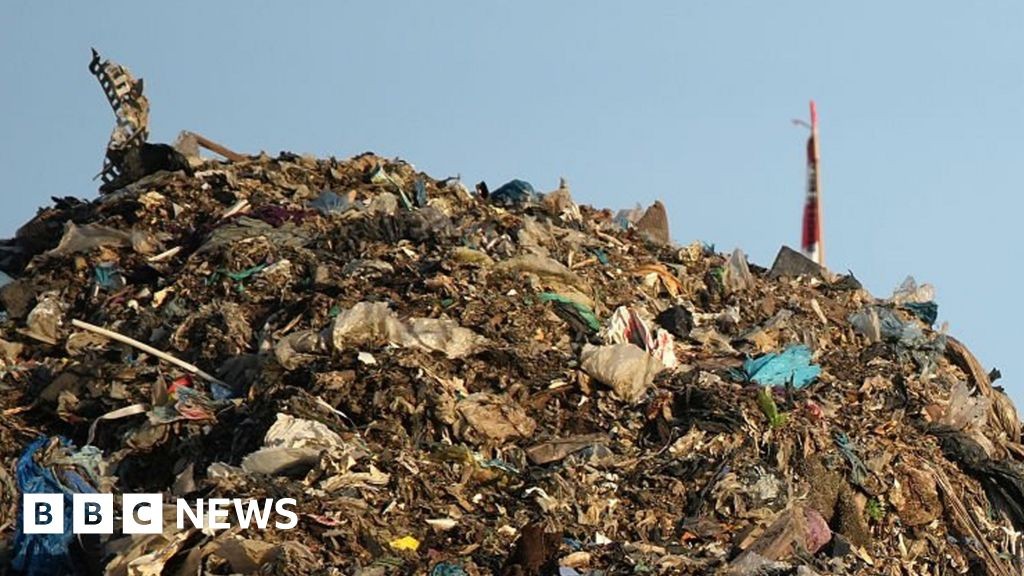
The UK government has announced a new action plan to clear three of England’s largest illegal waste dumps in Wigan, Sheffield, and Lancashire, at a cost borne by taxpayers. These sites collectively contain 48,000 tonnes of illegally deposited waste, representing a significant environmental and public health hazard. The decision follows years of complaints from residents near these locations, who have endured rat infestations, noxious odors, and even emergency closures of local schools due to fires at the dumps.
Scale of the Problem
The dumps were identified as “supersites” following a recent BBC investigation, which revealed at least 11 such operations across England each holding over 20,000 tonnes of waste. One site in Kidlington, Oxfordshire, is already being cleared at a cost exceeding £9 million. While landowners are usually responsible for cleanup costs, the government has intervened in these cases due to the sheer scale of the pollution and the impact on nearby communities.
Local Frustration
Despite the planned clearups, residents near other large illegal dumps, such as one in Over, Gloucestershire, remain frustrated by the lack of action. Witnesses have reported that up to 50 vehicles dumped waste daily at the Over site before a fire temporarily halted operations. Local officials criticize the Environment Agency for its slow response and lack of urgency in addressing these issues.
Government Response
The government’s action plan includes additional funding for the Environment Agency (£45 million over three years) to strengthen enforcement, with powers to immediately shut down illegal waste operations and impose up to 51 weeks in prison on operators who defy closure orders. Fly-tippers may now face penalty points on their driving licenses, and the government will work with insurers to provide better coverage for landowners affected by illegal dumping. Local authorities will receive landfill tax rebates for cleanup efforts.
Wider Implications
The decision to use public funds for cleanup reflects the increasing difficulty in prosecuting waste criminals and holding landowners accountable. The plan’s focus on enforcement and deterrence is a step toward curbing illegal waste dumping, but its effectiveness will depend on sustained funding and a more aggressive approach by the Environment Agency. The problem highlights systemic weaknesses in waste management regulation and the economic incentives that drive illegal dumping, which continues to threaten public health and environmental sustainability.
The new measures are a response to growing public outcry over the unchecked spread of illegal waste sites, but the long-term solution requires a comprehensive overhaul of waste disposal policies and stricter penalties for offenders.