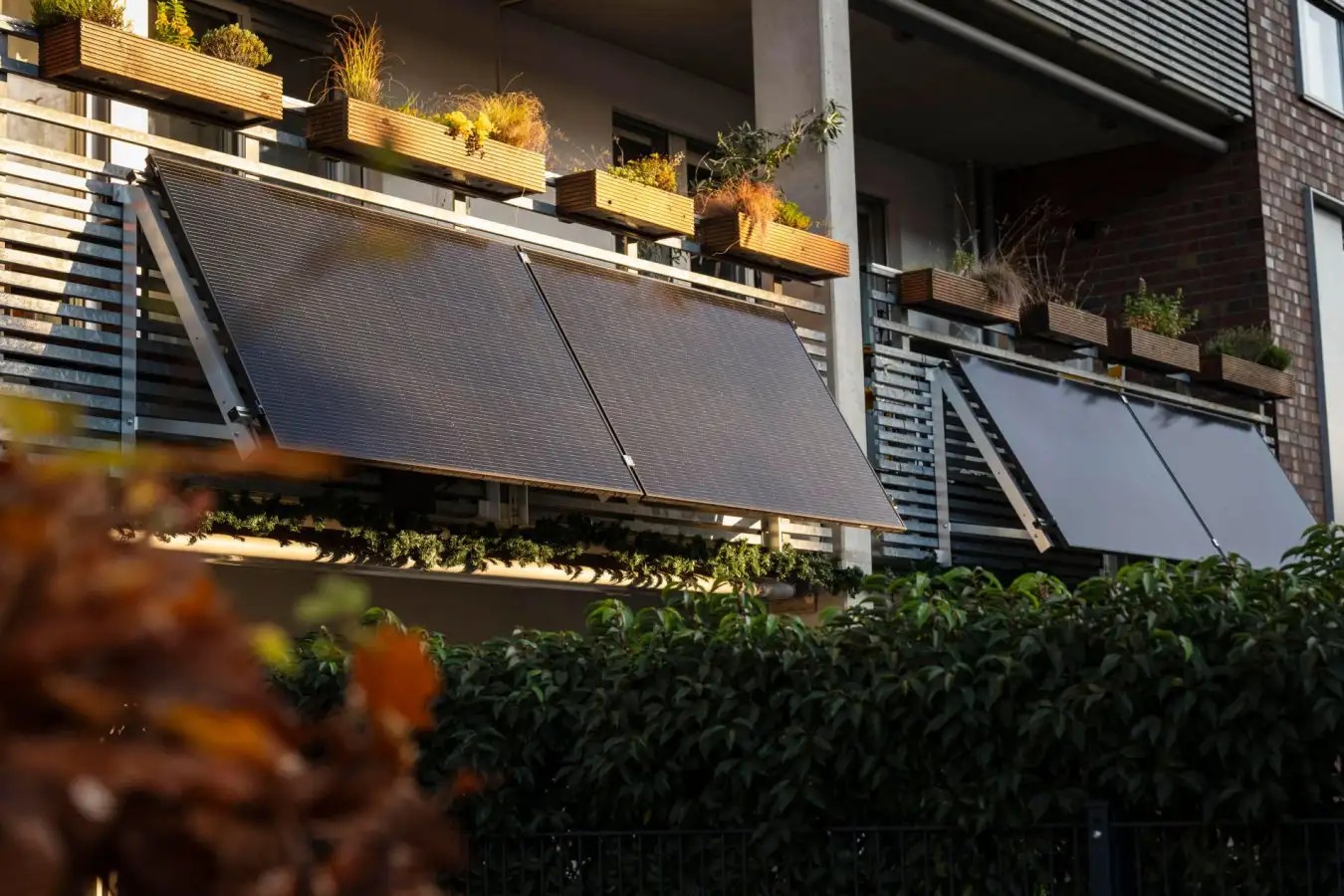
The global shift towards solar energy is accelerating rapidly, driven by dramatic cost reductions – installations now cost 90% less than 15 years ago and account for over 80% of new electricity capacity worldwide. As geopolitical conflicts drive up oil and gas prices, solar has become an obvious alternative for many nations. Now, the UK is preparing to legalize a controversial new form of solar power: DIY “plug-in” kits, set to hit stores within months.
The Appeal of Plug-in Solar
These kits offer unprecedented simplicity. Users purchase panels, place them in sunlight, and plug them directly into a wall socket – no professional installation or electrician required. The portability also means you can move them when you move. The promise is cheaper, accessible solar for more people.
But is it realistic? Traditional solar installations remain expensive. A 4-kilowatt system for an average UK home costs around £7,000, while similar systems in the US run around $20,000. These costs include professional mounting, electrical work, and grid connectivity for selling excess power back to the utility.
Plug-in kits, typically around 800 watts for £400, aim to cover roughly 20% of an average UK home’s energy needs. The installation is free because it involves simply tying the panel to a balcony or roof and plugging it in. However, without professional installation, excess energy cannot be sold back to the grid – it simply powers a neighbor’s home.
Global Adoption and Potential Impact
Germany leads the way, with over a million plug-in systems registered by July 2023, totaling 1.6–2.4 gigawatts of capacity. While still a small fraction of the overall energy mix, these systems can reduce individual bills and collectively boost renewable energy generation.
The University of Oxford’s Jan Rosenow suggests uptake could surge if governments continue to ease regulations. In the US, Utah legalized plug-in solar last year, with other states considering similar moves. Bright Saver, a pro-solar non-profit, estimates 24 million US households could adopt the technology by 2035.
The Safety Concerns
Despite growing adoption, experts warn about potential safety risks. The Institution of Engineering and Technology (IET) recommends wiring checks before installation. Existing residual current devices (RCDs) in UK fuse boxes may not handle bidirectional current flow, potentially malfunctioning.
Another issue is “islanding” during power outages: if plug-in kits continue generating power, they could deceive the grid, leading to electrocution for maintenance workers. The IET emphasizes manufacturers must prove their systems behave safely under all conditions.
The UK’s Department for Energy Security and Net Zero maintains plug-in solar is safe for domestic circuits, with independent studies underway to inform further regulations. Bright Saver argues that inaction poses a greater risk, given climate change and rising energy costs; people will adopt the technology regardless, so governments should prioritize safe implementation.
“Solar is the cheapest energy on the planet, full stop. It’s actually the cheapest energy humanity’s ever produced,” argues Cora Stryker of Bright Saver.
The rapid growth of plug-in solar raises legitimate questions about safety and grid stability. The technology offers an appealing solution to rising energy costs, but regulators must ensure it doesn’t come at the expense of public safety.