The world above ground slows down under a thick blanket of snow, but life doesn’t stop; it moves underneath. This hidden ecosystem, known as the subnivium, thrives in the narrow space between the snowpack and the frozen ground, and is now under threat.
A Unique Ecosystem at Risk
The subnivium isn’t just a cold, empty space. Roots, small mammals, microbes, insects, and birds all rely on this insulated zone during winter. This under-snow activity shapes which species flourish once spring arrives. However, winters are warming due to climate change, shifting precipitation from snow to rain, and the subnivium is shrinking at a rate of 2.2% per decade since 1979. The loss of this ecosystem could have wide-ranging consequences for forest health and biodiversity.
How the Subnivium Works
Snow compresses into a dense pack, forming a natural igloo that insulates the ground. Temperatures above the snow can plunge to -20°C, but just 15 cm down, the ground remains consistently around 1°C — just above freezing. This slight warmth is crucial because it keeps the soil liquid enough for life to continue. Scientists once thought winter was a dormant season, but the subnivium proves otherwise.
The Engine of Winter Life
Microbes and fungi remain active beneath the snow, breaking down organic matter and cycling nutrients. Deeper snow leads to larger, more diverse microbial populations, which in turn accelerate soil respiration. When spring arrives, these microbes release stored nutrients just when plants need them most. This cycle is regulated by arthropods like springtails and beetles, who feed on the microbes and further contribute to nutrient distribution.
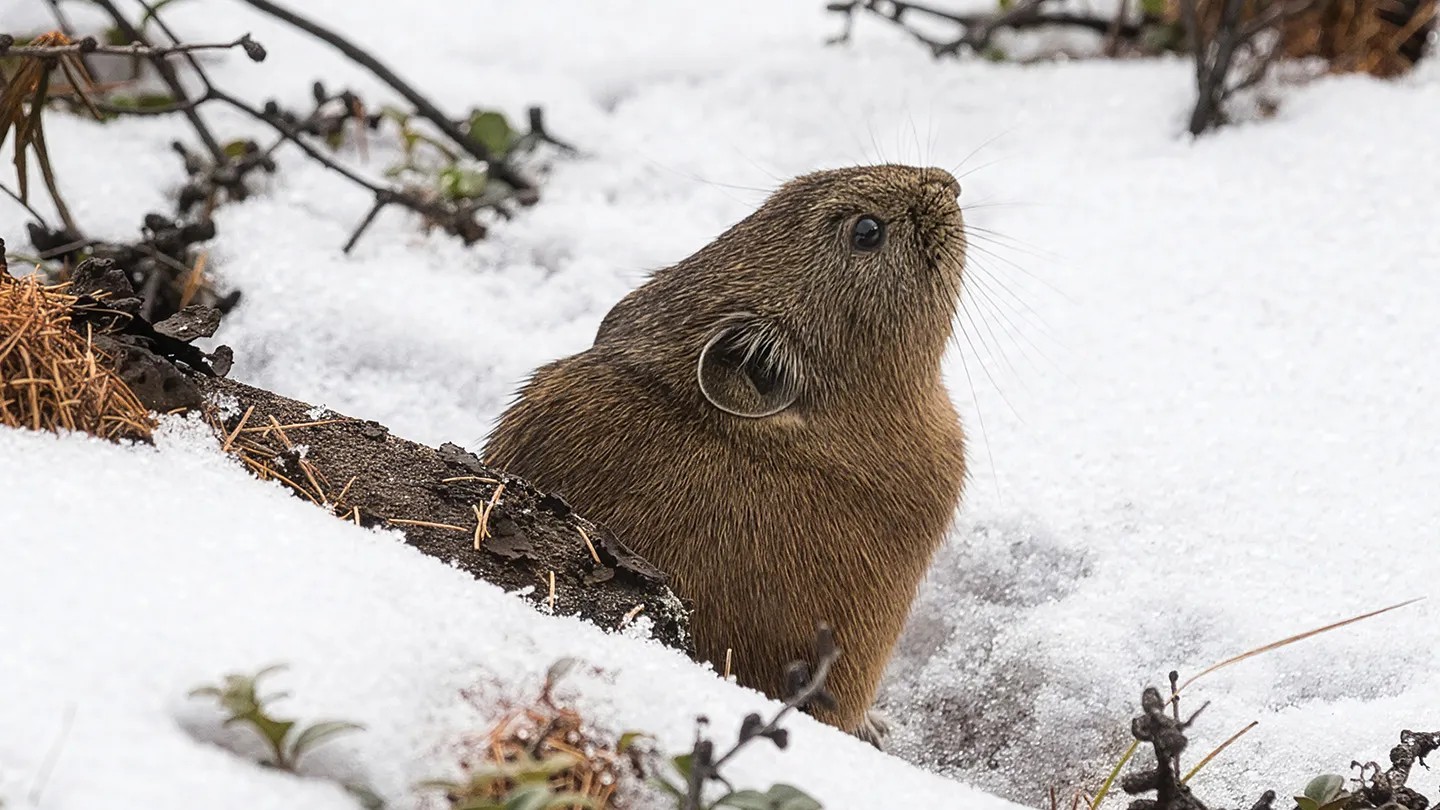
Larger animals also depend on the subnivium. Lemmings hunt under the snow, attracting predators like martens, while birds such as grouse and ptarmigans roost in snow drifts. This hidden world connects all levels of the food chain.
The Future of a Melting Ecosystem
The subnivium is vanishing as global temperatures rise. Projections show the presence of this ecosystem will drop from 126 days per year in 2014 to just 110 by the end of the century, with 10 more winter days where the ground is frozen solid. This is catastrophic for species adapted to the subnivium. Plant roots can freeze and burst, microbes die off prematurely, and arthropods face extinction.
Even larger animals are vulnerable. Pika populations in Washington state plummeted after a low-snow winter in 2014-2015, and marmot populations dropped by 74% in North Cascades National Park due to the stress of a snowless winter. These declines demonstrate how quickly ecosystems can unravel.
The Search for Resilience
Mitigating climate change is the fundamental solution, but researchers are also identifying climate refuges: high-elevation areas and shaded slopes where snow persists longer. Forest management strategies, like thinning canopies to increase snow accumulation, could also help. The subnivium is a reminder that life persists even in the harshest conditions, and its survival depends on slowing down the rate of global warming.