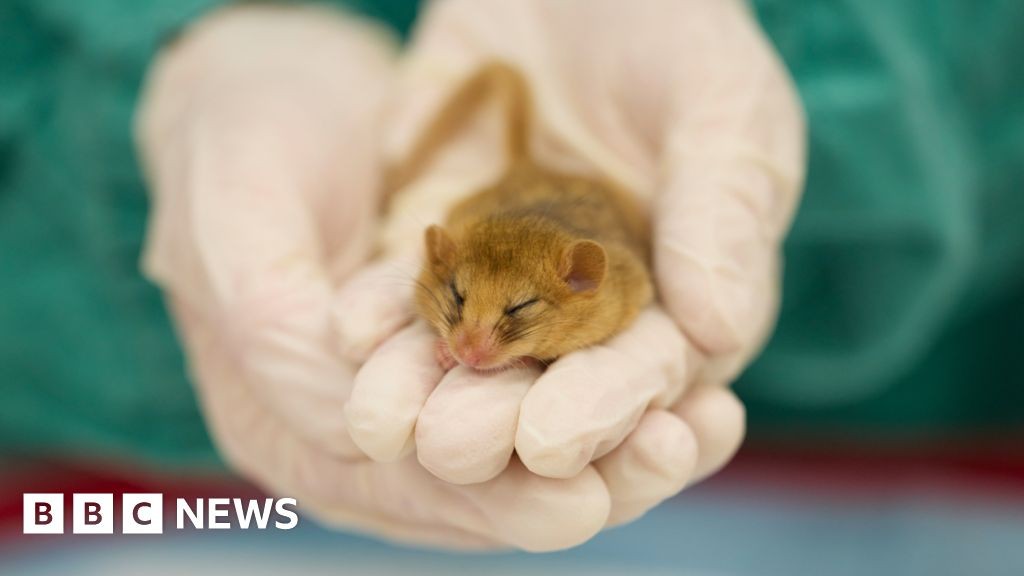
The Zoological Society of London (ZSL) has announced the development of a state-of-the-art Wildlife Health Centre, funded by a massive, anonymous £20 million donation. This facility marks a significant milestone for London Zoo as it celebrates its 200th anniversary, aiming to bridge the gap between high-level veterinary science and public education.
A Window into Wildlife Medicine
Unlike traditional veterinary facilities, this new center will feature a dedicated viewing gallery. This allows the public to observe real-time medical procedures—a level of transparency rarely seen in the UK. Visitors can expect to witness a wide spectrum of care, including:
- Routine health checks: Dental exams and weight monitoring.
- Advanced diagnostics: Ultrasounds on pregnant aardvarks and penguin health assessments.
- Scientific research: Post-mortems on marine mammals, such as porpoises, found on UK beaches.
To minimize animal distress, ZSL utilizes “cooperative care.” This method involves training animals to participate in their own healthcare through positive reinforcement. For example, Galapagos tortoises are trained to step onto scales, while lions and tigers learn to present their tails for blood sampling, reducing the need for sedation or stressful physical restraint.
Bridging Science and Public Awareness
The new center is designed to be more than just a hospital; it is intended to be a global hub for research, professional training, and disease surveillance.
A critical focus of the facility will be studying zoonotic diseases —pathogens that jump from animals to humans. By investigating how viruses spread between species, ZSL scientists hope to develop strategies to mitigate global health risks, building on previous research into bovine tuberculosis and bat-borne viruses.
The Ethical Debate: Conservation vs. Captivity
The announcement comes at a time when the role of modern zoos is under intense scrutiny. While ZSL argues that its facilities are essential for protecting endangered species and conducting vital research, critics remain unconvinced.
“On its 200th anniversary, I think the Zoological Society of London should be focusing all its efforts on protecting wildlife in the wild where it belongs, not keeping wildlife in captivity thousands of miles from where it belongs.”
— Mark Jones, Head of Policy at the Born Free Foundation
The Born Free Foundation has raised two primary concerns:
1. The Ethics of Captivity: Questioning whether the research conducted in zoos justifies the confinement of wild animals.
2. Spectacle vs. Care: Warning that allowing the public to watch medical procedures risks turning serious animal healthcare into a form of entertainment.
A Legacy of Conservation
Despite the controversy, ZSL highlights its tangible successes in biodiversity preservation. The organization manages critical populations of rare species, such as the Garrett’s tree snail, where the zoo holds roughly 90% of the global population. They have also successfully reintroduced invertebrate species to their native habitats and work locally to protect endangered UK species like hedgehogs and dormice.
By integrating advanced medicine with public engagement, ZSL aims to inspire the next generation of conservationists while proving the scientific necessity of its work.
Conclusion: The new £20m Wildlife Health Centre represents a bold attempt by London Zoo to justify its role in the 21st century by combining transparent medical education with critical research into global disease prevention.