


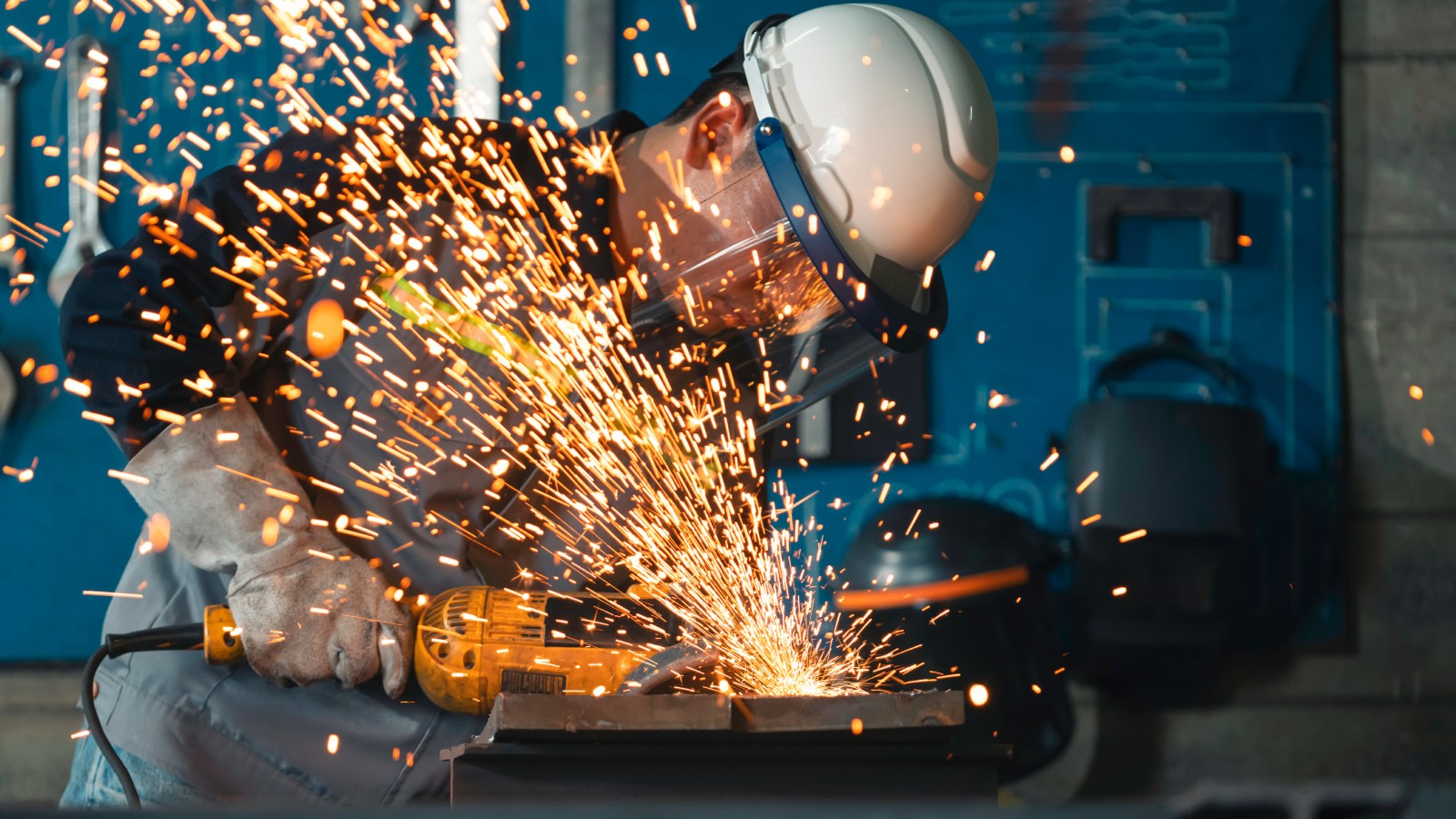
An 18-year-old welding apprentice in Louisiana recently contracted a rare form of anthrax known as “welder’s anthrax,” marking just the ninth documented case worldwide. The patient developed severe pneumonia and respiratory failure, requiring hospitalization and intubation. This case underscores the potential for unusual bacterial infections in industrial settings and the critical role of rapid diagnosis when facing rare diseases.
The Infection and Initial Response
The teenager, six months into his welding training, presented with coughing and was quickly admitted for treatment. Initial blood tests revealed a bacterial infection within the Bacillus cereus group—a family of microbes usually associated with food poisoning, not severe respiratory illness. However, the patient’s symptoms, occupation, and location suggested a different possibility.
Doctors, familiar with previous cases in Louisiana and Texas, suspected welder’s anthrax: a severe lung disease linked to metalworking. This diagnosis proved crucial, as only two out of eight previously documented patients survived the illness.
What Is ‘Welder’s Anthrax’?
Traditional anthrax is caused by Bacillus anthracis spores, contracted through cuts, contaminated food, or inhalation. The latter, inhalation anthrax, is the deadliest form. But “welder’s anthrax” is caused by other Bacillus species that unexpectedly carry the genes for anthrax toxin production.
Welding fumes, particularly from shielded metal arc welding, increase the risk of lung infections. The patient’s workplace had poor ventilation, inconsistent use of personal protective equipment, and eating in the work area—all contributing factors. Samples taken from his worksite revealed anthrax-toxin genes in 11.4% of surfaces, yet he was the only one infected.
Treatment and Recovery
The patient received a combination of powerful antibiotics (vancomycin, meropenem, ciprofloxacin, doxycycline) before a confirmed diagnosis. Then, in coordination with the CDC, he was administered obiltoxaximab—an anthrax antitoxin obtained from the U.S. Strategic National Stockpile. This was the first time this antitoxin had been used for welder’s anthrax, offering a breakthrough in treatment.
After 26 days of hospitalization, the patient fully recovered and was discharged with continued antibiotic therapy. The Louisiana State Public Health Laboratory confirmed the infection was caused by Bacillus tropicus.
Why This Matters
This case highlights the evolving understanding of anthrax-toxin-producing bacteria beyond B. anthracis. It also demonstrates the importance of rapid diagnosis in rare infections, especially among industrial workers. The patient’s young age (18) and short welding experience (six months) are unusual, raising questions about individual susceptibility and exposure patterns.
This case underscores that anthrax-toxin genes can exist in unexpected bacterial species, potentially creating new public health challenges in industrial environments.
The mystery of why only one worker fell ill despite widespread contamination remains unsolved, emphasizing the need for further research on the factors that determine infection risk.


