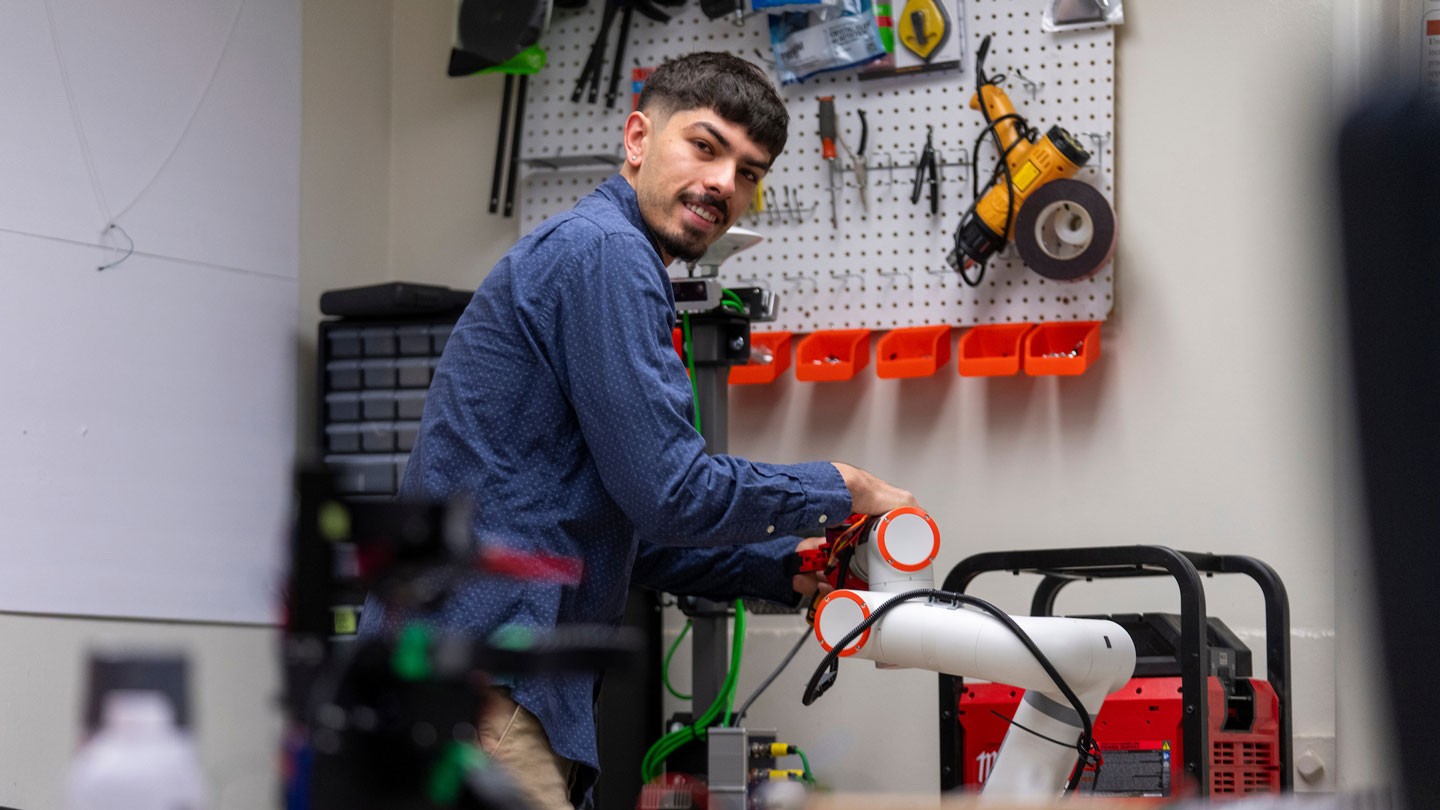
An engineer has developed a device intended to simplify labor in agriculture, potentially reshaping how farm work is done. This innovation targets tasks currently performed manually, leveraging technology to reduce physical strain and improve efficiency. The device is designed to assist laborers in common farming activities, though specific details about its operation remain limited.
The Push for Automation in Agriculture
The development highlights a broader trend toward automation in the agricultural sector. Farms worldwide are increasingly adopting mechanical and robotic solutions to address labor shortages, rising costs, and the need for increased productivity. The engineer’s device is part of this movement, aiming to bring more sophisticated tools to a traditionally labor-intensive industry.
The long-term implications of such a shift are significant. As agriculture becomes more reliant on technology, fewer human laborers may be required for some tasks. This raises questions about employment, worker retraining, and the sustainability of rural economies.
How the Device Works: Core Components
The device is described as utilizing a combination of sensors, mechanical engineering principles, and potentially GPS technology to navigate fields effectively. Sensors enable it to detect crop conditions, obstacles, and optimal harvesting times. Mechanical components provide the physical force to perform tasks like planting, weeding, or harvesting.
The engineer’s background in STEM—specifically science, technology, engineering, and mathematics—suggests a rigorous approach to design. The device likely draws on established principles of physics and materials science to ensure durability and reliability in harsh outdoor environments.
Broader Context: The Future of Farming
This innovation fits into a larger pattern of automation across industries. The goal is not to replace workers entirely, but to augment their capabilities and increase output. However, the rise of robots and automated systems will inevitably change the nature of work in agriculture, requiring a new generation of skilled technicians and engineers to maintain and operate these devices.
The long-term impact on consumers could include lower food prices, more consistent yields, and reduced reliance on manual labor. But it also raises ethical questions about the role of technology in food production and its effect on the livelihoods of farm workers.
Ultimately, this engineer’s invention is a sign of things to come: agriculture will continue to evolve with the relentless march of technology.