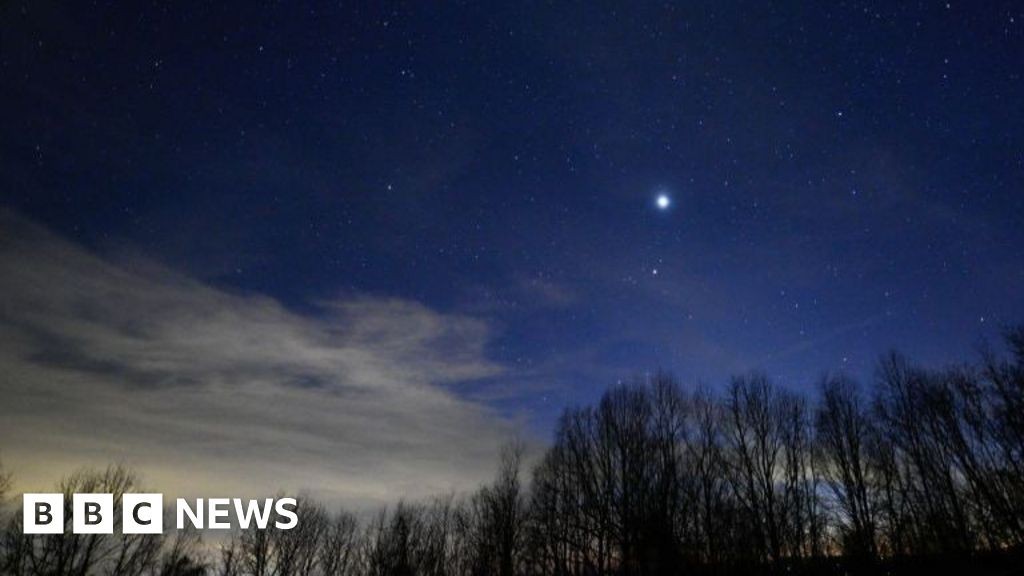
In an unusual celestial event, six planets – Mercury, Venus, Mars, Jupiter, Saturn, and Uranus – will appear closely aligned in the night sky in 2026, creating a spectacular “planetary parade.” This alignment offers a rare opportunity for skywatchers to observe multiple worlds during a single evening, visible shortly after sunset.
What to Expect: A Rare but Not Unique Alignment
While not an everyday occurrence, planetary alignments happen with relative frequency. A more comprehensive seven-planet alignment occurred in February 2025, though such events remain uncommon. The 2026 display will be most striking on February 28th for many locations, though exact visibility varies by geographic position. Major cities like New York, Tokyo, and London will have optimal viewing conditions around March 1st.
Why Planets Align: The Solar System’s Flatness
The reason these planets appear in a line is not due to some mystical cosmic force, but a fundamental aspect of how the solar system formed. As Dr. Becky Smethurst of the Royal Astronomical Society explains, the planets orbit in roughly the same flat plane. This is a result of the original gas cloud that birthed the Sun and planets spinning and flattening over time, like pizza dough stretched thin.
“All the planets orbit in the same flat plane… when we look up at the night sky, all the solar system objects take roughly the same path.”
This means they’re not actually lining up perfectly in their orbits, but happen to be on the same side of the Sun at this moment.
How to Maximize Your Viewing Experience
For the best chance of spotting the parade, find a location with a clear western horizon. Mercury and Venus will be the lowest in the sky, while Jupiter will be the brightest and easiest to locate high above in Gemini. Uranus will be visible in Taurus but requires more advanced equipment.
Astronomers recommend preparing for optimal stargazing:
- Dark Adaptation: Spend 5-10 minutes in darkness before going outside to allow your eyes to adjust.
- Comfort: Use a picnic blanket or lounge chair to avoid neck strain.
- Red Light: If using a phone app, activate the red light feature to preserve night vision.
- Dress Warmly: Even mild temperatures can feel cold when stationary outdoors.
Beyond the Peak: Continued Visibility
Even if you miss the peak alignment, Venus and Saturn will remain close together on March 7th and 8th, providing another chance to observe them. The parade serves as a reminder of the dynamic nature of our solar system and the beauty of celestial events accessible to anyone with clear skies and a bit of preparation.
In conclusion, the 2026 planetary parade is a rare and beautiful phenomenon that highlights the simple physics behind our solar system’s structure. Whether using binoculars, telescopes, or just your own eyes, taking the time to prepare will make the experience far more rewarding.