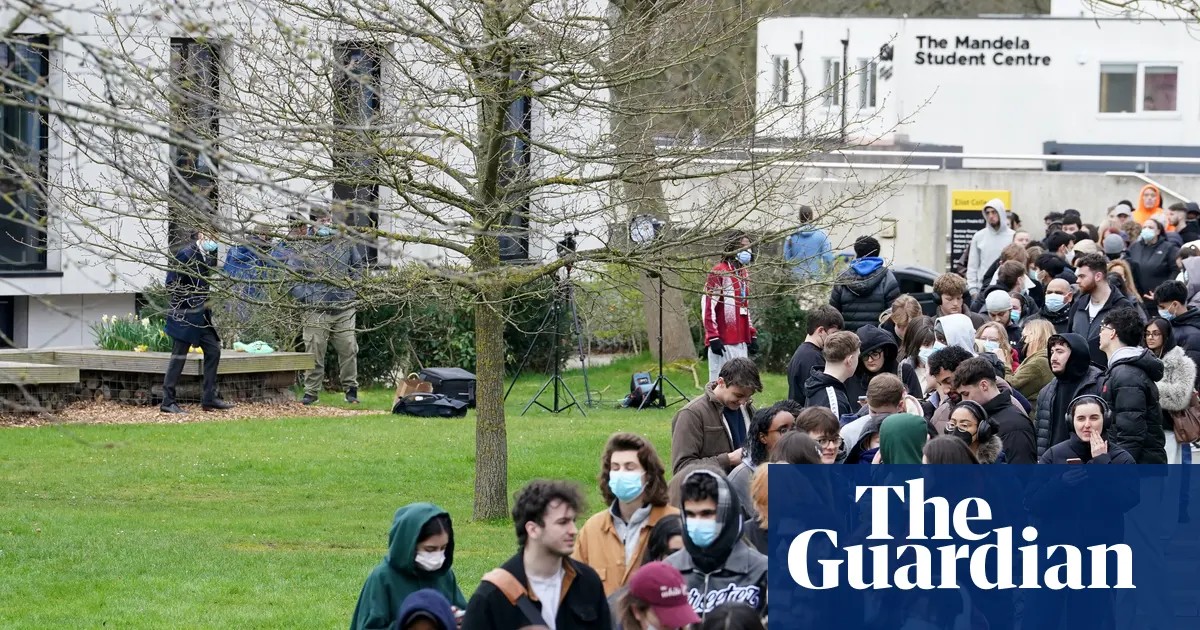
A deadly outbreak of meningitis in Kent, England, has triggered a surge in demand for vaccinations, leaving pharmacies struggling to meet anxious parents’ requests. Two young people have died and 13 remain seriously ill, prompting urgent action from health officials and widespread panic among the public.
Rare Outbreak, Rapid Response
The outbreak, linked to the Club Chemistry nightclub in Canterbury, is described as “unprecedented” by health secretary Wes Streeting. The UK Health Security Agency (UKHSA) confirms no evidence of spread beyond Kent, but is conducting intensive contact tracing to contain the infection. The outbreak is classified as a national rather than local incident, indicating the seriousness of the situation.
Supply Chain Strain
Demand for the meningitis B vaccine has skyrocketed, with 87% of pharmacies reporting a dramatic increase in inquiries. Parents are willing to pay upwards of £200 per child, but many pharmacies are unable to secure supplies from wholesalers. The situation highlights a systemic weakness: the MenB vaccine is only available on the NHS for babies, leaving older children and young adults vulnerable.
Public Anxiety and Scarcity
Parents are calling pharmacies “in a desperate effort” to secure vaccinations, with some pharmacies receiving dozens of requests in hours. Many pharmacies cannot meet demand, forcing them to turn away anxious parents. The scarcity is exacerbated by the fact that the vaccine usually sees limited demand, except for travelers needing it for international entry.
Calls for Broader Vaccination
The outbreak has renewed calls for the NHS to offer the MenB vaccine to teenagers and young adults. The Meningitis Research Foundation argues that cost should not be a barrier to life-saving vaccinations, while the National Union of Students urges universities to consider offering the vaccine to students.
Limited Effectiveness Concerns
Experts warn that the available MenB vaccines may not fully protect against the specific strain circulating in Kent, and protection takes weeks to develop. Some experts advise against private vaccinations at this time, as the outbreak may subside before the vaccine takes effect.
Investigation and Prevention
Authorities are investigating how the bacteria spread, with speculation focusing on shared vaping devices. Public health officials warn against sharing e-cigarettes to prevent further transmission.
The UKHSA is examining the JCVI’s previous decision against a catch-up campaign for young people, while assuring the public that it acted swiftly upon notification of the first case last Friday. Despite criticism, officials maintain they responded “as quickly and comprehensively as possible.”
The outbreak underscores the need for improved vaccine access for young adults and a proactive approach to infectious disease control. The current crisis demonstrates how quickly localized outbreaks can escalate into national concerns, highlighting the importance of rapid response and public health preparedness.