For years, the Democratic-led states of the U.S. Northeast served as a global blueprint for aggressive climate action. By implementing some of the world’s most ambitious policies to transition away from fossil fuels, these states aimed to lead the charge in reducing planet-warming emissions.
However, that momentum is hitting a significant wall. A combination of missed targets, rising living costs, and a shifting political landscape is forcing several states to rethink—and in some cases, scale back—their environmental commitments.
The Economic Friction: Affordability vs. Ambition
The primary driver behind this policy retreat is a growing tension between long-term environmental goals and the immediate financial reality of residents. As the transition to green energy requires massive infrastructure shifts, the costs are increasingly being felt at the kitchen table.
Several key states are currently navigating this crisis:
- New York: Governor Kathy Hochul recently admitted that the state’s landmark goal for deep emission cuts by 2030 is now “unattainable.” While regulators had considered imposing fees on polluters to bridge the gap, the Governor has signaled that the resulting spike in consumer electricity bills would be politically and socially untenable.
- Massachusetts: Lawmakers are actively considering cuts to programs that use utility bill surcharges to fund energy efficiency upgrades and heat pumps. Governor Maura Healey is currently prioritizing energy affordability to mitigate the impact of rising costs on households.
- Rhode Island: In a major shift, Governor Dan McKee has proposed pushing the state’s deadline for a 100% renewable electricity mandate from 2033 all the way to 2050. The move is a direct response to the steep near-term costs associated with the original timeline.
“The biggest hardship I hear from Rhode Islanders right now is their growing energy bills… We need to provide relief now.” — Gov. Dan McKee
The Broader Context: A Perfect Storm of Challenges
This regional retreat is not happening in a vacuum. It is the result of three converging pressures that are testing the limits of climate policy:
- The Cost of Transition: The “green premium”—the extra cost of choosing a clean technology over a fossil-fuel-based one—is being passed directly to consumers through utility bills, creating a populist backlash against climate mandates.
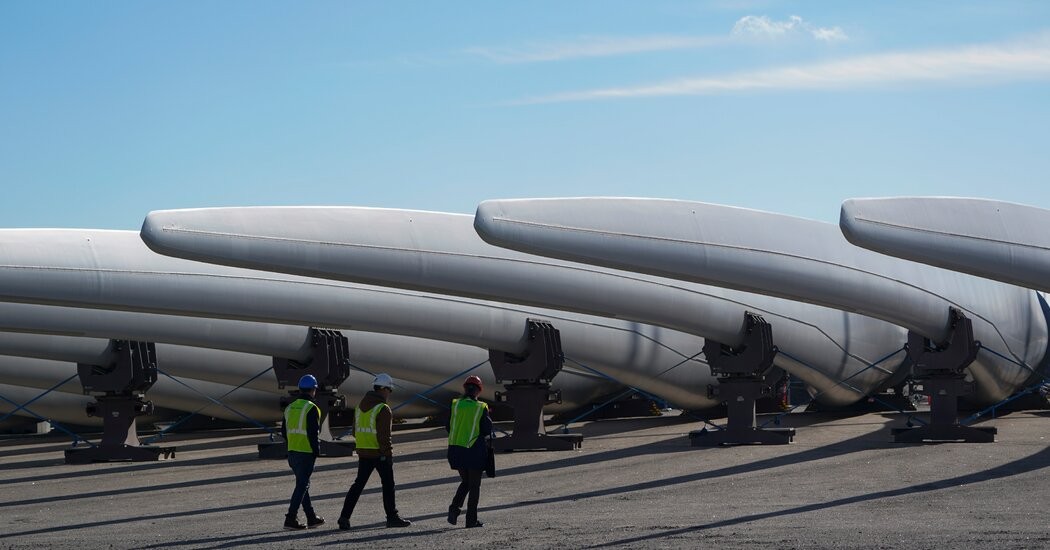
- Infrastructure Lag: Missing emissions targets suggests that the physical transition (building wind farms, upgrading grids, and installing heat pumps) is moving slower than the legislative timelines originally envisioned.
- Political Volatility: The looming hostility of the Trump administration toward renewable energy creates an atmosphere of uncertainty, making state leaders more cautious about committing to long-term, expensive mandates that may lack federal support or face future deregulation.
Conclusion
The shift in the Northeast marks a transition from “climate idealism” to “climate pragmatism.” While the long-term goal of decarbonization remains, state leaders are finding that without economic feasibility and public buy-in, even the most ambitious environmental laws can become politically impossible to sustain.