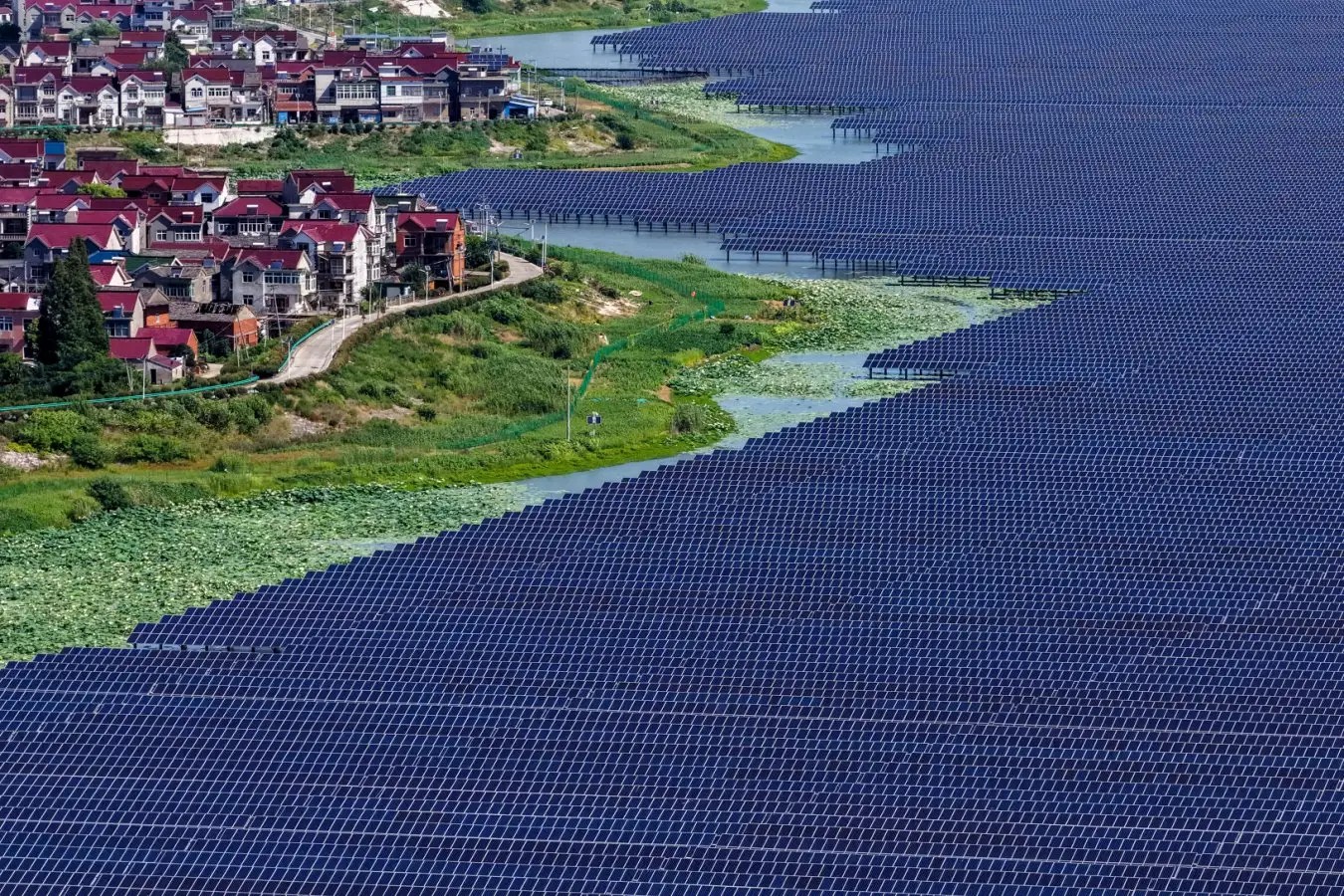
China, the world’s largest emitter of greenhouse gases, is at a critical juncture: whether its carbon emissions will begin a long-term decline as early as 2025. The outcome remains uncertain, but the latest data suggests a potential turning point that could significantly impact global climate goals.
The Balancing Act
For years, China has pledged to reach peak emissions by 2030 – a deadline considered essential to averting the most severe consequences of climate change. As of late 2025, the situation is delicately poised, with emissions either flat or falling slightly since March 2024. This balance reflects the tension between rapid growth in renewable energy and continued demand for fossil fuels in other sectors.
The Renewable Surge
The primary driver behind potential emission reductions is the explosive growth of solar and wind power. China has been adding solar capacity at an unprecedented rate – roughly 100 solar panels installed per second in the first half of 2025. This has resulted in a 50% year-on-year increase, exceeding the total installed capacity of the United States in just nine months. Nuclear power has also contributed to offsetting increased electricity demand.
Fossil Fuel Demand Remains High
Despite the gains in renewables, fossil fuel consumption persists in key industrial sectors. The chemical industry, in particular, has seen a significant rise in coal and oil use. Overall electricity demand continues to grow, but the rapid expansion of renewable sources has largely met – and even surpassed – that growth.
Trade and Geopolitics
U.S. trade tariffs under President Trump have had little discernible impact on China’s emissions, with offsetting economic forces neutralizing any substantial effect.
Cautious Optimism
Experts caution against premature celebration. While current trends suggest a potential peak, confirmation requires sustained data over the next few years. Even if China reaches peak emissions ahead of schedule, significant declines are not expected for at least another five years due to the country’s ongoing economic development and rising per capita energy consumption.
“The future of the Paris Agreement’s temperature targets depends on how quickly China and developed nations accelerate emissions reductions.” — Li Shuo, Asia Society Policy Institute
Ultimately, China’s emissions trajectory will be a crucial determinant of global climate success. While the possibility of a peak in 2025 offers a glimmer of hope, sustained and rapid emissions reductions are still necessary to meet international climate goals.