The Western United States is facing an unusually high wildfire threat this summer, according to the latest projections from the National Interagency Coordination Center. New data reveals a dramatic shift in risk levels compared to earlier this year, with high-danger zones spreading much further north and east than typical seasonal patterns suggest.
A Rapidly Expanding Risk Zone
The most striking aspect of the new forecast is the geographical spread of “elevated risk” areas. While the March outlook showed only a small pocket of high risk in the Southwest, the June report shows those danger zones—marked in red on official maps—spilling across the Rockies, the Pacific Northwest, and Northern California.
Experts note that this rapid northward expansion is highly unusual for this time of year. Typically, June features lingering snowpack in mountain ranges that helps keep the landscape moist. This year, however, the landscape is drying out much faster than expected.
The Drivers: Snow Drought and Extreme Heat
Several environmental factors are converging to create a “perfect storm” for wildfire ignition:
- Unprecedented Snowmelt: In the Four Corners region, snowmelt occurred four to six weeks earlier than any previously recorded date.
- Extreme Temperature Spikes: Recent heat waves have desiccated vegetation. For instance, Albuquerque recorded its earliest 90-degree day on March 21—more than six weeks earlier than the previous record set in 1947.
- Low Snowpack: A lack of winter snow accumulation, combined with higher-than-average temperatures, has left much of the West in a state of extreme dryness.
Climatologists suggest that the combination of such low snowpack and record-breaking temperatures would be virtually impossible without the influence of climate change.
The Logistics of Fire Suppression
The primary concern for emergency responders is not just the intensity of individual fires, but the scale of simultaneous outbreaks.
“Our fire suppression apparatus is in part dependent on the whole region not being on fire at the same time,” warns Matthew Hurteau, director of the Center for Fire Resilient Ecosystems and Society at the University of New Mexico.
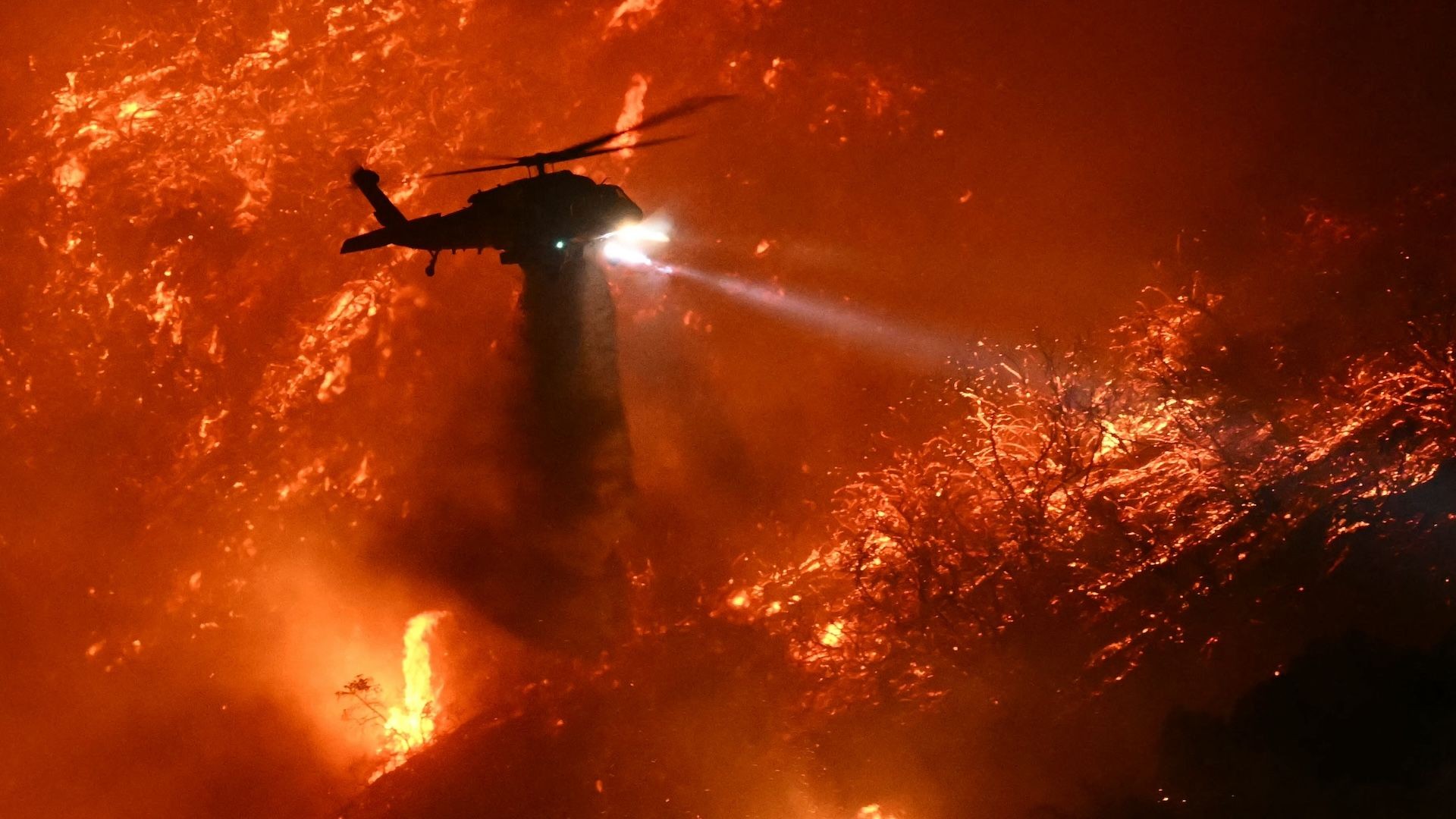
Wildfire management relies on a “mobile” strategy where crews move from one hotspot to another. If fires break out across the entire West simultaneously, resources—such as water bombers, specialized crews, and equipment—could be stretched to a breaking point, leaving certain regions vulnerable.
Looking Ahead: Variables and Volatility
While the maps indicate high risk, they are not a guarantee of catastrophe. Localized factors such as wind patterns and sudden precipitation can drastically alter the outcome.
- The “Rain” Factor: Recent rainfall in areas like Albuquerque has provided temporary relief. A wet spring could potentially lower the overall risk, as seen in previous years.
- Ignition Peaks: Experts are particularly wary of July, noting that the Fourth of July historically represents the single highest day for fire ignitions.
- Regional Exceptions: While the West is the primary concern, drought is also increasing risks in areas like Florida. Conversely, Southern California remains relatively stable for now, as its peak season typically arrives later in the summer or fall.
Summary
The Western US is entering a high-risk wildfire season driven by record-breaking heat and premature snowmelt. While rainfall could mitigate the danger, the sheer geographic scale of the threat poses a significant challenge to emergency response resources.