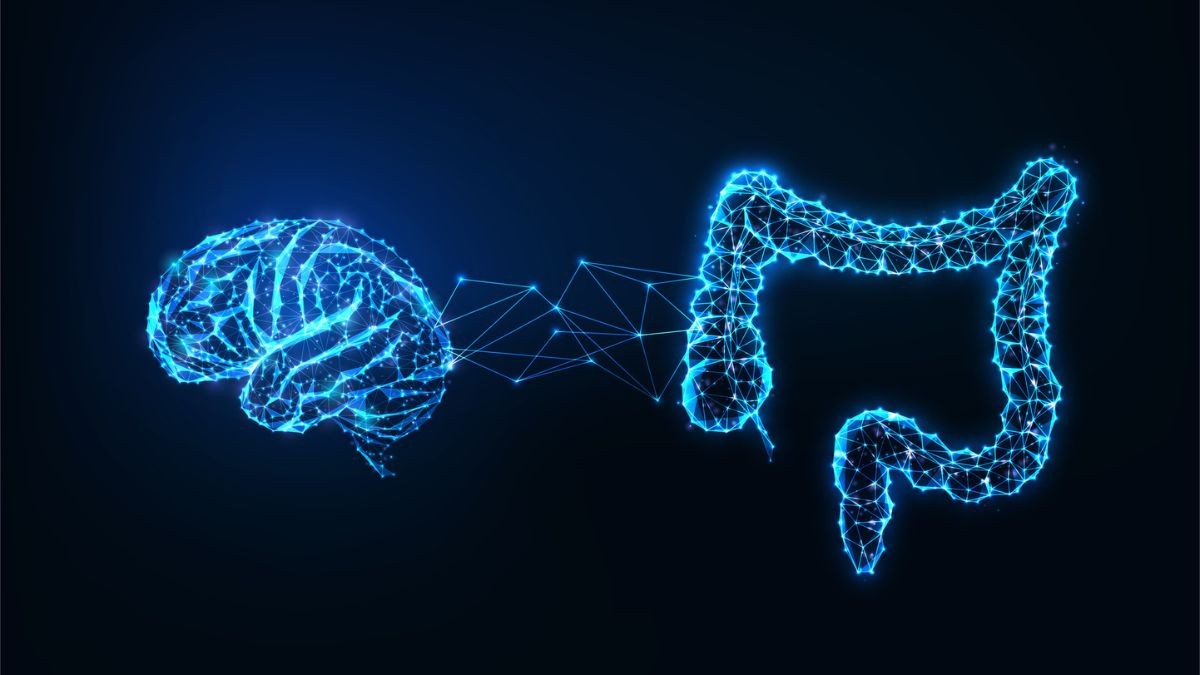
The emerging field of gut-brain research suggests a powerful link between the microbiome in our digestive system and cognitive function, potentially offering new strategies to combat age-related mental decline. Recent studies indicate that rebalancing the gut microbiome may prevent or slow cognitive impairment in older adults – a critical discovery given the rising rates of dementia worldwide.
The Gut-Brain Axis: A Two-Way Street
For years, scientists have recognized a connection between the gut and the brain, often referred to as the gut-brain axis. This isn’t just a metaphorical link; it’s a direct biological pathway. The gut microbiome—the trillions of bacteria, fungi, viruses, and other microbes living in our intestines—influences brain health through multiple mechanisms. These include the production of neuroactive compounds, modulation of the immune system, and regulation of inflammation.
Clinical Trial Results: What the Data Shows
A recent review of 15 human studies, encompassing over 4,275 participants aged 45 and over, provides some of the strongest evidence to date. Researchers across Europe, Asia, North America, and the Middle East analyzed interventions aimed at modifying the gut microbiome. These included dietary changes (like the Mediterranean or ketogenic diet), omega-3 supplementation, probiotics, prebiotics, and even fecal matter transplants (FMT).
Participants receiving gut-modulating interventions exhibited greater microbial diversity, accompanied by improvements in memory, executive function, and overall cognition. The most pronounced effects were observed in individuals with mild cognitive impairment, though the benefits were less significant in advanced Alzheimer’s disease.
Intervention Types: From Diet to Transplants
The review highlights several approaches:
- Dietary Strategies: The Mediterranean diet, rich in olive oil and nuts, demonstrated improved cognition compared to low-fat diets.
- Supplements: Omega-3 fatty acids and plant-fiber prebiotics showed promising results in boosting brain function.
- Probiotics & Synbiotics: These interventions improved executive function, memory, and verbal fluency while increasing microbial diversity.
- Fecal Matter Transplants (FMT): Though experimental, FMT showed the most striking outcomes, with recipients exhibiting richer gut microbes and improvements in cognitive tests. However, long-term stability and safety remain uncertain.
How Does It Work? Potential Mechanisms
The exact mechanisms driving these effects are still under investigation, but several theories have emerged:
- Short-Chain Fatty Acids (SCFAs): Gut microbes produce SCFAs, which have anti-inflammatory and neuroprotective properties.
- Intestinal Barrier Integrity: A “leaky gut” allows microbes to enter the bloodstream, triggering inflammation. Modulating the microbiome can restore barrier function.
- Immune System Modulation: The gut microbiome profoundly affects the immune system, which plays a critical role in neuroinflammation and dementia.
- Sleep Regulation: Gut health is linked to sleep patterns, and sleep disturbances are a known risk factor for cognitive decline.
The Sixth Sense? Bidirectional Communication
Some scientists now argue that the gut-brain connection is so strong that it should be recognized as a distinct sensory system. This bidirectional communication influences not just cognition but a wide range of health conditions. Understanding this “sixth sense” could revolutionize the treatment of neurological disorders, mood disorders, and other chronic illnesses.
Conclusion: While further research is needed to confirm long-term efficacy and safety, the gut-brain connection is rapidly emerging as a vital target for preventing and mitigating cognitive decline. Dietary interventions, supplements, and even experimental procedures like FMT show promise, but larger, long-term randomized trials are critical to unlocking the full potential of this exciting field.