A natural disaster is not just a scary weather event or a ground shaking. It is a powerful natural phenomenon that endangers human lives. The difference is crucial. Not every natural occurrence qualifies. The term “disaster” only applies when the phenomenon affects a population that is at risk enough to suffer serious consequences.
Consider the difference between a hazard and a disaster. A hazard is the physical event itself. A disaster is an impact on people. When an earthquake shakes a remote desert with no one around, it’s a geological event. It is a natural phenomenon. It’s not a disaster. No lives were lost. No cities are destroyed. The risk remains theoretical because the exposure is zero.
Now imagine that same earthquake shaking a densely populated city with poor building codes. People die. The infrastructure is collapsing. Disruption of supply chains. Suddenly, a natural phenomenon has crossed the line. It has become a disaster. The strength of the earthquake can be the same in both scenarios. The difference is entirely in human vulnerability.
This definition changes the way we should look at risk. It is not enough to study the intensity of the storms or the magnitude of the shaking. We must look at who is in the path. Vulnerability is a multiplier. It turns a natural event into a human tragedy. Ignoring this difference leads to poor preparation. We focus on the event. We forget exposure.
A disaster is a natural phenomenon that significantly affects the population in precarious conditions.
The key takeaway is simple. Nature provides the hazard. Human circumstances create the disaster. Without vulnerability, there is no disaster. Just phenomena. This perspective changes everything. It shifts the conversation from predicting the inevitable to mitigating the avoidable.
Classification of chaos
Nature does not warn before it acts. We categorize disasters by how they occur, primarily because it helps us understand what we’re dealing with.
Meteorological disasters are outbursts of weather. Hurricanes. Hailstorms. Terrible rain. These are determined solely by atmospheric conditions.
During hydrological disasters, water behaves badly. Floods and tsunamis are usually caused by other triggers, such as atmospheric changes or geological shifts.
Geophysical disasters arise from the earth itself. The crust moves. The surface shifts. Earthquakes and volcanic eruptions fall squarely here. They are a stark reminder that the planet is still active.
Biological disasters are more difficult. Bacteria, viruses, parasites. When these pathogens spread rapidly, epidemics or pandemics occur. The disaster isn’t just the germ; It is the collapse of health systems under the weight of infection.
Then there are space phenomena. Solar storms disrupt grids. Meteorites fall from the sky. Rare, but physically real.
Human factor
Why do these things happen? It boils down to two main reasons. First, natural phenomena that exceed normal limits. Second: human intervention pushes ecosystems past their breaking point.
Natural disasters are part of the Earth’s life cycle. Tectonic plates are moving. Volcanoes breathe. These processes are independent of humanity. We can’t stop the earthquake. We cannot stop a volcano from erupting. What we can do is limit the damage. Evacuation plans. Emergency protocols. These will not stop the event, but they will save lives.
Man-made disasters are different. Deforestation. Uncontrolled industrial pollution. Transport emissions. When we change the ecosystem indiscriminately, we initiate changes that threaten survival. Trees that hold soil vanish, leading to worse flooding. Carbon emissions lead to drastic temperature fluctuations. Unlike natural events, they are preventable. We cause them. We can also stop them.
Consequences
Consequences vary by extent and location. However, the damage can rarely be limited to one category.
- Loss of life. Always the primary fear.
- Disease outbreaks. Standing water and cramped shelters create breeding grounds.
- Collapse of infrastructure. houses. Bridges. Power grids.
- Service interruptions. Water, electricity and communication cut off.
- Topographic changes. Landscapes are physically rewritten. Rivers change course.
- Ecosystem changes. Habitats are disappearing. Animals are forced to migrate. Species become extinct.
- Destruction of agriculture. Crops fail. Food security is at risk.
Specific threats
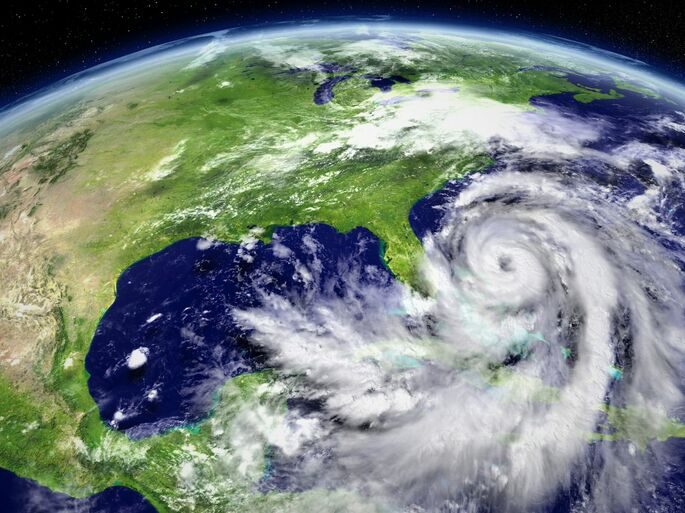
Hurricanes are perhaps the most famous. They are swirling winds, accompanied by heavy rain, created by sudden depressions of the atmosphere in tropical regions. The name changes according to the geographical location. Cyclone in the Indian Ocean and Southwest Pacific Ocean. Hurricane in the Caribbean. Typhoon in the Western Pacific and Sea of Japan.
Storms are a broader category.
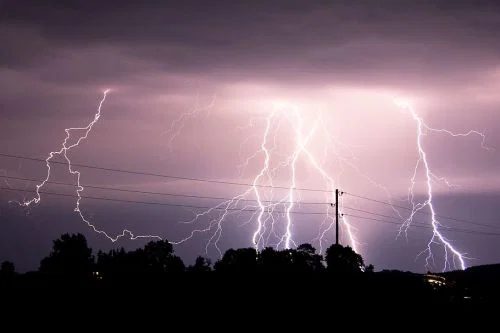
A storm is not just bad weather; it is a physical collision. When air masses of different temperatures collide, the atmosphere loses its stability. This instability fuels the chaos we know as storms: rain, lightning, thunder, high winds and hail. When lightning is involved, the event has a special name – a thunderstorm.
Heavy, continuous storms don’t just wet the road. They cause flooding. They destroy property. A lightning strike can start fires and turn a rainy day into a disaster.
When snow becomes a weapon
A blizzard is different from a regular snowstorm. The wind is strong and the temperatures drop below zero. Visibility disappears. Cold is aggressive. It can cause disorientation, frostbite and hypothermia, which can be life-threatening.
The Water Spout Mystery
A waterspout looks like a funnel cloud touching water. It merges with the cumulus cloud above. There are two types of them. Tornado-driven waterspouts are formed when a land tornado moves over water. Non-tornado waterspouts form directly on the surface of the water. They are common in warm climates, but can still be dangerous to boaters.
The Slow-Burning Threat: Heatwaves
A heatwave is not just a hot day. It is a time when temperatures rise well above their normal range. The danger here is subtle. It causes hyperthermia, which is fatal. It also dries out landscapes and leads to forest fires. Heat waves are often followed by droughts, which reduce the water supply for weeks or months.
The Shock of Cold
An arctic blast or cold wave occurs when a mass of polar or arctic air enters an area. Temperatures drop suddenly. This is not gentle cooling. Hypothermia can occur quickly. Heavy snowfall can block roads and disrupt communication lines, isolating communities.
Dust storm
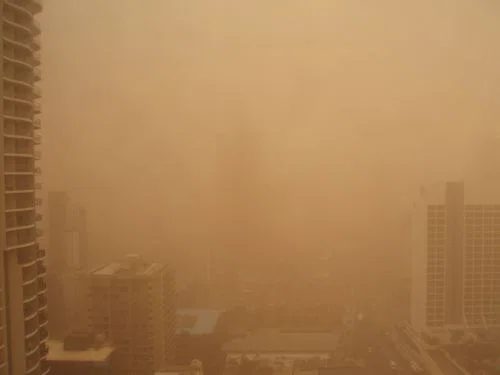
Dust storms are created when strong winds lift loose soil and sand from dry areas. Visibility drops to almost zero. The air is filled with particulate matter, which makes breathing difficult. These storms are common in dry lands, but are becoming more common due to land degradation and climate change.
Dust suffocation and heat death
The wind just doesn’t blow. Returned. In arid or semi-arid regions, strong winds turn the dust into thick, suffocating clouds. These are not just weather phenomena. There are environmental and health crises in the air that cause breathing problems and blurred vision.
Then there is simún.
This was not a calm wind. This is a strong, dry and very hot current of air that blows through desert regions. The fever is so intense that it can cause hyperthermia. Too dry air can cause suffocation. It was a one-two punch and he had already killed someone. Why? This is because if the air is warmer than the human skin, the body cannot be cooled. This is because the lungs dry out before the water in the body is depleted.
雨停的时候
干旱是由“不”发生的事情来定义的。 没有下雨。 无径流。 只是缓慢而缓慢的缺水。
直接的效果是口渴。 长期影响是饥饿。
当土壤持续干燥时,农作物就会歉收。 牲畜死亡。 粮食产量降至零或接近于零。 这不仅给农民带来不便。 这是造成饥荒的直接原因。 人们不会挨饿,因为世界上没有食物。 他们挨饿是因为当地的系统在长期干旱的重压下崩溃了。
当水回流太快时
洪水。
Natural disasters are not just abstract concepts from history books. These are direct, violent interactions between land and human settlement. Understanding the mechanisms behind these events is the first step in mitigating their effects.
When water overflows its banks
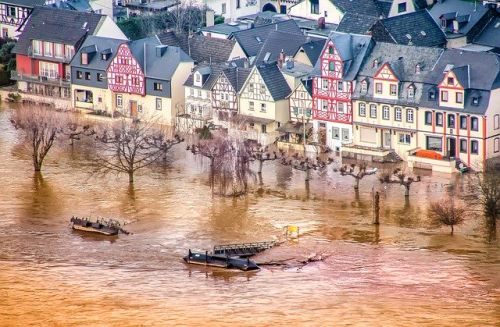
Floods occur when water bodies exceed their natural channels. Result? Water often spreads to adjacent areas at devastating speeds. These events are usually a direct result of severe weather events. Heavy rain, rapid snowmelt, or storm surges can push rivers and lakes beyond their limits. Damage is widespread and affects homes, infrastructure and ecosystems in floodplains.
Tsunamis: Violent reaction of the sea
Tsunamis are fundamentally different from normal waves. This results in massive displacement of seawater. This displacement is typically triggered by underwater earthquakes. In particular, when the center of a seismic event is on a continental shelf or ocean, it displaces the water column above it. Energy spreads in all directions. Unlike wind-driven waves that only affect the surface, a tsunami moves the entire depth of the ocean. When it reaches shallow water near the coast, the height of the waves increases dramatically, often leading to catastrophic flooding.
Earthquake: A sudden shaking of the earth
An earthquake or seismic event is a strong, sudden earthquake. It’s short but intense. The reason is deep under our feet. The Earth’s crust is divided into tectonic plates. These plates are constantly moving, albeit very slowly. If they stick to the edges due to friction, the tension increases. When that stress is finally released, the ground jolts. This movement releases energy in waves that travel through the earth. The intensity depends on the extent of the landslide and the proximity of populated areas.
Volcanic eruptions: pressure released
Volcanic eruptions occur when magma, rock fragments and hot gases escape from beneath the earth’s surface. This happens when pressure builds up in the magma chamber. The result can range from gentle lava flows to explosive ash clouds reaching into the stratosphere. Like earthquakes, eruptions are associated with tectonic activity and often occur at plate boundaries or hotspots. The released ash and gas can affect global climate patterns, while lava flows and pyroclastic density currents pose an immediate threat to surrounding communities.
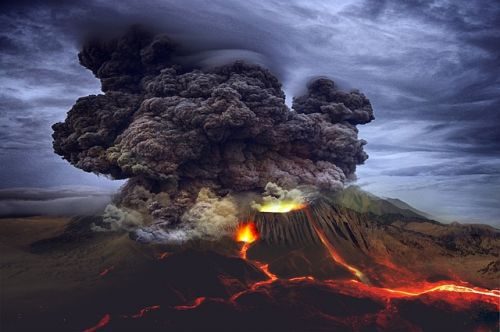
Volcanic Explosions and mass movements
Volcanic eruptions are basically violent expulsions. As the magma heats up deep underground, the pressure increases until it can’t take it anymore. Then it explodes. Active materials – ash, rock, gas – suddenly escape. It’s not a slow leak. It’s a explosion. This is the raw power of vulcanism reduced to its mechanics.
But the earth does not stop at the crater.
Landslides are the other side of that coin. Mass movements occur across the surface. Mud. Rock. Snow. Everything that is there is dragged along. The momentum are terrifying. Everything in the path disappears. What triggers them? Often it is the eruption itself. The ground shakes. The Tremors destabilize the slopes. Heavy rain loosens the grip of the earth. Or just time. Gravity eventually wins. When an eruption occurs, it’s not just lava you’re watching. It’s the whole hillside coming down.
Disease Outbreaks: from local to global
Then there is the invisible threat.
Epidemics are disease outbreaks. High contagion rates. They hit a specific population. For a set period. Think of it as a localized storm. It’s contained, but dangerous. A virus or bacteria spreads quickly among people nearby. Hospitals are filling up. Supply chains are stutter. It is intense but usually geographically limited.
Pandemics change the scale entirely.
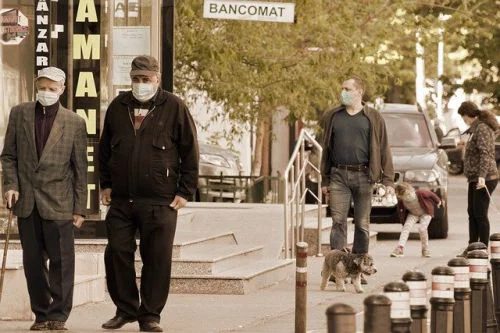
When epidemics spread from their original population to other countries, they cross a threshold. The situation is developing from a local health crisis to an international emergency. But pandemics aren’t the only threat that spreads around the world overnight.
Solar storms and grid vulnerability
These events have another name: geomagnetic storms. They occur in a cycle tied to the rhythm of the sun’s activity.
Solar flares occur. Hot gas clouds expand. Energetic particles fly out. When they hit the Earth’s magnetic field, the reaction can be violent.
The intensity varies. Weak storms can simply dazzle the aurora. Strong ones? They disrupt communication networks. They cause power outages. There are even studies linking them to health problems in sensitive people.
The grid is the weak point. Transformers can fry. Satellites can fail. Modern life is based on electricity. A massive solar storm would expose this dependence in the worst possible way.
Meteorite Impacts
Then there’s the rock from space.
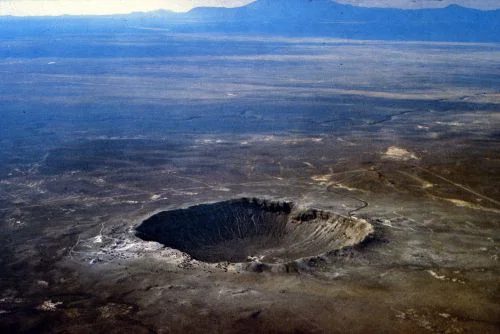
When space rocks become threats to the planet
Meteor showers are often romanticized as a fleeting burst of light, a cosmic phenomenon that seems distant and harmless. But the reality of what happens when space debris hits Earth is much more visceral. It begins with rocks hurtling through the void of space at breathtaking speeds.
Once these materials enter the atmosphere, they don’t just fall away; They collide with the planet. Friction heats them up, creating the streaks we see at night, but the process doesn’t stop there. If the object is small, it burns completely. If it’s big, it will survive the descent.
Then it hits the surface.
Scale is important. A large enough boulder doesn’t just make a crater. It can destroy the area directly above the point of impact. The energy released is comparable to nuclear events, but natural and uncontrollable. This isn’t just astronomy. It is a reminder of the kinetic force stored in moving mass.
We follow these objects not out of curiosity, but because the difference between a flash in the sky and a city-wide disaster is often only a few meters across. The atmosphere is a protective shield, but it has its limits. When an object penetrates these defenses, the result is physical, immediate, and potentially catastrophic for everything below it.
Why size determines damage
The question is not whether space rocks exist. It’s about which ones pose a real threat.
“If the size of the rock is large enough, the meteorite can destroy the place it hits.”
That’s not an exaggeration. It’s physics. Momentum is equal to mass times velocity. If you multiply the mass of the asteroid by the high speed at which it is moving, the resulting impact energy is enormous.
Small stones evaporate. The medium ones create craters. The big ones change the landscape. The difference is crucial for planetary defense strategies. We will focus on the “City Killers” and “Continent Killers” events because these are events that are important to the survival of humanity.
The atmosphere burns up most debris. It’s a natural filter. But it doesn’t save everything. Some objects are dense enough or small enough relative to their mass to penetrate. While they were still in motion, they hit the ground. Then the destruction begins.