


It looks like simple white powder. It is a crystalline solid with no real flair. But this stuff changed modern medicine. Salicylic acid is the backbone of aspirin. Without it, pain relief would look very different today.
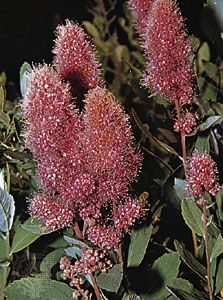
The compound shows up in nature, too. You can find small amounts in many plants. Willow bark is the most famous source. The genus Spiraea also holds the acid naturally. Nature hides it away in leaves and stems. Humans just had to learn how to pull it out.
Chemists caught up with nature slowly. An Italian scientist named Raffaele Piria made the first man-made version in 1838. He worked with salicylaldehyde. It was a start. But the method was not practical for mass production.
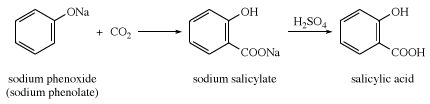
Real progress came from Germany. Hermann Kolbe and Eduard Lautemann cracked the code in 1860. They used phenol and carbon dioxide. It was a clever trick. They forced these chemicals to react. The result was salicylic acid.
We still use that logic today. The process is cleaner now. We start with dry sodium phenoxide. That is sodium phenolate. We mix it with carbon dioxide. Then we add acid to finish the job. The molecule is simple. The impact is huge.
Its methyl ester version lives in oil of wintergreen. That scent is everywhere in candies and rubs. But the free acid is the star. It makes aspirin possible. It treats inflammation. It calms pain.
Why does this old chemistry still matter? Because it works. The synthesis from phenol and carbon dioxide remains a cornerstone of industrial organic chemistry. It shows how we can turn basic ingredients into life-saving tools.
The journey from Spiraea to pharmacy shelves took over a century. We refined the methods. We scaled the output. The core idea stayed the same. Nature provided the blueprint. We built the factory.
Next time you take a pill for a headache, think about the crystals. Think about the willow. The science is old. The relief is immediate. The connection is direct.


Beyond Aspirin: The Real Chemistry of Salicylic Acid
We all know salicylic acid as the bane of acne-prone skin or the main ingredient in aspirin. But the industrial reality is a bit more chemical and far more versatile than the bottle on your bathroom counter suggests.
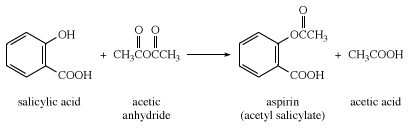
When manufacturers produce salicylic acid on a commercial scale, they rarely stop at the acid itself. The primary destination is aspirin. This happens through a reaction with acetic anhydride. It’s a standard esterification process, converting the acid into acetylsalicylic acid, which is gentler on the stomach than its parent compound.
But if you look past the painkillers, the chemistry gets interesting.
Synthetic Flavorings and Skincare Secrets
One of the most recognizable derivatives is methyl salicylate. You might know it as synthetic oil of wintergreen. The process is straightforward: you esterify salicylic acid with methanol, using an acid catalyst to drive the reaction. The result is that distinct minty scent and flavor used in candies, chewing gum, and oral care products. It’s not just about taste; it’s about the specific olfactory profile that defines “wintergreen.”
Then there’s phenyl salicylate. This compound is created by reacting salicylic acid with phenol. It doesn’t have the culinary appeal of methyl salicylate, but it has serious functional uses. It’s a key ingredient in sunburn creams, likely due to its ability to absorb UV radiation. It also appears in enteric-coated pills, helping medications pass through the stomach intact.
The utility extends further into agriculture and pest control. Phenyl salicylate is a precursor to salicylanilide, a compound deployed as a fungicide and mildew preventive. It’s not in your medicine cabinet, but it’s likely protecting your crops.
On the dermatological front, salicylic acid remains the gold standard for exfoliation. It’s the active agent in preparations designed to combat warts, corns, and calluses. Its keratolytic properties break down the protein structures in dead skin cells, allowing them to shed. It’s also a staple in treatments for various skin diseases, including psoriasis and eczema, where gentle removal of flaky skin is necessary.
The Salt Connection
Not all uses involve the acid itself. The sodium salt of salicylic acid plays a quieter but significant role in the textile and manufacturing industries. It is used in the production of certain classes of dyes. The salt form offers different solubility and reactivity profiles, making it indispensable for coloring fabrics and other materials in ways the free acid cannot.
Physical Properties and Stability
Understanding how pure salicylic acid behaves under heat is crucial for handling and manufacturing.
When crystallized from hot water, pure salicylic acid forms white needles. These crystals have specific thermal behaviors:
- They sublime without decomposition at temperatures up to 155 °C (311 °F). This means they transition directly from solid to gas under the right conditions, a property useful in purification.
- They melt at 159 °C (318 °F).
- However, stability is


