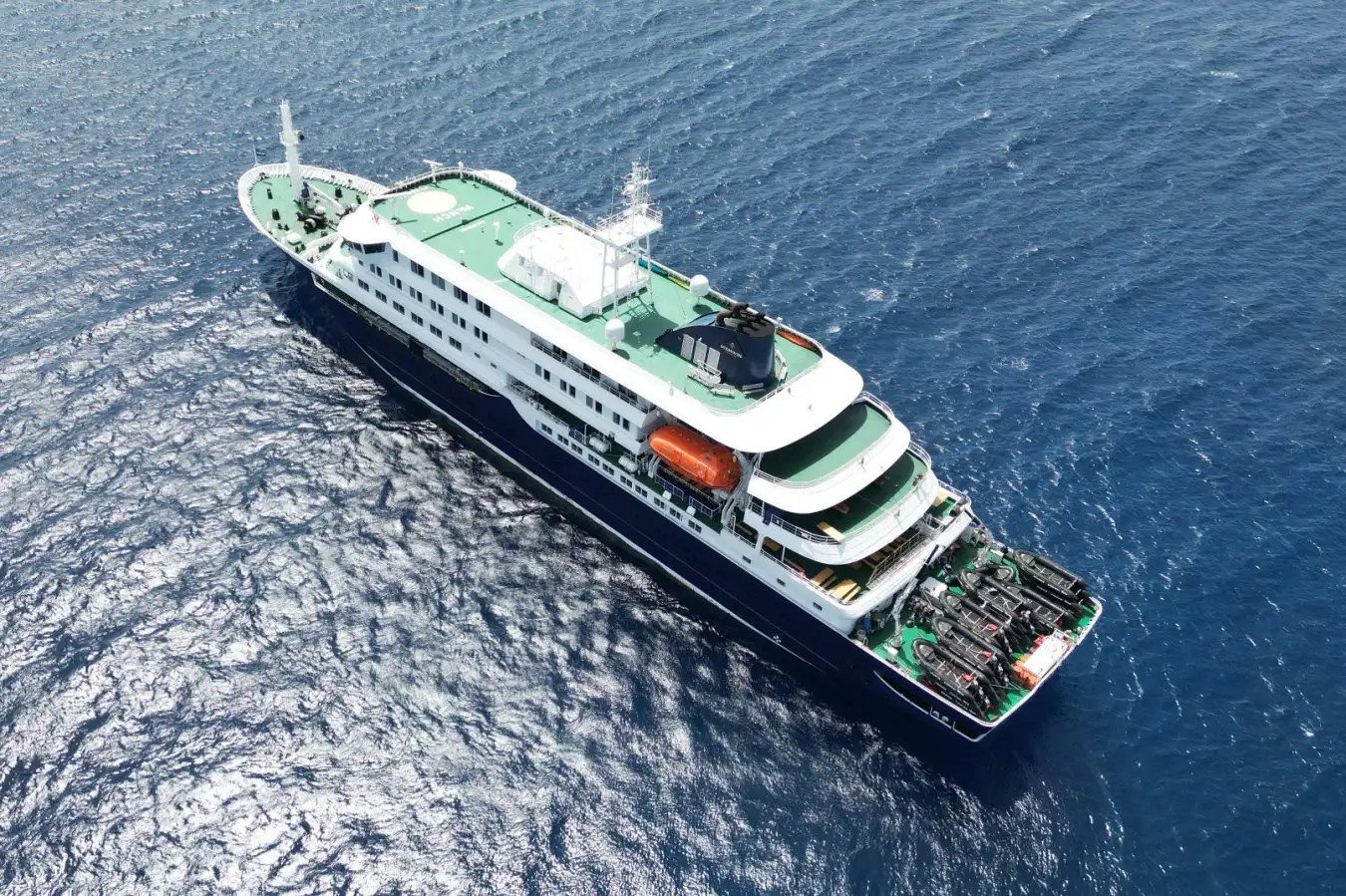
A serious outbreak of hantavirus has struck the cruise ship MV Hondius, resulting in three deaths and multiple confirmed cases among passengers. The incident has triggered medical evacuations to the Netherlands and raised urgent questions about how a rodent-borne virus can spread in a confined maritime environment.
While hantaviruses are typically transmitted through contact with infected rodents, this specific outbreak involves the Andes virus, a strain known for its potential to spread from person to person under certain conditions. Health authorities are currently investigating whether the exposure occurred on board, during shore excursions, or prior to boarding.
The Timeline of the Outbreak
The MV Hondius departed from Ushuaia, Argentina, on April 1, embarking on a complex itinerary across the South Atlantic. The route included stops in Antarctica, South Georgia, Nightingale Island, Tristan da Cunha, Saint Helena, and Ascension Island.
The health crisis unfolded as follows:
* Fatalities: Two passengers died while on the ship. A third passenger died in South Africa two days after disembarking in Saint Helena.
* Evacuations: Three individuals with suspected hantavirus were evacuated to the Netherlands for specialized medical care.
* Critical Care: A British national remains in intensive care in Johannesburg, South Africa.
* Confirmed Cases: A Swiss passenger who left the ship at the end of April has tested positive after developing symptoms.
* Precautions: Two asymptomatic British passengers are self-isolating at home, as advised by the UK Health Security Agency.
What Is Hantavirus?
Hantaviruses are a family of viruses carried by rodents. Humans become infected primarily through contact with the urine, droppings, or saliva of infected rodents, often by inhaling aerosolized virus particles.
The clinical impact of hantavirus varies significantly by region:
* In the Americas: The virus typically causes Hantavirus Cardiopulmonary Syndrome (HCPS), a severe respiratory illness with a mortality rate of up to 50%.
* In Europe and Asia: It usually causes Haemorrhagic Fever with Renal Syndrome (HFRS), which primarily affects the kidneys and blood vessels.
Globally, annual infections range from 10,000 to over 100,000, with the highest incidence rates in Asia and Europe. However, the strain identified in this outbreak—the Andes virus —is distinct because it is one of the few hantaviruses documented to transmit between humans.
The Unique Risk of Human-to-Human Transmission
According to South Africa’s National Institute for Communicable Diseases, two passengers who disembarked tested positive for the Andes virus. This specific strain is notable because it can spread from person to person, although such transmission is rare.
“Hantavirus is not generally considered easily transmissible between people,” noted Roger Hewson from the London School of Hygiene & Tropical Medicine.
When human-to-human transmission does occur, it is associated with:
1. Close and prolonged contact: Typically among household members or intimate partners.
2. Early illness phase: Transmission is most likely when the virus is most active in the patient’s system.
Despite these risks, experts emphasize that the virus is not airborne in the same way as influenza or measles. Transmission usually requires direct exposure to bodily fluids or contaminated environments.
Symptoms and Diagnosis
The initial signs of hantavirus infection are often non-specific and mimic common viral illnesses. Symptoms include:
* Fever
* Muscle aches
* Headache
* Gastrointestinal issues (such as nausea or vomiting)
In severe cases, particularly with HCPS, patients may progress to acute respiratory distress. Diagnosis requires specialist blood tests, as standard clinical observation is insufficient for confirmation.
Why This Outbreak Matters
The occurrence of hantavirus on a cruise ship is unusual and raises critical public health questions. Typically, infection risks are linked to rural environments, farming, forestry, or cleaning rodent-infested dwellings.
Adam Taylor of Lancaster University advises against panic, noting that transmission usually requires direct contact with animal bodily products. However, the cluster of cases on the MV Hondius suggests a shared exposure event.
“The fact that cases have been identified in people associated with the same vessel does not by itself tell us whether exposure occurred on the ship, before boarding, during shore excursions, or through some other shared environmental exposure,” Hewson explained.
Conclusion
Public health officials are prioritizing laboratory confirmation and virus sequencing to determine the exact source of the outbreak. While the Andes virus poses a serious threat due to its severity and potential for limited human-to-human spread, current measures focus on isolation and monitoring close contacts to prevent further transmission.