


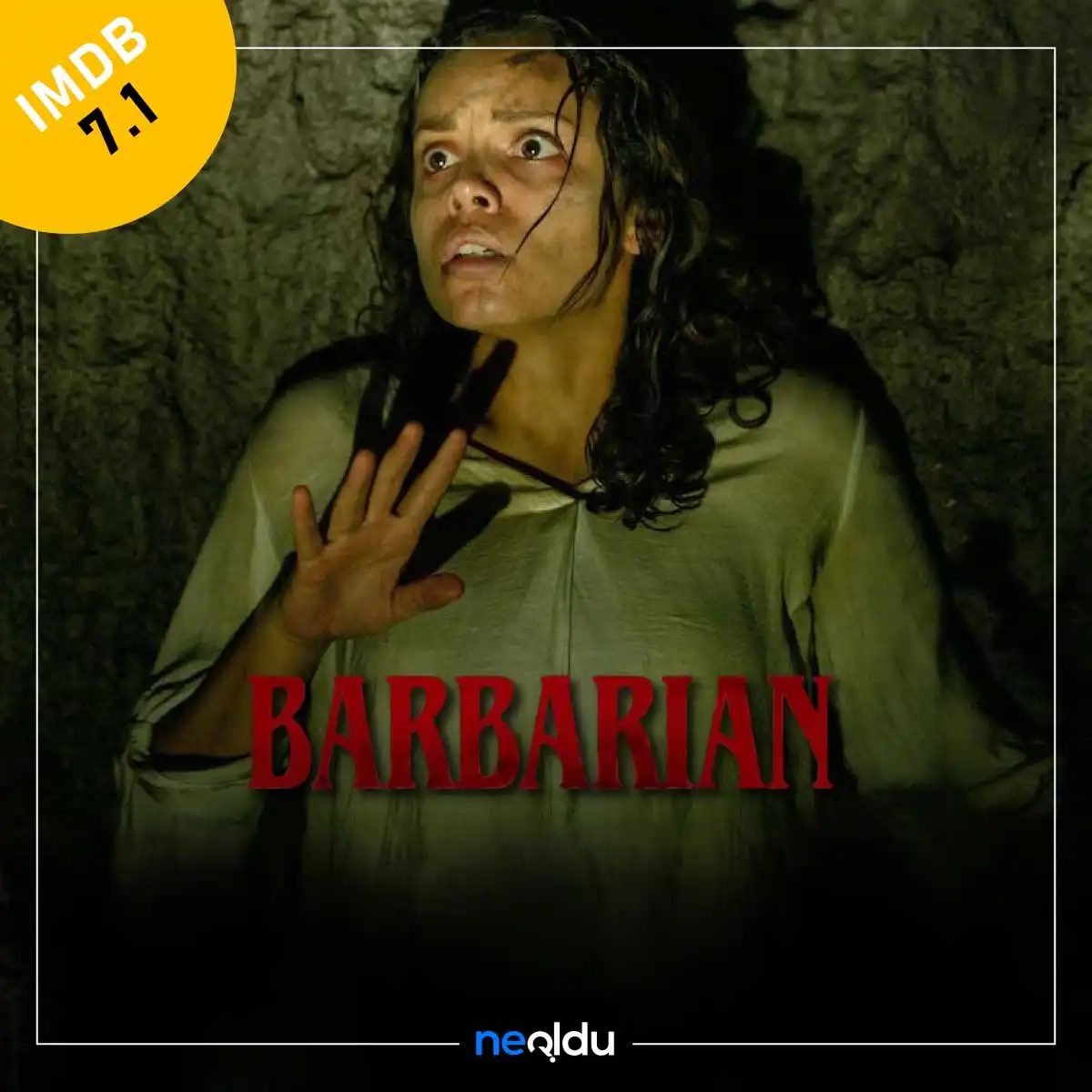
Looking for the best Disney+ thrillers? This list covers the top picks available on the platform right now. Barbarian (2022) sits at the top with an IMDb score of 7.1. It is a tense, unpredictable movie. You will probably not see the twist coming.
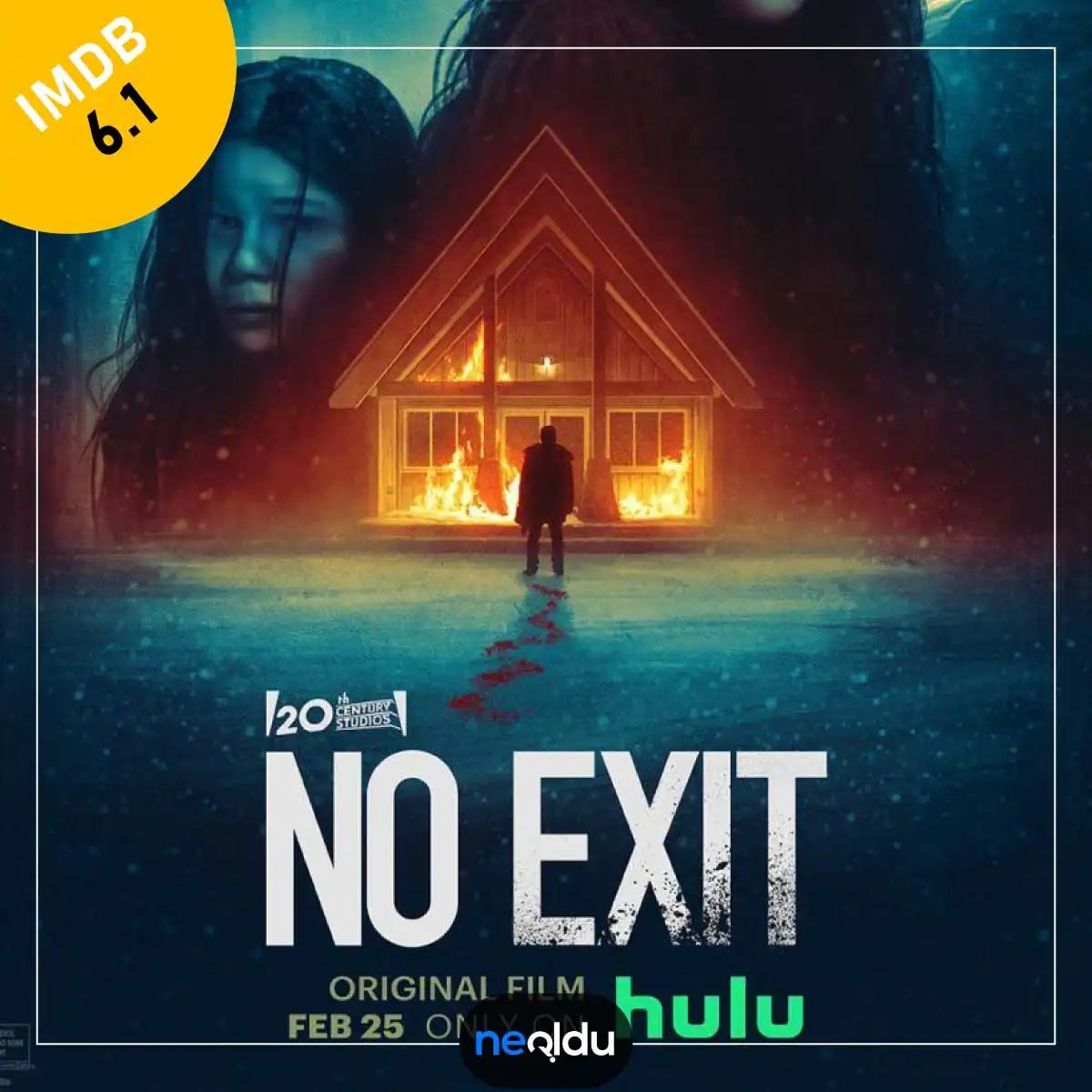
No Exit (2022) follows with a 6.1 rating. Bad Company (2002) is another option, though its 5.6 score suggests it might be less gripping. Enemy of the State (1998), listed as Devlet Düşmanı, holds a strong 7.3. Hide and Seek (2005) has a 5.9 score. Nightmare Alley (2021) brings a 7.0 rating. The Night House (2020) scores 6.5. The Village (2004) is rated 6.6. Gone (2000), listed as Gizli Gerçek, also has a 6.6 rating. Finally, Trance (2013) rounds out the list with a 6.9.
Ready to test your nerve levels? These films are designed to keep you glued to the screen. Some might leave you wanting more. Others might leave you a bit disappointed. But they are all there.

The woman walks into the Airbnb late at night. She is there for a job interview in the city. Tired. Hungry. Just wants to sleep. But the app says the unit is hers. Then she sees him. A stranger is already inside. A double booking. The classic horror setup.
Most people would bolt. Call the police. Find a hotel. She does none of that. She stays. Why? Maybe the cold. Maybe the exhaustion. Maybe something else. She decides to sleep it off. Big mistake.
The man is weird. He is not the threat, though. He is a distraction. The real horror is underneath the floorboards. Or maybe in the walls. Or in the history of the building. The film, written and directed by Zack Cregger, leans into paranoia. It is not a jump-scare machine. It is a slow burn.
Georgina Campbell carries the lead role. She plays the isolated visitor. Bill Skarsgard, known for playing Pennywise, plays the other guest. Justin Long has a smaller part. The cast is good. The atmosphere is tighter.
IMDb users give it a 7.1. That is high for a slasher-adjacent mystery. It suggests the twist lands. It suggests the dread works.
No Exit (2022) – IMDb: 6.1
The second entry in this list takes a different approach. No Exit is a psychological thriller wrapped in a crime drama. It is not a monster movie. It is about guilt. About choices made in panic.
The plot is simple on the surface. A man and a woman are in a car. They are hiding. They just did something terrible. They are running from the law. Or from the truth. The film asks: can you outrun what you have done?
The runtime is short. The tension is high. The score is minimal. The dialogue is sparse. It feels like a stage play. Two people in a car. Where is the car? Who are they? The answers come in pieces.
IMDb rates it 6.1. Lower than Fresh. That is fair. It is a mood piece. It relies on performance. It does not have a monster to hide behind. The fear is internal. The audience has to sit with the discomfort.
Does it work? For some, yes. For others, it is too quiet. Too cerebral. It is not a popcorn flick. It is a character study. It is about the moment after the crime. The moment when the adrenaline fades and the reality sets in.
The film is Canadian. It was released in 2022. It fits the trend of low-budget, high-tension thrillers that rely on script and acting rather than effects.
How these two films compare
They are both 2022. They are both thrillers. They are very different.
Fresh is external. The threat is in the house. The threat is physical. You see the danger. You hear the creaks. You feel the cold. It is a classic haunted house story with a modern tech twist. The Airbnb detail is clever. It taps into a real fear. The fear of the unknown host. The fear of the locked door.
No Exit is internal. The threat is in the head
Why the snowstorm trap works in The Lodge
The plot hits hard because it strips away every escape route. A young woman in rehab, already fragile, gets buried in a snowstorm. She’s stuck in a rest stop. Strangers. No cell service, probably. No help coming.
Then she finds a child. Bound. In the car park.
That’s the moment the movie stops being a character study and starts being a survival puzzle. One of those strangers is the abductor. Who is it? That’s the question that drives the tension. You aren’t just waiting for the killer to strike. You’re waiting for the group to turn on each other.
Damien Power directed it in 2022. It’s a drama, a mystery, and a thriller, but it feels more like a pressure cooker than a slasher film. The IMDb score sits at 6.1. Not a classic. But effective.
The cast carries the weight. Havana Rose Liu plays the protagonist. She’s new to the scene. Danny Ramirez is there too. David Rysdahl rounds out the group. You have to trust them with the paranoia, and they mostly deliver.
Why does this work? Because the isolation isn’t just physical. It’s psychological. The rehab aspect adds a layer. Is the danger real? Or is it a symptom of the condition she’s treating? The film leans into that ambiguity. It doesn’t give you clean answers. It gives you suspicion.
Bad Company: Why the 5.6 score sticks
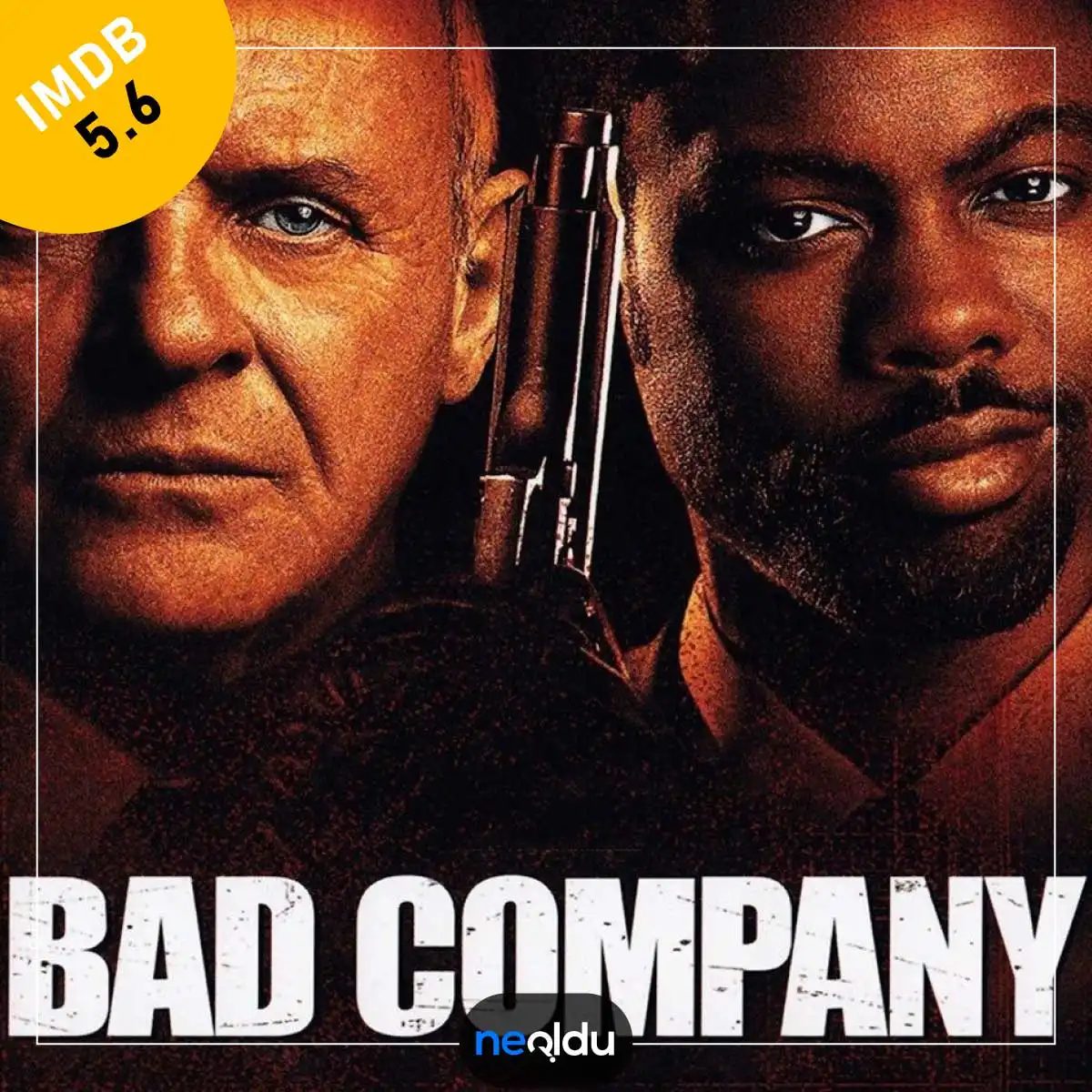
Then there’s Bad Company (2002). IMDb: 5.6.
That’s a lower number. And it’s older. But it holds up in a different way. It’s a crime comedy, basically. Two criminals, one mistake, a lot of bad decisions.
The year matters. 2002 was a specific moment in crime films. The tone was shifting. Bad Company sits right in that pocket. It’s not The Departed. It’s not Pulp Fiction. It’s something scrappier. Less polished. More raw.
The score reflects that. Audiences didn’t love it as much. But it has a cult following. People who like flawed characters and chaotic plotting tend to revisit it. It’s not for everyone. But if you’re into movies that don’t take themselves too seriously, it’s worth a watch.
The gap between The Lodge and Bad Company is huge. One is a recent, atmospheric thriller. The other is an early 2000s crime caper. Different genres. Different tones. Different audiences. But both rely on a core idea: what happens when people are forced into situations they can’t control?
In The Lodge, the control is lost to weather and captivity. In Bad Company, it’s lost to bad luck and worse decisions. Both leave you wanting more, even if the execution isn’t perfect.
That’s the thing about mid-tier films. They don’t always hit the mark. But they often hit the nerve. And sometimes, that’s enough.
The Double: When a lookalike has nine days to save the world
The plot sounds like a fever dream. A CIA operation goes wrong, an experienced agent dies, and the agency’s only hope is a civilian twin who looks exactly like the dead man. That civilian, Jake, has exactly nine days to learn the trade.
Chris Rock plays the role, which is a strange choice given his comedy background, but it works because the tension is palpable. The movie leans hard into the absurdity of a nuclear device being stolen and the race to catch it. The comedy comes from Jake’s bumbling attempts to act like a spy while the danger levels ramp up.
Joel Schumacher directed the thing, and fans of his work will recognize the slick, over-the-top style. It’s not subtle. It’s not trying to be. The pacing is fast, the chase sequences are chaotic, and the stakes are impossibly high.
Anthony Hopkins has a role in it too, which adds a layer of gravitas to the otherwise ridiculous premise. The chemistry between Hopkins and Rock is the real draw here. They play off each other well, balancing the heavy drama with Rock’s natural humor.
The 5.6 IMDb score tells you most of what you need to know about its critical reception. It’s not a classic. It’s not even a cult favorite in the traditional sense. But as a fun, mindless action-comedy from 2002, it fits the bill. The genre blend of action, comedy, and thriller is standard for the era, but the specific angle of the twin agent gives it a slight edge.
The danger escalates quickly once the enemies figure out the secret identity. The chase scenes become less about tactical brilliance and more about survival. It’s a guilty pleasure kind of movie. You know it’s not good, but you keep watching because the premise is so ridiculous it’s hard to look away.
The Enemy State: A different kind of thriller
The Enemy State (1998) is a completely different beast. It’s not a comedy. It’s not a chase movie. It’s a political thriller with a personal stake.
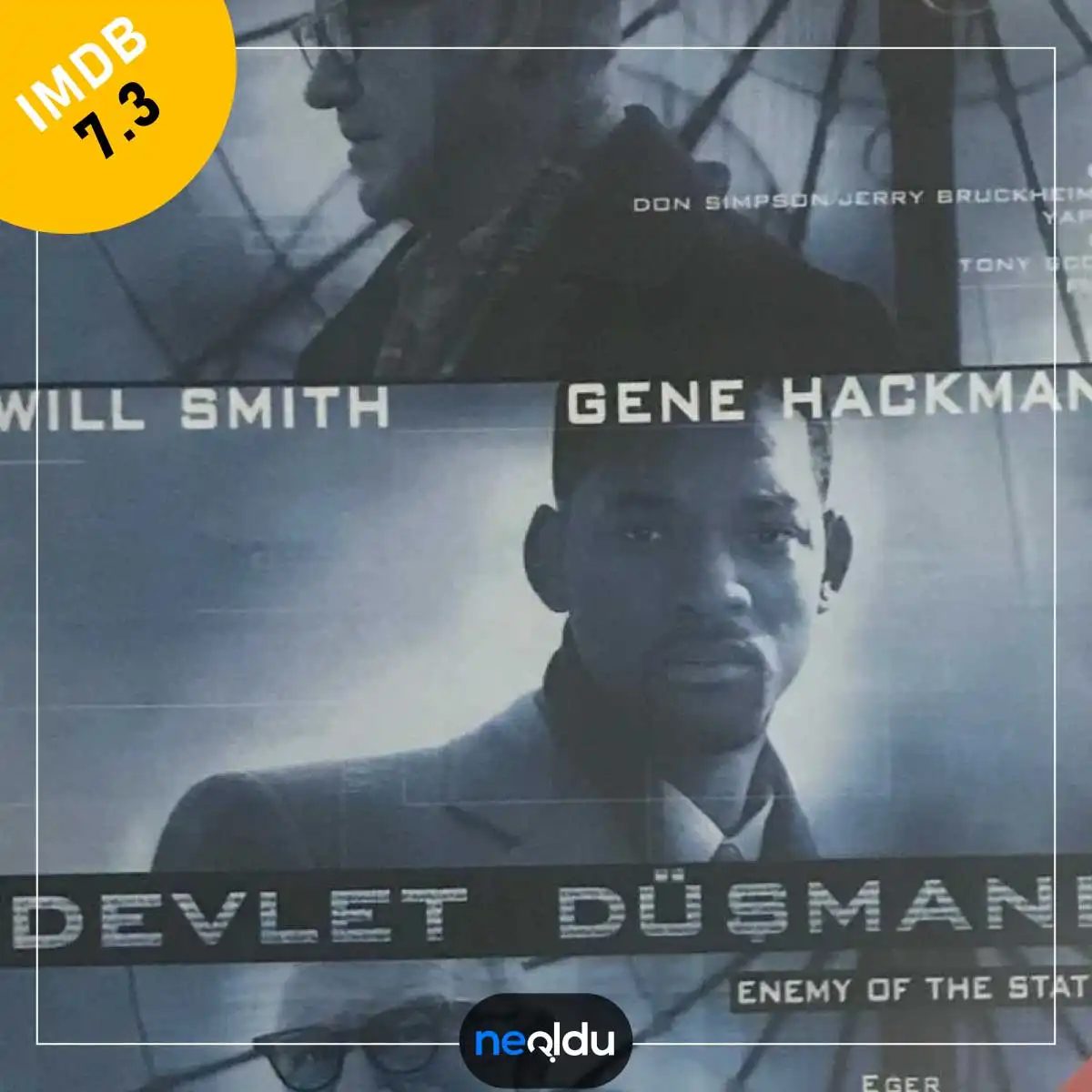
The IMDb score of 7.3 reflects a much stronger critical consensus. The movie deals with a man who is falsely accused of a crime and becomes a fugitive. The tension is quieter, more grounded. There’s no nuclear device. There’s no twin. Just a man trying to clear his name while the system hunts him down.
It’s a darker tone. The stakes are personal, not global. The pacing is slower, allowing the viewer to invest in the character’s journey. It’s a film that relies on suspense rather than spectacle. The difference between the two is stark. One is loud, fast, and silly. The other is quiet, tense, and serious.
Both films offer different flavors of entertainment. One scratches the itch for a dumb fun action movie. The other satisfies the need for a solid, well-crafted thriller. The choice depends on what you’re in the mood for. Do you want to laugh at the absurdity of a twin becoming a spy? Or do you want to feel the weight of a system turning against an individual?
Hide and Seek: The One Will Smith Movie That Gets Overlooked
The narrative shifts gears in 2005 with Hide and Seek. If Six Days, Seven Nights was a box office stunner, this film was a different animal. It landed with an IMDb score of 5.9, a number that often triggers dismissal, yet it occupies a unique slot in Smith’s filmography. Why does a movie with a middling rating linger in memory?
The premise feels straight out of a thriller novel. David (Will Smith) is a successful lawyer, or so it seems. He is divorced, struggling with the memory of his deceased wife, and raising his son Danny (Riley Smith) in a big, quiet house. But the silence is broken when David finds a hidden room in the home. Inside? A trapdoor. And behind it? A secret bunker.
This discovery unravels a dark past David thought he had buried. He wasn’t just a lawyer. He was an agent for a private, off-the-books division of the US National Security Agency. His identity was a lie. His life was a construct. Now, the people who built that construct are coming to collect.
The tension builds as David races to clear his name and protect Danny from a hit squad that knows every move before he makes it. It is a cat-and-mouse game played out in suburban America. The stakes are personal. The technology is surveillance-heavy. The action is relentless.
Hide and Seek stands out for its dual performance from Smith. Playing the father figure and the covert operative, he splits the character without losing thread. Riley Smith holds his own as the son, grounding the high-concept thriller in emotional reality. The supporting cast includes Franka Potente as the new love interest and Dylan Walsh as the antagonist.
It is not a classic. It is not The Fugitive. But it is a solid, fast-paced entry in the late-90s and early-2000s thriller wave. For fans of Tony Scott ’s kinetic style (though he directed Man on Fire and The Taking of Pelham 1 2 3, not this; this was directed by John N. Smith ), the pacing appeals to those who prefer momentum over meandering subplots.
The film asks a simple question: how much of your life is real if everyone around you is watching? It is a question that resonates in an age of digital surveillance, even if the plot mechanics date slightly. It is a film that gets buried, but it earns its place for fans of Will Smith action thrillers who look beyond the blockbusters.
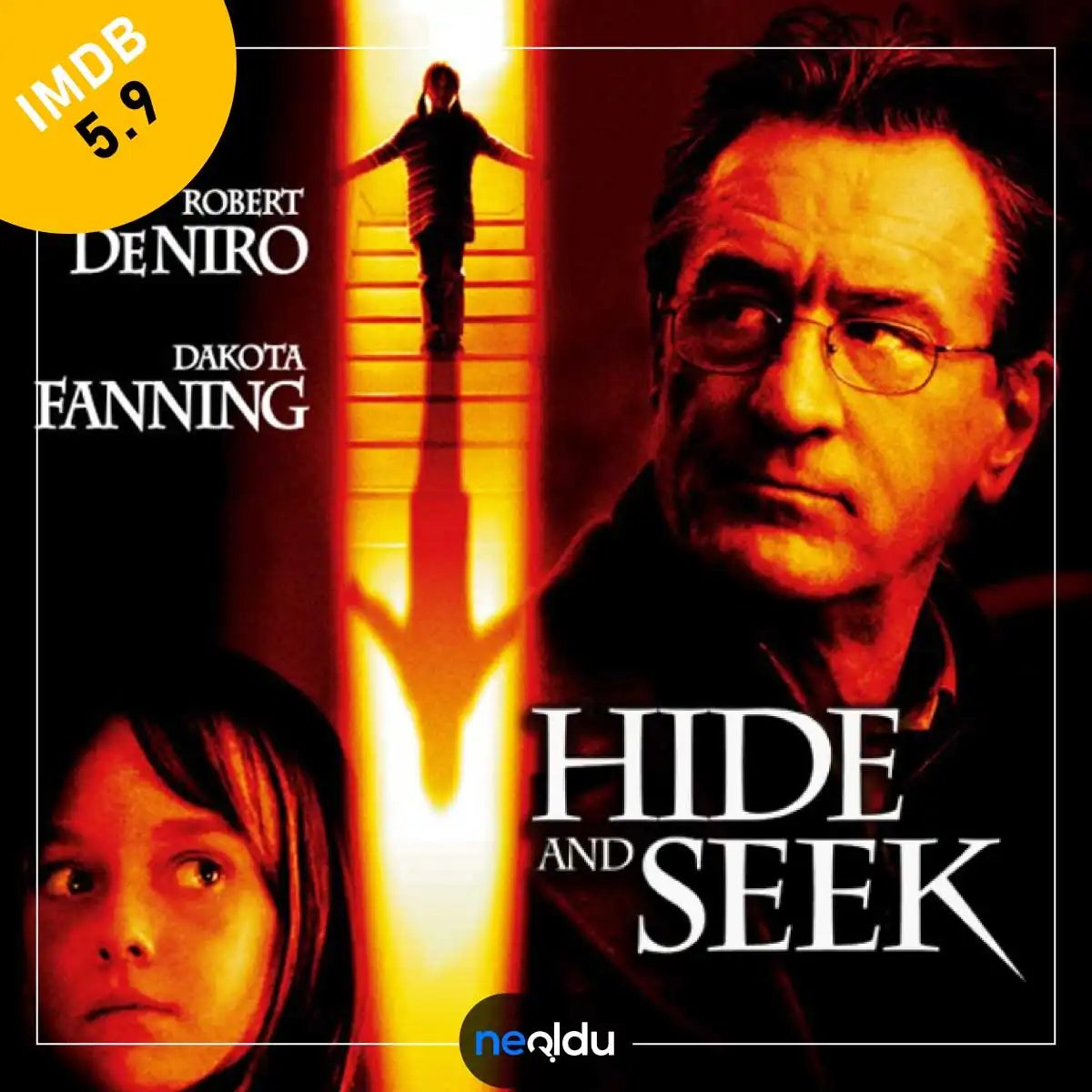
Robert De Niro and Dakota Fanning in 2005’s “The Sleepwalker”
The plot thickens. Or rather, it gets murky.
Dr. David rents a quiet house in a sleepy town to restart his life after his daughter’s mother takes her own life. It’s a fresh start. A clean slate. At least that’s what he thinks.
Then there is Emily. Small, quiet, and insistent. She has a friend named Charlie. Charlie is not a boy. Charlie is not a dog. Charlie is imaginary. Or so everyone assumes.
Strange things start happening. The line between what is real and what is in Emily’s head blurs. The atmosphere turns hostile. You stop trusting your own eyes.
Robert De Niro brings a weary, broken weight to the role. He looks like a man trying to hold the walls up with his bare hands. Dakota Fanning is unsettling. She delivers the lines about Charlie with a calm that feels wrong. Famke Janssen is in the mix, adding another layer of complexity to the family dynamic.
John Polson directs the film. It leans heavily into psychological tension rather than jump scares. The mystery unravels slowly. You piece together the clues as you go.
IMDb Rating: 5.9
Release Year: 2005
Genre: Horror, Mystery, Thriller
Director: John Polson
Cast: Robert De Niro, Dakota Fanning, Famke Janssen
Is it a ghost story? A mental health drama? A crime thriller? The movie refuses to give you a single, tidy answer. It leaves you wondering if Emily is seeing things or if the things are seeing her.
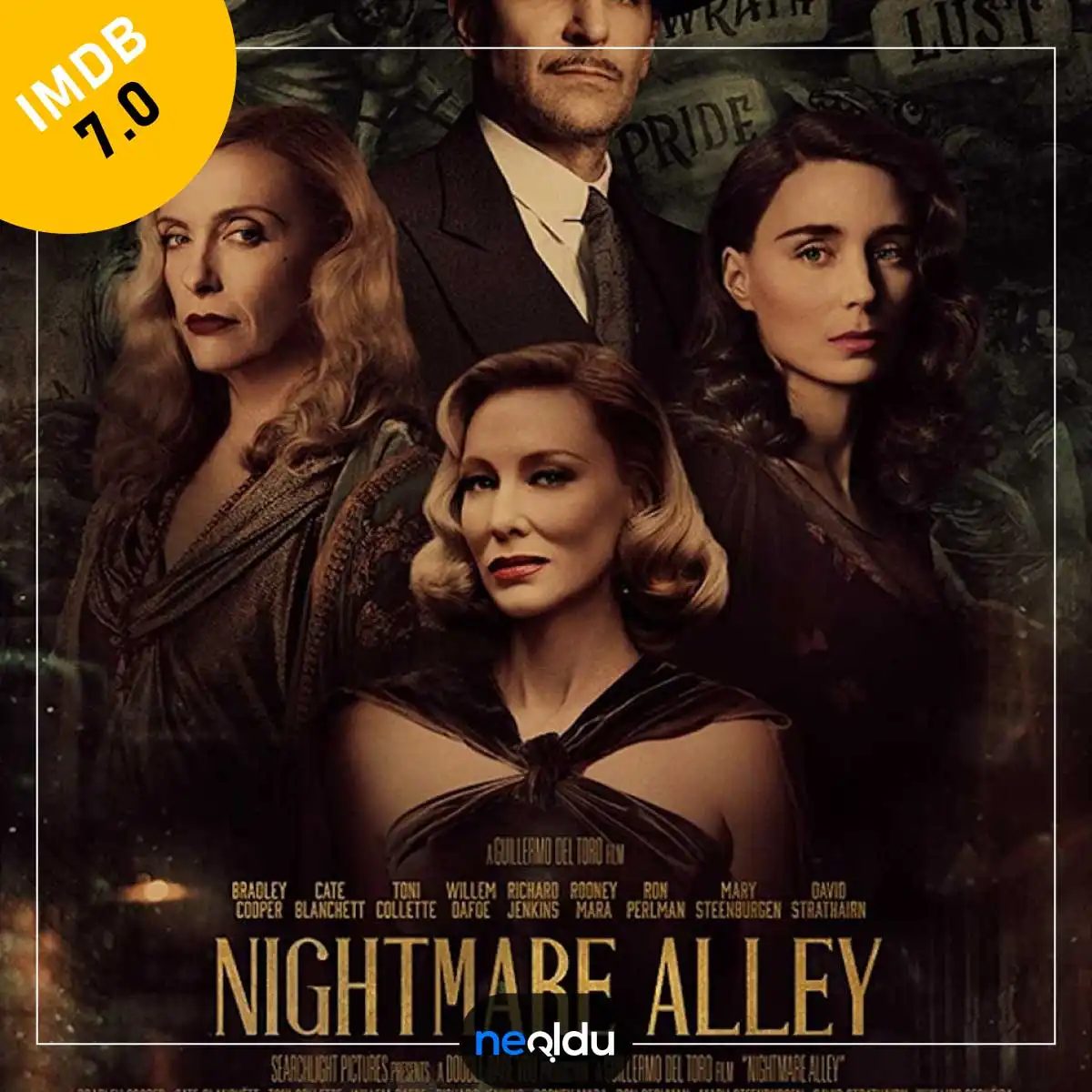
Nightmare Alley (2021) – IMDb: 7.0
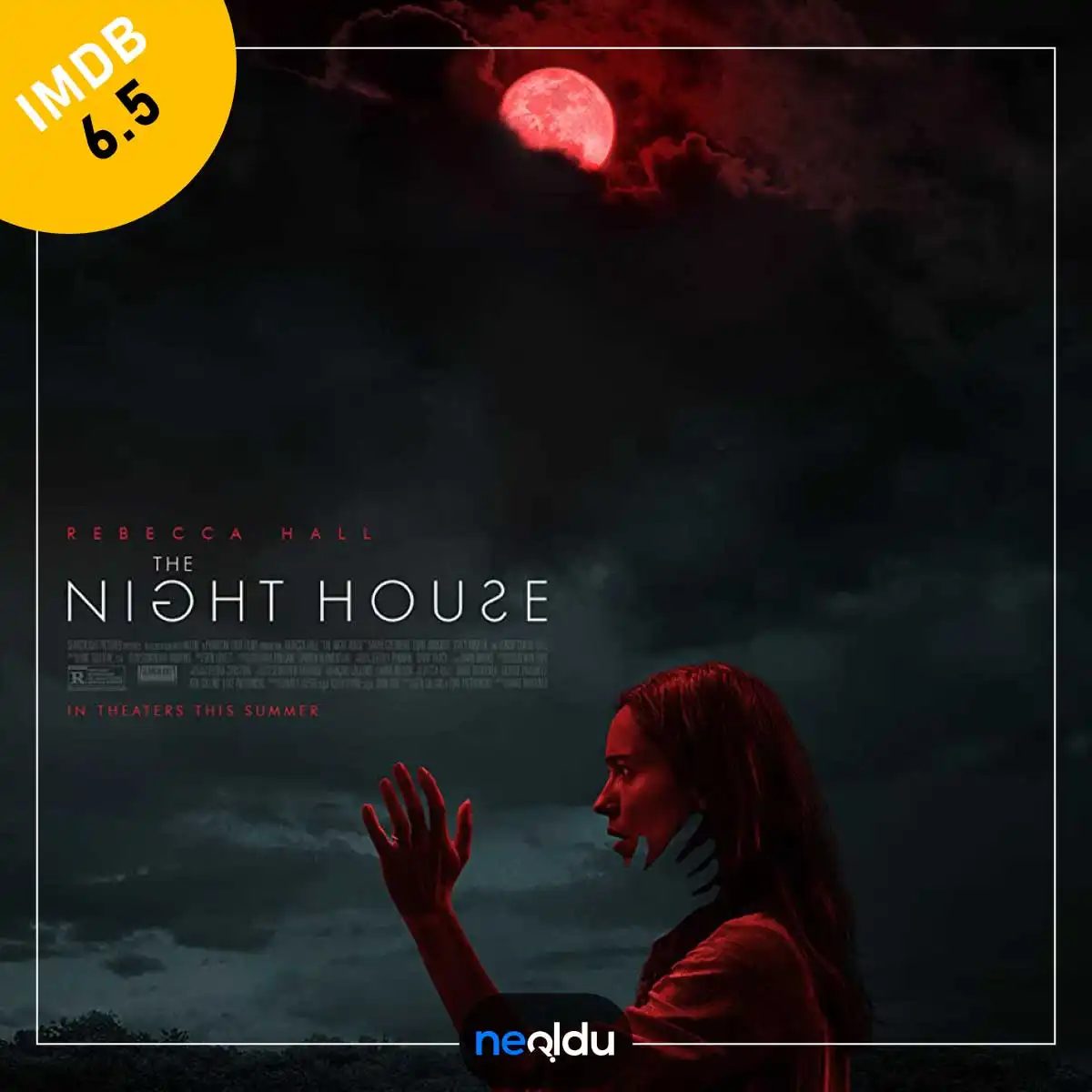
The Night House (2020): Where Grief Meets the Supernatural
Stanton’s story is intense, but it’s not the only entry in the list. The final slot belongs to a different kind of horror. One that relies less on flashy heists and more on the suffocating weight of loss.
The Night House drops you into the life of Rebecca, played by Rebecca Hall. She lives alone on a remote island. Her daughter is gone. The house is old, creaky, and full of shadows.
It’s a 2020 release. Rated 6.5 on IMDb. The tension builds slowly. Too slowly for some. But it works for others.
“Grief is a monster that doesn’t sleep.”
The film asks a simple question. Is Rebecca losing her mind, or is something actually there? The answer isn’t clear. It isn’t supposed to be.
Ben Aldridge directs. He keeps the camera steady. Static shots. No quick cuts. No jump scares every thirty seconds. The horror comes from the silence. From the things that aren’t said.
Is it good? That depends on your patience. If you like psychological thrillers that breathe, you’ll find it captivating. If you want action, you’ll be bored within ten minutes.
The ending is ambiguous. Open. It leaves you thinking long after the credits roll. Some hate it. Others love it.
It’s not a masterpiece. It’s not a flop. It’s a mood piece. A quiet, creepy, and deeply personal look at how trauma can distort reality.
Stay with it. The payoff is subtle. And that’s the point.
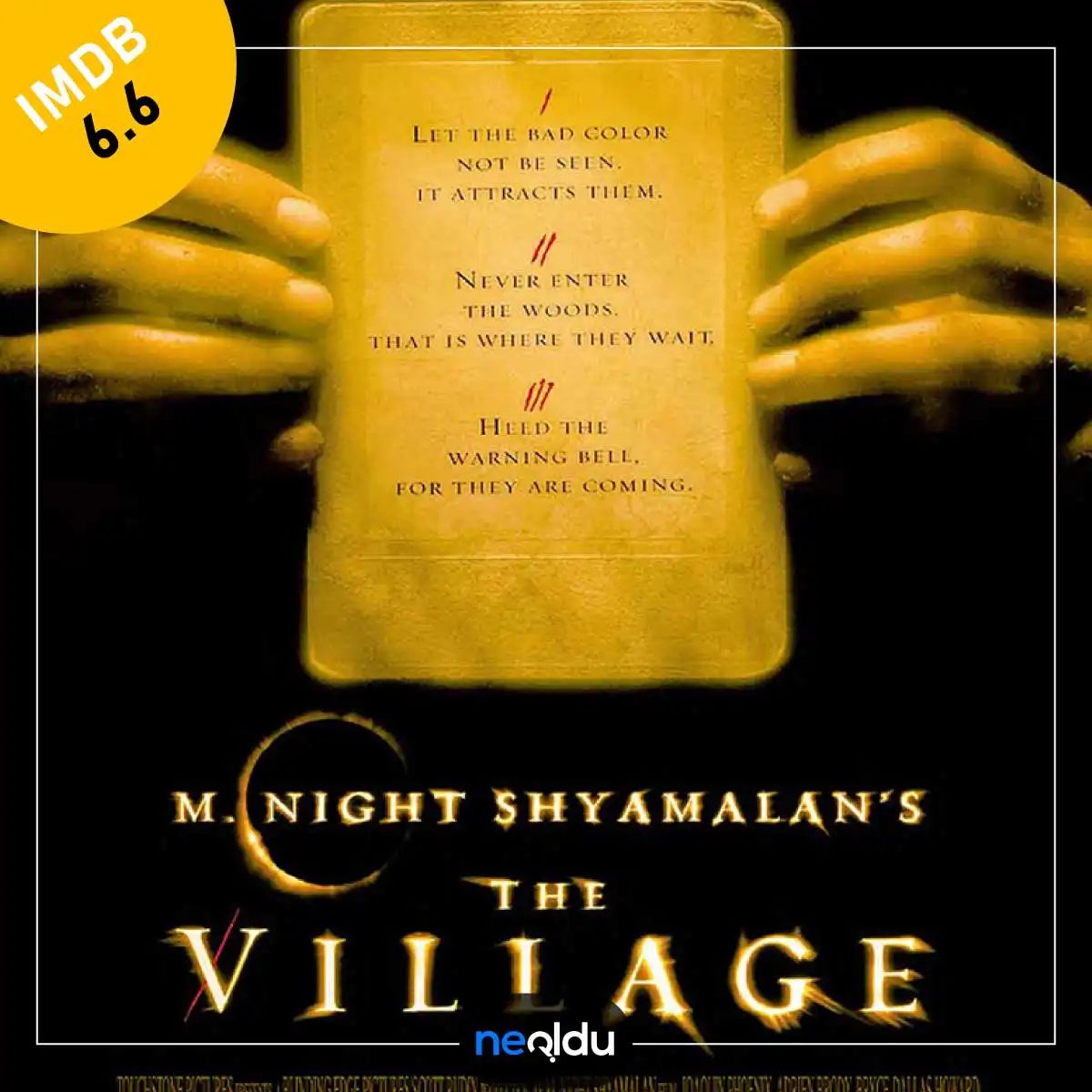
The Village (2004) – IMDb: 6.6
M. Night Shyamalan’s The Village often gets dismissed by casual viewers as a plot-twist movie, but that reduction misses the atmospheric horror it builds before the final act. Released in 2004, the film places you inside an isolated 19th-century Pennsylvania community where fear is not an external threat but a constructed reality.
The central mystery revolves around the “Black-Hooded Creatures” that supposedly lurk in the woods beyond the village borders. Residents are forbidden from stepping past the tree line, not because of legal decree, but because the psychological conditioning is so deep that the boundary feels physical. This isolationism creates a tight-knit social structure where surveillance is communal and deviation is punished with exile or death.
Brad Pitt plays Noah Percy, a young man who defies the collective will to enter the forest. His journey serves as the film’s primary engine, shifting the genre from social thriller to survival horror. The visual language changes as he crosses the threshold. The muted, desaturated tones of the village give way to darker, more visceral textures.
Why does the community maintain such a rigid defense against a threat that may not be real? The answer lies in the village’s founding trauma. The creatures are not monsters in the traditional sense. They are manifestations of a collective lie designed to protect the vulnerable from the chaos of the outside world. The “monsters” in the trees are actually villagers in costume, performing a ritualistic duty to maintain the illusion of safety.
This revelation recontextualizes every interaction in the first half of the film. The elders’ strict enforcement of rules is not just authoritarian control. It is a necessary mechanism to keep a fragile society from collapsing under the weight of its own secrets. The horror comes not from what is in the woods, but from the realization that the safety everyone relies on is a fabrication.
The film critiques the nature of fear itself. It asks whether it is better to live in a comfortable lie or face a terrifying truth. By the end, the audience is forced to consider the moral implications of the village’s actions. Protecting a group from truth through deception is a form of tyranny, yet it may be the only way to preserve their humanity.
Shyamalan uses the setting to explore themes of communal responsibility and the cost of innocence. The village is a microcosm of human society, where the line between protection and oppression is thin. The final scene, set in a hospital, shatters the period-piece illusion, reminding viewers that these psychological mechanisms still operate in modern institutions.
For fans of psychological horror, The Village offers a different kind of dread. It is not about jump scares or gore. It is about the slow unraveling of a worldview built on lies. The film’s power lies in its ambiguity. It does not offer a clear moral judgment on the village’s actions, leaving the audience to decide whether the end justifies the means.
The village is sealed off. Not by law, but by terror. The dark woods surrounding it are filled with monsters, and the elders have drawn a hard line: stay in, or die. It’s a total isolation strategy. Everyone complies. Everyone except Lucius.
Lucius is different. He has that stubborn, burning curiosity that makes you want to throw a rock at his head. He wants to know what’s out there. The village leaders keep the youth in check through pure, unadulterated fear. They rule with threats. But fear is a fragile fence. Love and bravery start to pry it open. Secrets that were buried deep under layers of silence begin to leak out.
This is The Village, directed by M. Night Shyamalan. Released in 2004, it sits at a 6.6 on IMDb. It’s not a blockbuster hit, but it’s a atmospheric beast. The tension is suffocating. You feel the weight of those woods pressing in.
The cast carries the tone with quiet intensity. Sigourney Weaver plays the matriarch, a woman whose power comes from her ability to control the narrative. William Hurt adds a layer of weary authority. And Bryce Dallas Howard brings a youthful spark to the center of the conflict. They are trapped in a loop of tradition and dread.
The genre is a mix of drama, mystery, and thriller. It doesn’t rely on jump scares. It builds slowly. The atmosphere does the heavy lifting. Every shadow looks like a threat. Every sound in the forest is a warning.
Why does it still hold up? Because the stakes are personal. It’s not just about surviving monsters. It’s about surviving a community that demands your silence. The final twist recontextualizes everything you’ve seen up to that point. It’s disorienting. Some people hate it. Others find it deeply satisfying. It forces you to re-evaluate the entire premise.
Shyamalan was known for twists back then. This film is a prime example of his style. It’s moody, deliberate, and unafraid to sit in discomfort. If you like slow-burn tension that pays off with a gut punch, this is a good pick. It’s not a perfect film. The pacing can drag in the middle. But the ending? That stays with you.
The question of how much we sacrifice for safety is central here. The village protects its people by keeping them ignorant. Is that protection, or is it a prison? Lucius’s journey is an attempt to break that cycle. He wants the truth, even if the truth is dangerous.
This is a film about the cost of fear. And about the courage it takes to step into the unknown.
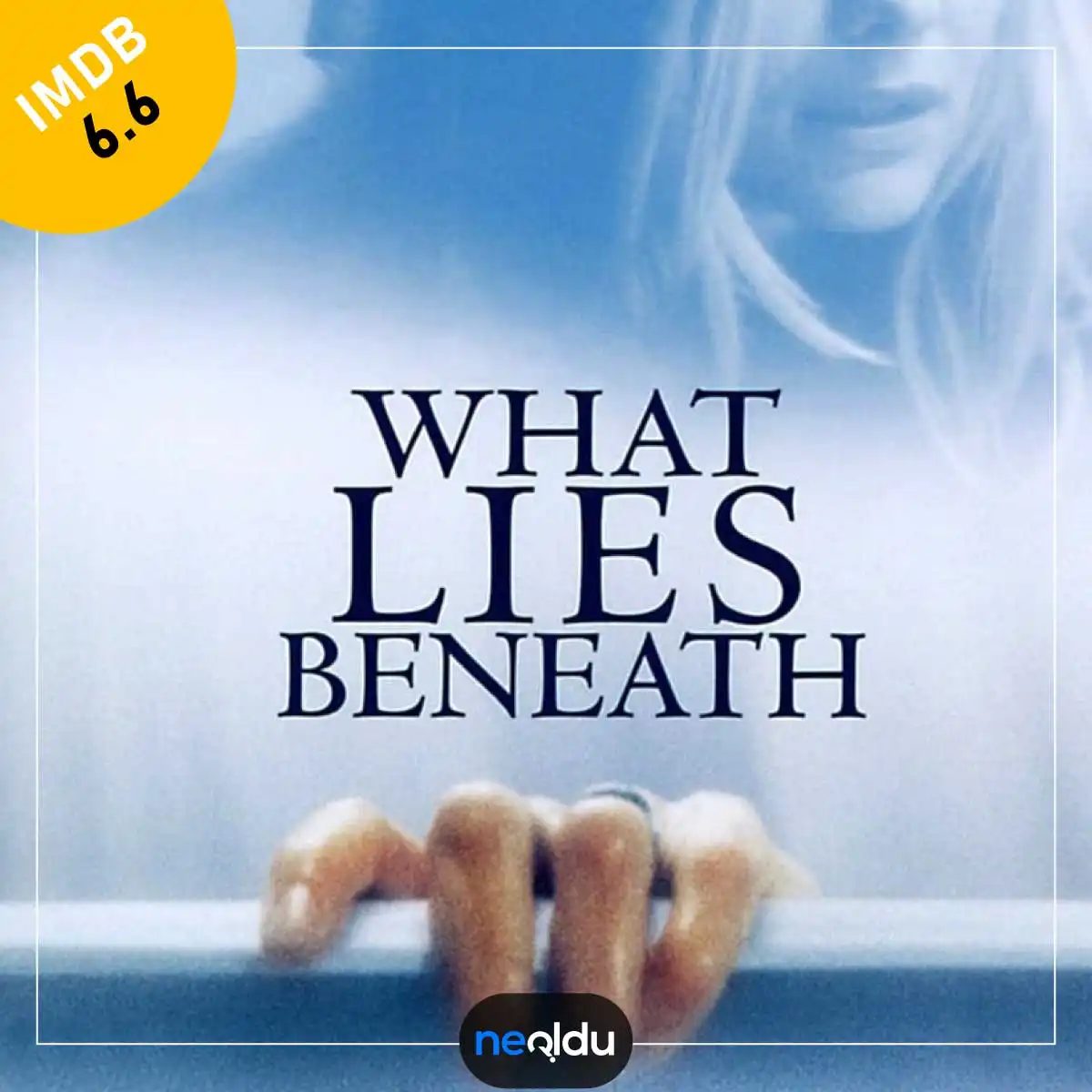
Claire keeps hearing things. Whispers, maybe. Or just the house settling. Norman insists she’s losing it. He’s calm, rational, probably right. But the atmosphere in that house is suffocating. There’s a weight to the silence that doesn’t feel natural. It feels heavy. Like something is waiting.
This is What Lies Beneath. Robert Zemeckis directs it in 2000. Harrison Ford and Michelle Pfeiffer carry the film. Their chemistry is electric, but the tension is what really hooks you. It’s a slow burn. You sit there, watching them argue, watching them doubt each other, wondering if the supernatural is real or if Claire is finally cracking under the pressure of a perfect life that isn’t perfect at all.
The genre is a mix. Drama, horror, thriller. It doesn’t pick one lane. It wanders. It’s effective because of that. The dread is quiet. It creeps in through the walls. Through the floorboards. Through the looks they exchange in the kitchen at midnight.
If you are looking for jump scares, this isn’t it. It’s about the fear of not knowing. Of not being able to trust your own senses. Or your own spouse. Which is honestly scarier.
The IMDb rating sits at 6.6. It’s not a classic by most standards. But it has a certain charm. A 2000s flavor. The performances hold it together. Pfeiffer is particularly strong. She sells the terror. Ford sells the doubt.
Katharine Towne rounds out the cast. She brings a grounded energy to the chaos. The film leans into the domestic horror angle. The idea that the most dangerous place is the one you feel safest in. That’s the core. That’s the hook.
It’s a solid entry in the genre. Not groundbreaking. But effective. The mystery of what really happened in that house keeps you guessing until the credits roll. And that’s enough for a lot of viewers.
So, is it worth your time? If you like psychological tension over gore, yes. If you want a clean, scary movie, maybe not. It’s atmospheric. It’s moody. It’s a specific type of fear. The kind that lingers.
And then there’s Trance. 2013. A different beast entirely.
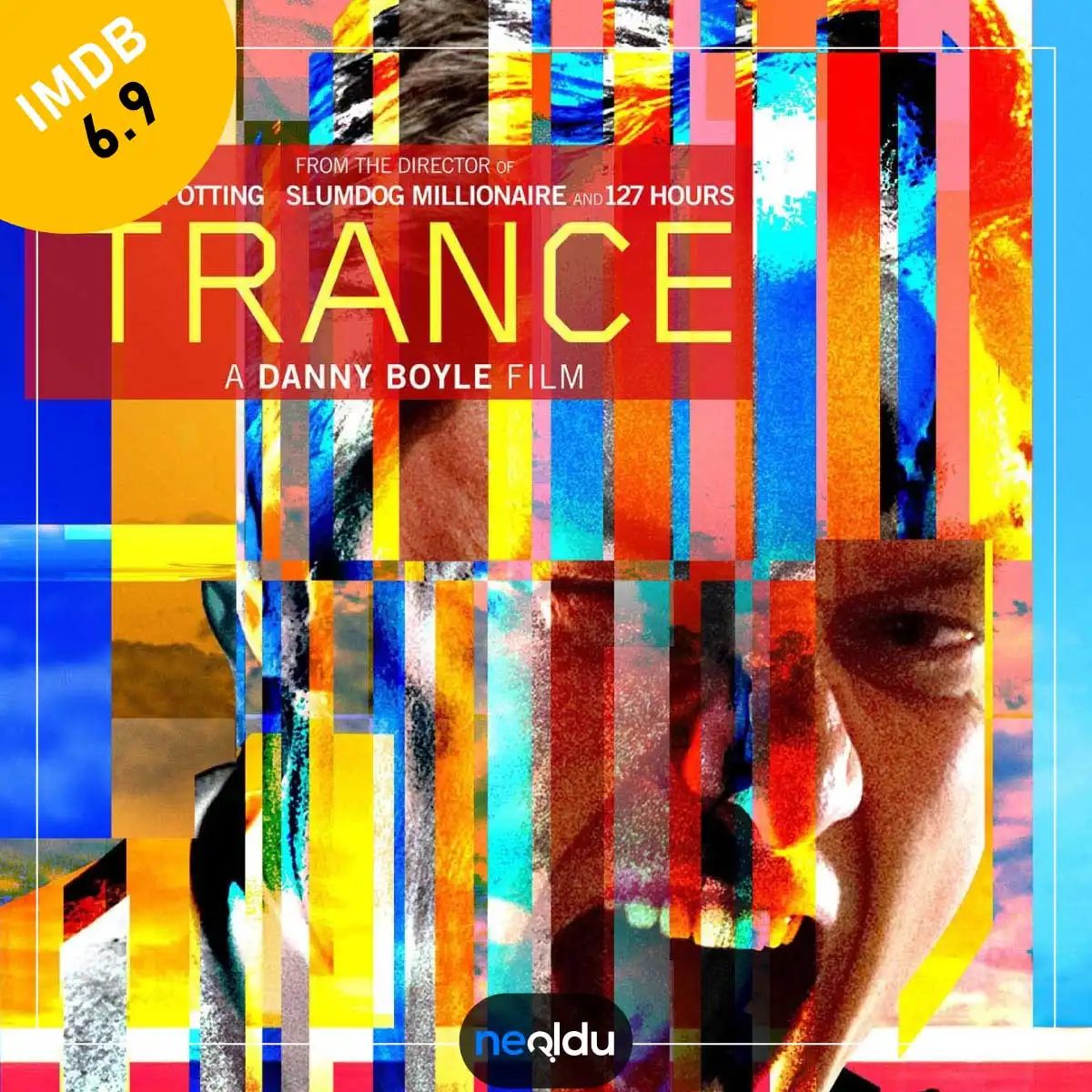
Danny Boyle’un Shackleton Filminden Geriye Kalan: Hafıza Kaybı ve Manipülasyon
Simon bir sanat müzayedecisi. Aynı zamanda da bir hırsız. Çete lideri Franck ile ortaklaşa, paha biçilmez bir tabloyu ele geçirir. İş biter, para sayılır, herkes evine dağılır gibi görünür. Ama Simon’un beyni başka bir plan yapmıştır.
Hafızası silinir. Tablonun nerede olduğunu hatırlayamaz.
Bu sadece bir kurgu değil. Film, bu anı bir dokuştan çok daha fazlası olarak işlemeye başlar. Hafıza kaybı, burada bir engel değil, anahtar bir mekanizma. Simon ne kadar çok hatırlamaya çalışırsa, o kadar çok tuzağa düşer.
Enteresan olan şu: Gerçek mi görüyoruz, yoksa manipüle edilen bir zihin mi?
Hipnoz terapisti Elizabeth sahneye girdiğinde, oyun daha da bulanıklaşır. Otorite figürü müdür, yoksa bir sonraki katman mı? Boyle, diyalogların ritmini hızlandırır, kamera açıları daralır. İzleyici de Simon gibi kaybolmaya başlar.
Danny Boyle burada klasik bir suç hikayesi anlatmıyor. Daha çok, zihinsel bir labirent inşa ediyor. Kurgu hızlı. Kesimler keskin. Her sahne, bir öncekinin üzerine bir şüphe katmanı ekliyor. Final geldiğinde, çoğu kişi için beklenmedik bir yere düşüyorsunuz.
James McAvoy ve Rosario Dawson: Kimin Tarafındasın?
James McAvoy, Simon rolünde, kırılganlığı ve paranoyayı aynı anda taşıyor. Gözlerinde sürekli bir “kaçış” hissi var. Sanki her an bir duvar kapanacak gibi.
Rosario Dawson ise Elizabeth rolünde, soğukkanlılığını ve niyetini belirsiz tutuyor. Sessizliği, sözlerinden daha fazla şey anlatıyor.
Vincent Cassel, Franck olarak, tipik bir çete lideri değil. Daha az bağıran, daha çok bekleyen bir figür. Bu da onu daha tehlikeli kılıyor.
Üçlü arasındaki güç dengesi, filmin belkemiği. Kim kimin için oynuyor?
Neden Shackleton Hala Konuşuluyor?
2013 yapımı olması, onu bazı izleyiciler için “kaçırılmış” bir film yapabilir. Ama IMDb’de 6.9 puan, onu ortalama bir suç filmi olarak konumlandırırken, aslında daha katmanlı bir deneyim sunuyor.
Film, “hafıza kaybı yaşayan biri, geçmişini gerçekten hatırlayabilir mi?” sorusunu soruyor. Cevabı basit değil. Belki de cevap, hatırlamak değil, ne hatırladığına inanmak.
Boyle, bunu bir bulmaca gibi sunmuyor. Daha çok, bir his olarak. Karar verememek. Kimin yalan


