


Streaming services have made it easier than ever to dive into Seoul’s cinematic output without leaving the couch. But with hundreds of titles dropping every month, finding the actual good stuff feels like searching for a needle in a haystack. We’ve cut through the noise to curate a list of high-quality Korean films currently available on Netflix. These aren’t just random picks. They are the ones with solid IMDb ratings and real buzz. We focused on fresh releases and crowd-pleasers that define the current wave of Hallyu cinema. Here is where you should start your marathon.
1. Yaksha: Operation Zephyr
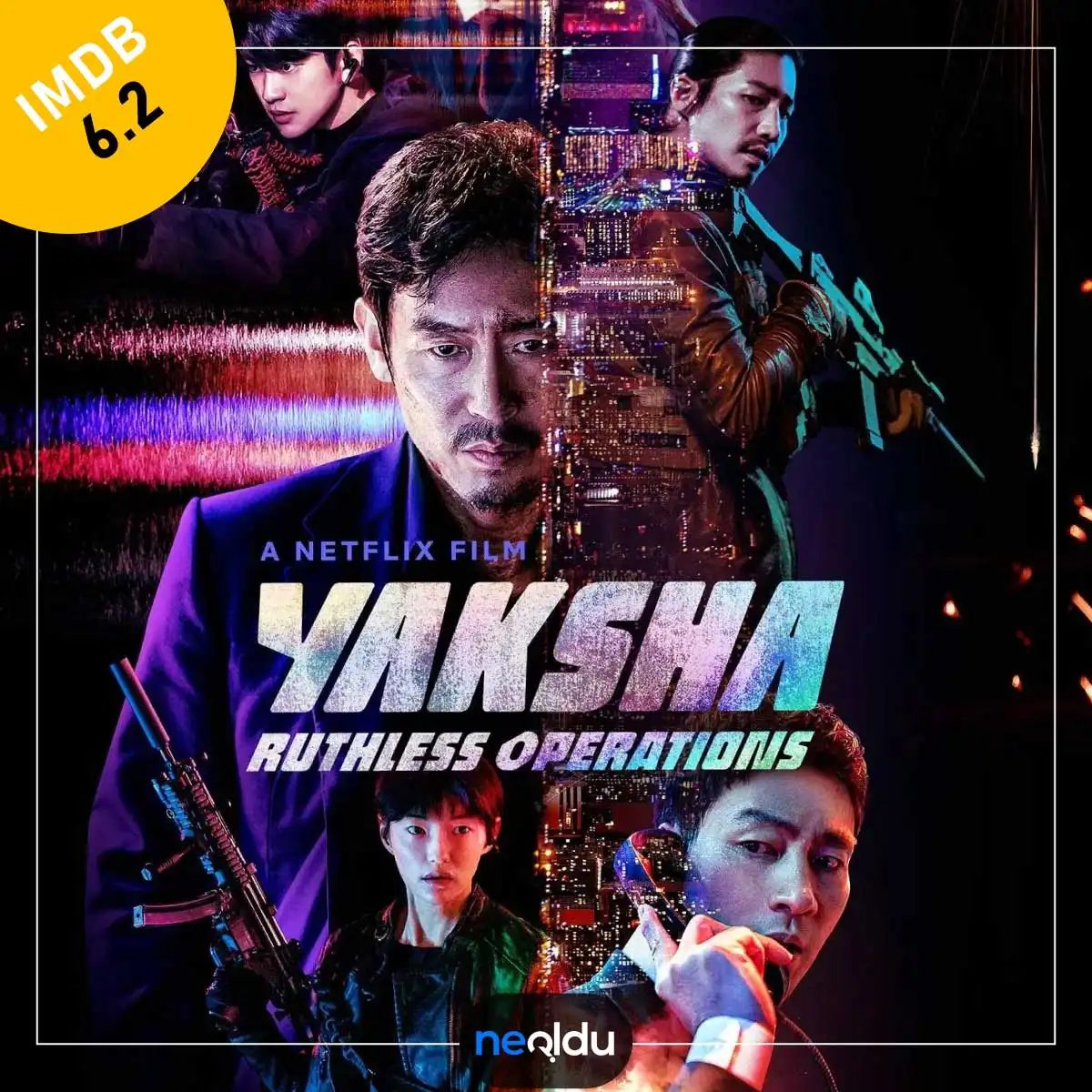
Let’s start with a thriller that doesn’t hold back. Yaksha: Operation Zephyr (also known as Yaksha: Bi-Myeon Jo-Eop-Sseo ) is a spy action film that leans heavily into modern espionage tropes. If you’ve ever wanted to see a high-stakes cat-and-mouse game set against the backdrop of North-South tensions, this is it.
The plot follows a North Korean spy who defects to the South. It sounds familiar. But the twist? He brings with him intelligence that could shift the entire geopolitical balance of the peninsula. The South Korean intelligence agency is desperate to verify his claims. They send their best operative, played by Ahn Sung-ki, to infiltrate his new life.
“The tension is palpable from the first scene. It’s not just about gunfights.”
Action sequences are frequent. Car chases through busy city streets. Hand-to-hand combat in tight apartments. The chemistry between the leads drives the narrative forward, even when the plot gets convoluted. It’s a solid entry point for anyone new to Korean thrillers. The production value is high. The pacing is relentless. You won’t have much time to blink.
For viewers wondering where to find the best Korean thriller, this title consistently ranks at the top of user recommendation lists. It balances character development with explosive set pieces. If you’re asking how Korean cinema blends spy drama with personal stakes, this film offers a clear example. The moral ambiguity of the characters keeps you guessing until the credits roll.
It’s not perfect. Some plot points feel predictable if you’ve watched too many American spy movies. But the execution is tight. The acting is sharp. Ahn Sung-ki holds his own against younger co-stars. It’s a movie that respects its audience’s intelligence while still delivering pure entertainment.
The Lawyer in the Crossfire
It starts with a simple premise that quickly curdles into something far more sinister. You have a prosecutor. He’s honest. That is his defining trait, and in the wrong hands, it is a death sentence.
He gets assigned to a case in a city that shouldn’t exist on any map. Or at least, it feels that way. The streets are dangerous. The people are hiding things. And the “operation” he’s asked to investigate? It’s not what he thinks.
Before he can finish his first report, he’s in the middle of a spy thriller. No training. No backup. Just him, a badge, and a mountain of corpses.
The Lawless City is a 2022 South Korean action-spy film that tries to marry procedural drama with high-stakes espionage. It doesn’t always pull it off, but when it does, it’s electric.
The Cast Carries the Weight
Sul Kyung-gu plays the prosecutor. He’s not a martial arts master. He’s not a secret agent. He’s a guy who believes in the law in a place where the law is a joke. His performance is restrained. It’s about the fear in his eyes, not the kicks in his legs.
Park Hee-soo is there too. She adds a layer of complexity. Is she helping him? Or is she using him? The lines blur fast.
Then there’s Hiroyuki Ikeuchi. If his name sounds familiar, it’s because he’s often in the background of big Hollywood productions. Here, he steps into the spotlight. He brings a cold, calculating energy that contrasts sharply with Kyung-gu’s growing desperation.
Director Na Hyeon knows how to pace a chase. He knows when to let the silence hang heavy. He doesn’t rely on shaky cam. The action is clean. Brutal, but clear.
Why It’s Worth Watching (Mostly)
The IMDb score sits at a solid 6.2. That’s a good sign. It means the general audience liked the ride.
The chemistry between the leads is the anchor. Without it, this could have easily become another forgettable Korean action flick. But Na Hyeon directs with a clear vision. The city feels like a character itself—gritty, wet, and always watching.
“You think you’re investigating a crime. You’re actually walking into a trap.”
The spy elements aren’t just tacked on. They’re woven into the plot. The prosecutor’s investigation leads him deeper into the underworld. He realizes that the “criminals” he’s hunting are just pawns in a much larger game.
It’s a game of chess played with live bullets.
The Verdict
If you like movies where the protagonist has to use their brain before their fists, this is for you. It’s not the highest-grossing K-cinema export, but it holds its own.
The action is sharp. The story is tight. And the ending? Well, you’ll have to watch it to find out if honesty really does win.
Spoiler: In a lawless city? It rarely does.
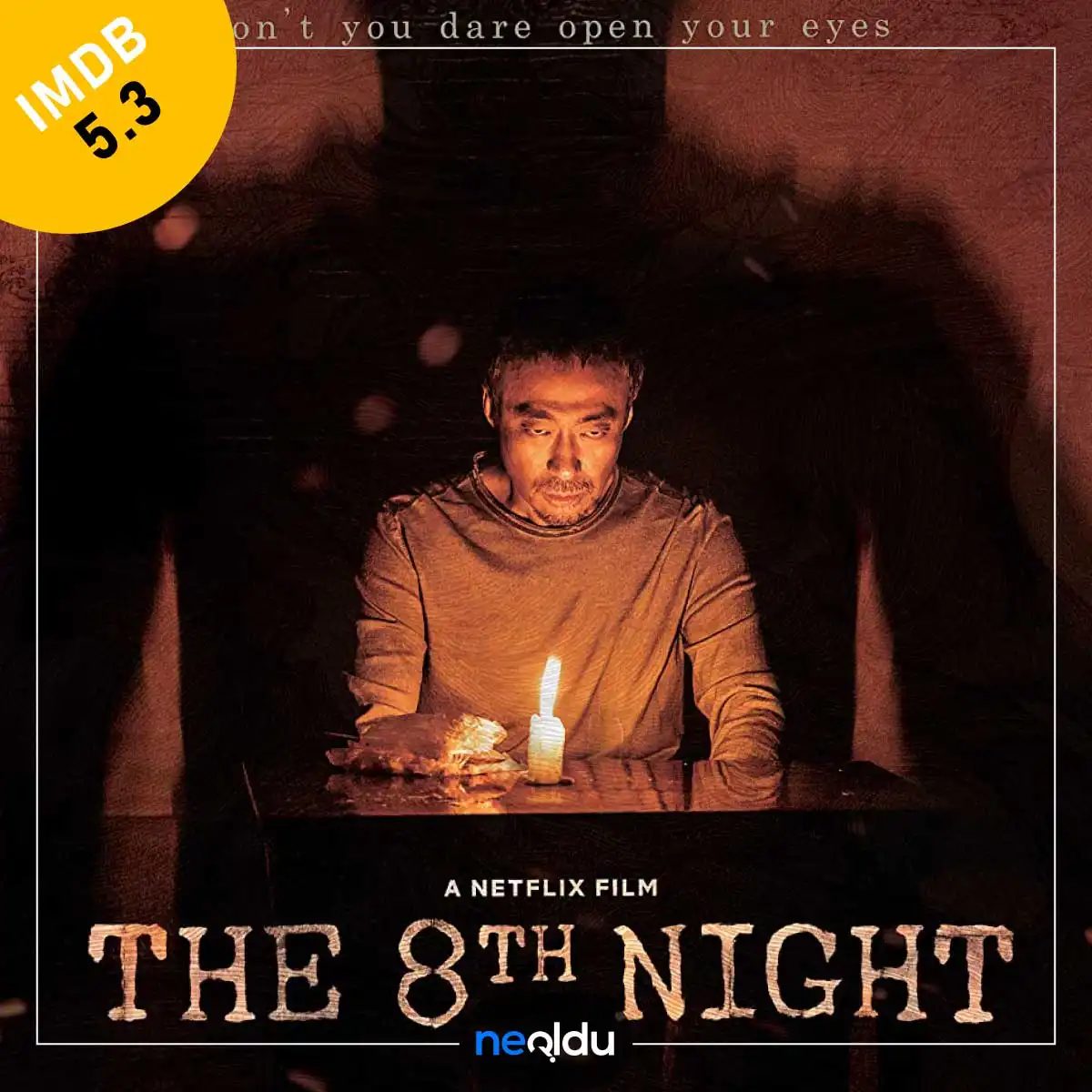

The imagery is jarring. A monk. A rosary in one hand, an axe in the other. He isn’t meditating. He’s hunting. The target? A thousand-year-old evil spirit that has decided Earth is the perfect host for its own personal hell. The stakes are apocalyptic, but the execution? Well, that’s where things get complicated.
Directed by Kim Tae-hyung, Carter arrived in 2021 with a clear promise: Korean horror meets supernatural thriller. It didn’t exactly set the world on fire. On IMDb, it sits at a modest 5.3. Not terrible. Not great. Just… there.
The Plot Is Simple, The Execution Is Clunky
You know the drill. Ancient evil wakes up. Bodies get taken over. Chaos ensues. Our protagonist, played by Lee Sung-min, is the only thing standing between the spirit and total domination. Or so the trailer claims.
Lee Sung-min tries his best. He brings a grounded weariness to the role. You can see the weight of the centuries on his character’s shoulders. But the script doesn’t give him much room to breathe. The narrative stumbles over its own lore, trying to explain how a spirit from a thousand years ago suddenly decides to turn Seoul into a playground for suffering.
Supporting players like Park Hae-joon and Kim You-jung do what they can with thin material. Park Hae-joon brings his usual intensity, but even he can’t salvage scenes that feel rushed. Kim You-jung is underutilized, relegated to a plot device rather than a fully realized character.
Why Did It Get a 5.3?
It’s not just the ratings. It’s the pacing. The film spends too much time explaining the rules of its own universe and not enough time making you care about the people trapped inside it. When you’re trying to convey the terror of a thousand-year-old entity, subtlety matters. Carter opts for spectacle over suspense. The axe swings hard. The CGI spirits look a bit… flat. It’s hard to feel genuine dread when the monster looks like a special effects test reel.
Who Is This For?
If you’re a die-hard fan of Lee Sung-min, it’s worth a watch. His performance anchors the film. If you love Korean horror aesthetics—dark alleys, rain-slicked streets, traditional rituals—the atmosphere holds up. But if you’re looking for a plot that surprises you? Look elsewhere.
The question isn’t whether the monk can win. The film makes that clear early on. The real question is whether the audience will stay engaged long enough to see it happen. For many, the answer is no.
“A visually striking premise that gets bogged down by a predictable script and underwhelming effects.”
The Verdict
Carter is a missed opportunity. It has the bones of a great horror film. The concept of a monk with an axe hunting an ancient spirit? That’s gold. But the execution is sloppy. The dialogue is clunky. The emotional beats don’t land.
It’s a B-minus effort. Entertaining for ten minutes
Seoul 88: The Amnesiac’s Deadly Gamble
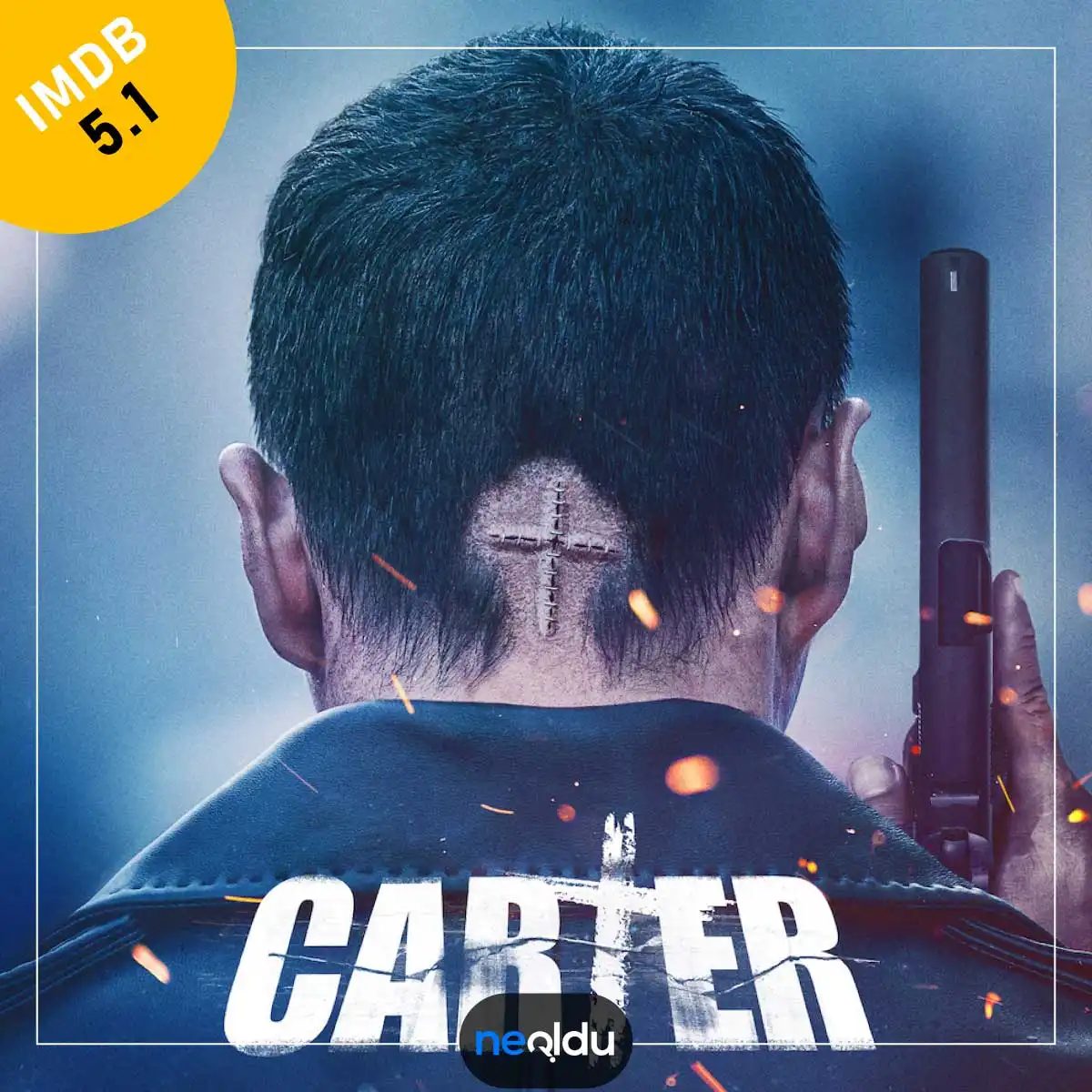
Waking up with zero memory is bad enough. Waking up with a mysterious voice in your ear telling you exactly where to go? That is a fast track to a grave.
This is the premise of Seoul 88, a 2022 action-thriller that doesn’t bother with long setups. You are thrown right into the chaos. The protagonist, played by Joo Won, is a blank slate. He has no past. He has no context. But he has a device in his ear and instructions that sound less like help and more like a death sentence.
Who is directing the chaos?
Director Byung-gil Jung keeps the pace relentless. There is no room for exposition dumps here. The story moves on the rhythm of the commands coming through the headset. It’s disorienting by design. You feel the protagonist’s confusion because you are feeling it too.
The supporting cast helps anchor the weirdness. Sung-jae Jeong and So-ri Jeong add layers to the mystery, though the film prioritizes movement over deep character study. It’s an exercise in tension.
Why the low IMDb score?
With a 5.1 rating on IMDb, critics and audiences alike found the execution lacking in depth. While the premise is high-concept, the execution often feels rushed. The stakes are clear: survive the mission and figure out who you are. But the film struggles to make you care about the “who.”
The action sequences are standard fare. Explosions. Car chases. Gunfire. It checks the boxes for the action and adventure genres but doesn’t break new ground. If you are looking for a deep narrative about identity, you might leave disappointed. If you just want to watch someone run from danger while confused, it delivers that much.
Where does it fit in the genre?
Seoul 88 sits firmly in the mid-tier thriller category. It isn’t a masterpiece. It isn’t a cash-grab either. It is a serviceable entry in the amnesia trope that has plagued cinema for decades. From The Bourne Identity to Memento, this angle is well-worn soil.
The film attempts to add a unique twist with the audio-guided element. It’s a clever mechanic for the first act. But as the plot thickens, the novelty wears off. The “dangerous hostage rescue operation” mentioned in the logline becomes just another set piece in a long chain of them.
The Verdict on Seoul 88
Is it worth a watch?
If you are a fan of Korean thrillers and need a quick 90 minutes of noise and motion, it works. Joo Won does his best with the limited material. The production values are clean. The cityscapes look sharp.
But don’t expect a brain-teaser. The answers are too obvious by the third act. The “mysterious voice” loses its mystique quickly. You start wondering why the protagonist is following orders at all. The film never really answers that question satisfactorily.
It’s a ride. A fast, loud, forgettable ride.
“A man with no memory follows a voice into danger, only to find the destination

Seuls’ta Gerçekleşen Kurgusal Operasyon ve Oyuncu Kadrosu
2022 yapımı bu aksiyon macera filmi, 1988 Seul Olimpiyatları’na sadece birkaç gün kala geçiyor. Konusu, gerçek tarihsel bir arka plan üzerine kurulu olsa da olay örgüsü tamamen kurgusal. hikayede, yasa dışı faaliyetlerin eşiğinde duran bir grup “serseri sürücü ve tamirci” (gerçi bu ifade filmdeki karakterlerin mesleklerini tam olarak yansıtmayabilir, ancak onların kenar mahalleli, yasal sınırların dışında kalan kimlikleri vurgulanır), devasa bir kara para aklama şebekesini çökertmek için gizli bir operasyona sürülür.
Kara Para Aklama Operasyonunun Gerçekliği
Filmdeki ana çatışma, para aklama olayını gerçekleştirme ihtimali etrafında şekilleniyor. Karakterlerin bu yüksek riskli göreve girişmeleri, izleyiciyi sürekli gergin tutuyor. Ancak filmin IMDb puanı olan 5.6, bu türün beklentilerine tam olarak karşılık vermediğini gösteriyor. Aksiyon sahneleri var, macera unsurları mevcut, ama hikaye derinliği ve mantıksal tutarlılık konusunda eleştiriler alıyor.
Yönetmen ve Oyuncular
Hyun-Sung Moon’un yönetmen koltuğunda oturduğu yapım, başrolde Yoo Ah-in, Ko Kyung-pyo ve Lee Kyoo-hyung gibi tanınan isimleri bulunduruyor. Bu oyuncuların performansları, senaryonun zayıf yönlerini bir nebze de olsa örtbas etmeye çalışsa da, genel etkisi ortalama kalıyor.
Korsanlar 2: Kayıp Hazinenin Peşinde İlişkisi
Yazı dizisinin 5. maddesinden sonra gelen “Korsanlar 2: Kayıp Hazinenin Peşinde” başlığı, bu filmle doğrudan bir bağlantı kurmuyor. Muhtemelen listeyi oluştururken bir kopyalama hatası veya başka bir film önerisi karışmış durumda. Çünkü “1988 Kore’sine gitmeye ne dersiniz?” sorusuyla başlayan ve Seuls’taki para aklama operasyonunu anlatan film, Pirates franchise’ı ile hiçbir ilgisi yok. Bu nedenle, bu bölümdeki bilgi sadece önceki paragraftaki filmi ele almalı; ikinci başlık bu bağlamda anlamsız.
“Kara para aklama olayını gerçekleştirme ihtimalleri olabilecek mi dersiniz?” — Film içindeki gerginliğin özü bu soruda saklı.
Sonuç olarak, 1988 Seol Olimpiyatları atmosferini sevenler, tarihi detaylara ilgi duyanlar için hafif bir nefes molası niteliğinde. Ancak derinlikli bir kara para aklama gerilimi arayanlar için hayal kırıklığı yaratabilir.

Birinci filmi bitirip oturduğunuzda, hemen ardından ikinci bölümü açmak şart. Aksi halde o tatmin edici akış bozulur.
Jeseon döneminin o karışık atmosferinde, korsanlar ve haydutlardan oluşan bu cesur ekip, artık sadece hayatta kalmakla uğraşmıyor. Onların hedefi daha büyük. Denizde kaybolmuş olan kraliyet altınını bulmak. Bu sadece bir hazine avı değil, aynı zamanda bir adalet arayışı.
Hazine Peşinde: Fırtınalar ve Düşmanlar
Macera burada gerçek anlamda başlıyor. Sadece dalgalarla değil, aynı zamanda insan doğasının karanlık yanıyla da mücadele etmeniz gerekiyor. Fırtınalar, karma karışık ipuçları ve karşınıza çıkan düşmanlar… Hepsi bir araya geliyor.
Nefes kesici bir aksiyon sizi bekliyor. Bu sadece izlenmekle kalmayan, sizi ekranın içinde hissettiren bir deneyim.
Film Hakkında Temel Bilgiler
- Tür: Aksiyon, Macera
- IMDb Puanı: 6.1
- Gösterim Tarihi: 2022
- Yönetmen: Kim Jeong-hoon
Oyuncu Kadrosu
Başrollerde dikkat çeken isimler şu şekilde:
- Kang Ha-neul
- Han Hyo-joo
- Lee Kwang-soo
6. Siber Cehennem
The Dark Web’s Role in Child Exploitation
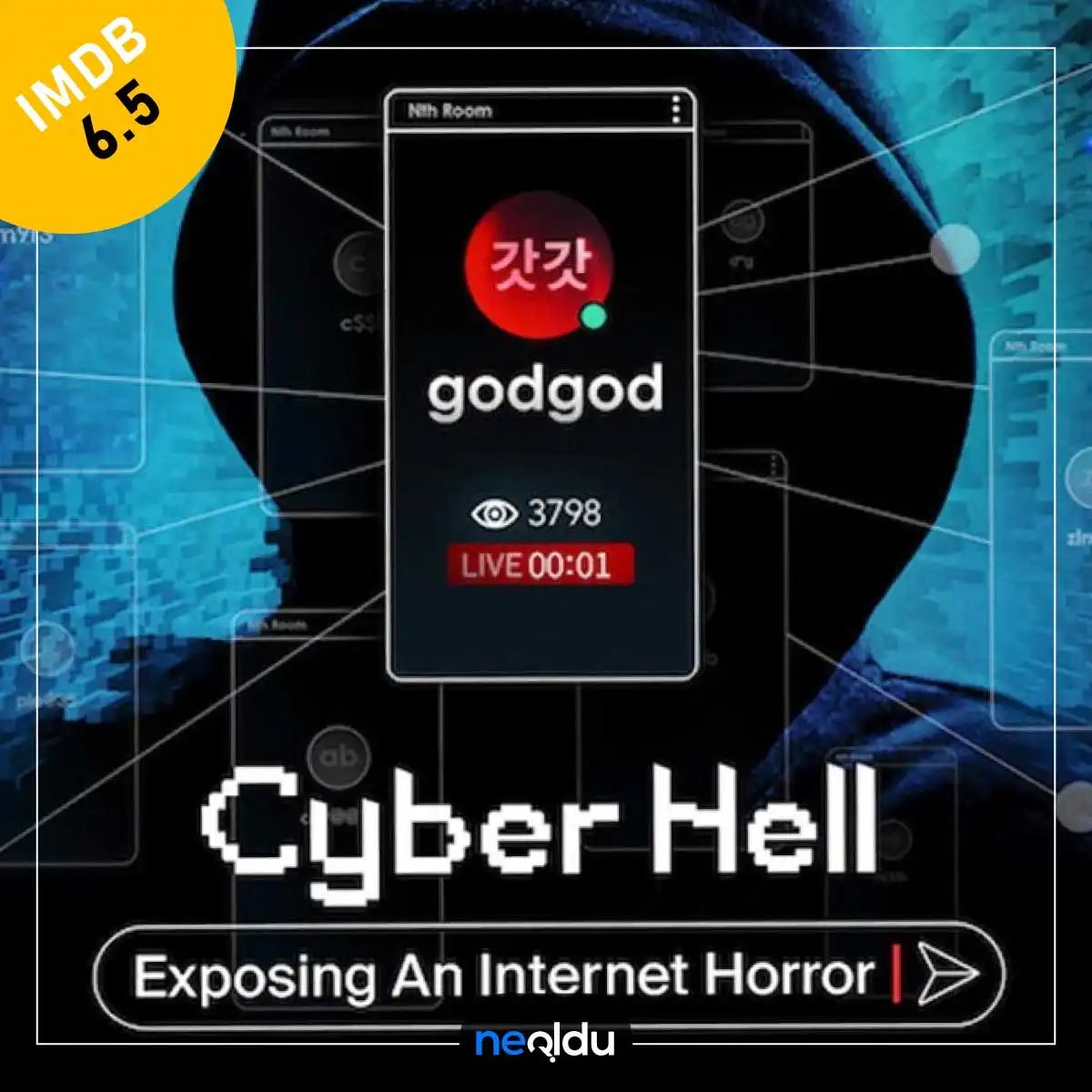
If you have ever wondered how predators operate in the shadows of the internet, look no further than the documentary landscape of the early 2020s. There is a specific niche of true crime films that do more than just recount crimes—they dissect the infrastructure that allows them to thrive. One such film, directed by Choi Jin-sung, drops the viewer into a chilling reality: a chat network designed for anonymity has become a breeding ground for sexual crimes. It is not just a story about bad actors. It is a story about the courage required to pull back the curtain.
The film, categorized firmly under crime and documentary, carries an IMDb rating of 6.5. That score might seem modest to some, but it reflects the heavy, unglamorous nature of the subject matter. Released in 2022, it arrives at a time when digital safety is a top concern for parents, lawmakers, and tech-savvy teens alike. The film does not shy away from the uncomfortable truth that these anonymous platforms are not just hubs for trolling, but active sites for predation.
“Every child’s life is negatively affected when these digital traps spring shut.”
What makes this documentary particularly striking is its focus on the investigators. These are not superheroes. They are ordinary people with extraordinary resolve. Catching the operators of such networks requires more than just technical skills; it demands a level of bravery that is hard to comprehend from behind a screen. The film highlights the psychological toll on those who dedicate their careers to dismantling these systems. It asks a difficult question: how much of the darkness are we willing to look at to keep the light on?
While the cast list might be sparse—since this is a documentary focusing on real-life events rather than scripted drama—the impact of the narrative is cast in high definition. It serves as a stark reminder that behind every username and anonymous chat room is a real-world consequence. The film’s placement as part of a broader series of significant works (indicated by its listing as number 7) suggests it holds its own against other major entries in the genre.
The story does not end with arrests. It ends with a lingering sense of vigilance. The operators may be caught, but the technology evolves. The chat networks adapt. And the need for those with the will to fight back remains constant. It is a cautionary tale, yes, but also a tribute to the quiet heroes working in the dark.
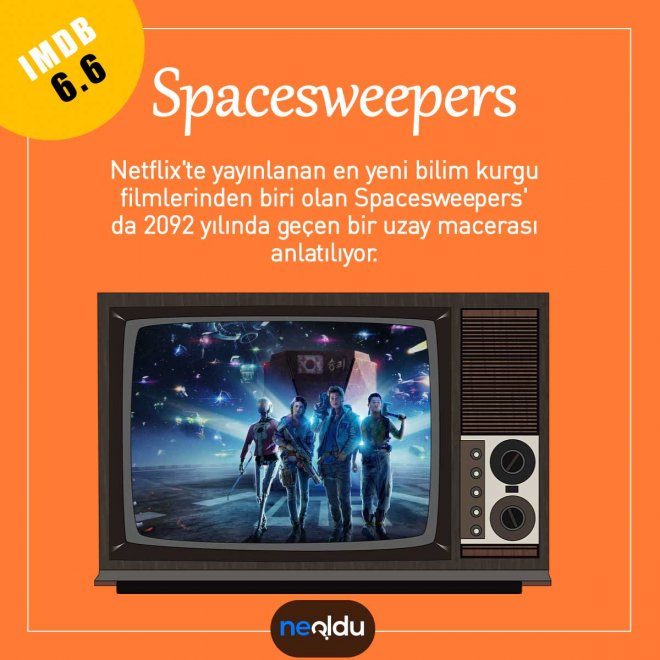

The year is 2092. Humanity isn’t looking up at the stars with wonder anymore; they are looking down with a broom. Spacesweepers drops you right into the gritty underbelly of a solar system choked by orbital debris. These aren’t shiny Starfleet officers. They’re scavengers. A ragtag crew pilots a rusty ship, picking through the floating junk of a bygone era just to keep the lights on.
It’s dirty work. Dangerous work. But then they find something buried in the dark. Something valuable enough to make the governments and corporate overlords sit up and take notice. Suddenly, the kids on board aren’t just collecting trash. They’re targets. The stakes skyrocket. The action kicks into high gear. It’s a classic setup, executed with enough visual flair to keep you hooked. The IMDb score of 6.6 suggests it’s solid, not spectacular, but for a Korean sci-fi entry, it holds its own. Directed by Sung-hee Jo and starring Song Joong-ki, Kim Tae-ri, and Jin Seon-kyu, it brings a distinct flavor to the genre.
The follow-up: Sweet & Sour
Following that interstellar dust-up comes Sweet & Sour. If you liked the high-stakes tension of Spacesweepers, this film offers a different kind of pressure. It’s not about gravity or space debris. It’s about sugar. And crime.
This isn’t just a cooking show. It’s a heist movie disguised as a culinary drama. The premise is straightforward but sharp: a group of small-time crooks decides the best way to make money isn’t through violence, but through precision. They target the world’s top chefs. Specifically, they want to steal their recipes. But these aren’t just any recipes. They are the keys to culinary dominance.
The film pivots from the cold void of space to the hot, humid chaos of a professional kitchen. The contrast is jarring. In Spacesweepers, the enemy was the environment. Here, the enemy is bureaucracy, competition, and a rival syndicate that doesn’t take kindly to theft.
Why it matters in the current landscape
Korean cinema has been aggressively expanding its genre boundaries. We’ve seen horror, thriller, and historical dramas dominate the charts. But sci-fi? That’s still a growing niche. Spacesweepers proved the audience is there. They want to see their actors in spacesuits. They want to see their cities rendered in futuristic detail.
Sweet & Sour takes that momentum and applies it to a genre-bending caper. It’s about execution. In cooking, one wrong ingredient ruins the dish. In heists, one wrong move ruins the getaway. The parallel is intentional. The director uses the tension of the kitchen to mirror the tension of the crime. Every second counts. Every chop matters.
Who is it for?
If you watched Spacesweepers for the world-building and the ensemble cast, you’ll find similar beats here. It’s not as grand in scale. The budget is likely lower. The stakes are personal, not planetary. But the craftsmanship is there. The attention to detail in the food preparation is almost hypnotic. You can almost taste the sweetness. And the sour.
The cast

A Relationship on Life Support in Lee Kae-Byeok’s Romantic Comedy
Most relationship comedies thrive on the “will they, won’t they” tension of new love. This Korean entry flips the script entirely. It isn’t about the spark; it’s about the embers slowly cooling under years of accumulated grime. The film follows a couple whose romance has curdled into a daily grind of petty irritations.
Lee Kae-Byeok directs with a sharp eye for the mundane cruelty of long-term partnerships. The premise is simple but effective. Two people have been together so long that their attempts to “keep it fresh” actually end up digging the grave faster. Fatigue sets in. Old scores are settled. Opportunities for connection are missed because everyone is too busy keeping their shields up.
Starring Jack Yung and Krystal Jung, the dynamic feels grounded in reality rather than cinematic fantasy. You aren’t watching a fantasy; you’re watching a mirror. The friction between them isn’t explosive drama. It’s the slow burn of exhaustion. They hurt each other not out of malice, but out of habit and weariness.
The score reflects this tone. An IMDb rating of 6.8 suggests it’s solid entertainment, but not a masterpiece. It occupies that comfortable middle ground of a well-made genre piece. Released in 2021, it taps into a post-pandemic cultural mood where re-evaluating personal connections felt urgent for many viewers.
Who knew that the real antagonist in a romance could be boredom?
The film posits that the hardest part of love isn’t finding the person. It’s staying awake while living with them.
Jang Ki-Yong rounds out the cast, adding layers to the social web surrounding the central couple. The film doesn’t offer a magic fix. It doesn’t promise that love conquers all if you just try harder. Sometimes, the tragedy is that trying harder is exactly what breaks the fragile equilibrium.
The result is a watchable, slightly melancholic look at modern intimacy. It’s funny, yes. But the humor comes from recognition. You’ve been there. You’ve said those things. You’ve felt that specific brand of loneliness in a crowded room.
Does the movie offer hope? Not really. It offers truth. And sometimes that’s enough to keep you watching until the credits roll.
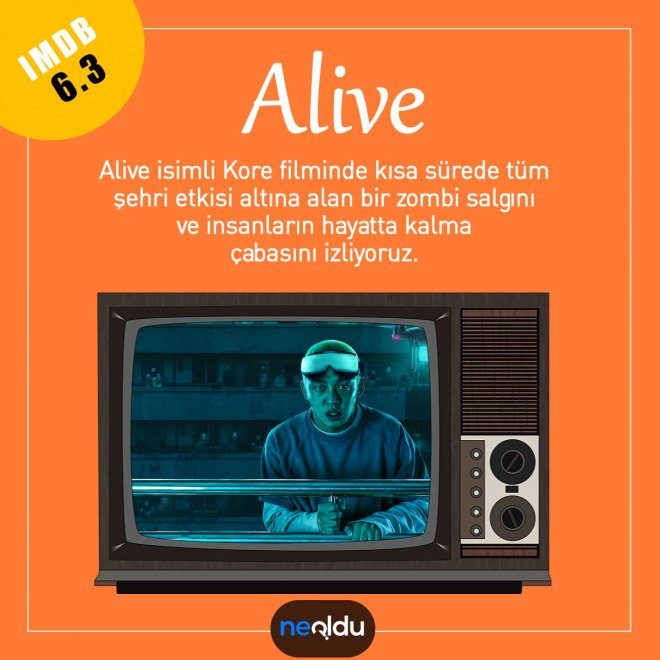
How ‘Alive’ Captures the Panic of an Instant Outbreak
The premise is terrifyingly simple. A young man wakes up alone. Not just alone in the room, but alone in the apartment. Joo-woo stretches, expects his family, and gets nothing but silence. Then he looks out the window. The street below isn’t just busy. It’s chaos.
In Hyung-cho’s 2020 film Alive, the horror doesn’t come from a monster jumping out of a closet. It comes from the sudden, suffocating isolation. One minute, everything is normal. The next, the city is burning, and the people are no longer people.
The genre blend is messy but effective. You have the high-octane energy of an action flick mixed with the genuine dread of a horror movie. It’s not a slow-burn zombie story. This is about survival in real-time. Joo-woo isn’t a trained soldier. He’s a guy who just wants to go back to sleep, only to realize the world has ended while he was dreaming.
The acting carries the weight here. Ah-In delivers a performance that feels raw and unpolished, which is exactly what the character needs. There’s no time for vanity when you’re hiding in your apartment while screams echo through the hallway. Park Shin-Hye also steps in, bringing a grounded intensity that anchors the film when the plot starts racing toward its conclusion.
It’s a Korean zombie movie that leans heavily into the claustrophobia of modern urban life. In a connected world, being disconnected isn’t a relief. It’s a death sentence.
IMDb gives it a 6.3. That’s not a masterpiece. But it’s a solid entry in the post-2020 zombie renaissance. It knows what it is. It’s a thriller about the moment you realize you can’t call for help.
The tension builds not through jump scares, but through the mundane details becoming lethal. A phone with no signal. A door that won’t open. The sound of footsteps on the stairs.
“The real horror isn’t the zombies. It’s the silence.”
We end this entry with the countdown hitting ten. The dread is mounting. The screen is about to go dark, and the next story is about to begin.
10. The Call

The Caller from the Future: A Timeline Trap
It starts with a ring. Just a normal phone call, right? Except the voice on the other end is predicting things that haven’t happened yet. In this tense Korean thriller, young Seo-Yeon finds her life upended when a mysterious serial killer begins calling her. But this isn’t your average stalker. The killer is reaching out from twenty years in the future, essentially hijacking Seo-Yeon’s timeline by warning her—or perhaps orchestrating her doom. The connection is immediate and terrifying. Seo-Yeon is paralyzed by the sheer impossibility of the situation. Who is this person? Why her? And can you actually change fate when the architect of your fear is already out there, waiting in the dark? The film leans heavily into the psychological horror of losing control over your own life events. It’s not just about escaping a killer; it’s about fighting a predetermined script written by someone who knows exactly how you die.
A Technical Triumph with a Flawed Soul
Directed by Lee Chung-hyun, this 2020 release aims for high-concept sci-fi thriller status. Park Shin-hye carries the weight of the narrative as Seo-Yeon, delivering a performance that balances vulnerability with a sharp, jagged edge. She’s paired with Sung-ryung Kim and Jun Jong-seo, who ground the supernatural elements in a gritty, realistic aesthetic. The production design does heavy lifting here, making the near-future setting feel lived-in and claustrophobic. The cinematography uses tight frames to emphasize Seo-Yeon’s isolation. You feel her panic because the camera refuses to give her any breathing room.
“The horror isn’t just the killer; it’s the realization that your choices might be an illusion.”
The score is another character in itself. Synths and dissonant strings create a constant undercurrent of anxiety. It’s not scary because of jump scares. It’s scary because of the relentless pressure of time ticking down toward a known, terrible event. Lee Chung-hyun, known for his visual flair, uses color theory to distinguish between the past and the future timelines. The present day is washed out, cold. The future glimpses are harsher, more saturated. It’s a subtle cue that helps the audience navigate the plot, though the plot itself can get tangled.
Why It Sticks (And Where It Stumbles)
For fans of the Korean sci-fi thriller genre, this film offers a solid entry point. It shares DNA with classics like The Call (2020) and Midnight (2021), dealing with telephonic horror and time loops. However, it carves out its own space by focusing heavily on the psychological erosion of the protagonist rather than just the mechanics of the time travel. The chemistry between Park Shin-hye and the antagonist is electric. Sung-ryung Kim brings a chilling charisma to the role of the killer, making Seo-Yeon’s fear palpable. It’s not just a monster movie; it’s a character study in paranoia.
Critics might point out that the third act gets bogged down in exposition. The rules of time travel are explained, often clumsily, to tie up loose ends. Some viewers will find the resolution satisfying; others will see holes big enough to drive a truck through. But does that matter? The journey is the
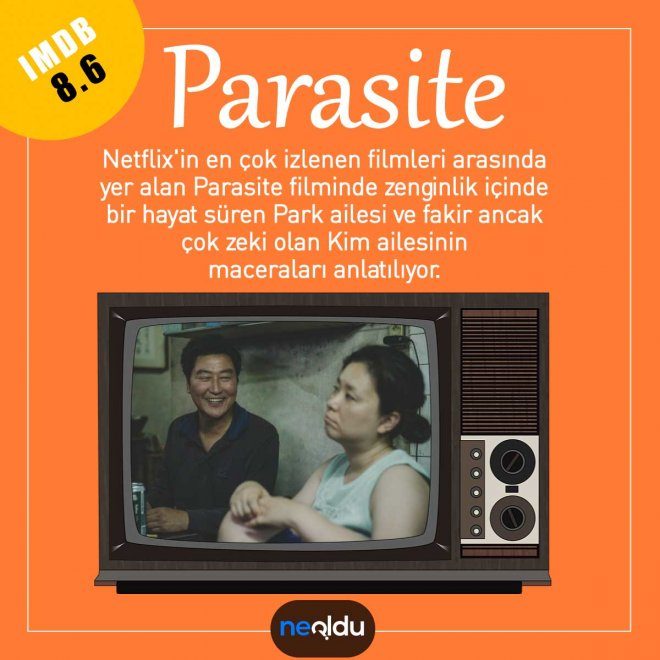
Why Bong Joon-ho’s Parasite Still Dominates Streaming
If you’ve scrolled through Netflix’s most-watched lists, you know the drill. But Parasite isn’t just another entry. It’s a cultural earthquake that won’t stop shaking the ground. Directed by Bong Joon-ho, this 2019 thriller doesn’t just tell a story. It traps you in it.
The plot is deceptively simple. Two families. One house. The Park family lives in luxury. The Kim family lives in poverty. But the Kims are smart. Really smart. They infiltrate the Park household one by one, posing as unrelated, highly qualified staff. A tutor. A driver. A housekeeper. A chef.
They aren’t just working for the Parks. They are extracting every drop of wealth from them. It’s a heist without the getaway car. The system works. Perfectly. Until it doesn’t.
“One rule is all it takes to break the illusion.”
That’s the danger. The Kims’ careful architecture collapses because of one patently uninvited guest. A basement dweller who was living in the walls all along. The tension isn’t just about class disparity. It’s about the violent collision of two worlds that were never meant to touch.
The Cast That Defined a Generation
You can’t talk about Parasite without naming the heavy hitters. Song Kang-ho leads the charge as Kim Ki-taek. His face says it all. Resignation. Resilience. Rage. He’s the patriarch trying to navigate a labyrinth designed to keep him out.
Then there’s Choi Woo-shik and Park So-dam as the son and daughter. They’re the ones who execute the infiltration. Sharp, agile, and terrifyingly adaptable. Their chemistry drives the film’s前半 part. It’s almost playful. Almost.
And let’s not forget the Parks. Lee Sun-kyun and Cho Yeo-jeong. They aren’t villains. They’re just oblivious. Their wealth is a shield so thick it makes them blind to the humanity standing inches from them.
Why It’s Ranked 8.6 on IMDb
An 8.6 isn’t just a score. It’s a consensus. Critics loved the screenplay. Audiences loved the twist. But why does it stick around?
It’s the genre-bending. Bong Joon-ho called it a “comedy-thriller.” Maybe even a “tragedy” depending on which act you’re in. It starts funny. Then it gets tense. Then it gets violent. By the end, you’re left wondering who the real monster is.
The visual storytelling is key. The house itself is a character. Staircases. Windows. Light. Every frame is composed to show the hierarchy. The Kims are always lower. Or higher. It depends on what they need to hide.
How the “Guest” Changes Everything
The inciting incident for the second half is brutal in its simplicity. A former housekeeper returns. Not to clean. To reclaim her husband. The man living in the bunker beneath the house.
This is where the film sheds its comedy skin. The Kims realize they aren’t the only parasites. They’re competing for the same host. And the host is the house.
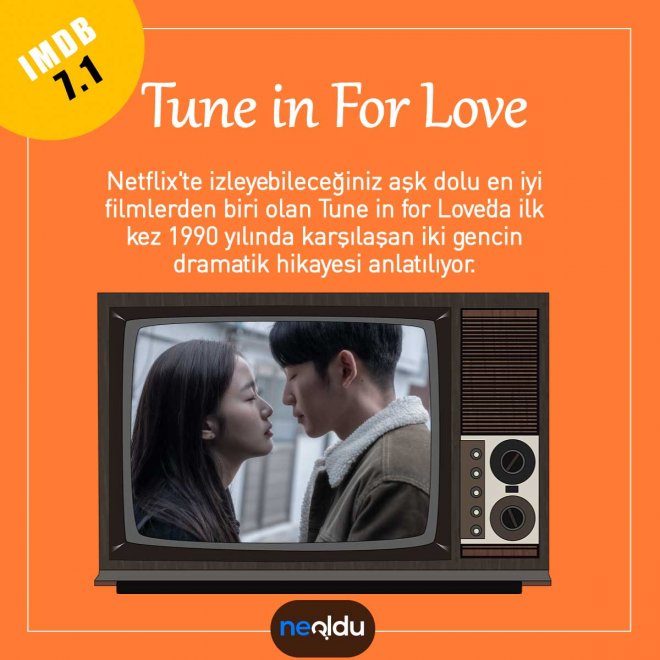
The Drug King: When Crime Becomes a Crime Saga
You think Tune in for Love is your go-to for romance? Think again. We are shifting gears from slow-burn student romance to high-stakes criminal enterprise. If you’re hunting for best crime dramas on Netflix, this 2018 release is a heavy hitter. It doesn’t just show you crime; it dissects the psychology of a man who built an empire out of fentanyl.
The film stars Hyun Bin in a career-defining role as Hwang Jang-yup. But this isn’t the charming romantic lead we’re used to seeing. This is a gritty, morally ambiguous portrayal of South Korea’s most infamous drug lord. The story traces his rise from a small-time dealer in the 1990s to a kingpin controlling vast distribution networks. It’s chaotic. It’s violent. And it’s surprisingly human.
Why This Movie Stands Out in the Genre
Most crime biopics focus on the fall. The Drug King spends more time on the ascent. We see how Hwang navigates a landscape where law enforcement is underfunded and corrupt elements are everywhere. The film answers the question of how real-life criminals operated during the economic crises of the late 90s.
It’s not just about pills. It’s about power. The director, Woo Min-ho, captures the tension of a man who cannot stop. Every deal is a gamble. Every ally is a potential traitor. Hyun Bin’s performance is restrained yet intense, showing the weight of choices that ripple across decades.
Historical Context and Accuracy
For fans of historical crime movies, the attention to detail is striking. The film is based on the real-life story of Hwang Jang-yup, who was arrested in 2000. The movie doesn’t shy away from the sordid details of his operations, including his ties to organized crime groups and his use of foreign intermediaries.
Key elements include:
– The economic desperation that fueled the drug trade in the late 90s.
– The breakdown of international cooperation in law enforcement at the time.
– The sheer audacity of the distribution network, which spanned multiple countries.
Where to Watch and What to Expect
If you’re wondering where to watch The Drug King, it’s prominently featured in Netflix’s crime and thriller categories. The runtime is tight—around 130 minutes—so there’s no fat. Every scene pushes the narrative forward.
The cinematography is dark and moody, reflecting the underground world. The score is subtle, letting the tension in the dialogue do the heavy lifting. It’s a movie that stays with you, not because of flashy action, but because of the inevitability of the protagonist’s trajectory.
Is it a perfect crime story? No. But it’s a compelling one. It forces you to look at the human cost behind the statistics. And in a year where popular crime thrillers often rely on spectacle, this film relies on substance.
The ending doesn’t tie everything up with a bow. The aftermath is messy. Just like life. Just like crime.
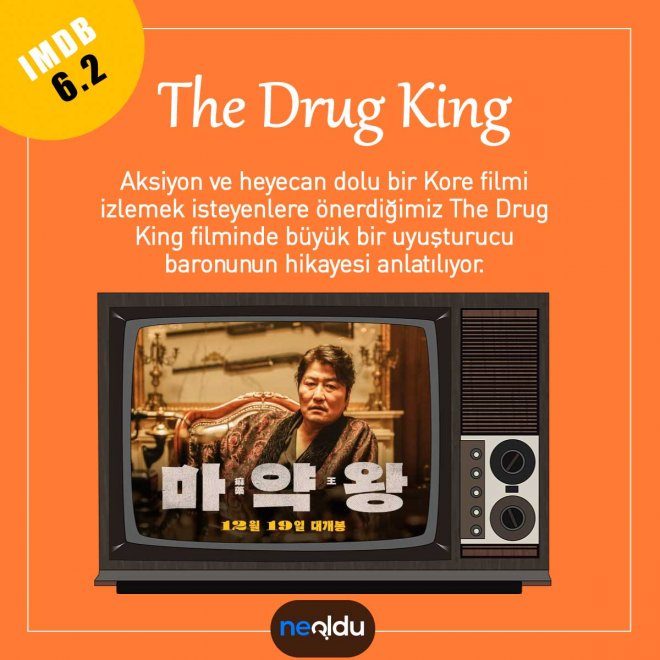
The Drug King: How a Busan Hustler Became Japan’s Drug Lord
If you are hunting for a Korean action-thriller that hits hard, The Drug King is the pick. It tracks a massive drug lord’s rise from a Busan street hustler to the undisputed king of Japanese narcotics in the 1970s.
The Basics
* Genre: Action, Drama, Crime
* IMDb: 6.2/10
* Release Year: 2018
* Director: Woo Min-ho
* Cast: Song Kang-ho, Jo Jung-suk, Lee Sung-min
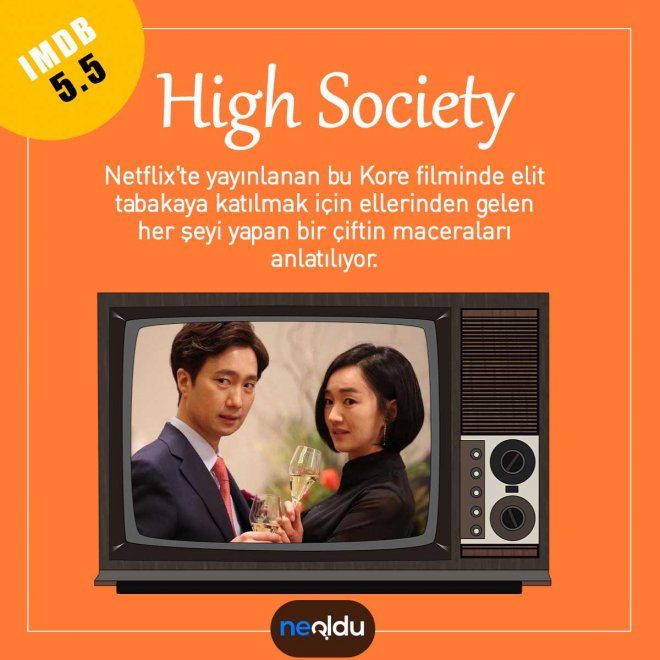
14. High Society
It is a gritty, fast-paced ride. The film doesn’t shy away from the chaos of the era. Song Kang-ho leads the charge, turning a small-time smuggler into an international player. It is less about moral lessons and more about survival and power.
Why does this movie stick? The chemistry between Kang and Jo Jung-suk drives the plot forward. Lee Sung-min adds layers of tension. You get the full picture of how these men operated across borders.
“Power is not given. It is taken.”
The setting matters just as much as the script. Busan in the 70s feels alive. The transition to Japan adds scale. It is a story of ambition gone wild.
If you want high stakes and realistic crime drama, this belongs on your watchlist. It is not for the faint of heart. But for fans of the genre, it delivers.
The Class Divide in Psychokinesis: A Netflix Drama Review
It starts with a simple premise that quickly curdles into something much darker. You have a professor and his curator wife, members of Seoul’s tight-knit elite who believe their status is a birthright they must aggressively defend. Psychokinesis, released on Netflix in 2018, isn’t your typical superhero origin story. It’s a satirical look at how far people will go to keep the “riff-raff” out of their gated communities.
Directed by Hyuk Byun, this drama leans heavily into the absurdity of class warfare. The film stars Park Hae-il as the professor, a man whose intellectual arrogance mirrors his economic one. Opposite him is Soo Ae as his wife, whose dedication to social climbing is matched only by her ruthlessness. They aren’t just trying to attend the right parties; they are actively weaponizing their privilege.
Why the Elite Fracture
The IMDb rating sits at a modest 5.5, which might suggest mediocrity. But the score feels like a victim of its own genre-blending. Audiences expecting pure action often miss the sharp political commentary buried under the CGI explosions. The real conflict isn’t just good versus evil. It’s about access.
Kim Gyu-Sun appears in the supporting cast, adding to the ensemble of characters caught in the crossfire. The narrative force comes from the husband’s descent. He gains telekinetic powers early on, a gift that should be used for justice. Instead, he uses it to police the boundaries of his neighborhood. He becomes the very thing he claims to hate: a violent enforcer of class barriers.
The Visuals vs. The Message
Hyuk Byun’s direction prioritizes spectacle over subtlety. The special effects are flashy, sometimes clunky, but they serve a clear purpose. Every time a building collapses or a car flips, it’s a metaphor for the fragility of social order. The film asks a uncomfortable question about which side of the tracks you’re on.
“Power corrupts, but privilege accelerates the corruption.”
The chemistry between Park Hae-il and Soo Ae is the anchor. Their dynamic shifts from a united front of elitism to a fractured relationship as the husband’s power grows unchecked. You watch them rationalize their cruelty. They don’t see themselves as villains. They see themselves as stewards of a way of life that is supposedly superior.
Where It Falls Short
The pacing drags in the second act. The satire becomes so heavy-handed that it loses its edge. Instead of subtle mockery, you get shouted dialogue and exaggerated gestures. It’s hard to care about the protagonist’s moral decay when the execution feels so unpolished.
Yet, the film remains relevant. South Korea’s wealth gap is a pressing issue. Psychokinesis takes that tension and literalizes it. The result is a messy, loud, and occasionally funny movie that doesn’t quite know what it wants to be. Is it a thriller? A comedy? A political tract?
It tries to be all three. And in failing, it becomes memorable. Not because it’s good, but because it’s so willing to expose the ugly machinery of social climbing. The ending offers no redemption, just a lingering question about
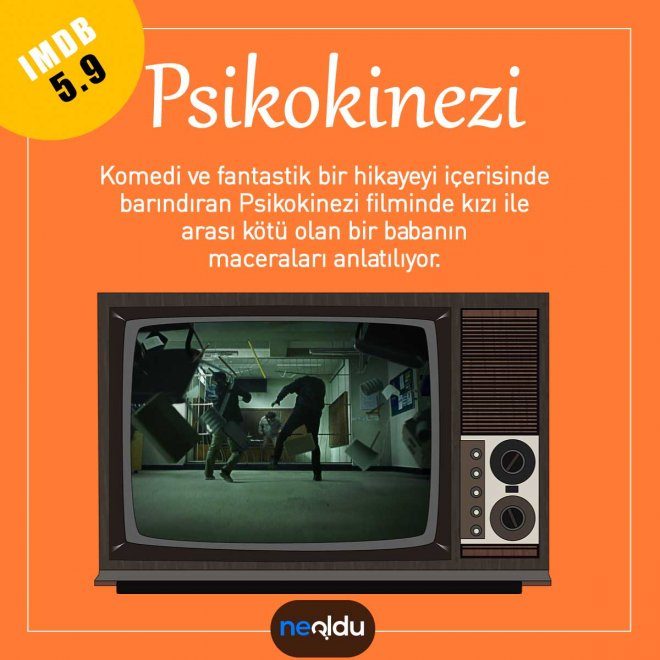
Yönetmen Sang-Ho Yeon’un imzasını taşıyan Psykokinez (İngilizce adıyla Forgotten veya Psychokinesis ), sadece bir süper kahraman filmi değil. Aile içi kopuklukları, modern baba-çocuk ilişkilerini ve aniden gelen sorumlulukları komediyle harmanlayan oldukça spesifik bir yapı. IMDb puanı 5.9 olan film, tür olarak fantastik ve komedi sınırlarında yürüyor. 2018 yapımı bu eserde, Ryu Seung-ryong’un canlandırdığı baba karakteri, kızına olan mesafesini sıfırlamak için kendi sınırlarını zorlayan bir yolculuğa çıkıyor.
Neden Psykinesis İzlenmeli?
Peki, bu film neden pop kültür fanlarının ilgisini çekiyor? Cevap basit: Yeon, Train to Busan ve The Host gibi eserleriyle tanıdığımız bir isim. Onun altında yapılan her şeyde beklenmedik bir tonlama var. Psykinesis, tam da bu beklentiyi yönetiyor.
Film, klasik “baba kız barışması” tropunu alıp üzerine psikokinezi yani düşünce gücüyle cisimleri hareket ettirme yeteneği ekliyor. Ryu Seung-ryong’un karakteri, Park Jung-min’in canlandırdığı kız çocuğuyla arası bozuk bir baba. Aniden süper güçlere sahip olduğunda ilk tepki kahraman olmak değil, kızı için risk almaya çalışmak. Bu, filmi sıradan bir aksiyon komedisinden çıkarıp duygusal bir temele oturtuyor.
Oyuncu Kadrosu ve Performanslar
Filmin en güçlü yanı kadrosu. Ryu Seung-ryong, sert ve mesafeli bir babayı oynarken bile izleyiciye “icazetini istemekten” vazgeçmiyor. Komedi anları doğal akıyor, dram anları ise yapay durmuyor.
Karşı tarafda Shim Eun-kyung (kız çocuğu rolünde) ve Park Jung-min (anne rolünde) yer alıyor. Shim Eun-kyung’un performansı, filmi taşıyan en önemli faktörlerden biri. Küçük oyuncunun duygusal derinliği, baba karakterinin değişimini inandırıcı kılıyor. Park Jung-min ise, otorite figürünü hem zorlaştıran hem de hafifleten bir denge kuruyor.
Hangi Kitle İçin Uygundur?
- Sang-Ho Yeon hayranları: Onun tarzını seviyorsanız, bu film de sizi mutlu edecektir.
- Aile dramı sevenler: Komediyle harmanlanmış aile içi sorunlar.
- Süper güç klişelerinden sıkılanlar: Film, güçleri bir “sorun” veya “yükleme” olarak kullanır, sadece bir
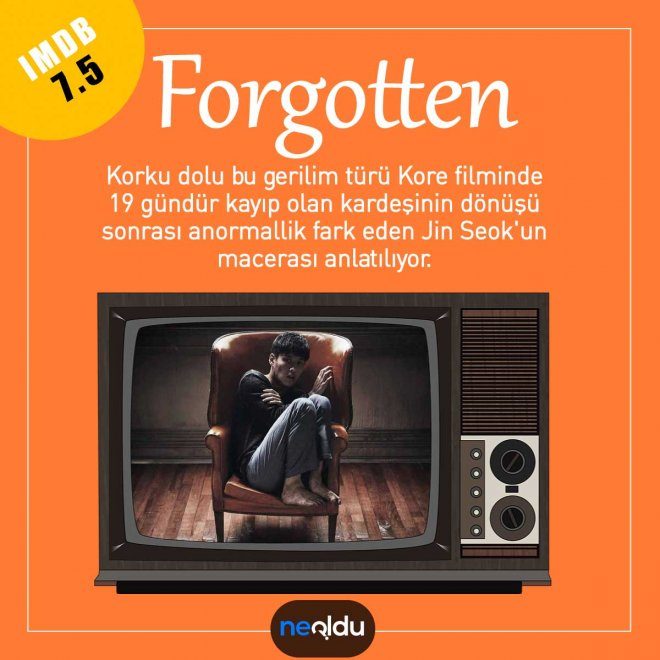
Jin-seok didn’t just lose his brother. He lost him for nineteen days.
That’s the nightmare at the center of The Vanished. When his sibling finally walks back through the door, everything should be fine. Relief. Hugs. Questions. But the vibe is off. The brother remembers nothing. Not a single second of those nineteen missing days. And worse? He’s starting to make strange, jerky movements. Twitches that don’t look like recovery. They look like something else.
Jin-seok isn’t buying it. He’s determined to find out who took his brother. Or what.
A Psychological Knot, Not Just a Thriller
Directed by Hang-Jun Zhang, this 2017 film isn’t your standard jump-scare horror. It’s a psychological thriller that digs into the fracture of a family bond. The tension doesn’t come from monsters in the closet. It comes from the uncertainty staring back at you from your own relative’s eyes.
The IMDb rating sits at a solid 7.5, suggesting it landed well enough with viewers who appreciate ambiguity over clear-cut answers. It’s not a blockbuster spectacle. It’s intimate. Claustrophobic. The kind of movie that lingers in the back of your mind because you can’t quite tell if the threat is supernatural or deeply, humanly twisted.
The Cast Carries the Weight
Kang Ha-neul plays Jin-seok. He’s the anchor. The one trying to hold the narrative together while everything slips sideways. His performance needs to be sharp. Defensive. You can see the suspicion building behind his eyes.
Opposite him is Kim Mu-yeol as the missing brother. The challenge here is subtle. He can’t just act “scared.” He has to act wrong. That’s where the strange movements come in. It’s a physical manifestation of trauma, or perhaps possession, or just a broken mind trying to cope. The ambiguity is intentional.
Mun Seong-kun rounds out the key trio. The chemistry between these three drives the plot. Without their nuanced performances, the mystery would just be a plot hole. With them, it’s a character study wrapped in suspense.
Why It Sticks With You
Most missing person stories follow a formula: search, find, reveal. The Vanished subverts this by focusing on the aftermath. The discovery isn’t the end. It’s the beginning of a new, weirder problem.
The film forces the audience to question reality along with Jin-seok. Is his brother back? Or is it an imposter? Or has his brother’s personality been overwritten by whatever happened in those nineteen days?
There are no easy answers. No “vital” clues handed to you in a neat package. You have to piece it together from glances, from the way his brother holds a cup, from the silence in the car.
The Atmosphere Is the Antagonist
Hang-Jun Zhang uses space well. The home isn’t a sanctuary anymore. It’s a cage. Every room feels like it’s watching. The lighting is often dim, casting long shadows that suggest there’s always something lurking just out of frame.
It’s a smart move. By keeping the threat ambiguous, the film taps into


