The Earth is not just a rock spinning in the void. It is a violent, breathing, shifting entity that somehow manages to keep you alive while you read this. We treat it as a given. A stage. But look closer. It is constantly changing. It is evolving. It is complex.
Scientists and geologists don’t stop studying it because they’ve figured it out. They study it precisely because they haven’t. The more we know, the more obvious it becomes how little we actually grasp about the mechanics beneath our feet.
For those of us trying to understand how our planet works —really works—most textbooks stop at the basics. They list the layers. They name the elements. They miss the nuance. This isn’t about rote memorization of facts. It is about the strange, counterintuitive realities that make Earth unique in the solar system. Here is what you need to know. Not the version you learned in third grade. The real one.
What Actually Is Earth?
Defining the Earth seems straightforward. It is the third planet from the sun. It is a terrestrial planet. It has water. It has life. But these labels are insufficient. They describe the surface, not the system.
Earth is a differentiated body. That is the technical term. It means gravity pulled heavy stuff to the center and light stuff to the outside. Iron sank. Silicates floated. This separation created the core, the mantle, and the crust. It happened billions of years ago. It still matters today.
Why does this matter? Because that differentiation drives the engine. The core is hot. The mantle flows. The crust breaks. If Earth were just a cold, uniform ball of rock, none of this would happen. No plates. No volcanoes. No magnetic field. Just dead stone.
We often think of the planet as a solid object. It isn’t. It behaves like a fluid on long timescales. The mantle convects. It churns. It moves tectonic plates. These plates crash into each other. They slide past one another. They pull apart. This is plate tectonics. It is the reason we have mountains. It is the reason we have earthquakes. It is the reason we have continents at all.
The Magnetic Shield
Here is a fact that changes how you view the sky: you are protected by an invisible force field. The Earth’s magnetic field is generated by the movement of molten iron in the outer core. This process is called the geodynamo.
Without it, solar wind would strip away our atmosphere. Think about that. Mars lost its magnetic field. It lost its water. It became a desert. Earth kept its shield. It kept its air. It kept its water. This is not accidental. It is the result of a specific planetary size and composition.
Smaller planets cool faster. Their cores solidify. The dynamo stops. Earth is large enough to retain heat. It is large enough to keep the core liquid. This is a key reason why Earth supports life while other terrestrial worlds do not. It is a delicate balance of mass, heat, and time.
The Water World
Seventy-one percent of the surface is covered in water. This is not just a statistic. It is the primary regulator of the climate
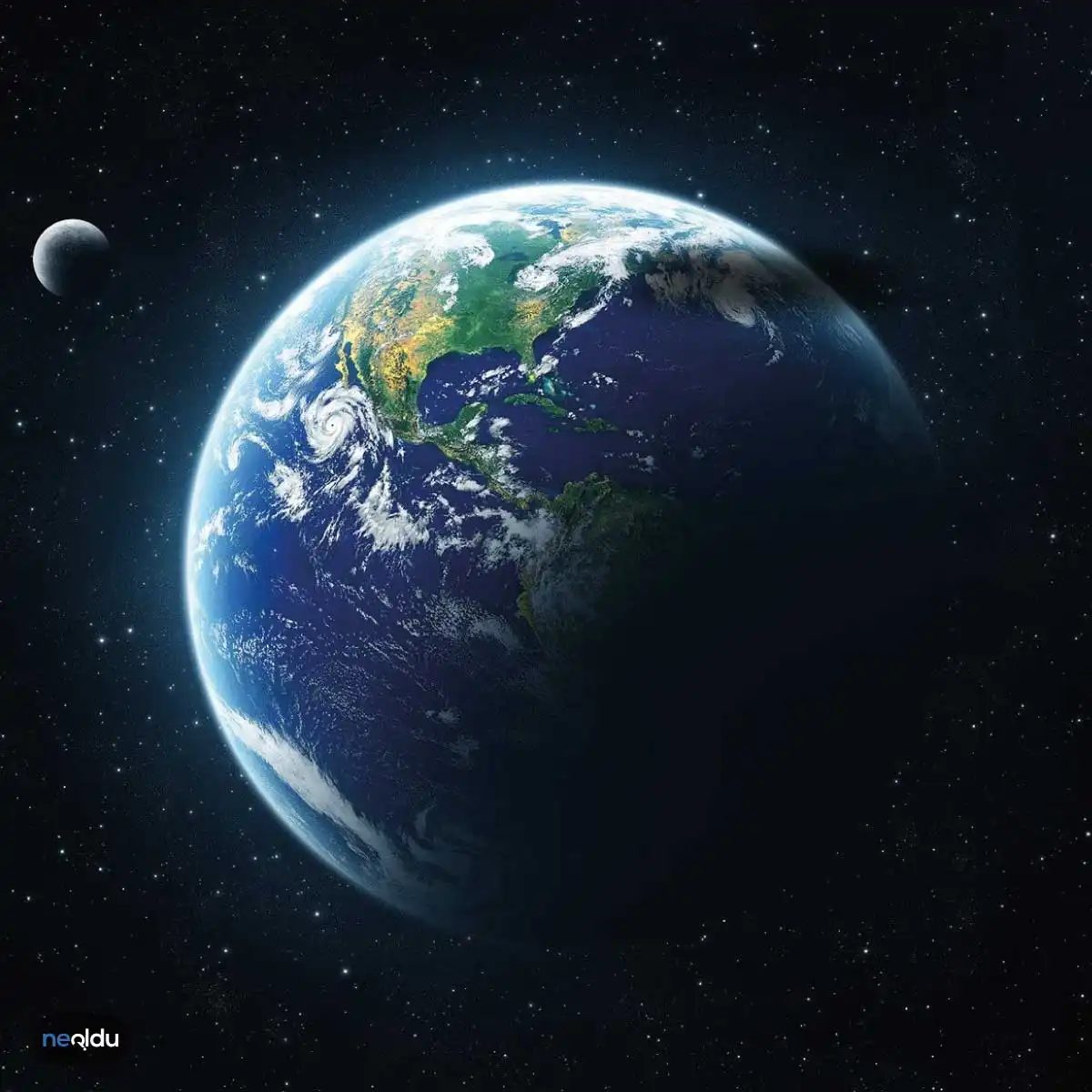
Dünya, Güneş Sistemi’nin en içteki gezegeni olma unvanını taşıyor. Sadece bu yüzden değil, içinde sıvı suyun ve yaşamın barındığı tek gök cismi olmasıyla da öne çıkıyor. Tek doğal uydumuz Ay, bu dengenin parçası. Diğer gezegenlerin aksine, Dünya kayaç yapılı. Bu sert kabuk, üzerinde bildiğimiz her şeyin oluşmasını sağlıyor.
Yüzeyin sadece %29’u kıta ve adalardan ibaret. Geriye kalan %71’i okyanuslar, göller, tatlı su kaynakları ve nehirlerden oluşuyor. Su, gezegenimizin kimliğini belirleyen ana unsur. Radyometrik tarihleme yöntemleri, Dünya’nın 4,5 milyar yıldan daha önce oluştuğunu gösteriyor. Bu tarih, uzayda oldukça genç sayılır ama yaşam için yeterli zamana sahip.
Yer çekimi, Güneş ve Ay ile olan etkileşimi yönetiyor. Bu çekim kuvveti, gezegeni yörüngesinde tutuyor. Güneş etrafındaki dönüşü 365,256 Güneş günü sürüyor. Kendi ekseni etrafındaki dönüşü ise 366,265 kez gerçekleşiyor. Bu sayısal fark, takvim hesaplamalarında küçük ama önemli sapmalara yol açıyor.
Gezegenin İç Yapısı ve Atmosferi
Dünya’nın iç yapısı, katmanlardan oluşuyor. En dıştaki kabuk, levhaların hareket ettiği yer. Bu levhalar, depremleri ve volkanizmayı tetikliyor. Altındaki astenosfer, yarı akışkan bir yapıya sahip. Mantoya geçiş, kayaların erime noktasına ulaşmasıyla belirleniyor.
Çekirdek, iki kısımdan oluşuyor. Dış çekirdek sıvı demir ve nikel içeriyor. Bu sıvı metalin hareketi, manyetik alanı oluşturuyor. Manyetik alan, Güneş rüzgarlarına karşı bir kalkan görevi görüyor. Bu kalkan olmasaydı, atmosfer uzaya sürünürdü. Yaşam için bu koruma hayati.
İç çekirdek ise katı. Yüksek basınç, demirin katı kalmasını sağlıyor. Sıcaklık, Güneş’in yüzeyine yakın. Bu ısı, manyetik alanın devam etmesi için gerekli. Isı transferi, konveksiyon akımlarıyla sağlanıyor. Akımlar, levha hareketlerini de destekliyor.
Atmosferin Bileşimi ve Önemi
Atmosfer, azot ve oksijenden oluşuyor. Azot %78’i, oksijen ise %21’i oluşturuyor. Kalan %1’i, argon, karbondioksit ve diğer gazlardan geliyor. Karbondioksit miktarı düşük ama etkisi büyük. Sera gazı olarak ısıyı hapsediyor. Bu ısı hapsi, gezegeni yaşanabilir kılıyor.
Atmosfer katmanları, yüksekliğe göre değişiyor. Troposfer, hava olaylarının
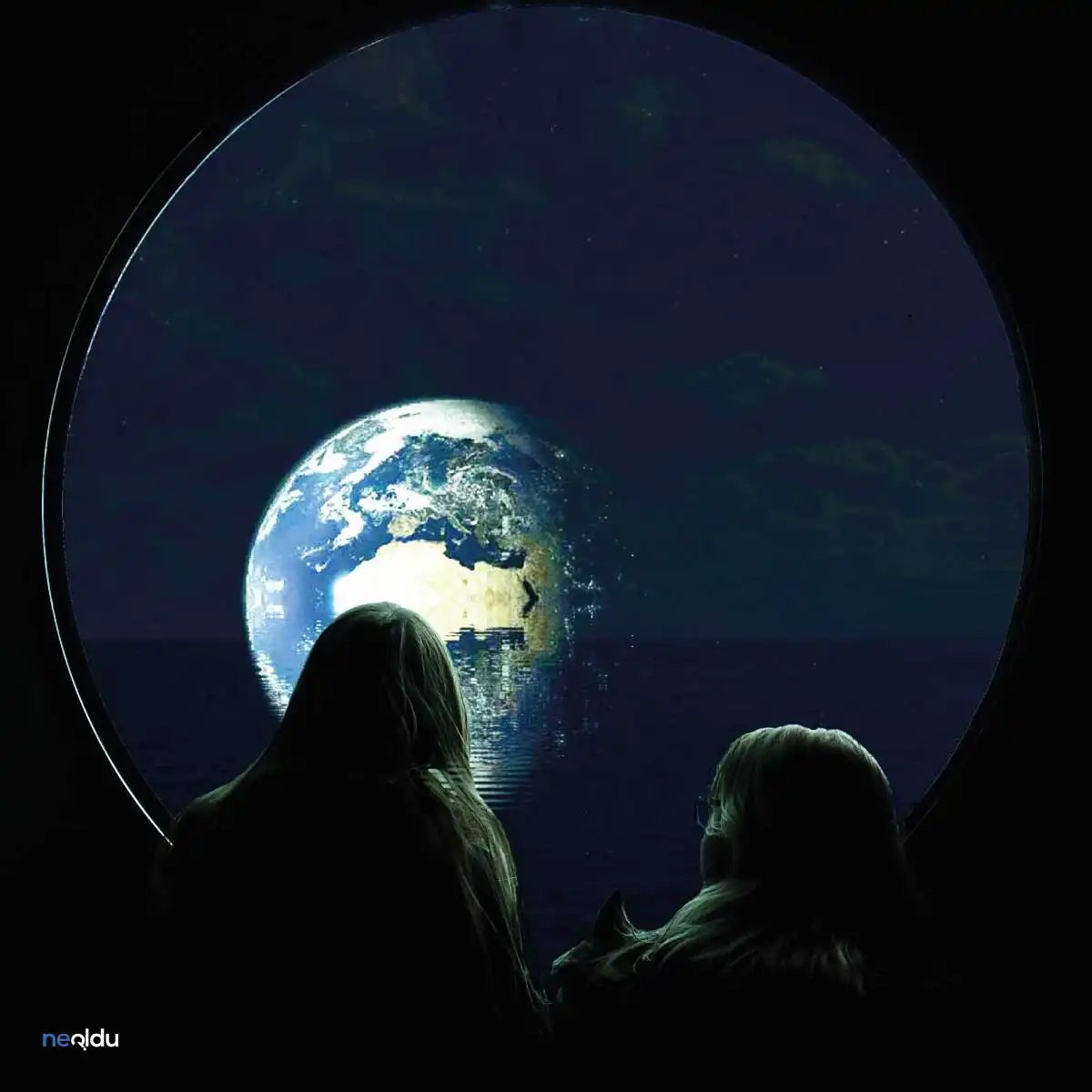
Dünya, insanlığın evrendeki tek bilinen limanı. İçinde yaşadığımız için belirsizlikler içine girmekten kaçınırız ama kökeni aslında kaotik bir macera. 4.5 milyar yıl önce, Güneş sistemi henüz genç ve istikrarsızken, Güneş’ten kopan bir parça yörüngede soğuyarak bugünkü evimizin tohumunu attı.
Bu süreç sadece huzurlu bir yavaşlama değildi. Gezegenler oluşurken birbiriyle kavga ediyordu. Dünya da bu kavgadan nasibini aldı. Devasa göktaşı çarpışmaları, gezegenimizin büyümek için ihtiyaç duyduğu ham maddeleri getirdi. Çarpan her cisim, buzlar, metaller ve silikatları gezegenin bünyesine katıyordu. Bu kaotik birleşme, nikel ve demirin ağırlık merkezi çekilmesini sağladı. İşin ilginci, bu yoğunluk farkı sayesinde gezegenin merkezi erimiş bir çekirdek haline geldi.
Milyarlarca yıl geçti. Çekirdek sabitlendi. Atmosfer şekillendi. Ve en sonunda, su birikti. Okyanuslar oluştu, kıtalar belirdi. Bugün ayağımızı bastığımız karalar, o ilk büyük çarpışmalardan sonra yavaş yavaş ortaya çıkan bir sonuçtu.
Gezegenin Fiziksel Yapısı ve İç Katmanları
Dünya’nın iç yapısını anlamak, sadece jeolojiyle ilgili değil. Yaşanabilir olup olmamamızla doğrudan bağlantılı. İçinden dışına doğru dört ana katman var. Bunlar sadece soyut kavramlar değil. Her biri kendi işlevini yerine getiren, birbirine bağımlı bir sistem.
Çekirdek
En içte, 5.000 santigrat dereken 6.000 santigrat dereceye kadar varan sıcaklıklarda demir ve nikel ağırlıklı bir kütle var. Dış çekirdek sıvı, iç çekirdek ise katı halde. Bu sıvı katman, gezegenin manyetik alanını yaratan dinamik akımlara ev sahipliği yapıyor. Manyetik alan yoksa, Güneş rüzgarları atmosferimizi soğurur. Hayatı koruyan kalkan bu.
Manto
Çekirdeği sararak kabuğun altına kadar uzanan bu katman, kaygan, viskoz bir halde. Yüzeydeki tektonik plakalar burada hareket ediyor. Manto, gezegenin ısısını dışarı atarken, kabuk üzerinde sürekli bir gerilim yaratıyor. Depremler, volkanizma… Hepsi bu devasa “sıvı” taşın hareketlerinden kaynaklanan yan ürünler.
Kabuk
En ince, en dış katman. Okyanus tabanı ve karalar burada. Kalınlığı 5 ila 70 km arasında değişiyor. Dünyanın yüzeyine baktığınızda gördüğ
The Real Mechanics of a Living Planet
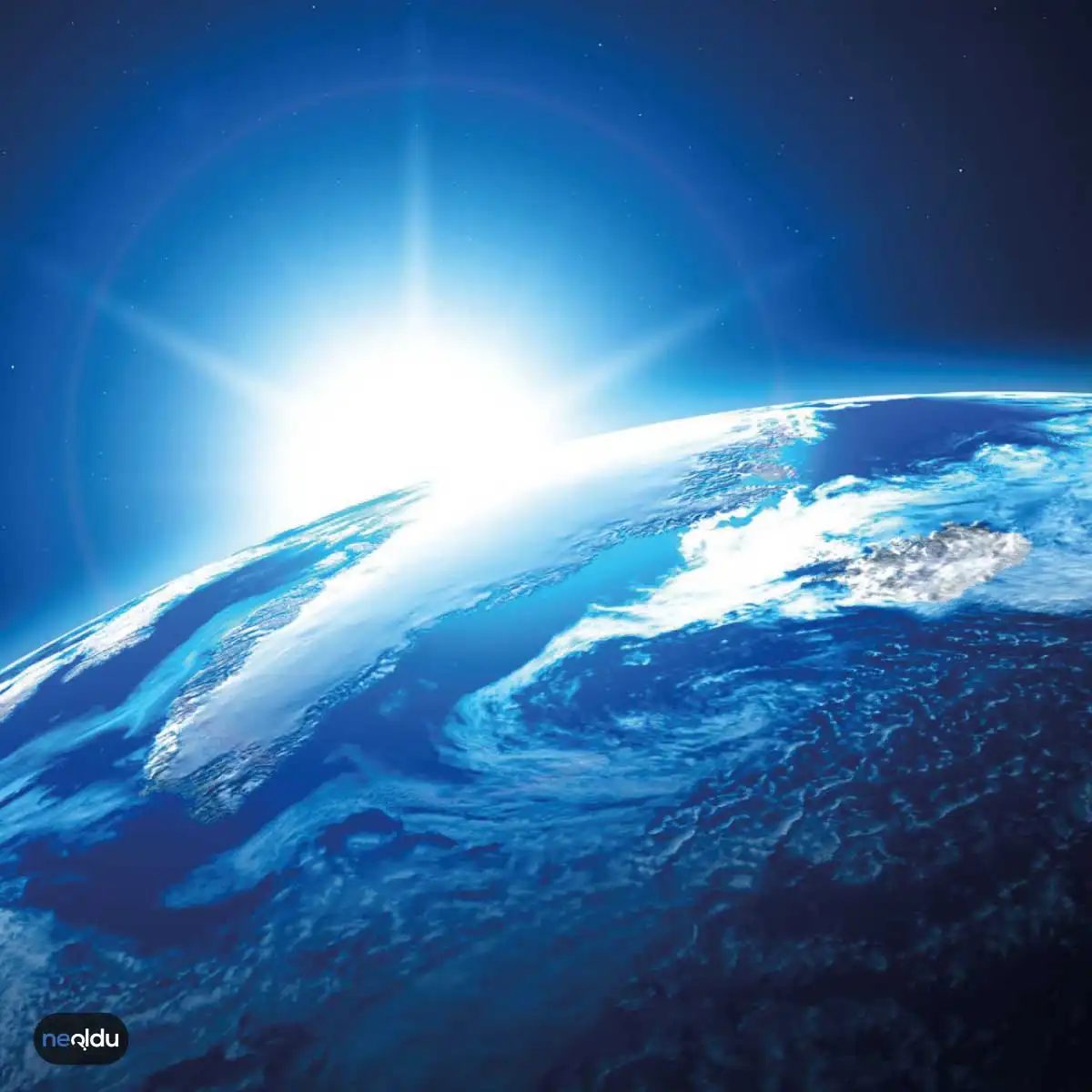
We usually think of Earth as just “home,” a blue marble hanging in the void. But look closer at the numbers, and it stops feeling like a static backdrop and starts feeling like a high-stakes machine. Being the third rock from the Sun isn’t just about position; it’s about survival. The atmosphere—a thick blanket of 78% nitrogen and 21% oxygen—doesn’t just let us breathe. It filters out the radiation that would otherwise strip the planet bare, giving us that distinct azure hue when viewed from orbit.
The shape of the planet is equally critical. It’s not a perfect sphere. Because of its rotation, Earth bulges at the equator. This is what makes it a geoid. The equatorial diameter stretches to 12,104 km, while the polar diameter is slightly compressed. This bulge isn’t just geometry; it affects everything from satellite orbits to how we define gravity.
At the center of this spinning sphere lies a dynamo that saves our skins. The core, composed of nickel and iron, generates a powerful magnetic field. This invisible shield deflects solar winds. Without it, the high-energy particles from the Sun would erode the atmosphere layer by layer, much like what happened to Mars.
How Earth’s Layers Actually Work
The planet isn’t a solid chunk of rock. It’s layered, like an onion made of fire and stone. Understanding these layers explains why the ground shakes and why the sky is blue.
The Core (Barisfer)
Deep inside, the core is divided. The inner core is solid iron-nickel, crushed under immense pressure. The outer core is liquid magma. It’s the churning of this liquid metal that creates the magnetic field. You can’t see it, but you feel its effects every time a compass points north.
The Mantle (Pyrosfer)
Between the crust and the core lies the mantle. This is the hottest layer, filled with molten rock. It’s not just sitting there; it moves. Convection currents in the mantle drive plate tectonics. When plates grind against each other, the stress releases as earthquakes. This layer is the engine of the surface geology.
The Atmosphere (Atmosphere)
The air we breathe is part of a complex system. It’s not just one big cloud. It’s stratified into five distinct zones:
* Troposphere
* Stratosphere
* Mesosphere
* Thermosphere
* Exosphere
Most weather happens in the troposphere. The ozone layer in the stratosphere blocks UV rays. Higher up, the air gets thinner and hotter again. It’s a delicate balance. Break one layer, and the whole system wobbles.
The Crust (Lithosphere)
The solid surface we walk on is surprisingly thin. The lithosphere makes up only 25% of the planet’s volume. It’s the skin of the Earth. It’s broken into tectonic plates that float on the mantle. This is where life exists. It’s the only place we can dig wells, build cities, or grow crops.
The Hydrosphere (Hydrosphere)
Water covers 75% of the surface. It’s not just oceans. It’s glaciers, groundwater, rivers, and vapor. Water regulates temperature. It absorbs heat during the day and releases it at night. Without it, Earth would swing from freezing to baking in hours.
Why the Tilt Matters More Than You Think
Why Earth’s Place in the Solar System Matters
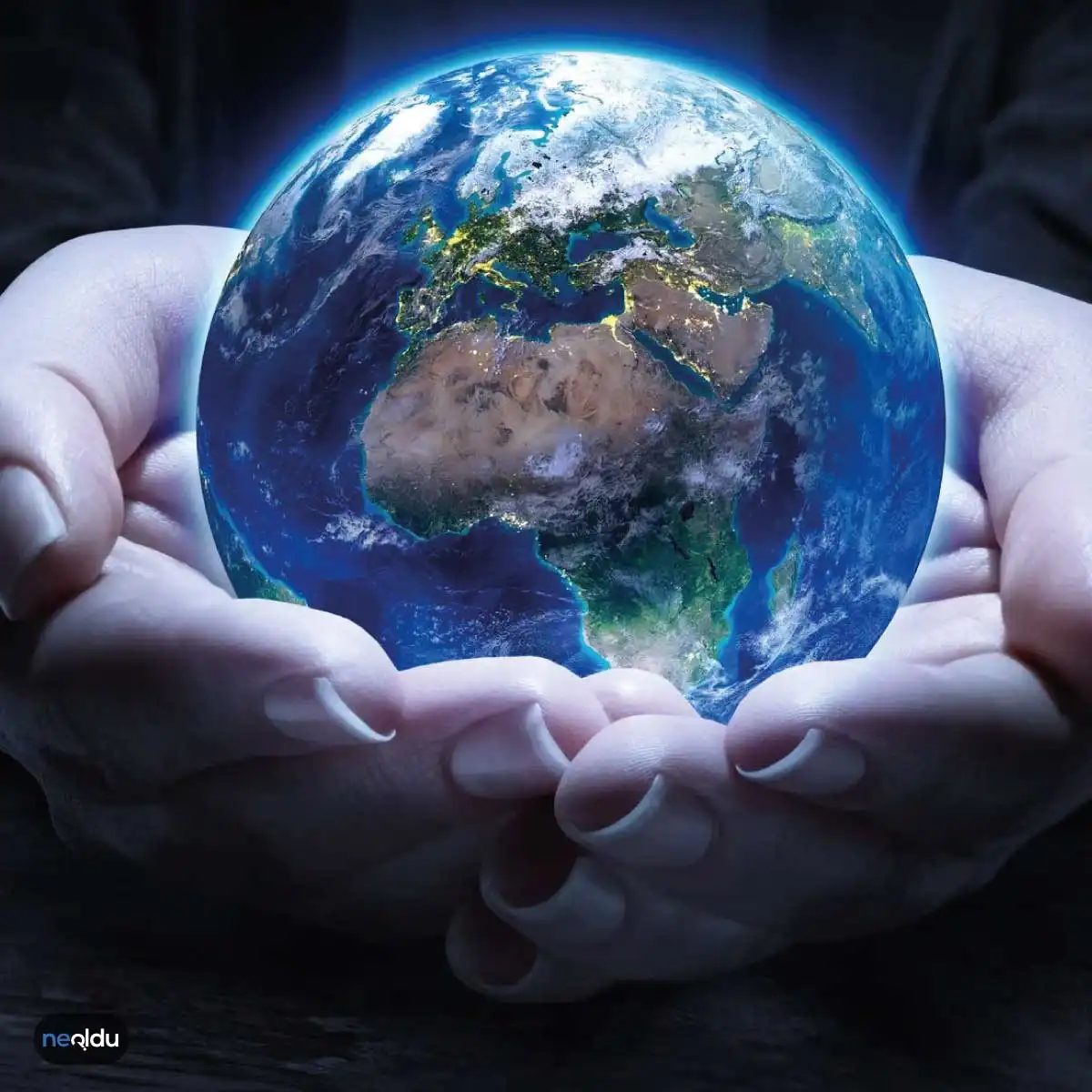
We orbit the Sun at a blistering 107,182 kilometers per hour, hurtling through space as part of a cluster of rocky worlds. Earth sits as the third planet from the Sun, nestled among the four terrestrial neighbors: Mercury, Venus, and Mars. It is the largest of this inner quartet, with a size that just edges out Venus. But being big isn’t what makes this rock unique. It’s the liquid.
The Goldilocks Zone and Water
Look at the temperature range on the surface. It sits comfortably between 0 and 100 degrees Celsius. That specific window allows water to exist in its liquid state. If it were hotter, water would boil off into gas. Colder, and it would freeze into ice. Here, it stays fluid.
Earth is the only planet in the solar system where solid, liquid, and gas coexist naturally.
This balance is why life exists. The water boils at 100 degrees, turning into steam that sustains the water cycle. It gets consumed by people, animals, and birds, then released back into the atmosphere. It’s a continuous loop, driven by heat.
A Thin Layer on a Dry Planet
Despite what it looks like from space, Earth isn’t a water world in terms of mass. Over 70% of the surface is covered in it, yet that water makes up less than 1% of the planet’s total weight. The rest is rock and metal. The oceans are a skin-deep layer on a mostly dry interior.
Cosmic Dust and Hidden Depths
Every single day, our atmosphere captures 100 to 300 metric tons of cosmic dust. It rains down from the void, adding trace amounts of extraterrestrial material to the soil. Meanwhile, we barely know our own depths. More than 95% of the ocean floor remains unexplored. We have better maps of Mars than we do of our own seabeds.
The Hudson Bay Gravity Anomaly
Gravity isn’t uniform. In the Hudson Bay region of Canada, the pull is noticeably weaker than in the rest of the planet. Scientists have theories involving ancient ice sheets and mantle convection, but they aren’t sure. It’s a gravitational glitch that hints at how deeply the Earth’s history is still affecting its present shape.
Ancient Origins
The planet formed roughly 4.54 billion years ago. That’s a number so large it loses meaning. It means we are riding on a crust that has survived collisions, ice ages, and mass extinctions. We are moving fast, carrying tons of space dust, over a surface that is mostly unknown, on a rock that is just slightly bigger than its twin, Venus.
And still, we haven’t mapped the bottom of the sea.
Why Earth’s Day Will Eventually Stretch to 25 Hours
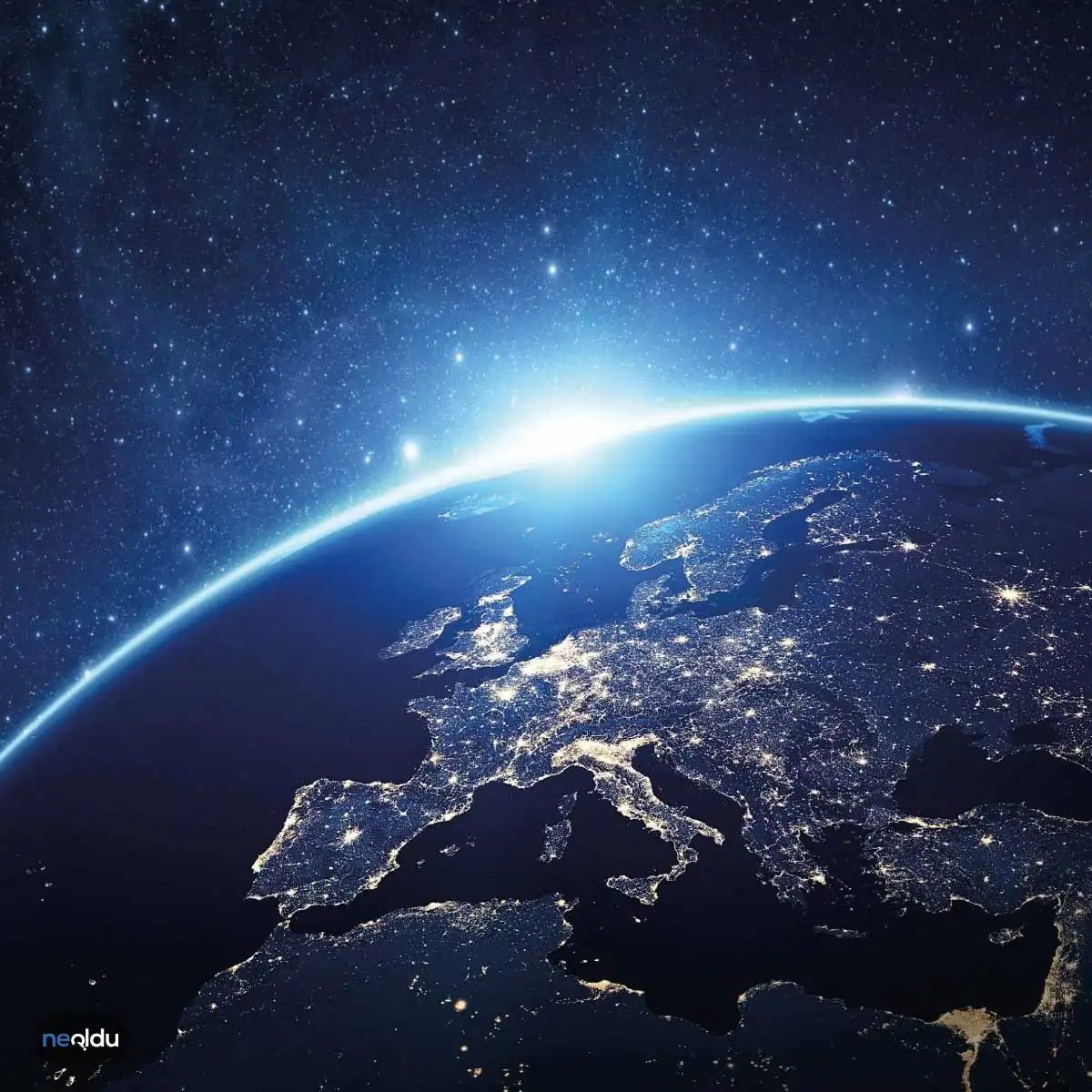
Tides in the world’s oceans are not just a daily rhythm; they are a physical tug-of-war. The moon pulls on Earth’s waters, creating the ebb and flow we rely on. This gravitational dance is unique to our setup. Jupiter boasts 67 moons. Earth has just one. That single satellite, known as the Moon, is the result of a violent past. Scientists believe Earth collided with a Mars-sized body named Theia. That impact formed the Moon we see today.
Most of what has ever lived on this planet is gone. Approximately 99% of all species that have ever existed are extinct. It is a staggering number. Life is resilient, but it is also fragile against time and change.
Looking ahead, the length of our day will change. In 140 million years, a single day on Earth will last 25 hours. The moon is slowly pushing Earth away, and tidal friction is slowing our rotation. This shift is gradual. It is measurable. It is inevitable.
The Layered Heart of a Superheated Planet
Earth’s internal structure is a study in extreme heat and pressure. The inner core sits at the center, generating temperatures between 5400 and 6000 degrees Celsius. That heat exceeds the surface temperature of the sun. This intense thermal energy comes from the decay of radioactive elements and residual heat from the planet’s formation.
Surrounding the core is the mantle. It is the thickest layer, stretching 2900 kilometers deep. The mantle is not solid rock like the crust. It behaves like a thick, caramelized fluid. It is a hot mixture of molten rock that flows slowly over geological time. This convection drives plate tectonics. It moves continents. It causes earthquakes.
Earth’s strong magnetic field is not accidental. It is generated by the movement of molten iron and nickel in the outer core. This magnetic shield protects the atmosphere from solar wind. Without it, life as we know it might not survive.
Density and Historical Misconceptions
Earth is the most dense planet in the solar system. Its average density is 5.51 grams per cubic centimeter. This high density comes from its metallic composition. The core is rich in iron and nickel. The mantle contains silicate rocks. This combination makes Earth heavier per unit volume than any other planet.
In the past, scientists believed Earth was the center of the universe. They thought other planets orbited around us. This geocentric model was popular for centuries. It was eventually proven wrong. We now know Earth orbits the sun. It is just one of eight planets in our solar system. The heliocentric model replaced the older view. It changed how we understand our place in the cosmos.
The moon continues to influence Earth. It stabilizes our axial tilt. It regulates our climate. Without it, seasons would be chaotic. The relationship between Earth and the moon is locked in a gravitational embrace. It has been for billions of years. It will continue for billions more.
The Weight of Our World
Earth’s density is not just a number. It affects gravity. It affects how we build. It affects how we travel. The heavy core keeps the planet warm. The warm mantle keeps the plates moving. The moving plates create mountains and oceans
Why Earth’s Shape and Surface Defy Perfect Geometry
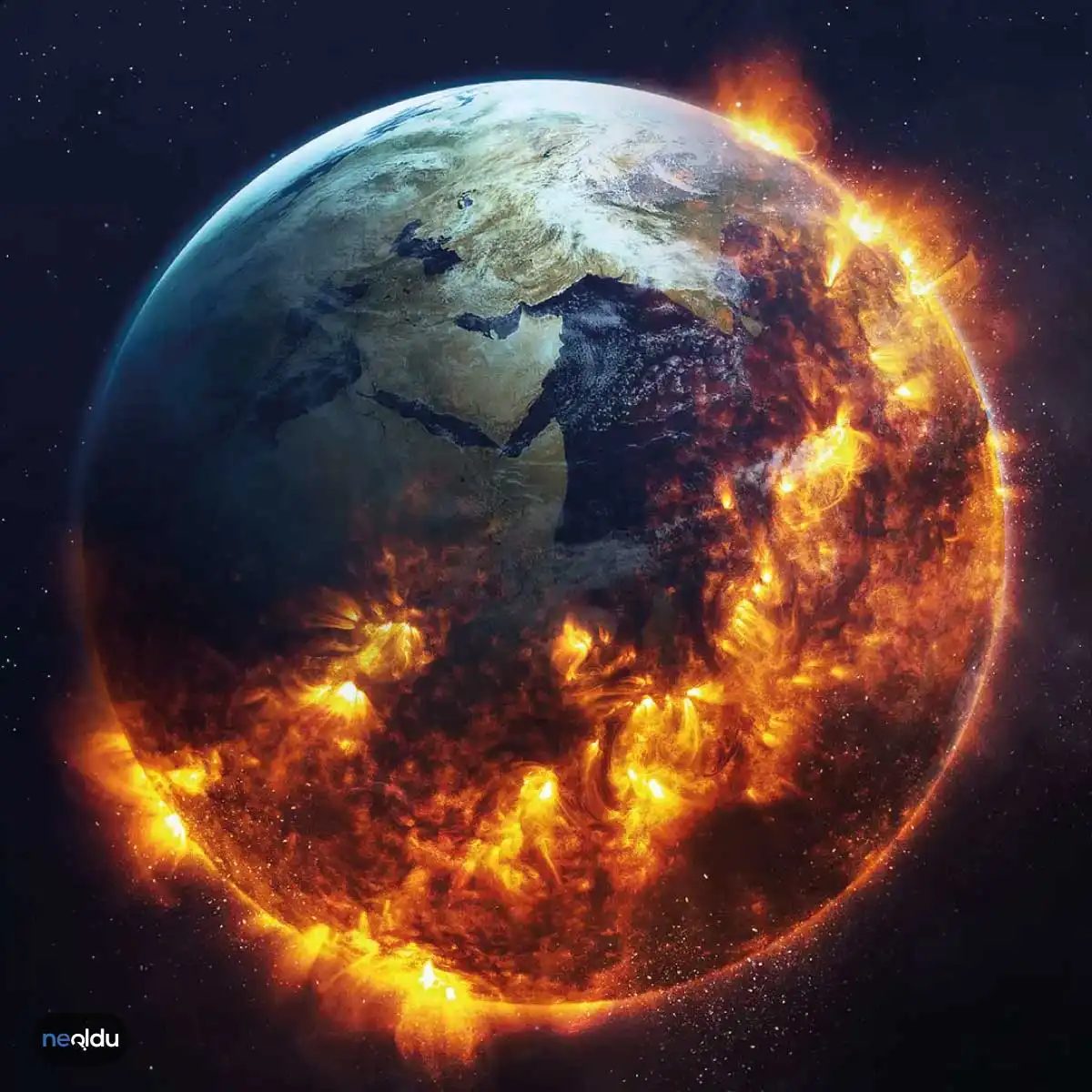
Earth isn’t a perfect sphere. It’s an oblate spheroid, flattened at the poles and bulging at the equator due to its rotation. The polar diameter is 43 kilometers shorter than the equatorial diameter. This distortion matters for satellite positioning and GPS accuracy. Small errors compound quickly.
The Composition Beneath Our Feet
The core is dense. About 88% of it is iron. The crust, by contrast, is mostly oxygen — nearly 47%. That seems counterintuitive until you remember oxygen binds with silicon, magnesium, and other elements in rocks. The mantle sits between them, churning slowly. Magmas float atop these tectonic plates. When plates collide, the crust buckles. Earthquakes follow. This motion drives volcanism, mountain building, and nutrient cycling. Without it, life as we know it wouldn’t exist.
A Blue Marble in the Void
From space, Earth glows blue. Hence the nickname “Blue Planet.” That color comes from oceans covering roughly 71% of the surface. Earth is the only known planet with both liquid water on its surface and 21% oxygen in its atmosphere. That combination is rare. It’s why we can breathe. It’s why we can sail. It’s why we’re here.
Elevation Extremes: Highest and Lowest Points
Chimborazo in Ecuador doesn’t have the highest elevation above sea level. Everest does. But Chimborazo’s peak is the farthest point from Earth’s center. It sits just one degree south of the equator, where the bulge is thickest. At its summit, you’re closer to the moon than anyone else on the planet.
At the other extreme lies the Mariana Trench. Located beneath the Pacific Ocean, it’s the deepest known point on Earth. Its Challenger Deep plunges nearly 11 kilometers below sea level. Pressure there is over a thousand times that at the surface. Life still exists. Adaptation runs deep.
Rain, Height, and Scale
Meghalaya’s Mawsynram village holds the record for highest average annual rainfall. It receives about 11,871 mm per year. That’s more than 11 meters. Cherrapunji, just 10 miles away, shares the same monsoon-driven climate. Both rely on moist air rising over the Khasi Hills.
Commercial aircraft fly up to 60,000 feet — roughly 18.3 km — in the upper troposphere or lower stratosphere. That’s thin air. Thin means less drag. Less drag means better fuel efficiency. But it also means cabin pressurization must be carefully managed.
Where Earth Stands in the Solar System
Earth ranks fifth in both size and mass among the eight planets. It’s not the largest. Not the smallest. Just right for holding an atmosphere, water, and life. It’s not unique in having moons or seasons. But the combination of tectonic activity, magnetic field, and stable climate is.
Why does this matter? Because understanding Earth’s structure helps us predict disasters. Map resources. Navigate space. Recognize our fragility.
We don’t know what happens next. Plates shift. Climates change. New data emerges. The story continues.