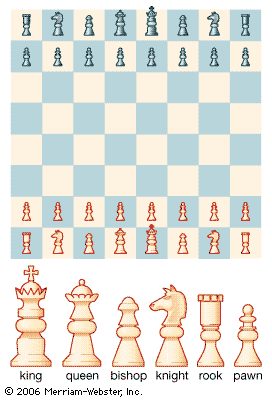
Chess isn’t just a game. It’s a rigid structure of movement and capture that has survived centuries of change. Two players. Sixteen pieces each. A goal that is surprisingly simple: immobilize the opponent’s king. That’s checkmate. The board is a checkerboard, but the history behind it is anything but simple.
The game likely started in Asia around the 6th century. It traveled west into Byzantine Europe, shifting and adapting along the way. By the 16th century, the rules we recognize today had mostly settled into place. Since then, the mechanics haven’t changed much. They are fixed. They are strict.
The Setup and Basic Movement
White and black sit on opposite ends. The pieces have specific jobs. Kings move one square in any direction. They just can’t move into check. That’s a hard stop.
Bishops slide diagonally. Any distance. As long as nothing blocks them. Rooks are the heavy lifters, moving horizontally or vertically for any number of unobstructed squares. Queens are the most dangerous. They combine the power of bishops and rooks. If you’re looking for how chess pieces move, knowing the Queen’s range is the first step to understanding offensive pressure.
Knights are weird. They move in an “L” shape to the nearest non-adjacent square of the opposite color. They jump over other pieces. They ignore obstacles. It’s the only piece that doesn’t care what’s in its way.
Pawns, Promotions, and Tricky Moves
Pawns are the foot soldiers. They move forward. One square usually. Two squares on their very first move if they want. They capture differently than they move—diagonally forward. Only one square.
If a pawn reaches the far side of the board, it gets promoted. You can turn it into any non-king piece. Usually, you make it a Queen. It’s a huge strategic shift.
Then there are the exceptions. The en passant rule. It’s confusing. It only lasts for one turn. If an enemy pawn moves two squares forward from its starting position, you can capture it as if it had only moved one. It happens on the immediate next turn. Miss it, and the chance is gone.
Castling is another special maneuver. The king moves two squares toward a rook. The rook jumps to the other side of the king. But there are strict conditions. The row between them must be clear. Neither the king nor that rook can have moved yet. You can’t castle if the king is in check. You can’t castle if the king would pass through or land on a square that is under attack.
Ending the Game
Most games end in checkmate. The king is trapped. There is no escape. But sometimes, it ends in a draw.
Stalemate happens when a player is not in check but has no legal moves. Any move they make would put their king in check. It’s a frustration for many players. You had the advantage, and now the game is tied.
Draws also happen if the same position occurs three times. Perpetual check is a common way to force this. You keep checking the king, but he keeps moving to the same spots. The repetition triggers the draw.
The rules