


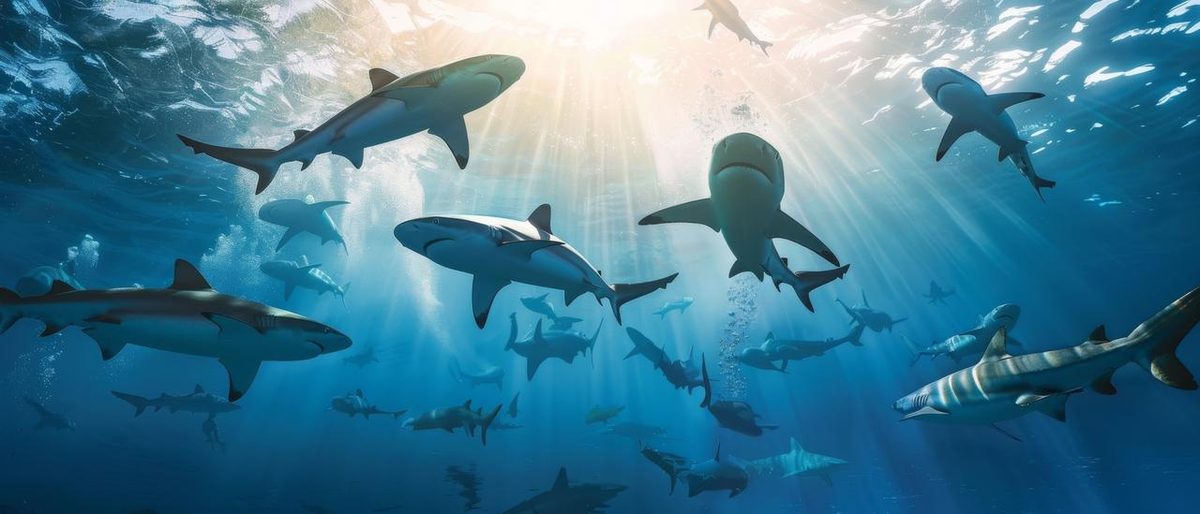
400 million years. That is the runway sharks have had to experiment with the art of giving life. The result? A reproductive playbook that defies simple categorization. We usually think of animals as either laying eggs or giving birth to live young. Sharks do both. And sometimes they do things in between that sound like horror movies. From simple egg capsules to a placenta that rivals mammals, the diversity is staggering. Some even practice intra-uterine cannibalism.
This isn’t just biological trivia. It explains why these ancient predators are still here while dinosaurs are not.
Why shark eggs look like mermaid’s purses
About 40% of shark species are oviparous. They lay eggs. But forget the image of a fragile chicken egg. Shark eggs are armored. You might find them washed up on the beach, looking like square leather boxes with long tendrils. Folklore calls them mermaid’s purses. Science calls them protective capsules.
These capsules are architectural marvels. They aren’t just shells. They have filaments. These act like grappling hooks. The shark attaches the egg to seaweed or rocks. This keeps it secure against ocean currents. It also hides the embryo from predators.
The horn shark and the catshark are prime examples. Divers often spot their eggs floating in shallow waters. They look like tiny nurseries. Inside, the embryo grows in isolation.
How embryos survive without a mother
There is no umbilical cord here. The developing shark feeds exclusively on the yolk. This is the vitellus. It’s all the nutrition the pup needs until it hatches.
When that shell breaks, the baby shark is on its own. No parental guidance. No protection. It has to swim, hunt, and hide immediately. For the mother, this strategy is cheap. She doesn’t waste energy carrying the young. She drops the capsule and leaves.
But there is a catch. The eggs sit there for months. Fish, crabs, and birds are hungry. The mortality rate is high. So, the strategy shifts from quality to quantity. A female might lay dozens of eggs a year. It is a numbers game. Most will fail. A few will survive. That is enough.
The egg is a fortress, but the world outside is still hostile.
So why do some sharks go to such extreme lengths? Why evolve live birth at all? That is where the story gets darker. And more complex.


Why sharks keep their eggs inside
It’s the most common way sharks reproduce. Roughly half of all shark species do this. They don’t lay eggs on the ocean floor. They don’t carry live fetuses attached to a placenta. They do something in between.
Biologists call it ovoviviparity.
Here is how it works. The female carries the fertilized eggs inside her body. The embryos develop inside protective egg cases. Those cases are still within her uterus. The young feed only on the yolk sac. No external food. No connection to the mother’s bloodstream. Just the stored nutrients they started with.
When the yolk runs out? The shell breaks. The baby shark hatches. But it doesn’t swim away yet. It stays in the uterus. It waits there until it is ready to be born.
It is a mobile incubator. Safe from the outside world.
This strategy protects the vulnerable early stages. Predators can’t eat an egg that is inside another animal. It’s a clever loophole in nature’s food chain.
Which sharks use internal hatching?
You probably know these names. The Great White Shark. The Tiger Shark. Both are ovoviviparous. They keep their young inside until they are fully formed mini-predators.
It’s not just the famous giants. Many bottom-dwelling sharks use this method. So do numerous pelagic species that roam the open ocean. It is a widespread solution to a dangerous environment.
Is this better than laying eggs?
Survival rates improve. The pups are born alive. They are developed. They can swim and hunt immediately. Compare that to an egg laid on the sand. That egg is vulnerable. It is exposed. It is easy prey.
The mother pays a price. She invests more energy than a shark that simply drops eggs and leaves. She has to carry the weight. She has to protect the developing young inside her. But it is less demanding than full viviparity. She isn’t feeding them directly through a placenta. The investment is moderate.
There is a trade-off. Fewer babies per litter. Maybe a few. Maybe a few dozen. Not hundreds. But each one has a better shot at living. Quality over quantity.
Does it matter? Yes. In the ocean, the first few weeks decide everything. Being born ready changes the odds.
How sharks evolved a placenta and why it matters for survival
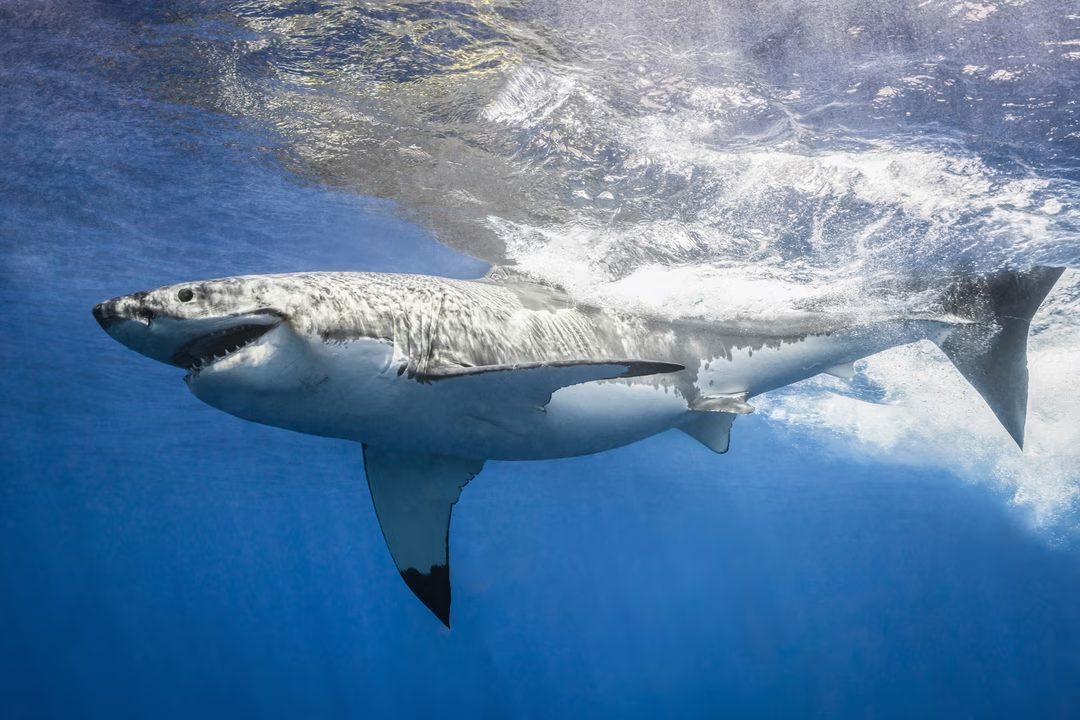
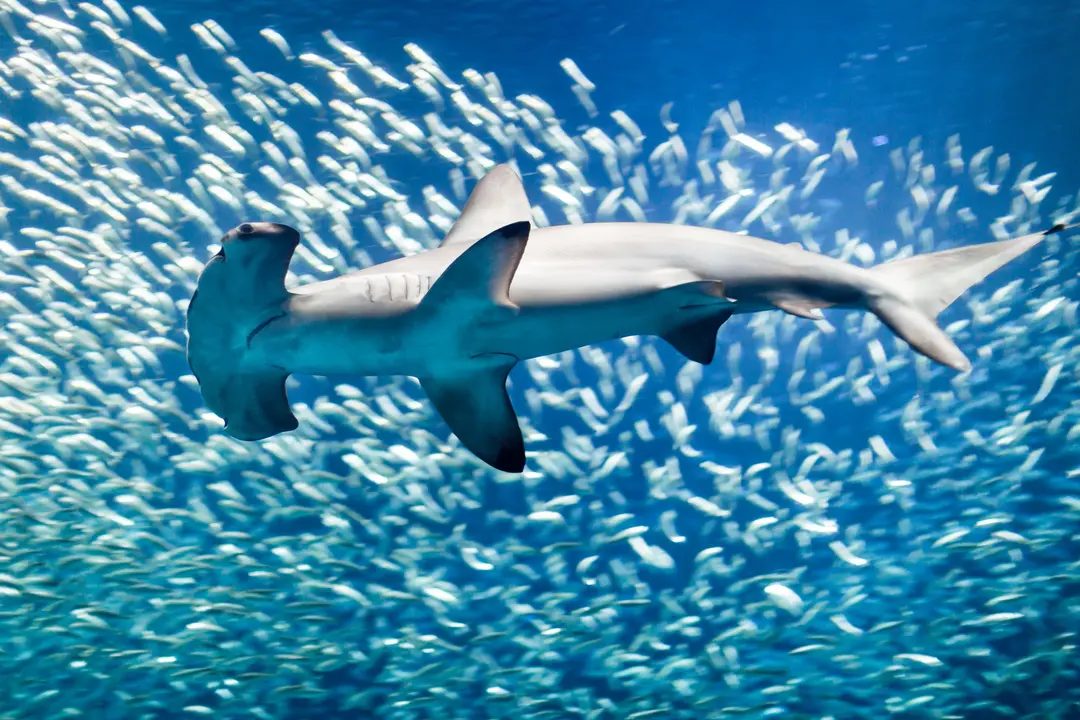
It sounds like a biological glitch. Sharks are fish, cold-blooded, ancient. Mammals are warm-blooded, furry (usually), evolved much later. Yet, about 10% of shark species have pulled off a trick that mirrors us almost exactly. The hammerhead. The bull shark. They don’t just lay eggs. They don’t just birth underdeveloped fry. They develop a placenta.
This is viviparity, but not the kind you see in most fish. This is convergence. Two completely different evolutionary lines hitting the same solution to the same problem: how do you make a baby that has a fighting chance in a hostile ocean?
The mechanics of the shark placenta
Inside the womb, the standard fish playbook gets discarded. Usually, a baby relies on the yolk sac. Eat the yolk, grow, get out. Fast, efficient, low investment. But the hammerhead and the bull shark? They do something else.
The yolk runs out. That’s the trigger. The yolk sac doesn’t just vanish. It transforms. It attaches itself to the uterine wall of the mother. It becomes a placenta.
Think about that. A fish evolving a structure functionally identical to human reproduction. Nutrients flow from mom to pup. Oxygen flows. Waste flows the other way. There is a literal umbilical cord. You can look at these species and see the connection, physical and undeniable, linking the developing embryo to its mother’s body.
The embryo isn’t just sitting there waiting. It is actively fed.
Why invest so much energy?
Why would nature go through the trouble? The answer is brutal math.
The ocean is full of teeth. A tiny, underdeveloped pup is snack food. A fully formed, robust juvenile is a threat. By keeping the babies inside longer, feeding them directly, the mother ensures they are born big. Strong. Ready to hunt.
The survival rate skyrockets.
But there is a cost. Always a cost.
The mother pays it. Gestation is long. Energy expenditure is massive. She isn’t carrying around a few dozen eggs. She is carrying one, maybe ten, heavy, demanding infants. The litter size shrinks because the investment per child explodes. It is the ultimate parental gamble. Quality over quantity.
Is it worth it? For the hammerhead, yes. They dominate their niches. They are apex predators from birth.
But this strategy makes them fragile. If you take out one female, you lose not just a reproductive unit, but months of heavy investment and a batch of high-survival offspring. They cannot bounce back quickly like species that dump thousands of eggs into the water and hope for the best.
The placenta gives the shark a mammalian edge. It also makes it a harder target for extinction.
Intrauterine cannibalism in bull sharks: why only the strongest survive
The bull shark doesn’t just give birth. It stages a tournament.
Inside the uterus, multiple embryos start developing. Then the fighting begins. The largest embryo eats its siblings. It eats them until only one remains. This is intrauterine cannibalism.
The result? A single pup. But it is huge. Strong. Fully formed. It steps into the ocean ready to hunt, not hide. The womb becomes a gladiator arena. Only the winner leaves.
Oophagy: eating unfertilized eggs instead of siblings
Not all sharks go for the throat.
The common sleeper shark and the fox shark use a different trick. Oophagy.
The mother keeps producing unfertilized eggs. The embryos inside her eat them.
It is less violent than sibling rivalry. But it is equally clever. It provides extra nutrients. It helps them grow fast. No placenta needed. Just a steady supply of yolky fuel.
Nature finds a way to feed the young without waiting for complex organ development.
Why do sharks use such extreme reproductive strategies?
Hostile environments demand tough offspring.
One strong pup beats ten fragile ones. Every time.
Sharks have tried almost every reproductive angle. The spiny dogfish holds the record for gestation. Up to 24 months. That is two years of carrying young.
These methods are not random. They are adaptations. Specific answers to specific ecological pressures.
Sharks show us that survival isn’t about being nice. It is about working.


