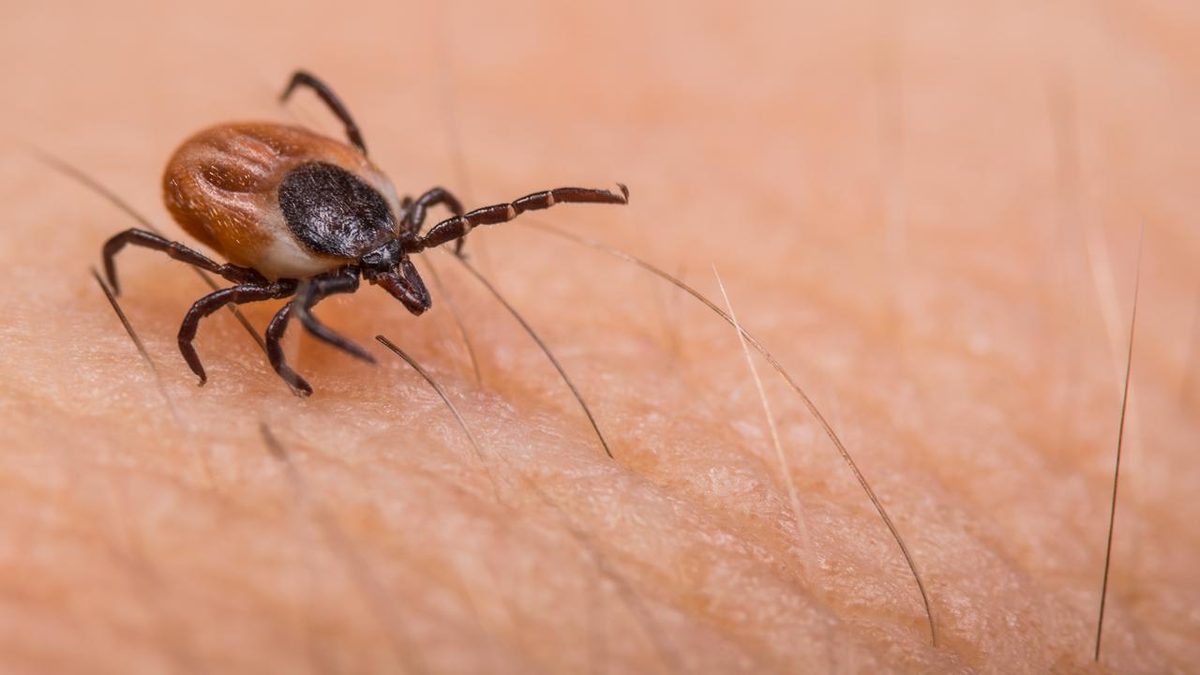
They don’t hunt. They don’t chase. They wait.
This is the counterintuitive truth about ticks. While a mosquito buzzes around looking for a quick meal, a tick plays a game of biological chess that spans years. Their extreme endurance isn’t an accident. It is the result of millions of years of evolution fine-tuning their metabolism to run on fumes.
The strategy is simple, yet terrifyingly effective. Instead of burning calories to find a host, ticks conserve every ounce of energy until a human or animal brushes past them.
The Art of Questing
Forget the image of ticks dropping from tree branches. That is a myth. Ticks practice a behavior called questing.
A tick climbs to the tip of a blade of grass, a fern, or a low shrub. It extends its first two legs, claws out, and waits. It does this to catch a passing host by accident. It is a passive strategy. It requires zero movement.
This stillness is key. Ticks are champions of patience. Depending on the species and the weather, a tick can go months—and sometimes more than a year between blood meals. Researchers at INRAE note that the biological cycle of some ticks spans multiple years precisely because they can afford to wait so long for a connection.
A Metabolism on Low Power
How do they survive without eating? They don’t. Not for a long time.
When not feeding, a tick’s metabolic rate drops drastically. It becomes a slow-burning engine. The insect lives off the massive reserves accumulated during its last meal.
Think of a mosquito. It burns through energy quickly because it is active. A tick preserves energy for weeks or months. It sits there. Motionless. Breathing shallowly.
This low-power state is why ticks are so hard to kill with simple environmental changes. They are not struggling. They are hibernating with their eyes open.
Can Ticks Drown in Water?
Many people believe a long shower or a bath will drown a tick. It rarely works.
Ticks breathe through tiny openings called stigmata. They can close these openings to limit exchange with the outside world. Their oxygen consumption is so low that they can survive immersion for much longer than you might imagine.
This does not mean they live underwater. It just means a quick rinse doesn’t wash them away. They cling to the skin. They wait. They adapt.
Rain Doesn’t Knock Them Off
You might think a heavy storm would wash ticks out of the vegetation. It doesn’t.
Their legs are equipped with claws and adhesive structures that grip plant stems firmly. Even in a downpour, they hold on.
If conditions get too wet or windy, they may drop slightly lower into the humid layers of the undergrowth to avoid dehydration. But they stay close to the ground, ready to climb back up as soon as the host traffic resumes.
One Meal Feeds Them for Months
When a tick finally finds a host, the process is nothing like a mosquito bite.
A mosquito takes a sip and leaves. A tick embeds itself. The feeding process lasts for days. The tick ingests a massive amount of blood.
A female tick can multiply her weight by dozens of times during a single meal. This isn’t just a snack. It is a fueling station. This massive intake provides the energy needed for development, molting, or, for females, producing thousands of eggs.
One big meal sustains them for months. Or years.
Cold Doesn’t Kill Them
We often assume winter wipes out ticks. It doesn’t.
Ticks are far more sensitive to dryness than to cold. When temperatures drop, they don’t die. They slow down. They hide in leaf litter or forest debris.
They wait for warmth and humidity to return. In fact, milder winters can extend their active season. If the ground stays damp and cool, they remain active longer, increasing the window for human exposure.
Why Tall Grass?
Ticks don’t fall from trees. They live in tall grass, bushes, hedges, and damp undergrowth.
These environments offer two critical advantages. First, they provide humidity. Ticks dry out quickly in direct sun or dry air. Tall grass acts as a moisture barrier. Second, these paths are highways for animals. Deer, mice, and yes, humans walk right through them.
They Aren’t Invincible
Despite their reputation, ticks have weaknesses.
Prolonged drought is their kryptonite. If the environment stays dry for too long, they desiccate and die. They also face natural predators. Birds, ants, spiders, amphibians, and beetles all eat ticks.
But these checks and balances aren’t always enough. The tick’s strategy of minimal energy use and maximum patience allows them to outlast many of their predators.
A Strategy Built for Survival
The reason ticks are so persistent is not aggression. It is patience.
They have evolved a strategy that prioritizes survival over speed. By minimizing energy expenditure and maximizing resistance to harsh conditions, they thrive in environments where other parasites would perish.
This is why they remain a constant presence in gardens, meadows, and forests. They are not fighting a war. They are waiting it out.
And until we change how we interact with their habitats, they will keep waiting.