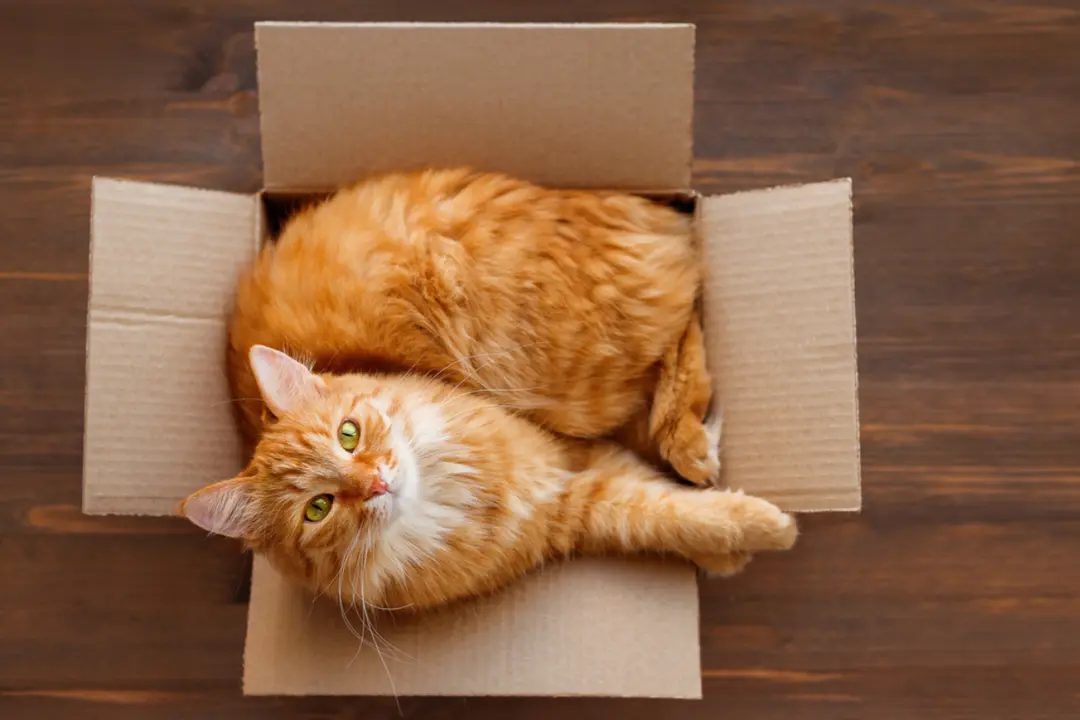
It feels like a personal insult. You spent half your paycheck on a memory foam castle with heating pads and orthopedic support. Your cat looks at it with what can only be described as disdain. Then, moments later, it chooses a crumpled Amazon shipping box. The contrast is jarring. The cat isn’t rejecting your generosity. It is following a biological script written deep into its DNA.
The behavior seems like a caprice. It is actually a documented survival strategy. Felines obey instincts that the humble cardboard box satisfies with eerie precision. It isn’t about comfort in the human sense. It is about heat, security, and sensory control.
The Psychology of the Box
Think of a box as a micro-refuge. Four walls. One entrance. This geometry matches exactly what a vulnerable wild animal seeks for survival. In nature, open spaces expose you to predators. Narrow spaces allow you to see everything while remaining unseen. The box limits potential angles of attack. It gives the cat a tactical advantage.
Laëtitia Barlerin, a researcher in animal behavior, notes that this attraction to tight spaces is innate. It mimics natural isolation zones. Your pet isn’t being difficult. It is trying to feel safe.
The Filter Effect
A busy household is loud. Children run. Guests talk. The vacuum cleaner roars like a beast. For a cat, this is sensory overload. The box acts as a pause button. It filters visual and auditory stimuli.
Inside the box, the world is smaller. Quieter. More predictable. The cat regulates its own agitation levels. It is not avoiding you. It is avoiding chaos. This is a coping mechanism for stress.
Evidence from the Field
Data supports this intuition. A study on shelter cats showed something remarkable. Those with access to hiding spots adapted faster. They showed less stress. Their behavior stabilized more quickly than those without a sanctuary. The American Society for the Prevention of Cruelty to Animals (ASPCA) routinely recommends cardboard boxes for this exact reason. A simple box can turn a frantic cat into a peaceful one.
Veterinary research from the University of Utrecht adds another layer. They found that providing a retreat space accelerates adaptation during disruptive events. Moving houses. Introducing a new pet. These are major stressors. The box offers a constant in a changing world.
Why It Matters
Understanding this changes how we view our pets. We often project human needs onto them. We think big beds equal big love. Cats think differently. They value control. They value predictability. The box provides both.
Next time your cat abandons the plush bed for the trash, don’t take it personally. It’s not rejecting you. It’s just trying to survive the noise.
The instinct is old. The method is simple. The result is a calmer cat.
“Offering a space to retreat accelerates adaptation in a disruptive context.”
This isn’t just about boxes. It’s about respecting the wild heart of the domestic animal. We share our homes with creatures that still carry the ghost of the jungle. Ignoring that fact leads to confusion. Embracing it leads to peace.
The box wins. Always.
Because in the end, safety isn’t about softness. It’s about walls.
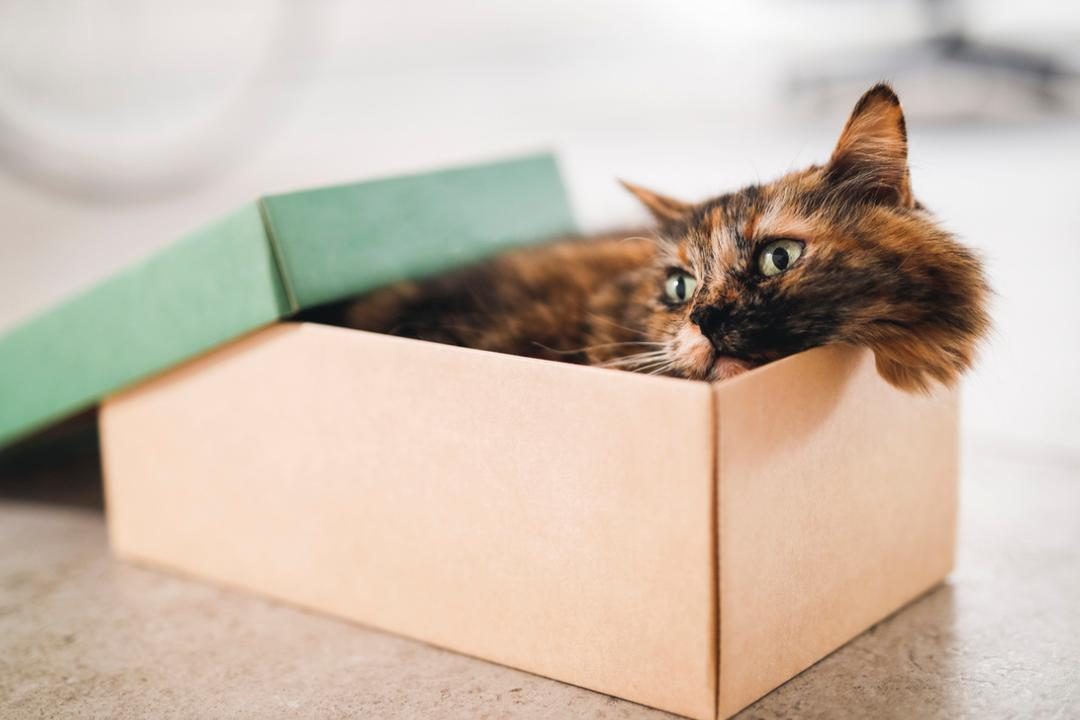
It isn’t just about safety. While fabric baskets have their place, they rarely replicate the physical pull of corrugated paper. For a cat, cardboard is a sensory playground. It offers qualities that soft textiles simply cannot match.
The Thermal Advantage
Heat retention is a major factor. Cardboard traps body heat efficiently. Cats crave warmth. A box becomes a personal heating pad. They curl up inside and stay warm longer than on an open bed. This insulation makes it the ideal spot for temperature-sensitive animals.
Scratching and Sound
The texture matters. The surface catches claws. It provides resistance. Cats enjoy the tactile feedback of digging in. It feels good. It is satisfying.
Then there is the noise. The crinkle of cardboard is distinct. It creates a specific auditory experience. Felines seem to love the sound. It adds a layer of engagement that silence cannot provide.
Scent and Security
Cardboard absorbs odors. It holds them. This creates a familiar scent bubble. The box becomes a safe zone. It smells like the cat and its home. This familiarity reduces anxiety.
Laëtitia Barlerin notes that this sensory richness turns a box into both a bed and a toy. Some veterinarians suggest a physiological reason too. Tight contact with walls might trigger endorphin release. That brings comfort. This theory is not proven fact. It circulates in professional discussions, though. It remains a plausible explanation for the deep relaxation seen in boxed cats.
Practical Safety
Does this mean you should leave boxes lying around everywhere? Mostly yes. But with caution.
Remove staples first. They are sharp. Dangerous. Avoid boxes that are soaked or moldy. Damp cardboard loses structural integrity. It can also harbor bacteria.
Watch for ingestion. If your cat chews excessively, monitor them. Small pieces are one thing. Large chunks are a blockage risk. Keep the environment clean.
A secure, clean box gives a cat control. Daily life is unpredictable. A box is a constant. It is a place where the cat dictates the terms. That control helps them navigate stress. Sometimes, that simple boundary is all they need to feel at ease.