
The network said yes. You’ve got the green light on the concept, and now the clock is ticking. It is pilot season. Between January and May, the industry moves fast. The goal is simple. Shoot the first episode. If the executives like what they see, you get a series order. If not, your project goes back into the pile.
Getting that pilot filmed requires a machine. It is not just about writing anymore. It is about execution.
The Hierarchy and the Timeline
First, you need leadership. The showrunner steps up. They are the boss. They handle the creative vision, the writers, and the actors. Often, the creator of the concept holds this title. They ride the project from the pitch to the final edit.
Then come the producers. They manage the chaos. They hire the director. They find the crew. Their immediate job? Rewrite the script until it is shoot-ready. Once the pages are locked, the real work begins. The process follows three distinct phases:
- Preproduction
- Production
- Postproduction
Casting the Dream Team
Who stars in your show? Sometimes the network already has a lead in mind. A big name attached can secure funding. Other times, you start from scratch.
You bring in a casting director. These people are well-connected. They know who is looking for work and who is available. They issue a casting call. This is a daylong marathon of auditions.
The producer, director, and casting director sit in the room. They watch actors read for scripted roles. Each audition lasts 10 to 30 minutes. If you are building an ensemble cast, you test groups. You look for chemistry. Do they play well together? Do they spark?
It rarely happens in one take. You hold callbacks. Repeat auditions. You narrow the field. You hire the talent. Extras and nonspeaking roles are handled separately, usually through agencies.
The Invisible Army
You are not working alone. More than 80 people can be on set. The talent gets the applause, but the crew makes the magic happen. Without them, you have nothing. Here is who keeps the lights on and the cameras rolling.
- The director of photography (DP) runs the visual side. They set the angles. They supervise the camera operators.
- The production designer builds the world. They design the sets. Think of the bar in Cheers or the coffee shop in Friends. That environment is their creation.
- The gaffer is the chief lighting tech. They make sure you can see what matters.
- The Foley mixer handles sound effects. They record and mix the audio landscape.
- The editor stitches it all together. Video. Audio. Graphics. They assemble the final product.
Rolling Camera
The cast is cast. The crew is hired. The script is locked. It is time to shoot.
Production
Finding the right location: studio vs. location costs
We have tied the talent to us. The script is solid. Now comes the physical reality of production: where. Location is not just a background. It’s a logistical problem that could end the timeline.
There are three main areas for filming. You go to the street (locally). You stay inside the walls (in the studio). You make a messy mix of both.
The choice should depend on the story. Does the narrative require the rough realism of a real alley? Or does it need the controlled chaos of a soundstage? Seasonal changes also play their role. Winter in Vancouver is different than summer in Los Angeles.
But let’s be honest. The decision is usually based on one thing: the budget.
The Price of a Stage
Filming on a soundstage is expensive. Period.
You don’t just pay for square footage. You pay for the infrastructure. Power. Air conditioning. Security. The variables add up quickly.
How does the studio charge? Daily prices? Weekly? A fixed fee for the entire shoot? Each model transfers financial risk differently.
Geography is important here. Shooting in Culver City, California is a premium. It is the heart of the industry. Toronto? Often cheaper. Tax incentives and lower operating costs make Canada a production magnet. Wilmington, North Carolina? Another strong contender for certain budget levels.
The Location Scout’s Hustle
Location shooting are different. It’s time consuming. You are dealing with permissions. Traffic control. Noise ordinances. Neighbors.
It can still be expensive. But it’s usually more economical than building a set from scratch.
Enter the location scout.
This person is the first line of defense. They search databases. They drive around with a camera. They find the perfect abandoned warehouse or sun-filled suburban porch. They take reference photos. They create video tours for the director.
Then comes the negotiation.
A good scout doesn’t just find places. They secure them. Sometimes free. Sometimes for a pittance. They take care of legal contracts. The insurance waivers. Access codes. Once the green light hits, that scout stays on. They deal with location issues until the cameras stop rolling.
Where is everyone going?
You’d think Los Angeles was the only game in town. It is the center. It’s always been like that.
But the landscape is changing.
Some shows like the European feel of Toronto. Others need the special urban structure of New York. Some travel south to Wilmington, N.C., to enjoy tax breaks and a slower pace.
It depends on the production requirements.
The script determines the layout. Budget determines feasibility. The location scout bridges the gap between the two.
The search continues. Until the deal is signed. And the crew moves in.
Management is the main reason studios exist. They can manipulate light, fake the weather, and silence the chaos of the outside world. It’s a bubble. The Office knows this. The first season was filmed on location in an office building in Culver City. Real life. Real noise. In the second season, they moved to the stage. Complete control.
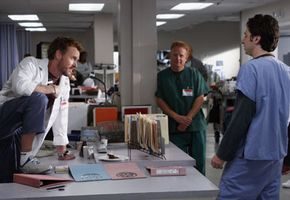
Location shooting are different. It’s chaotic. But it’s genuine. Scrubs uses an abandoned hospital in North Hollywood for a reason. It looks alive. It reinforces the story. Location work offers visual variety. It helps move the story along without feeling pigeon-holed.
The format is decided in the studio. One camera or three? This choice determines the rhythm of the performance. Single camera settings offer editing freedom. Close-ups. Wide shots. Movement. Think My name is Earl. It feels like a movie.
Things are different in three-camera shows. They rely on dialogue. The camera records the interaction. Two and a Half Men fits this mold. It’s all about the exchange. Conflict. Punch lines.
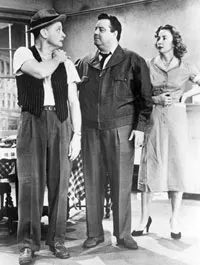
The installation of three cameras also opens the door to a live studio audience. The stage design resembles a play. Three walls. The fourth is open. Cameras and people are looking back. Honeymooners. All in the Family. Will & Grace. These shows used this format. The actors are rehearsing. Then they perform. The audience laughs. It’s not broadcast live, but the laughter remains in the editing. A shared experience is born. Talk shows like The Daily Show or Late Night with David Letterman also use this. Dramas usually don’t. Why? The tone doesn’t fit the laugh track.
After filming, the actual work begins.
The Upfronts and the Fall Lineup
Once the pilot is cut and polished, it lands back on the desks of network executives. They review, request tweaks, and make the final call. Which shows get the green light for the fall slate? Which ones are shelved for a rainy day? And which ones get dumped entirely? The odds vary wildly depending on the channel.
A Variety article outlined the brutal math of development season. A major broadcast network might buy 25 comedy scripts. From those, they shoot 12 pilots. Only two of those 12 actually get picked up for a series. The numbers are even tighter for cable. A cable network might develop three sitcom scripts, shoot two pilots, and pick just one to move into full production. If you are one of those lucky three with an accepted pitch, the odds look good. For everyone else, the door is closed.
This marks the end of pilot season. It all culminates in the upfronts.
Executives gather in New York to premiere their fall slates to advertisers. The term “upfronts” comes from the business model itself: advertisers buy ad time up front, banking on the perceived success of the lineup before a single episode airs.
On the Air
Now the show is on the air. It’s been picked up for a series run of 13 episodes. A full season usually clocks in at 22 episodes. Back in the early days of television, a season meant at least 42 episodes. An hour-long show ran for 50 minutes of content, with 10 minutes reserved for ads. Today, that hour-long slot is only 44 minutes long.
Success is measured in placement, buzz, and critical reviews. But ultimately, it’s the Nielsen ratings that make or break a show. You can check the weekly rankings in The Hollywood Reporter or visit nielsenmedia.com for the current top 10. Good ratings mean an extended season, or better yet, a second one. Bad ratings? The network pulls the plug and slots in a midseason replacement to fill the gap.
Every network dreams of a multi-season hit. There is a specific milestone to aim for: 100 episodes. Reach that number, and the show becomes eligible for syndication. In syndication, the rights are sold to another network, or the show is retooled for the same one. It allows the series to air outside its original time slot, keeping it alive long after its premiere run ends.
One way to boost those all-important numbers is sweeps week. This happens in May. Every episode airs new content packed with hooks, twists, and massive plotlines. The goal is simple: spike the ratings.
Cancelled But Not Dead
If a show fails, it doesn’t always mean the end of the creator’s journey. Plan B often kicks in. Writers and showrunners start over. Take Barry Sonnenfeld. He’s had four series canceled since 1998: Fantasy Island (the new one, not the classic), Maximum Bob, Secret Agent Man, and The Tick. Yet, he bounced back with Pushing Daisies, one of the most talked-about shows of fall 2007.
The industry is resilient. But it’s not invincible.
Can a Show Work Without Writers?
No. In a word, no.
In November 2007, the Writers Guild of America — representing more than 10,000 TV and film writers — went on strike. It was the first time in 20 years the guild had halted production. Observers expected a long shutdown. Studios operated in crisis mode, hoarding scripts to avoid total disruption. Most current shows stayed on schedule through the end of the season. But the fall 2008 season? That was uncertain.
For the sake of this explanation, we’ll assume business as usual. But if you’re trying to sell a script, you need to watch the strike negotiations closely.
TV Production FAQ
What are the perks to shooting in a studio?
Control. When you shoot on a soundstage, you control everything. Lighting. Weather. Outside noise. It’s a closed ecosystem.
How much does it cost to rent a TV studio?
Expensive. Many variables affect the price. Does the studio rent by the day, week, or project length? The time of year matters. The city matters. New York costs differ from Los Angeles, which differs from Wilmington.
Where are TV shows filmed?
Some shows shoot in Culver City. Others head to New York, Toronto, or Wilmington, North Carolina. It depends on the production’s needs. But Los Angeles remains the hub. Always the hub.
What is a TV pilot?
The first episode. Shot during pilot season, between January and May. If the network likes it, they pick it up for the season. It becomes a series.
How are TV shows made?
When a pilot gets the green light, the machinery starts. First, the showrunner and producers are hired. Producers handle the logistics. They help the showrunner hire the director, talent, crew, writers, and assistant producers. Their first task is rewriting or updating the script. Then come cast auditions. Next, the crew is hired. Finally, the pilot is shot and edited.
And then it all goes back to the beginning.
More resources for aspiring writers
If you want to learn more about how television works, HowStuffWorks has an extensive archive. Read about how TV shows are written, how to get picked up by a network, and even the bizarre logistics of the DHARMA Initiative. We also have a breakdown of how the Emmy Awards voting actually works and the TV ratings. If you want to know how these ratings are calculated (and how they determine who actually watches), this site explains that as well.
For fans of certain shows, there are even speculative articles about how Scooby-Doo works, inside looks at “Heroes”, and even if Lost is real.
Industry links
Do you want to be serious? TV Writer.com is a hub for scriptwriting and pitching. The Writers Guild of America West maintains an important registry to track credits and guild status. If you want to break into the industry, Warner Bros. Television Writing Workshop is a classic starting point. Variety remains the norm in industry news and gossip.
Sources
The data behind these insights comes from various websites (ABC, CBS, NBC ), IMDb and Guinness World Records. Major books in this field include Martie Cook’s “Write to TV: Out of Your Head and Onto the Screen” (2007), Alex Epstein’s “Crafty TV Writing: Thinking Inside the Box” (2006), and the Warner Bros. guide by Abby Finer and Deborah Pearlman (2004). Ellen Sandler’s “The TV Writer’s Workbook” (2007) also includes a comprehensive bibliography.