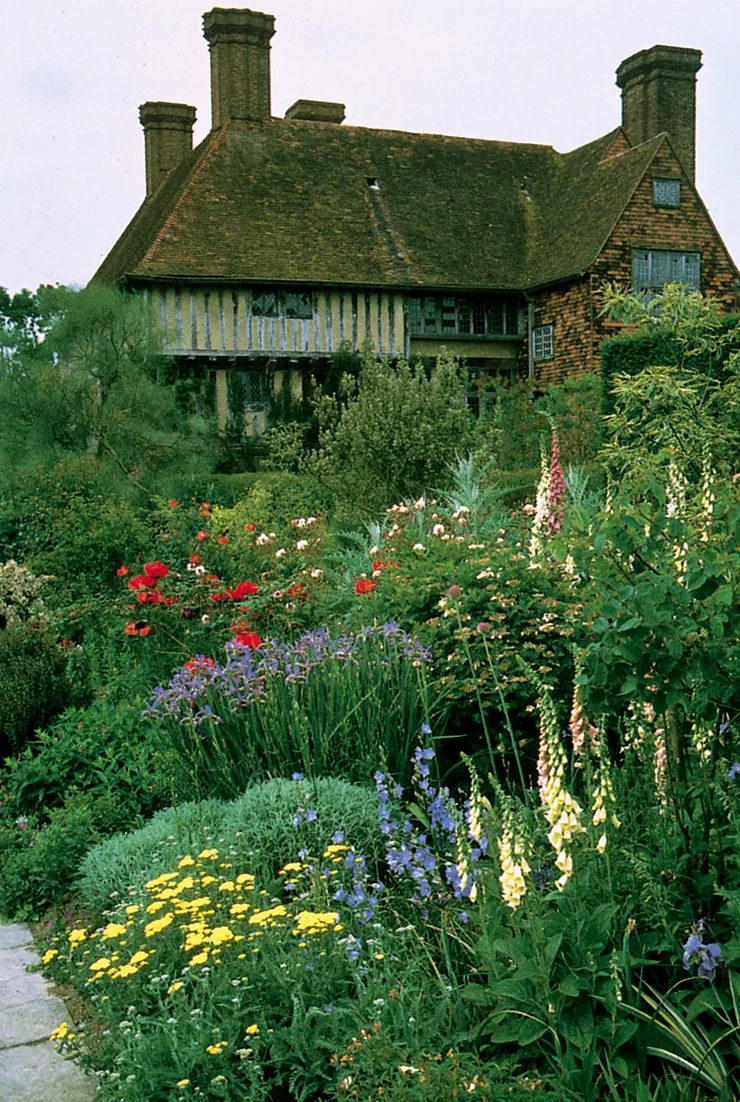
Gardening is easy to define, but its development into a mainstream hobby is a story of changing social mores. It involves the laying out and maintaining a garden, a practice that has changed dramatically over the centuries. Although there were palatial, sprawling gardens in ancient times, they were reserved exclusively for the elite. Small home gardens only became popular in the 19th century. This change coincided with a broader social change: an increase in home ownership and more available leisure time. Suddenly, cultivating the land was no longer just the duty of the wealthy, but the hobby of the masses.
Plan with the seasons in mind
A well-designed flower garden offers more than just plants. It has mixes and contrasts of colors and shapes that create a visual experience that changes throughout the year. An important aspect is seasonal effects. You don’t just plant for spring; you are planning for how the garden will look like when the autumn leaves fall or the winter snows subside. The goal is to maintain interest and beauty throughout every period of the year.
Essential tasks for a healthy garden
For a garden to flourish, several key areas must be considered. Soil maintenance is essential. If the soil is not healthy, nothing else matters. Equally important is the regulation of water so that the plants get what they need without drowning or drying out. You also need to control weeds that compete for resources and protect plants from pests and diseases. These are not optional accessories. They are the basics of work.
Organic vs. Chemical Approaches
Chemical fertilizers, pest controls and herbicides were standard tools of the trade for a long time. They are widespread and still relied on by many gardeners. However, the tide is turning. Less toxic organic supplements and pest controls are becoming increasingly popular. Natural methods are increasingly preferred. For example, predatory insects can help control pest populations without harsh chemicals. Although manual weeding is labor intensive, it provides a chemical-free solution that many find satisfactory. The choice between synthetic and organic products is often based on personal values and environmental considerations, but the trend is clearly towards the latter.