



Roman Polanski didn’t just direct movies. He carved his name into the jagged edge of cinema history. You know the name. You’ve likely seen his work, even if the face behind the camera isn’t always the first thing that jumps to mind. His career is a sprawling, often controversial map of European art-house grit and Hollywood prestige. We’re cutting through the noise to look at the films that actually matter. The ones that defined his style. The ones that keep critics arguing.
Here are 13 films you need to watch. We’re starting at the beginning of the modern era.
1. An Officer and a Spy (2019)
If you’re looking for a polished entry point into his later career, this is it. An Officer and a Spy isn’t just another historical drama. It’s a masterclass in tension.
The film follows Captain Alfred Dreyfus, played by Jean Dujardin. In real life, Dreyfus was a French-Jewish officer wrongly convicted of treason in the 1890s. The Dreyfus Affair shook France to its core. It exposed deep-seated antisemitism and corruption within the military.
Polanski directs with his usual icy precision. There’s no melodrama. Just quiet dread. The cinematography by Łukasz Żal feels like stepping into a painting. Dark. Claustrophobic.
Dujardin is excellent. He plays Dreyfus not as a hero, but as a man slowly being crushed by a machine. The supporting cast includes Emmanuelle Seigner as Lucie Dreyfus. She fights for her husband’s name when the system decides his guilt is absolute.
“The film doesn’t just tell a story of injustice. It shows how easily truth can be buried by bureaucracy.”
Why watch it? Because Polanski still knows how to make you feel the weight of the state. It’s a reminder that his eye for detail hasn’t dulled. Even with the controversies surrounding the director, this film stands on its own merit. It’s clean. It’s sharp. It’s a reminder of why we still pay attention.
There’s more to come. The list continues with films that go darker. More personal. More dangerous. But this one sets the stage.
The Dreyfus Affair: A Masterclass in Historical Grievance
If you are looking for a film that drags you into the murky, suffocating waters of late 19th-century French politics, this one hits hard. The story centers on Captain Alfred Dreyfus, a high-ranking officer in the French army who happens to be Jewish. In 1894, the clock is ticking, and the atmosphere is thick with antisemitism and nationalistic fervor. Dreyfus is accused of treason. Specifically, he is charged with leaking military secrets to Germany. The evidence? Flimsy. The verdict? Swift. He is sent to Devil’s Island, that notorious penal colony in French Guiana, where the humidity rots your soul and the isolation breaks your mind.
But here is where the plot thickens. While Dreyfus is rotting away, Georges Picquart, the head of military intelligence, stumbles upon a truth that threatens the entire establishment. He realizes the leak hasn’t stopped. The real spy is still out there. Picquart is faced with a choice: stay silent and keep his career, or expose the lie and risk everything. This is the stuff of high-stakes drama.
Genre & Vibe
The film operates in the realms of thriller, drama, and historical epic. It isn’t an action movie. There are no car chases. The tension comes from whispers in corridors, closed-door meetings, and the crushing weight of institutional corruption. It’s a historical piece, grounded in the real-life Dreyfus Affair, which fractured French society for over a decade.
The Numbers
On IMDb, the film holds a 7.2 rating. For a period drama about bureaucracy and betrayal, that is a solid score. It suggests the audience found the execution compelling, even if the pacing is deliberate.
The Creative Team
Directed by the ever-controversial Roman Polanski, the film carries his signature touch: meticulous, cold, and visually precise. Polanski has a history with historical dramas (The Pianist, The Ghost Writer ), and here he channels that same intensity. He doesn’t romanticize the past. He shows it as it was: brutal, biased, and deeply human.
The Cast
The ensemble cast is where the film truly shines. Jean Dujardin steps out of his comedic comfort zone to play Georges Picquart. You know him from The Artist, but here he is grave, determined, and increasingly terrified. Louis Garrel plays Alfred Dreyfus, bringing a quiet dignity to a man stripped of his dignity. Emmanuelle Seigner, Polanski’s real-life partner, adds depth to the supporting roles. Her performance is subtle but powerful, anchoring the emotional stakes.
Why This Film Matters Today
It’s easy to look at this 2019 release and see just a period piece. But the themes are glaringly relevant. Why does society rush to judgment? How do institutions protect their reputation at the cost of truth? The film doesn’t just recount history. It holds up a mirror.
The Dreyfus Affair wasn’t just about one man. It was about the
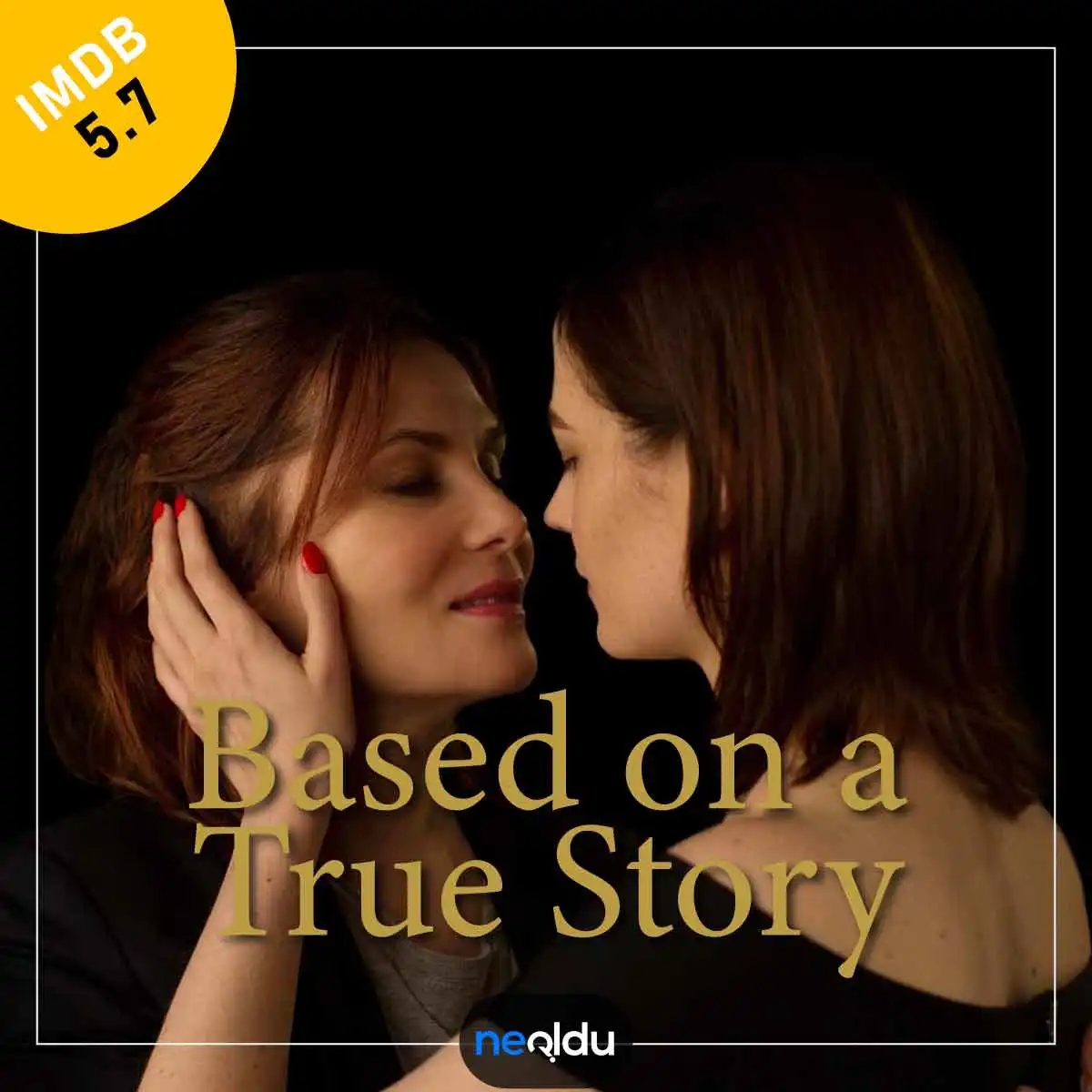

Eva Green is hard to look away from. She brings a quiet, electric intensity to every frame she’s in. In this adaptation, she plays Victoria, a woman whose obsession with a reclusive novelist spirals out of control. The film doesn’t just tell a story. It forces you to watch the slow decay of boundaries.
Based on David Ives’ play, which itself adapted Albert Cohen’s novel, the narrative is a claustrophobic thriller. A famous author, Thomas, has just released his final book. He invites Victoria for a dinner party. What starts as polite conversation quickly turns into a psychological chess match. She isn’t just a fan. She is someone who believes she understands the darkness in his work better than anyone else.
The tension isn’t in car chases or explosions. It’s in the silence between lines. It’s in the way Thomas probes her life, stripping away her defenses with literary analysis that feels like an attack. Victoria, meanwhile, pushes back. She challenges his cynicism. She wants to be seen.
The Game of Power
Roman Polanski directs with a steady, unblinking eye. The entire film takes place in Thomas’s apartment. One room. Two characters. The setting is minimal but heavy. Dust motes hang in the light. The furniture feels like a trap. This isn’t a cozy literary salon. It’s a cage.
Thomas is charming but brittle. He’s tired of his own fame. He’s exhausted by the adoration he receives. When Victoria arrives, he sees an opportunity. Not for romance, necessarily. But for engagement. He needs someone who will play his game. He wants to test her. To see if she’s as complex as his characters.
Victoria is sharper than he expects. She doesn’t bend easily. She turns his own words against him. She exposes the contradictions in his philosophy. This isn’t a simple stalker story. It’s a duel of intellects. And as the night goes on, the power dynamic shifts. Who is really in control? The writer? Or the muse?
Performances That Bite
Eva Green delivers a performance that is both vulnerable and menacing. Victoria starts off admiring but becomes increasingly assertive. She doesn’t want just recognition. She wants connection. And when that’s denied, she turns predatory. Her eyes do a lot of the work. You can see the calculation behind the admiration.
Vincent Perez adds layers as the husband. He’s present but largely peripheral. His role highlights Thomas’s isolation and his need for an audience. He’s the anchor that keeps Thomas grounded in reality, even as Thomas tries to escape into fantasy and control.
Emmauelle Seigner is also part of the fabric, though her presence is more subtle. The chemistry between Green and Perez is where the real friction lies. It’s not sexual in a traditional sense. It’s intellectual. It’s about who gets to define the narrative.
Why It Resonates
The film works because it refuses to give easy answers. Is Victoria dangerous? Yes. But so is Thomas. His manipulation of her feelings is a form of violence. He uses literature as a weapon. He turns her admiration into a tool for his own amusement.
This is a horror movie for writers. For anyone who has ever felt misunderstood. For anyone
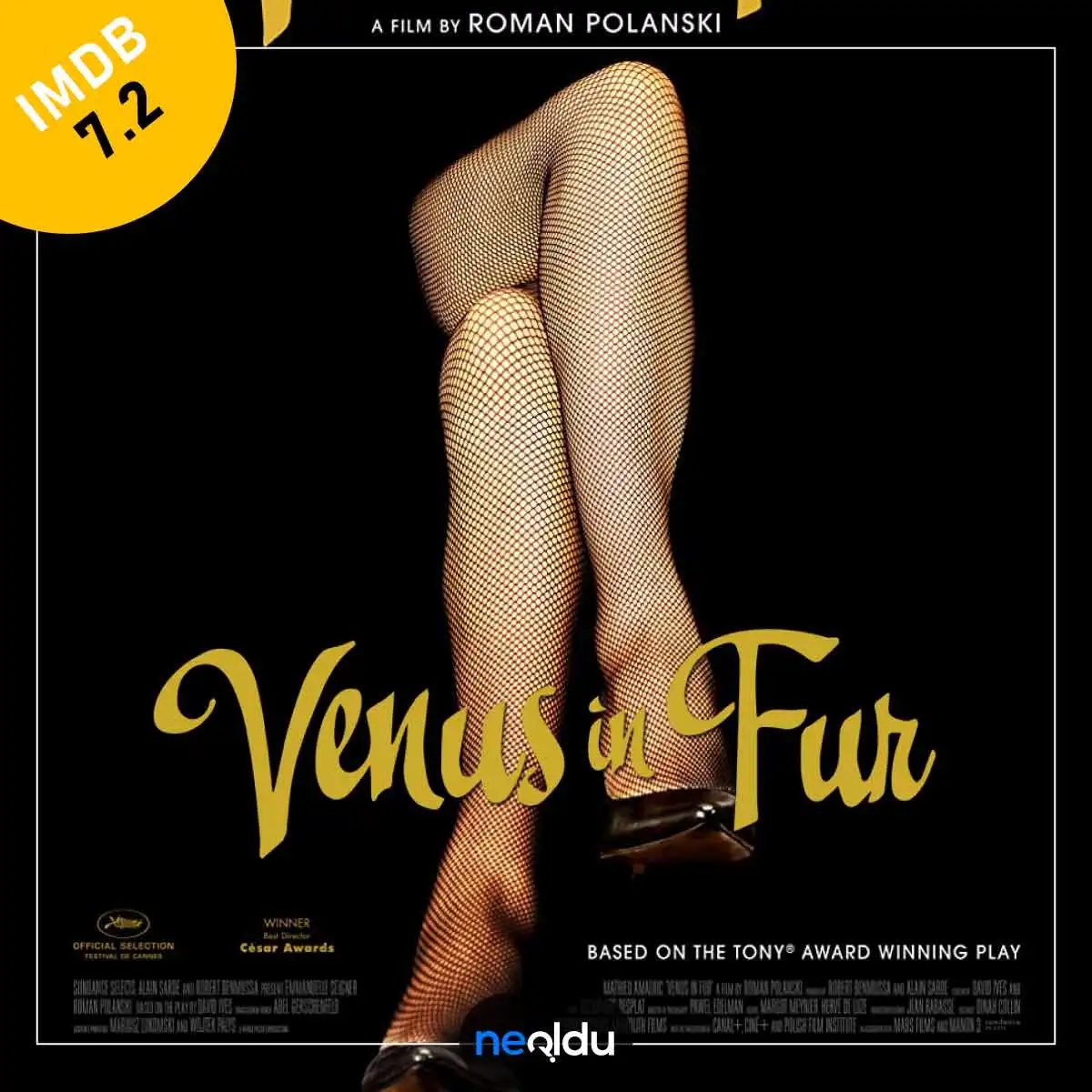
The Art of the Manipulative Director: Polanski’s ‘Venus in Fur’
It starts with an audition. A simple enough concept on paper, but Roman Polanski turns it into a psychological siege. You know the vibe. You walk into the room expecting a coffee date. You leave realizing you’ve just signed away your soul.
This is Venus in Fur (Vénus en Peau ). Polanski adapts Leopold von Sacher-Masoch’s 19th-century novel. The source material is already famous for coining the term “masochism.” But the film isn’t about the book’s plot directly. It’s about the power dynamic. It’s about who holds the leash.
The Game of Cat and Mouse
Mathieu Amalric plays Thomas Vanger. He’s directing a stage version of the novel. He’s looking for the lead role of Vanda. Enter Wanda Verondan (Emma Sicile de Seigner). She’s late. She’s disheveled. She’s wearing the same dress from the book.
Is it a coincidence? Maybe.
Thomas is desperate. His original actress quit. The theater is empty. He needs a star. Wanda knows it. She leans into the role before she even reads a line. She starts directing him.
“I don’t want to play the part. I want to be the part.”
The tension isn’t sexual at first. It’s professional. Then it’s personal. Then it’s something else entirely. The line between director and actor blurs. The script they are reading becomes the script they are living.
Why This Setup Works
It works because neither character is fully in control. Thomas thinks he is. He’s the auteur. He’s the boss. But Wanda’s confidence is a weapon. She weaponizes her own unpredictability.
The film stays in one room. A rehearsal space. A white cube. The setting is claustrophobic by design. There’s nowhere to hide. The dialogue is sharp. It’s not about grand gestures. It’s about micro-expressions. A glance across the table. A pause that lasts too long.
Polanski doesn’t use flashbacks. He doesn’t cut away to the street outside. He keeps the camera locked on their faces. You see the power shift in real-time. Thomas starts to sweat. Wanda starts to smile.
The Historical Echo
Sacher-Masoch wrote about the desire to be dominated. The film explores the desire to make someone dominated. Thomas wants to break Wanda down to build his perfect actress. Wanda wants to break Thomas down to prove her worth as a muse.
It’s a cycle. There is no winner. There is only the performance.
Where It Stands Now
Released in 2013, the film holds a 7.2 on IMDb. It’s not a blockbuster. It’s a chamber piece. But it’s a memorable one. The performances are key. Amalric plays the unraveling ego. Seigner plays the enigma.
The genre tags usually list it as Drama. Sometimes Thriller. It’s definitely Psychological Drama. But calling it just a drama misses the point. It’s a study in control.
The question isn’t who wins the role. The question is who survives the audition.
Roman Polanski’nin imza attığı The Ghost Writer (Hayalet Yazar), başrollerinde Ewan McGregor, Pierfrancesco Favino ve Oliver Platt gibi güçlü isimler bulunduran politik bir gerilim. Şimdiye kadar en yüksek IMDb puanı alan Polanski filmi olan bu yapım, 2010 yılında vizyona girdi. Senaryosu Robert Harris’in The Ghost adlı romanından uyarlanarak Roman Polanski tarafından kaleme alındı.
Kimin Hayalet Yazdığı?
Önde gelen bir siyasetçinin (İngiliz Başbakan) anılarının yazılması için tutulan hayalet yazarın hikayesini anlatıyor. Başbakanın eski kızı olan Adam langley’in intiharını araştıran yazar, sadece bir kitap yazmıyor, aslında bir cinayet vakasını aydınlatmaya çalışıyor. Bu durum, çevresindeki güçlü ve gizemli figürlerle çatışmasına neden oluyor.
Kimleri İzlemeli?
The Ghost Writer, political thriller ve drama sevenler için ideal bir seçenek. Özellikle Robert Harris kitaplarını okuyanlar veya Ewan McGregor filmlerini sevenler için kaçırılmaması gereken bir alternatif. Film, politik gerilimi ve gizemini yoğun bir şekilde işleyerek izleyicisini etkiliyor.
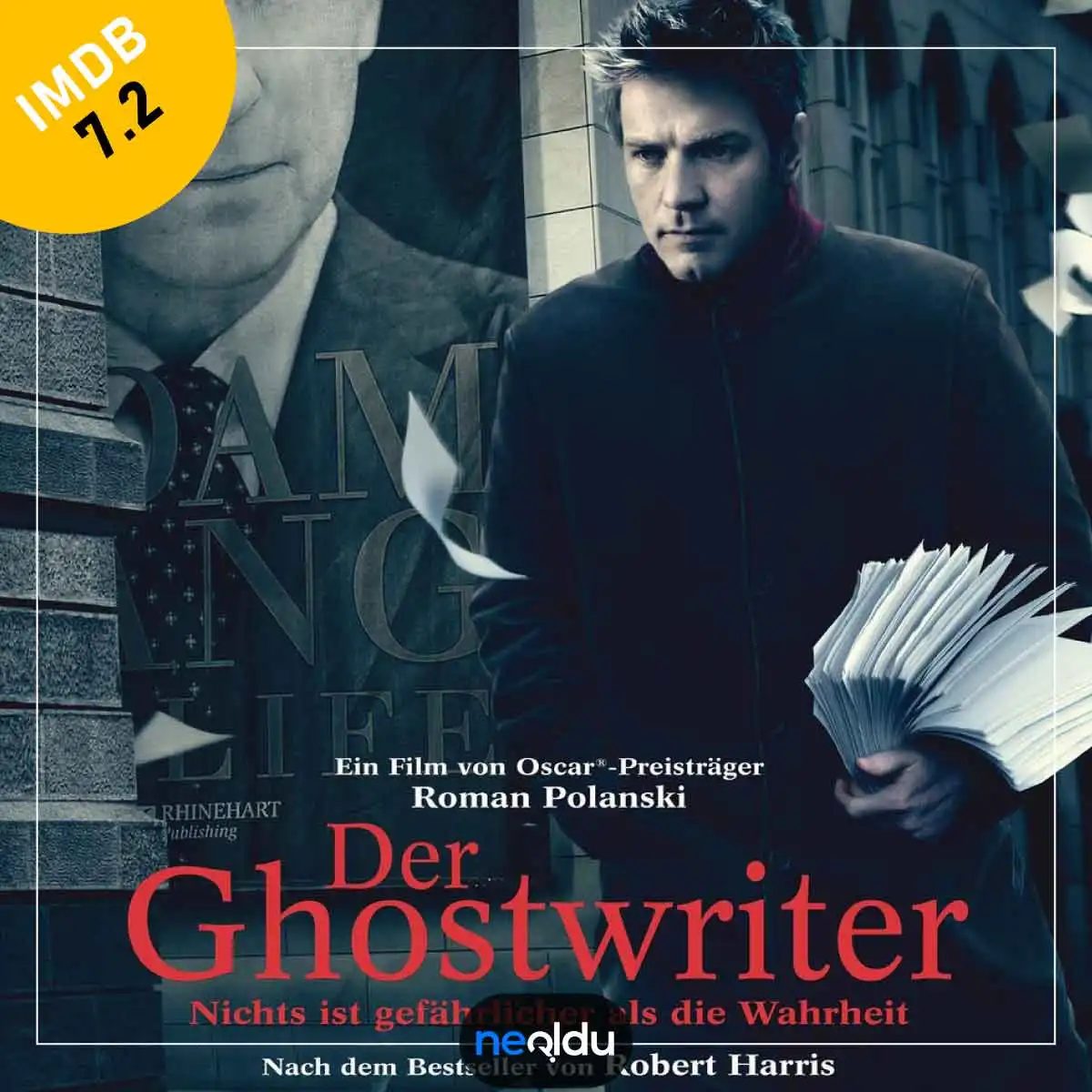
Roman Polanski, her zaman olduğu gibi, okunabilirlikten ziyade zihinsel bulaşıcılık peşinde. Bu seferki kurban, iş başında olan bir İngiliz başbakanın hatıratlarını kaleme almak için tutulan başarılı, hatta gururlu bir yazar.
İsim vermek istemiyoruz, çünkü isimlerin bu tür hikayelerde önemi ikincil. Önemli olan o kalem. Kalem, ne yazdığını bilmeden bile, gerçeği açığa çıkarma potansiyeli taşıyan tehlikeli bir araç olabilir. Başvuran yazar, sadece kelime oyunları yapmıyor. Arka plan araştırması yapıyor. Hepsinden önemlisi, why sorusunu hiç bırakmıyor.
Neden Başbakan?
Başbakanlık koltuğu, sıradan bir makam değil. CIA’in gölgesinde, devletinin sırları arasında kaybolan bir figür. Yazar, dokümanları karıştırırken beklenmedik bir delille yüzleşiyor. Sadece siyasi skandallar değil. Daha derin, daha karmaşık bir güvenlik ihlaliyle karşılaşıyor.
Bu noktada işler bozuluyor.
Yazar, bu bilgileri sessizce tutabilirdi. Yüzeyde kalabilirdi. Ama karakter yapısı buna izin vermiyor. Ve başbakan da. İkisi de. Ve bu ikilik, Polanski’nin sevdiği bir tema: insan doğasının kırılganlığı.
Kim Cattrall’ın rolü, sadece bir figür değil. Gerçeği görmeyi reddedenlerd. Pierce Brosnan ise, güç içinde sıkışmış bir adam. Ewan McGregor’un canlandırdığı yazar ise, her şeyi elinin altında tuttuğunu sanan, ama aslında deliğin kenarında yürüyen bir karakter.
Gerilim Nasıl İnşa Ediliyor?
Film, diyaloglar üzerinden ilerliyor. How sorusuna cevap yok. Cevap, sessizlikte. Kameranın açıları, karakterlerin gözlerindeki titremeler. Polanski, izleyiciyi rahatsız etmek istiyor. Konfor alanından çıkarmak.
IMDb 7.2. Bu skor, beğeniyi gösteriyor. Ama sadece beğeni değil. Merak. İzleyici, neyin ortaya çıkacağını biliyor. Ama when sorusu hala havada.
2011 yılında vizyona giren bu yapım, tarih kokan bir gerilim. Tarihi bir arka planı var. Ama asıl konu, güncel. Devlet gizleri. İstihbarat ağları. Ve bunların sırtına binen sıradan insanların yükü.
Oliver Twist’e Geçerken
Şimdi sıra 6. sırada Oliver Twist var. Ama bu, Charles Dickens’ın o nostaljik, çamaşır suyu gibi temizlenmiş versiyonu değil. Polanski’nin lensinden geçen bir Oliver Twist.
Polanski,
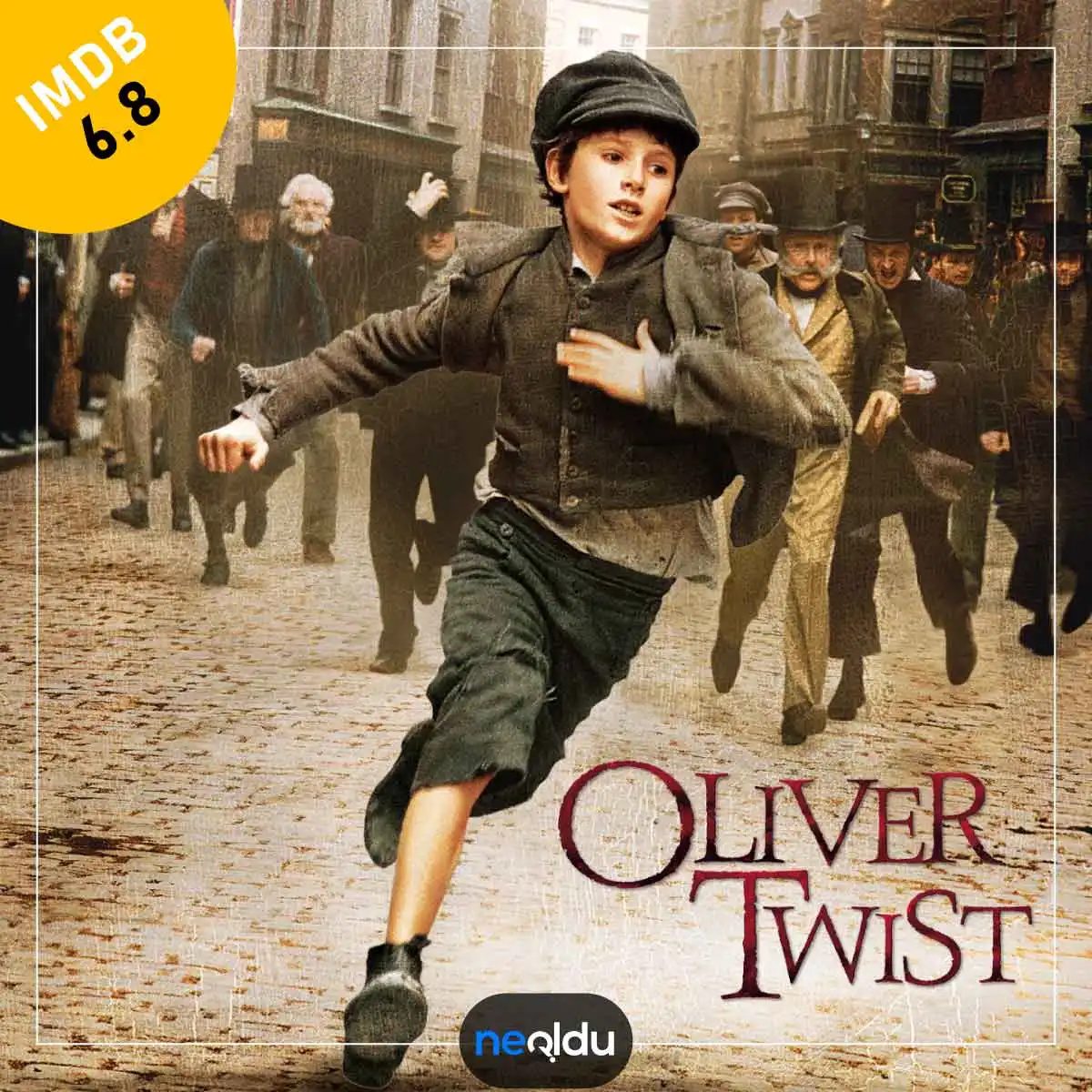
Roman Polanski’nin imzasını taşıyan Oliver Twist uyarlaması, sadece bir klasik okuryazarlık değil. Küçük yaşta kimsesiz kalan, sistemin en alt halkasında ezilen Oliver’ın hayatta kalma mücadelesi ekranlara yansıyor. Polanski’nin gözlemci duruşu ve detaylara olan takıntısı, hikayeye o hafiflik veriyor. Okuyucu değil, izleyici olarak sahnenin içine çekiliyorsun. Sonuna kadar ekran başından kalkamıyorsun. Bir mahkeme draması gibi gerilimle, bir dram gibi hüzünle iç içe geçiyor. IMDb puanı 6.8. 2005 yılı sinema tarihine geçen bir yapım. Barney Clark, Harry Eden, Ben Kingsley gibi isimlerin performansı, karakterlerin ruhunu taşıyor. Bu film, Dickens’ın karamsar ama umut dolu dünyasını modern sinema diliyle yeniden yorumluyor.
The Pianist’den Wajda’ya Geçiş
Piyano tuşlarının soğukluğundan, savaşın acımasız gerçeklerine geçiyoruz. The Pianist (Piyanist), Władysław Szpilman’ın hayat hikayesini anlatıyor. Belki de sinema tarihinin en sert, en yalın ve en etkileyici anlatılarından biri. Roman Polanski’nin yönetmen koltuğunda oturduğu bu başyapıt, Holokost’un karanlık dehlizlerinde kaybolan bir müzisyenin gözünden gerçekliği sunuyor.
Adrien Brody’nin performansı, Oscar’ları topladı. Sadece oynuyor değil, nefes almayı, acı çekmeyi, hayatta kalmaya çalışmayı gösteriyor. Film, Nazi işgali altındaki Varşova Gettosu’nda geçiyor. Şehir yıkılıyor. İnsanlar yok ediliyor. Szpilman ise bir apartman dumanında saklanıyor. Yemek yok. Sıcaklık yok. Sadece sessizlik ve korku var. Film, bu sessizliği o kadar iyi yansıtıyor ki, salonun içinde nefes tutabiliyorsunuz.
Władysław Szpilman’ın Varşova Gettosu’ndaki Hayatı
The Pianist, biyografik bir drama olarak listeledilse de, bir gerilim filminden daha fazla korku uyandırıyor. Which film Holokost’u bu kadar kişisel ve acımasız bir şekilde işledi? Bu sorunun cevabı Polanski’nin kendi deneyiminde saklı. Çocukken Auschwitz’e gönderildi. Hayatta kaldı. Bu travmayı, Szpilman’ın üzerinden aktardı.
Varşova Gettosu’nun dar sokaklarında, çatılarında saklanan adam. Nazi askerlerinin araması. Komşuların ihaneti. Ve en sonunda, bir Alman subayının piyano çalarken bulması. Bu sahne, sinemada en ürp
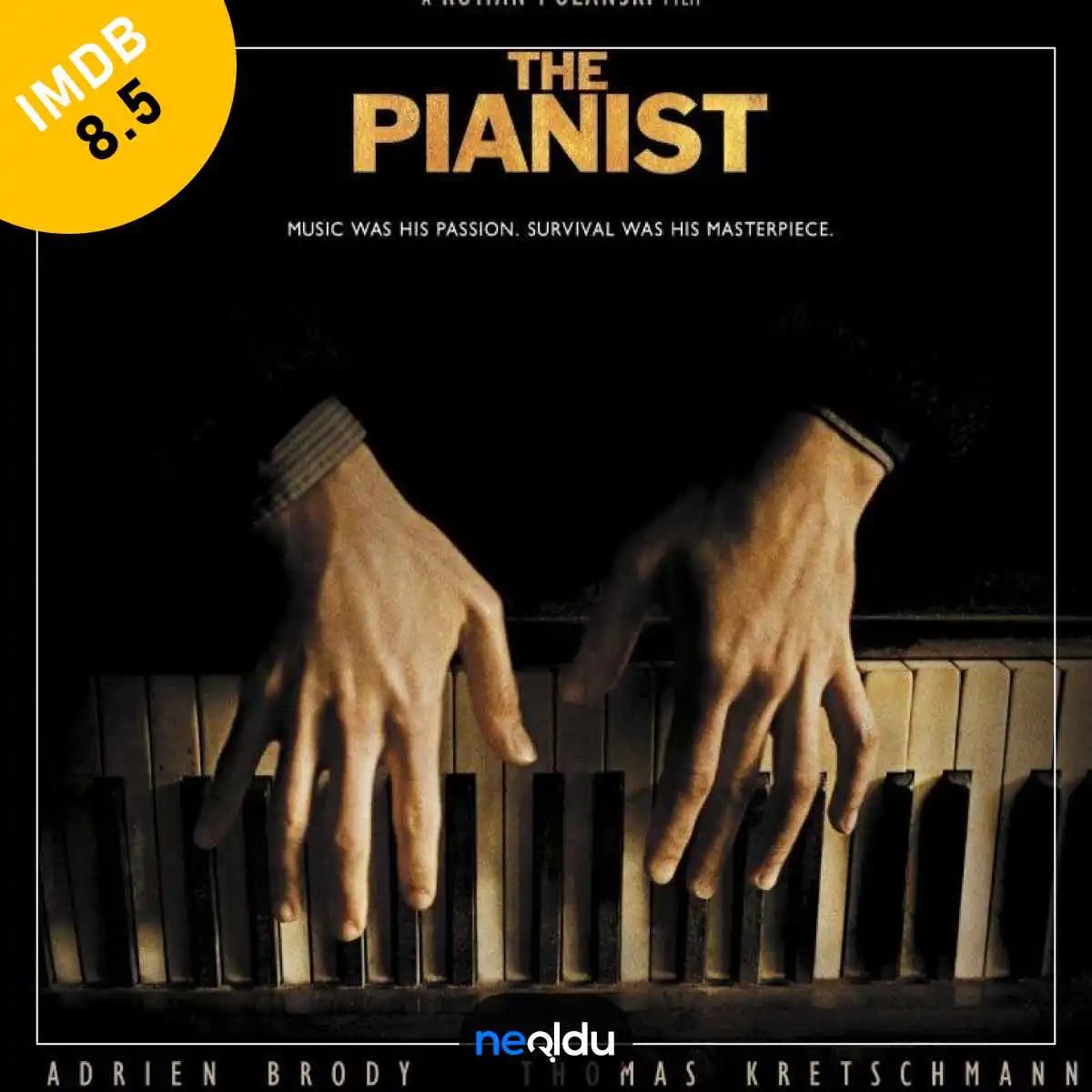
Władysław Szpilman’ın hikâyesi sadece bir hayatta kalma çabası değil. Varşova gettosunda bir bar piyanisti olarak kimliğini saklamak zorunda kaldığı o karanlık dönemlerde bile, müzik onun tek sığınağıydı. Çalışma kamplarından kaçtıktan sonra yıkık dönek şehirde dolaşırken, içinde hala piyano bulunan terk edilmiş bir villaya sığındı. Bu anın trajedisi, çaldığı melodinin sesiyle onu ele vermesiyle doruk noktasına ulaştı. Karşısına çıkan Nazi subayıyla olan o sessiz diyalog, sinema tarihinin en gergin sahnelerinden biri oldu. Roman Polanski’nin yönettiği The Pianist, Adrien Brody’nin canlandırdığı bu rolle uluslararası çığır açtı. Üç Oscar, Altın Palmiye ve birçok başka ödülle taçlandırılan film, tarihin en karanlık sayfalarından birini o kadar gerçekçi anlattı ki, izleyenlerin yüreğinde derin bir yara açtı. IMDb’daki 8.5’lik puana bakmak bile, bu eserin ne kadar ölümsüz olduğunu gösteriyor. 2002 yapımı bu dram, sadece bir biyografi değil. İnsanlığın en uç noktasındaki umudu anlatan bir başyapıt.
The Ninth Gate: Büyü ve Cinayet Karanlığında
Enrique Barja’nın aynı adlı romanından uyarlanan The Ninth Gate, Roman Polanski’nin daha önceki ağır tonlarındaki savaş trajedisinden tamamen farklı bir atmosfere sahip. Burada Yahudi mahallelerinin hüznü yok. Bunun yerine, gizemli semboller, eski kitaplar ve ölümcül bir oyun var. Lars Törnelius, antikacı Daniel Cortés için Paris’te nadir bulunan bir kitap olan The Nine Gates of the Kingdom ın kopyalarını takip ediyor. Kitapta geçen dokuz kapıdan sadece birinin gerçek olduğunu bulmak, Cortés’e sonsuz servet ve gizli bilgi vaat ediyor. Ama bu arayış kolay değil. Kopyalardan biri bir yangında yanıyor, diğeri çalınıyor. Cortés’in intikam arayışındaki eski bir dostu Dean Corso da bu kovalamacanın içine sürükleniyor.
Polanski’nin imzası, The Ninth Gate ’da daha gizli ama derin. Yönetmen, gerilimi diyaloglarla değil, görsel ipuçları ve atmosferle yaratmayı seçiyor. Adrien Brody’nin The Pianist ’ten sonraki ilk büyük rolü olan Corso, bu görevde sadece bir araştırmacı değil, aynı zamanda bir kurban adayı. Frank Langella’nın canlandırdığı Cortés ise, zekası ve acımasızlığıyla sahneyi domine ediyor. Emilia Fox gibi destekleyici oyuncular, bu mistik ortamın gizemini artırmak için burada. 1998 yapımı bu film, izleyiciyi sürekli şüphe içinde bırakıyor. Gerçekten bir şey mi oluyor, yoksa
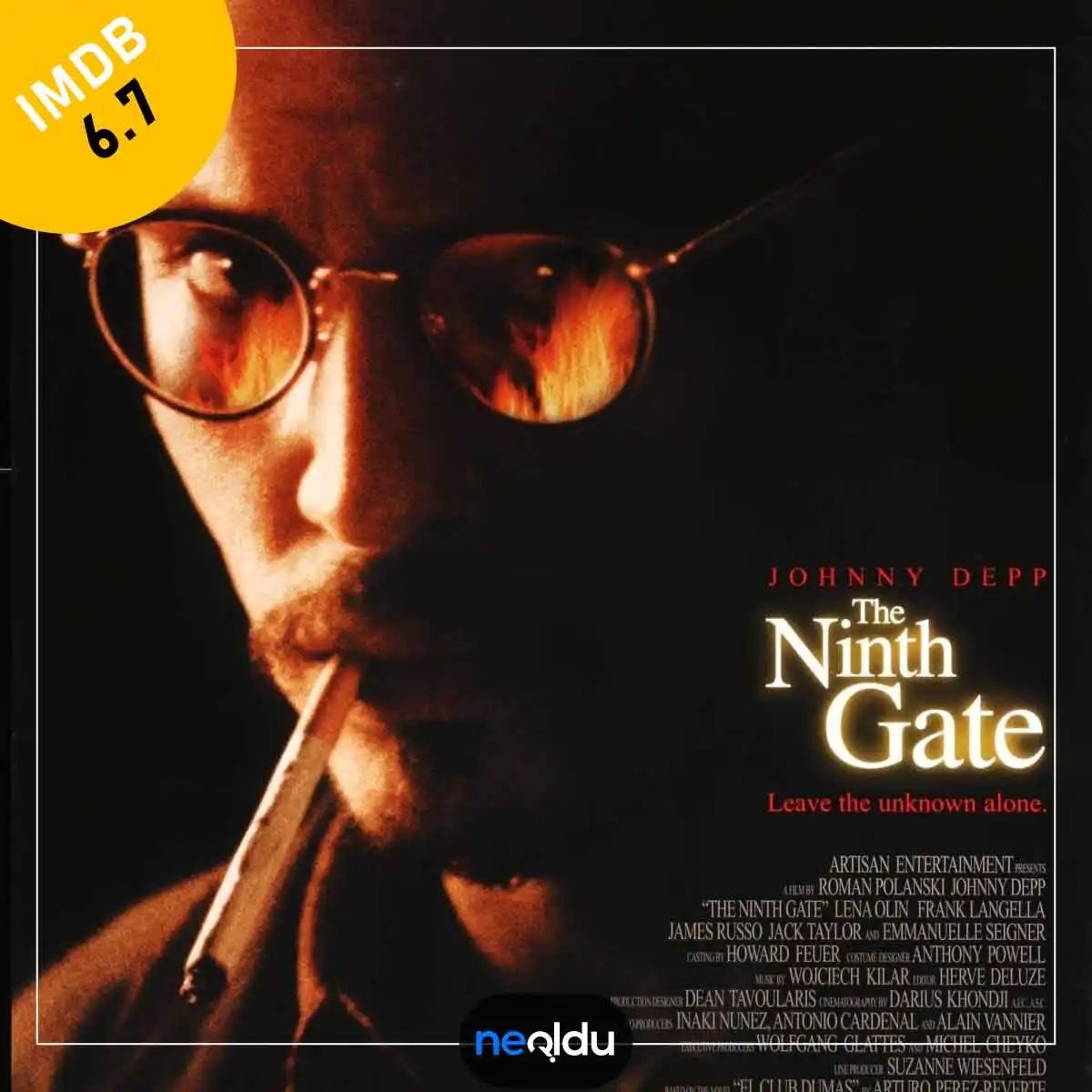
The Ninth Gate: When Depp and Polanski Chase a Myth
It’s hard to ignore the chemistry between a method actor and a director who treats cinema like an archaeological dig. That’s exactly what you get in The Ninth Gate. Johnny Depp plays Dean Corso, a rare book researcher who is good at one thing: finding lost texts. He isn’t just a librarian. He’s a fixer. A finder. Someone who can track down a first edition in a basement in Paris or a crumbling manuscript in Budapest.
The plot kicks into gear when Corso is hired by a mysterious collector named Balkan (Frank Langella). The job? Locate the last three existing copies of a specific occult book. The book in question is The Nine Gates of the Kingdom of Shadows. Legend says the original author, the demonologist Dean Corso (no relation) burned it. Only nine engraved plates remain. If you can find all nine, you supposedly unlock some kind of demonic power. Or maybe you just get a really scary story. Balkan wants the plates. He wants to prove he can read the code.
Corso isn’t interested in the magic. He’s interested in the paycheck. But the deeper he digs, the more things go wrong. People start dying. Old friends turn into enemies. A beautiful but dangerous woman named Lisabeth (Lena Olin) enters the mix, complicating everything. Is she helping him? Or is she part of the trap?
Why It Works Better Than You’d Expect
Polanski doesn’t spell everything out. That’s the trick. The film operates on a kind of dream logic. You know something dark is happening, but the details remain slippery. Is Corso being manipulated? Or is the supernatural force real and waiting in the margins of the pages?
Depp’s performance is key here. He plays Corso as cynical, tired, and sharp. He doesn’t believe in ghosts. He believes in ink and paper. But as the stakes rise, that cynicism cracks. The tension isn’t in jump scares. It’s in the silence. In the look exchanged between Corso and Balkan. In the way Lisabeth moves through the shadows.
The supporting cast holds their own. Frank Langella is eerie in a quiet way. Lena Olin is magnetic, even when she’s being vague. The locations matter too. Budapest, Paris, the isolated mansion in the countryside. The settings feel lived-in. Heavy. Like the books themselves.
The Mystery of the Nine Plates
At its core, this is a puzzle movie. But not the kind where you solve it at the end. The puzzle is the experience. You watch Corso travel across Europe, meeting eccentric collectors and dodging suspicious figures. Each plate he finds brings him closer to the truth. Or further from it.
The film asks questions. Can knowledge be dangerous? Does seeking forbidden truth corrupt the seeker? Or is it just a story people tell themselves to feel important? Balkan thinks he’s above it. He thinks he can control the power. But the film suggests that some things can’t be controlled. Only endured.
Corso survives. But does he win? The ending doesn’t give you a clean victory. It gives you ambiguity. A lingering sense that he touched something vast and incomprehensible. And that’s better than a neat bow.
Is It Worth Your Time in 2024?
10. The Tenant (Kiracı)
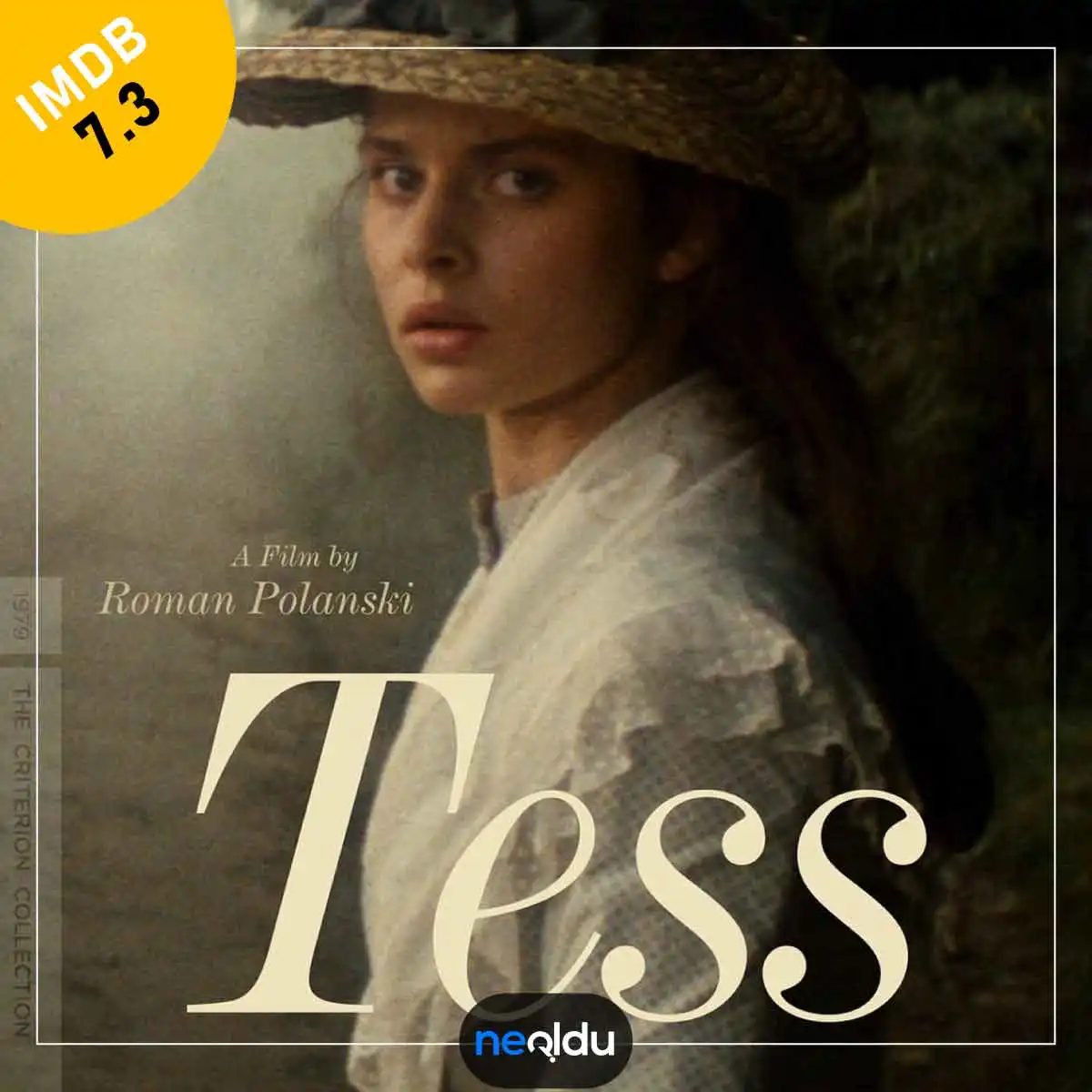
Roman Polanski’nin imza attığı o ünlü 1979 yapımı Tess filmine dönelim. Thomas Hardy’nin başyapıtından uyarlanan bu romanın sinema karşılığı, genç bir kadının maddi zorluklar nedeniyle ailesinden kopuşunu ve yalnızlıkta çektiği acıyı muhteşem bir senaryo ile anlatıyor. Polanski, yönetmen koltuğunda oturan bir dahiyse, işte karşınızda kanıtlanmış bir efsane. İzlememeniz için bahane yok.
Polanski’nin Zengin Uyarlaması
Tess’in hayatta tutunma mücadelesi sadece bir aşk hikayesi değil. Hem dramatik hem de romantik öğeleri harmanlayan Romantik Dram türünün en güçlü örneklerinden biri olarak kabul ediliyor. IMDb puanı 7.3 ile filmin kalitesini ve izleyicide bıraktığı izi gösteriyor. Yönetmen Polanski, Hardy’nin eserini modern sinema diline o kadar iyi dönüştürmüş ki, karakterin iç dünyası ekranı dolduruyor.
Oyuncu Kadrosu ve Detaylar
Filmde başrolü üstlenen Nastassja Kinski, Tess’in hassas ve kırılgan yapısını inanılmaz bir duyarlılıkla yansıtıyor. Yan rollerde ise Peter Firth ve Leigh Lawson yer alıyor. Üçlü, dönemin sosyal baskısını ve karakterlerin aralarındaki gerilimi harika bir dengeyle sunmuş. 1979 gösterim tarihi, filmin o dönemki sinema anlayışını ve Polanski’nin vizyonunu anlamak için de kritik bir nokta.
Neden İzlenmeli?
Hardy’nin karanlık ama şiirsel dünyası Polanski’nin vizyonuyla buluşunca ortaya out-of-this-world bir sonuç çıkıyor. Film, sadece bir edebiyat uyarlaması olmaktan çıkıp, psikolojik bir inceleme niteliği taşıyor. Karakterlerin kaderiyle oynayan dış güçler ve içsel çatışmalar, izleyiciyi baştan sona esir alıyor.
“Thomas Hardy’nin çok okunan eserinden sinemaya uyarlanan bu efsanevi filmi mutlaka izlemelisiniz.”
Polanski’nin imzası bu filmde her karede hissediliyor. Nastassja Kinski’nin performansı ise sinema tarihinin en unutulmaz kadın karakterlerinden biri olarak yerini aldı.
The Tenant: Polanski’s Descent into Madness
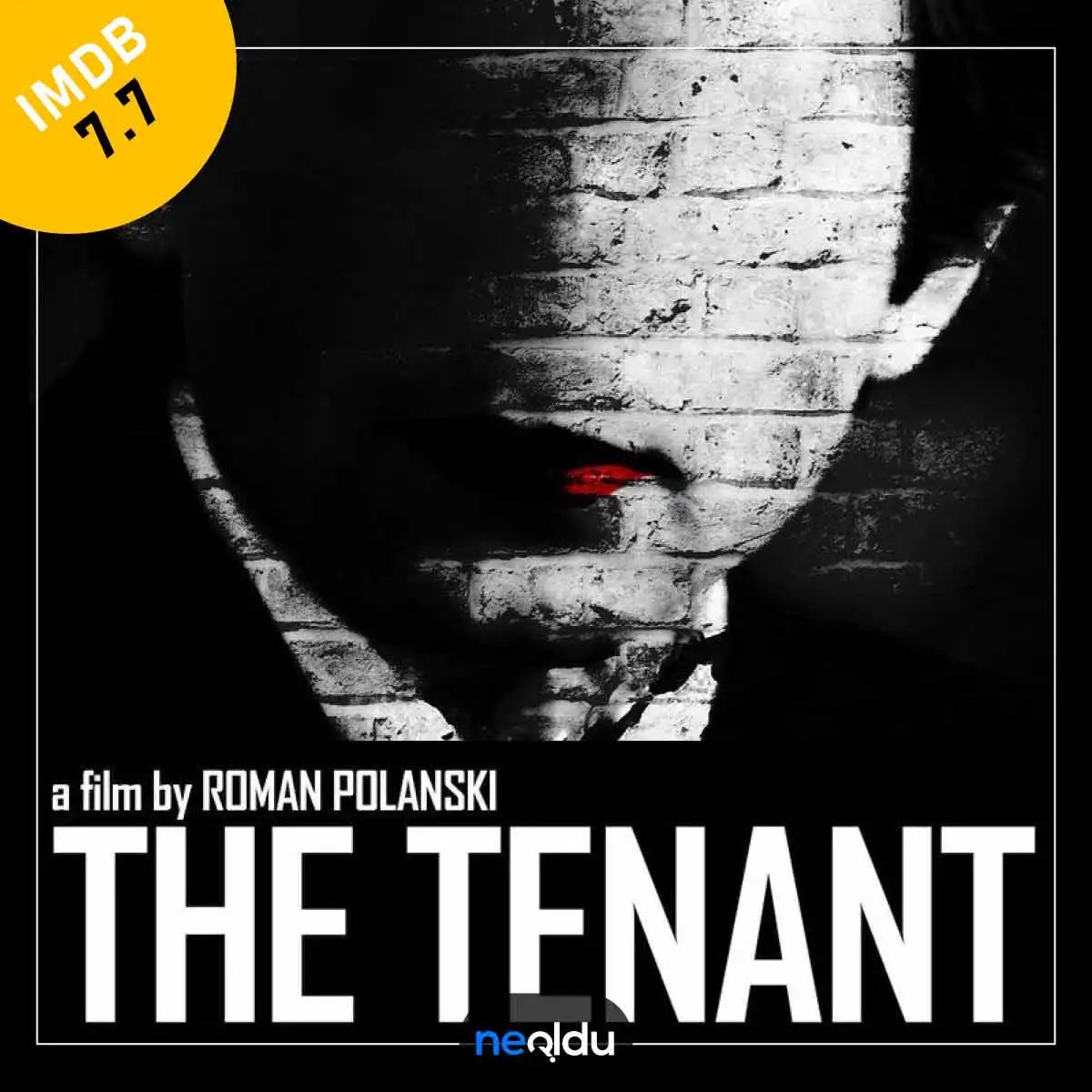
Roman Polanski didn’t just direct The Tenant. He starred in it. He wrote the screenplay. He lived the nightmare. It remains his most unsettling work, a thriller-dramma that blurs the line between victim and perpetrator. The plot kicks off with a suicide. The previous tenant jumps from the window of the Paris apartment building where Trelkovsky moves in. Or so it seems. Trelkovsky, a mild-mannered man, starts hearing noises. Seeing shadows. Feeling watched. The isolation eats him alive. He becomes obsessed with the dead tenant’s life. His own sanity fractures. By the end, he doesn’t just live the role. He becomes it.
Rating: 7.7 on IMDb.
Released in 1976.
Starring Polanski himself alongside Isabelle Adjani and Melvyn Douglas.
The horror isn’t supernatural. It’s social. It’s the pressure of conformity. It’s the paranoia of being an outsider in a rigid society. Polanski channels his own experiences as a Polish-Jewish expat in France. The film feels claustrophobic on purpose. The camera traps Trelkovsky in tight spaces. Mirrors reflect distorted versions of himself. The neighbors whisper. They judge. They demand he conform to their bizarre, unspoken rules.
Trelkovsky’s transformation is gradual. Then sudden. He starts wearing the dead tenant’s clothes. He adopts his mannerisms. The boundary between self and other dissolves completely. It’s a masterclass in psychological decay. Polanski forces the audience to question reality. Is Trelkovsky crazy? Or is the apartment building the true villain? The ambiguity lingers long after the credits roll.
Chinatown
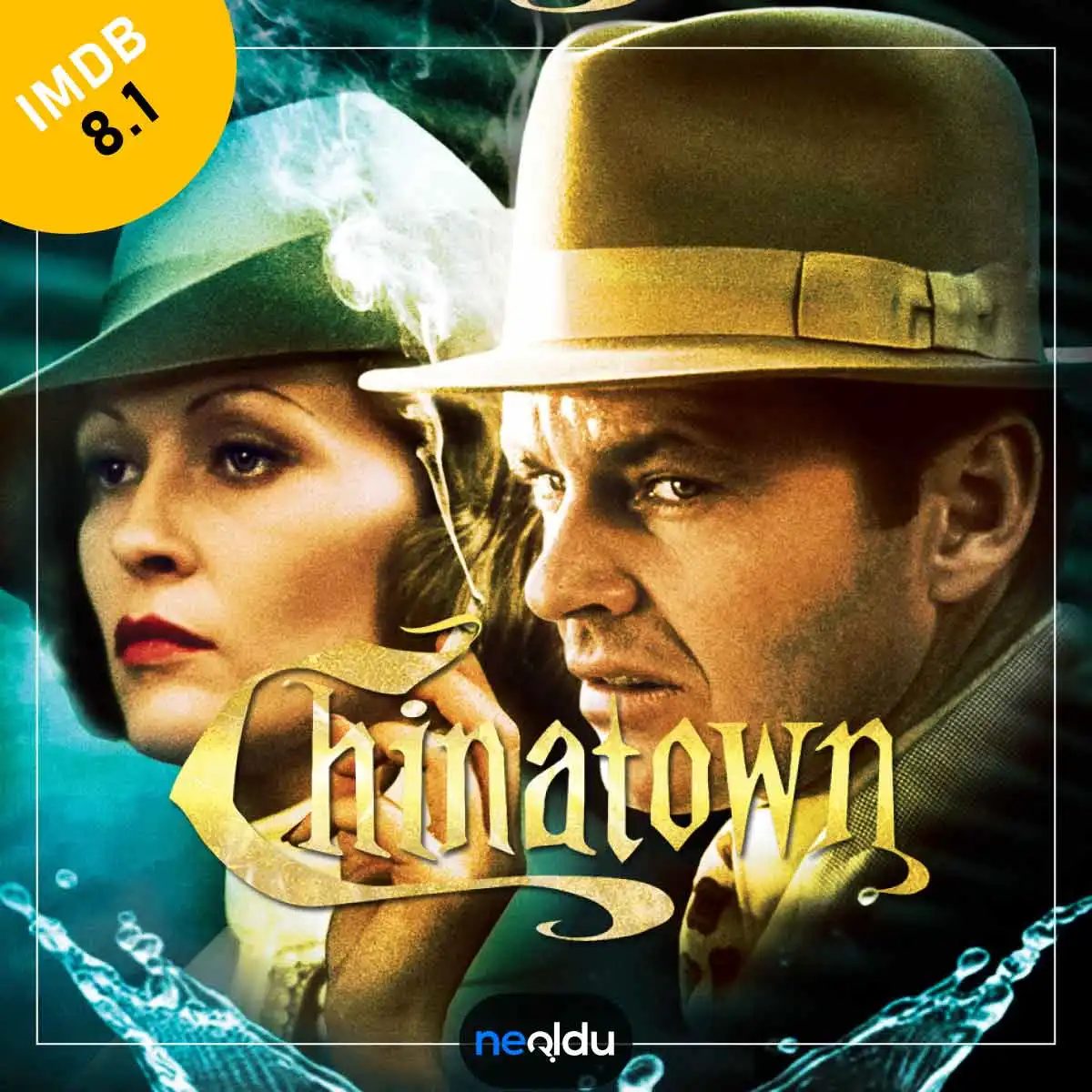
It’s 1930s Los Angeles. The sun is shining, but the streets are rotting from the inside out. This isn’t a mystery you can solve with a flashlight and a badge. It’s a trap. And for Roman Polanski’s 1974 masterpiece Chinatown, the trap snaps shut with terrifying finality.
The film didn’t just get nominated for eleven Oscars. It won one. Best Original Screenplay went to Robert Towne, who crafted a script so tight, so layered with lies, that even the audience’s hopes were part of the deception. It’s widely considered the definitive neo-noir.
How Chinatown Honors the Detectives of Old
You want to talk about legacy? Look at the DNA of this film. It pays homage to the giants of hardboiled fiction. Philip Marlowe. Sam Spade. These were the original cynics, the men who walked the line between justice and survival.
Jack Nicholson’s Jake Gittes is a spiritual successor to them. But where Marlowe might have walked away with his soul intact, Gittes doesn’t. He stays in the mud.
The film is smarter than its predecessors. It’s less slapstick, more grounded in a gritty reality. Water rights. Political corruption. The illusion of safety in a sprawling city. It’s not just a whodunit. It’s a how-they-killed-us story.
Why the Setting Matters More Than You Think
Los Angeles in the 1930s wasn’t just a backdrop. It was a character. The heat. The dust. The hidden dams.
Think about the water. Everything in California revolves around it. Who controls the water controls the life. Gittes starts as a private eye hired to catch a cheating husband. A simple case. But the deeper he digs, the more he realizes that the “cheating” is just a symptom of a much larger cancer eating the city’s infrastructure.
“Forget it, Jake. It’s Chinatown.”
That line isn’t just a throwaway. It’s the thesis statement. Some things are too big to fix. Too corrupt to understand. Too deep to escape.
The Cast That Anchored the Chaos
If the script is the skeleton, the actors are the muscle.
Jack Nicholson delivers a performance that balances manic energy with creeping dread. Gittes thinks he’s the smartest person in the room until he isn’t. And then he really isn’t.
Faye Dunaway as Evelyn Mulwray is devastating. She’s beautiful, terrified, and hiding a secret that could shatter a family. Her performance is restrained, which makes the emotional punches hit harder.
John Huston as Noah Cross is pure, unadulterated evil disguised as paternal concern. He doesn’t need to shout. He just needs to speak softly about his daughter. And his daughter’s future.
Where It Fits in the Noir Canon
Chinatown doesn’t reinvent the wheel. It perfects it.
| Feature | Classic Noir (e.g., The Maltese Falcon ) | Neo-Noir (Chinatown) |
|---|---|---|
| Protagonist | C |
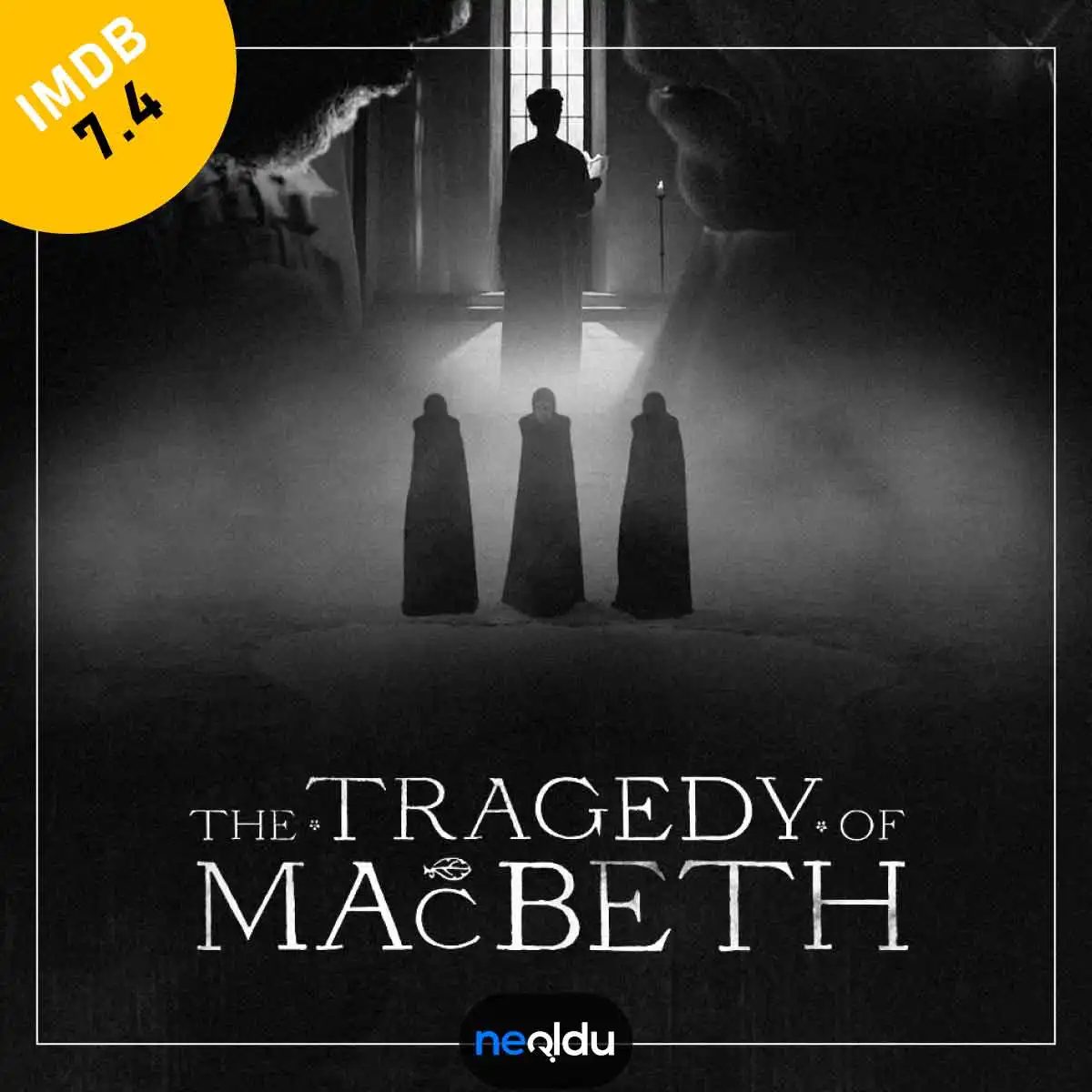
1971 yılında sinema perdesine yansıtılan Macbeth, günümüzde hâlâ en iyi Shakespeare uyarlamalarından biri olarak kabul ediliyor. Roman Polanski’nin yönetmenlik koltuğundaki bu çabası, filmin başarısındaki en büyük etken. Küçük detaylara verdiği önem, hikayeyi izleyicilere sunarken muazzam bir atmosfer yaratmayı başarmış.
Peki bu projeye nasıl girdi? Polanski, eşi Sharon Tate’in trajik ölümünün ardından bu işe girişti. Bu karanlık dönemdeki çalışması, onun için bir tür taziyeyi de barındırıyordu. Sonuç? Alnının akıyla çıkması.
Biyografi ve Dram Türünün Birleşimi
Film, Biyografi ve Dram türlerinde yer alıyor. IMDb puanı 7.4 ile izleyiciden olumlu tepki almış. Tarihi bir arka plana sahip olan yapım, dönemin sinema diline de uygun şekilde kurgulanmış.
Yönetmen: Roman Polanski
Oyuncular: John Finch, Francesca Annis, Martin Shaw
Bu kadro, Polanski’nin vizyonunu yansıtan en uygun isimlerdi. Özellikle Francesca Annis’in Lady Macbeth canlandırması, filmin en güçlü yanlarından biri olarak kabul ediliyor.
13. Rosemary’s Baby (Rosemary’nin Bebeği)
Polanski’nin bu dönemdeki diğer büyük eseri ise Rosemary’s Baby. Bu film, korku ve gerilim türlerinin zirve noktalarından biri olarak hatırlanıyor. Macbeth’teki gibi burada da psikolo derinlik, görsel şiddetten önce geliyor.
İki film de Polanski’nin “karanlık insanlık halleri”ne olan ilgisini ortaya koyuyor. Macbeth güç hırsını, Rosemary’s Baby ise toplumsal baskıyı ve yabancılaşmayı işliyor. Hangi film daha etkili? Bu kişisel bir tercih meselesi. Ancak ikisi de Polanski’nin en parlak dönemini temsil ediyor.
Polanski, bu filmlerle sadece bir yönetmen değil, aynı zamanda bir psikolog gibi davranmış. Karakterlerin iç dünyalarını o kadar iyi işlemiş ki, izleyici kendi korkularını filmde görmeye başlıyor.
Bu dönemdeki işler, onun kariyerindeki dönüm noktalarından biri. Sonraki yıllarda yapacağı daha büyük projeler için zemin hazırlayan bu eserler, hâlâ sinema öğrencileri tarafından inceleniyor.
Neden bu kadar etkili? Çünkü Polanski, izleyiciyle oynayarak değil, onunla birlikte düşleyerek çalışmış. Bu yaklaşım, filmlerin ölümsüzleşmesini sağlamış.
Rosemary’s Baby: How Polanski Crafted a Horror Nightmare
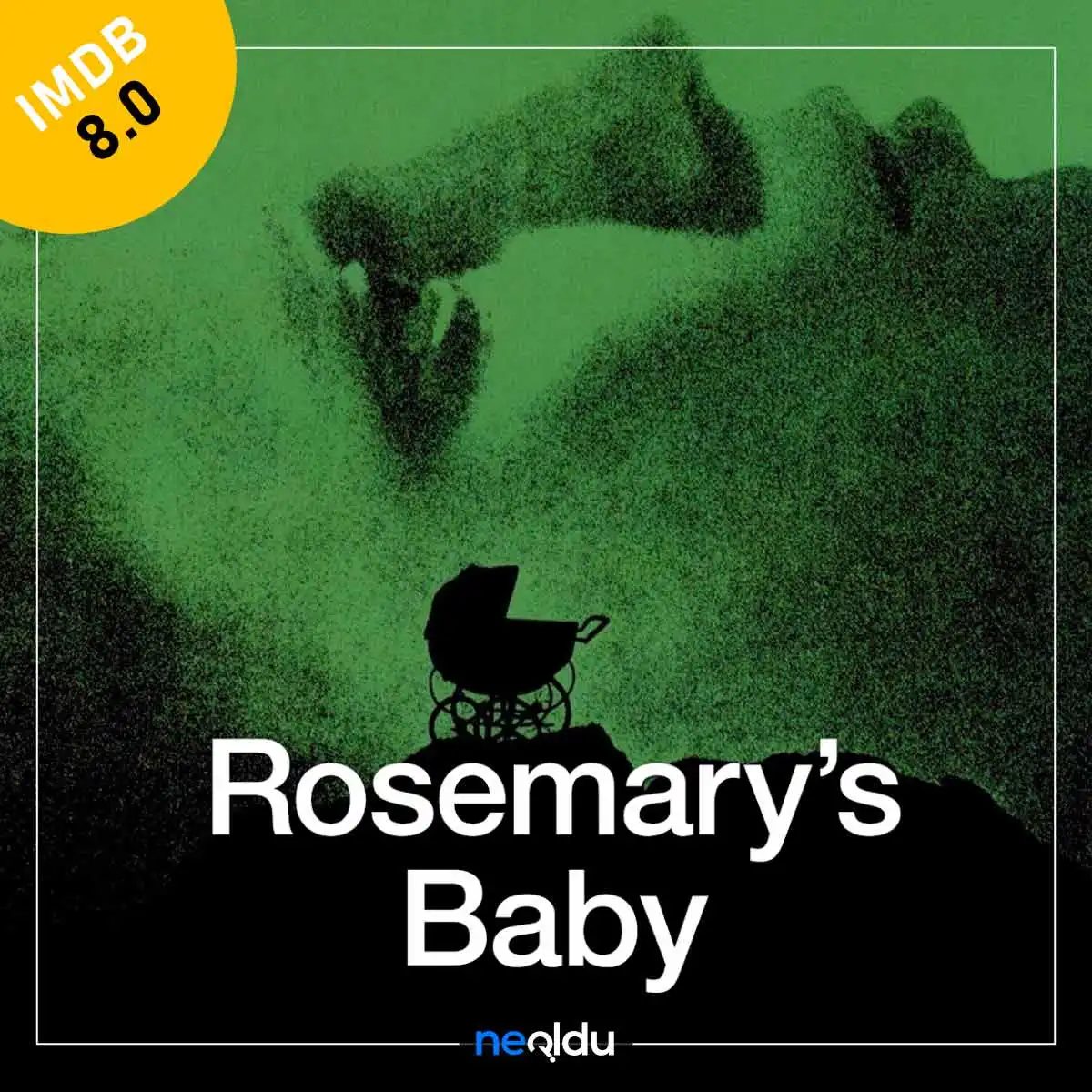
The premise sounds like a setup for a standard haunted house flick. A young couple moves into an apartment with a dark history. Their elderly neighbors, who seem overly eager to help pregnant Rosemary, slowly turn her life into a waking nightmare. It’s basic setup stuff. But Roman Polanski didn’t just direct a movie. He built a trap.
Based on Ira Levin’s surreal novel, the film drags viewers into a space where dreams, obsession, and reality blur into something unrecognizable. This isn’t jump-scare horror. It’s psychological erosion.
The Architecture of Unease
Polanski understood that fear lives in the details. In Rosemary’s Baby, every scene is engineered to amplify discomfort. There are no sudden monsters bursting from closets. The terror comes from isolation. From the way people smile a little too wide. From the silence of an apartment that feels less like a home and more like a cage.
The film creates a lingering, satanic thrill by making the audience complicit. You start questioning everything. Is Rosemary losing her mind? Or is something genuinely evil happening right next door? The ambiguity is the weapon.
Breaking Down the 1968 Thriller
Released in 1968, this psychological horror and drama thriller redefined the genre. It proved that you don’t need gore to terrify an audience. You just need to break their trust in the characters they are watching.
The IMDb rating of 8.0 stands as a testament to its enduring power. Decades later, the tension remains palpable. Why? Because the horror isn’t supernatural in the traditional sense. It’s social. It’s intimate. It’s about the vulnerability of pregnancy and the betrayal of community.
The Cast That Sold the Fear
The performance of Mia Farrow as Rosemary is central to the film’s success. She portrays a woman whose reality is being systematically dismantled. Her confusion mirrors the audience’s own. You are never quite sure if you are witnessing a delusion or a demonic ritual.
Opposite her, John Cassavetes plays her husband, Guy. His performance is subtle but chilling. He isn’t a cartoon villain. He is a man making impossible choices under immense pressure. The dynamic between the two actors drives the emotional core of the horror thriller.
Supporting performances by Ruth Gordon and others add layers of creepiness. The neighbors aren’t just quirky; they are complicit. Their kindness feels like a threat. Every interaction is charged with a subtext that makes your skin crawl.
Why It Still Matters
The film remains a benchmark for psychological thrillers. It explores themes of bodily autonomy, patriarchal control, and the loss of identity. These aren’t just plot points. They are the source of the dread.
Polanski’s direction ensures that nothing feels safe. The camera lingers just a second too long. The score is sparse but invasive. The lighting shifts to reflect Rosemary’s deteriorating mental state.
“Polanski created a world where every situation serves to heighten the unsettling atmosphere.”
The result is a 1968 classic that continues to unsettle viewers. It’s not just a movie about a witch. It’s


