


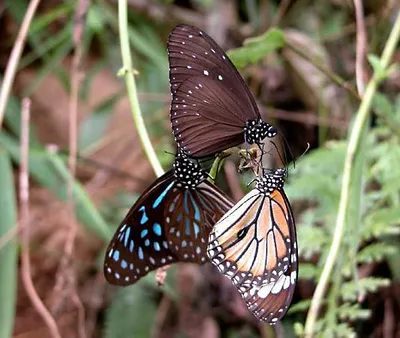
You’ve likely seen them drifting over gardens in late summer. Slow. Deliberate. Wings painted in bold strokes of orange, black, and white. These are milkweed butterflies, scientifically known as the subfamily Danainae within the Nymphalidae family. Some taxonomists argue they deserve their own family status (Danaidae), but the distinction rarely matters to the casual observer. What matters is how they survive, where they go, and why their biology is so deeply tied to the plants we often treat as weeds.
Where Do They Live and How Do They Look?
The majority of Danainae species cling to the tropics. You’ll find them thriving in both the Old World and the New World’s humid, warm belts. But the group isn’t confined to the equator. Some of the most famous members have adapted to temperate zones. The monarch butterfly. The queen butterfly. These aren’t just local curiosities; they are long-distance travelers that defy the expectation that tropical insects stay tropical.
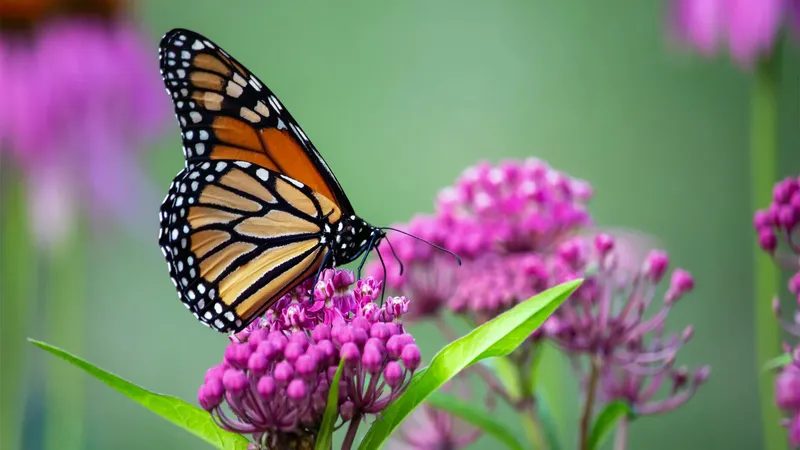
Physically, they are unmistakable. Large wings. Often brownish or bright orange. Marked with striking black-and-white patterns that serve as a warning. Their first pair of legs is tiny, tucked away, and never used for walking. They don’t need them. They fly with a slow, heavy grace that makes them easy to spot but hard to catch. And when conditions are right, they fly far. The monarch, for instance, undertakes migrations that span thousands of miles, a feat that remains one of nature’s most puzzling navigational feats.
Why Their Chemistry Matters
Why do they look like that? The answer lies in the milkweed plant. These butterflies don’t just eat milkweed; they weaponize it. The plants produce toxic compounds called cardenolides. The caterpillars ingest these toxins and store them in their bodies. As adults, they remain poisonous to predators. The bright colors are a signal. Eat me, and you’ll pay the price. This aposematism—warning coloration—isn’t just pretty. It’s a survival strategy that has shaped entire ecosystems.
Predators learn quickly. A bird that tries to snack on a monarch will likely regret it. That lesson spreads. Other species evolve to mimic the same patterns, gaining protection without the chemical cost. This is not a static relationship. It’s an ongoing evolutionary arms race, played out in sunlight and leaf litter.
Migration and Movement
Not all Danainae migrate. But the ones that do, like the monarch, move across continents. This behavior raises questions about how they navigate, how they find overwintering sites, and what happens when climate patterns shift. The timing of their departure, the routes they take, the specific trees they roost in—these details matter. They reveal how finely tuned these insects are to environmental cues. And they show how fragile that tuning can be when habitats fragment or weather patterns become unpredictable.
The slow flight isn’t laziness. It’s efficiency. It allows them to conserve energy over long distances. It lets them exploit thermal updrafts. It makes them visible, yes, but also resilient. They don’t dart. They glide. And in that glide, you see the weight of adaptation.
The Bigger Picture
We often think of butterflies as fragile symbols of change.

Armor of bright warning signs
Look closely at the caterpillar. It’s not just cute. It’s a walking billboard for danger.
Bright bands. stripes. Two to four pairs of fleshy bumps protrude from the sides. This is not decoration. It’s a threat display.
The creature feeds on the milkweed. Sometimes a nightshade. Both plants pump out a pungent, milky sap. The caterpillar absorbs these toxins. It doesn’t just survive them. It weaponizes them.
Result? Bad taste. Very bad taste.
Predators learn this quickly. One bite is enough to send a bird or lizard fleeing. The bright colors signal this chemical shield. “Stay away,” shout the colors. “I am poison.”
This strategy creates a ripple effect.
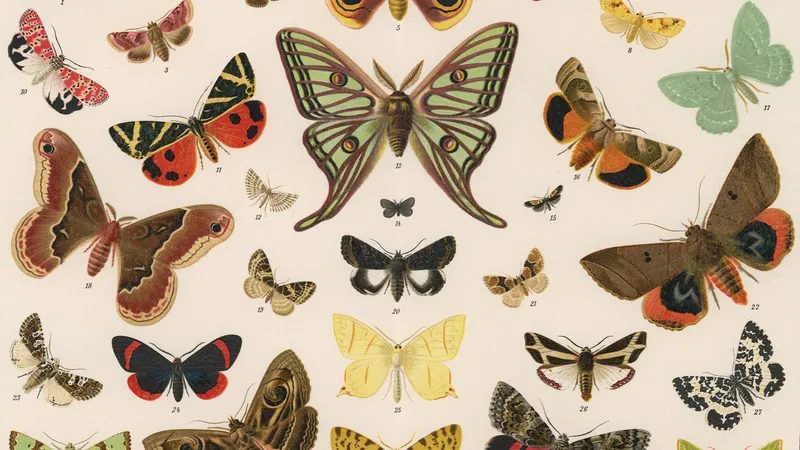
Many other butterfly species copy this look. They mimic the striped, banded pattern of poisonous larvae. They do not produce toxins themselves. They borrow protection.
It works because predators have already learned to avoid this particular pattern. The mimic gets a free pass. The real toxic larva keeps its reputation intact. Everyone wins except the hungry predator who made a mistake once.
Is evolution at work? Or just nature’s best fake news?
the warning sign holds.


