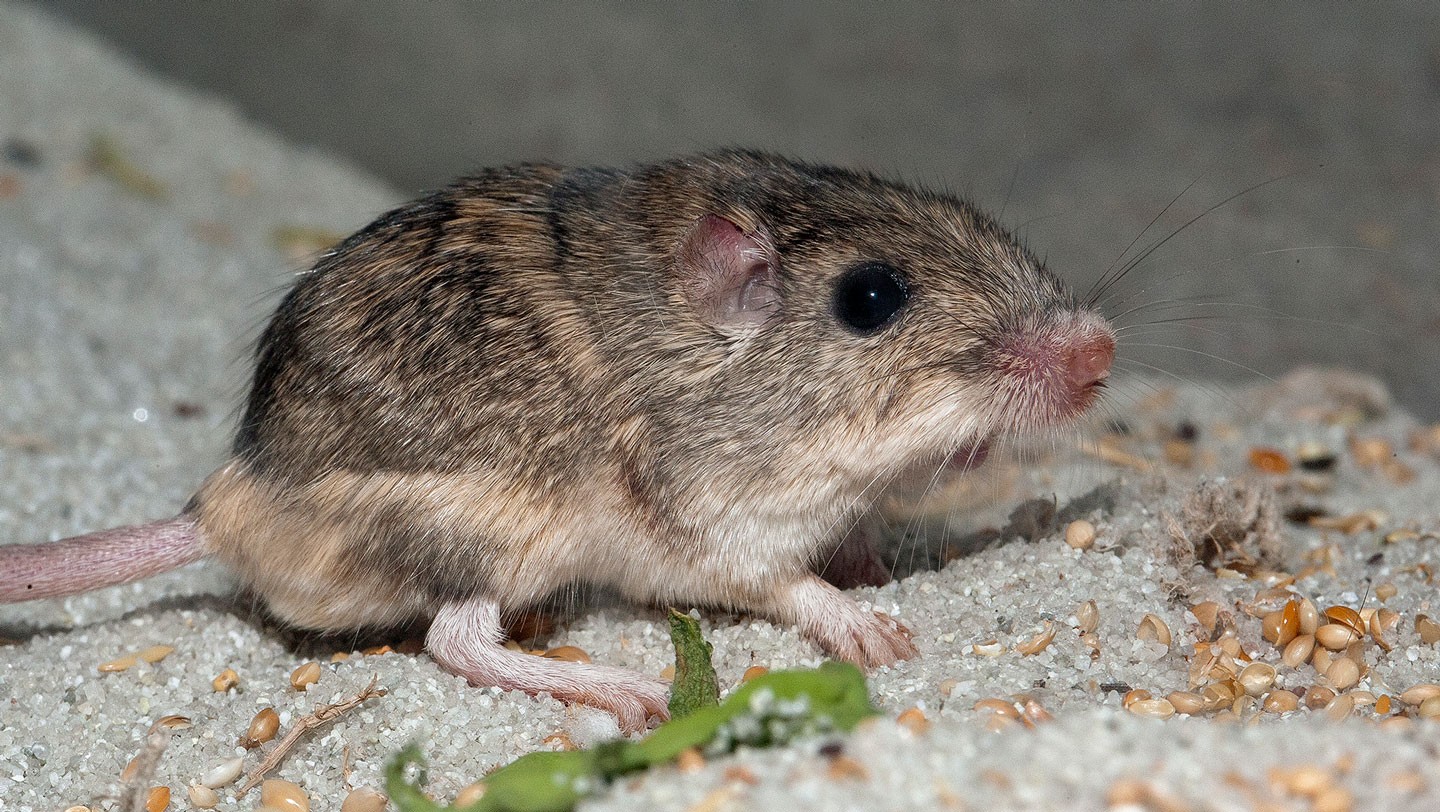
A tiny resident of the California coast may possess the biological tools to survive a warming planet, but it faces a man-made obstacle: isolation. New research suggests that while the Pacific pocket mouse has the genetic potential to adapt to climate change, urbanization has fragmented its populations, making human-led conservation essential for its survival.
A Species on the Edge
The Pacific pocket mouse (Perognathus longimembris pacificus ) was once a common sight along the southern California coast, stretching from Los Angeles down to Mexico. After vanishing from scientific records for over two decades, the species was rediscovered in the early 1990s.
Today, however, the species is critically endangered. Its once-vast range has been reduced to just three small, isolated groups located south of Los Angeles. This fragmentation is a direct result of habitat loss and urban development, which act as physical barriers preventing the mice from interacting with one another.
The Genetic Race Against Climate Change
When a species becomes small and isolated, it faces a phenomenon known as inbreeding depression. As populations shrink, genetic diversity drops, stripping the animals of the “biological toolkit” required to evolve in response to new environmental pressures.
However, a study published in Science Advances offers a glimmer of hope. Researchers led by Erik Funk of the San Diego Zoo Wildlife Alliance analyzed genetic data spanning nearly a century to determine if these mice could withstand rising temperatures. Their findings revealed:
- Preserved Diversity: Despite modern inbreeding, 14 key genes linked to climate adaptation remain genetically diverse.
- Thermoregulation Potential: Some of these genes are tied to heart function, which is critical for helping the mice regulate their body temperature and cool down in hotter environments.
- The Benefit of Mixing: While individual wild populations may lack the variety to adapt on their own, “mixed” populations show much higher resilience.
The Role of Managed Breeding
Because the three remaining wild groups are physically cut off from each other, they cannot naturally exchange the beneficial genes they hold. To solve this, conservationists have turned to assisted gene flow.
Since 2012, the San Diego Zoo has operated a breeding program that intentionally crosses individuals from the three different groups. The offspring are then released into the Laguna Coast Wilderness Park in Laguna Beach.
“The real benefit for this released population is that they’re all mixed together,” says Erik Funk. “The biggest benefits come when we can combine all this diversity together.”
Early observations suggest this strategy is working; the mice released with mixed genetic backgrounds appear to be successfully adjusting to the local climate in the wilderness park.
The Stakes of Extinction
The future of the Pacific pocket mouse remains precarious. Because their populations are so small, they are highly vulnerable to “stochastic events”—unpredictable disasters like severe droughts or flash floods that could wipe out an entire group in a single season.
The central challenge for conservationists is time. As numbers dwindle, the genetic diversity within the species also evaporates.
The bottom line: The Pacific pocket mouse has the biological blueprint to survive a changing climate, but without active human intervention to bridge the gaps created by urbanization, that blueprint may be lost forever.