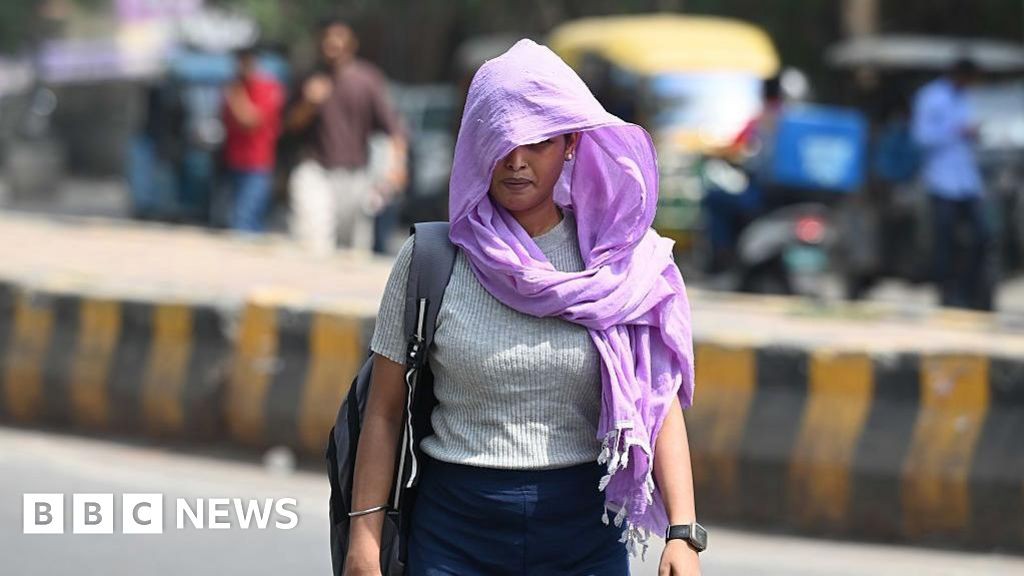
Northern India is entering a period of intense heat, with temperatures climbing past the 40°C (104°F) mark in several regions, including the capital, Delhi. The India Meteorological Department (IMD) has issued warnings for upcoming heatwaves, forecasting even higher temperatures across the northern and central belts over the coming days.
A Growing Thermal Threat
The heat is not localized to the capital alone. Forecasts indicate that states in central and western India, such as Madhya Pradesh and Rajasthan, will also experience above-normal temperatures. Current projections suggest that temperatures in northern and central India could rise by an additional 2–3°C by Friday, intensifying the strain on residents and infrastructure.
In response to the sudden spike, Delhi’s education department has implemented immediate safety protocols for schools, including:
– Suspending open-air classes and outdoor assemblies.
– Moving activities indoors to avoid direct sun exposure.
– Mandatory hydration breaks, with instructions to ring bells every 45–60 minutes to ensure students drink water.
The Human and Economic Toll
Extreme heat in India is more than a seasonal discomfort; it is a significant public health and economic crisis. Prolonged exposure to high temperatures can overwhelm the body’s ability to regulate its internal temperature, leading to severe conditions such as:
* Dehydration and heatstroke
* Cardiovascular stress
* Fatalities, particularly among vulnerable groups like infants, the elderly, and outdoor laborers.
Beyond the immediate health risks, the broader economic impact is staggering. According to a 2024 report by the medical journal Lancet, the consequences of these thermal extremes are felt across the entire economy:
– Labor Productivity: Heat exposure resulted in the loss of approximately 247 billion potential labor hours, primarily affecting the agriculture and construction sectors.
– Financial Loss: These productivity losses equate to an estimated economic hit of $194 billion.
The Climate Connection
This surge in extreme weather is not merely a seasonal anomaly but part of a larger, more concerning trend. The Lancet report highlights that nearly one-third of the heatwave days experienced by India in 2024 were directly driven by climate change.
As global temperatures rise, the frequency and intensity of these heatwaves are expected to increase, making heat management a critical challenge for both public health officials and economic planners in the region.
The increasing frequency of extreme heatwaves underscores a growing intersection between climate change, public health vulnerability, and significant economic instability in India.