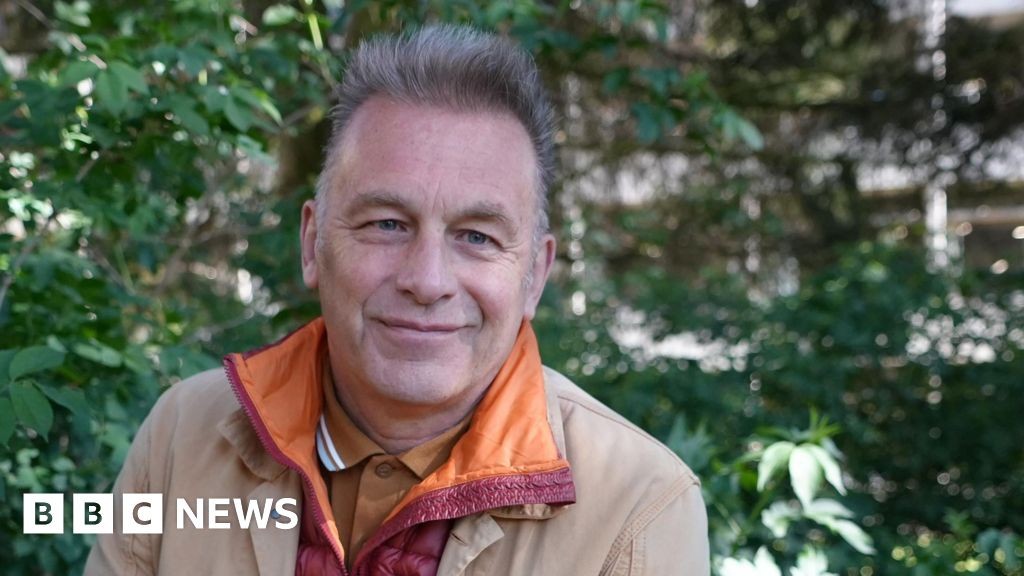
Naturalist and BBC Springwatch presenter Chris Packham has issued a call to action for the next generation of conservationists, emphasizing that young people must be empowered to lead the fight against environmental decline.
Speaking at the University of East Anglia in Norwich, Packham was attending the centenary celebrations of the Norfolk Wildlife Trust, an organization marking 100 years of protecting local biodiversity.
A Century of Conservation in Norfolk
The Norfolk Wildlife Trust has a storied history, originating in 1926 when Dr. Sydney Long purchased 435 acres of marshland at Cley next the Sea. Over the past century, the Trust’s mission has evolved from the fundamental preservation of nature reserves to a more integrated approach to land management.
Reflecting on the region’s unique ecological value, Packham highlighted the sheer variety of Norfolk’s landscapes:
– Coastal ecosystems, including sandy dunes and muddy coasts.
– Wetlands, such as extensive reedbeds.
– Terrestrial habitats, including dry heath and diverse farmland.
This high level of habitat diversity is precisely what allows Norfolk to support such a vast array of wildlife species.
From Preservation to Landscape Transformation
While traditional conservation focuses on protecting specific pockets of nature, Packham argues that the modern era requires a more systemic shift. He advocates for a collaborative model where conservationists work directly with farmers and foresters to “reshape the landscape” into a healthier, more resilient ecosystem.
This shift is not merely an environmental preference but a necessity driven by the intersection of several global crises. Packham warned that the nature crisis and the climate crisis are inextricably linked to the cost-of-living crisis.
“Climate breakdown will be impacting the farmers here and their capacity to produce food… please don’t think that the nature crisis and the climate crisis is not having an impact on the cost of living crisis, because it very definitely is.”
This connection is backed by economic data; research from the London School of Economics and Political Science suggests that climate change could cost the UK approximately 3.3% of its GDP by 2050. This underscores the fact that environmental degradation is a direct threat to economic stability and food security.
The Legacy of Environmental Advocacy
Packham also took a moment to honor the legacy of Sir David Attenborough, whom he described as the “greatest ambassador of life.” He noted that Attenborough’s work has been foundational in fostering a “deep-rooted affinity” for the natural world across generations, providing a platform that allows modern campaigners like Packham to continue the work.
As the world faces accelerating environmental shifts, Packham’s message is clear: solving these issues requires not just scientists, but “brave and bold politicians” willing to acknowledge the scale of the crisis and take decisive action.
Conclusion
As the Norfolk Wildlife Trust celebrates a century of work, the conversation has shifted from simply protecting land to a broader demand for political courage and integrated land management to combat the compounding effects of climate and economic instability.