It happens in the shadows of ancient history. Again and again.
A team of researchers found them in Syria. Fragile. Broken. A baby, only months old.
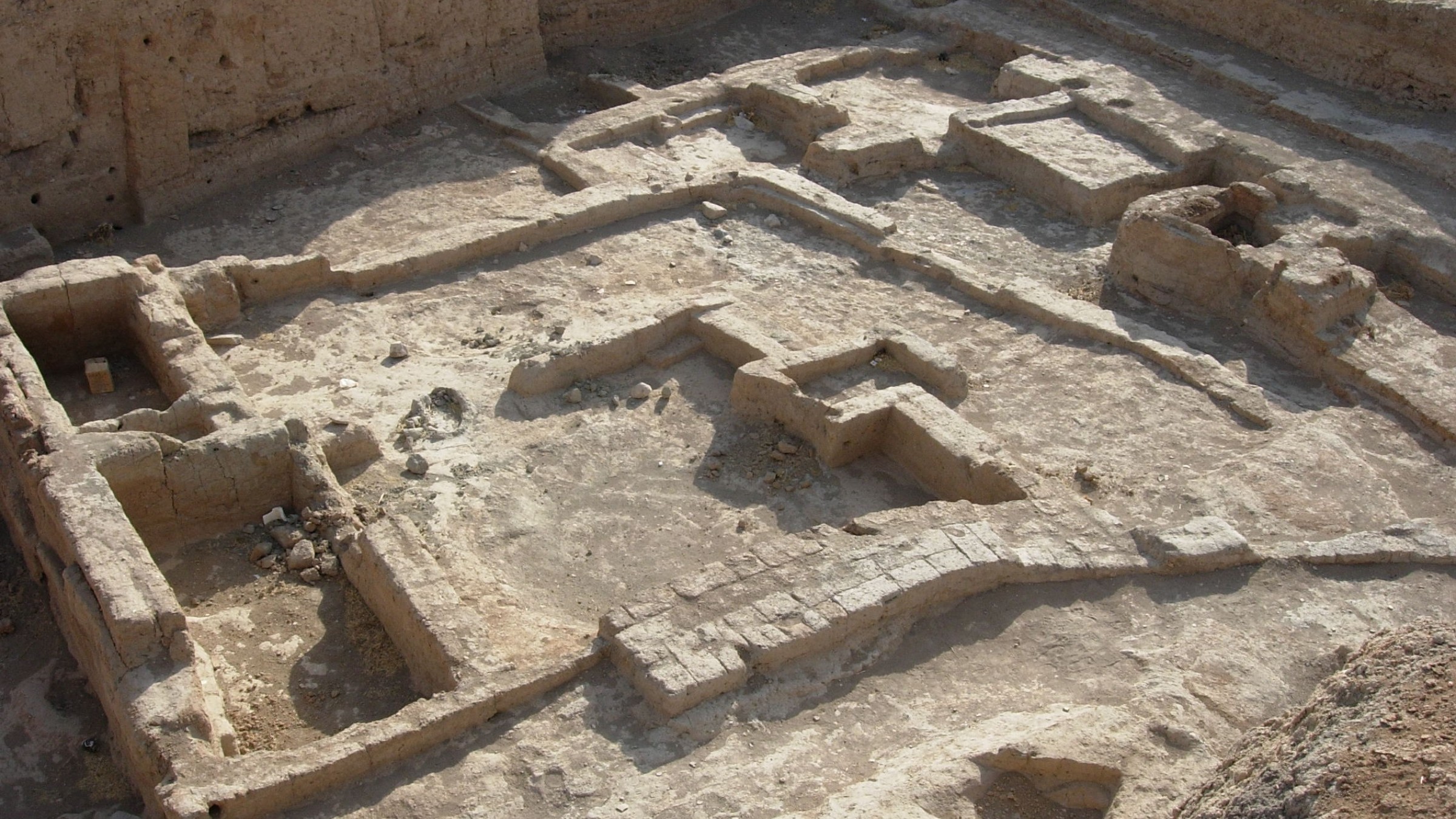
This infant lived roughly 6,000 years ago in Mesopotamia. Buried in Tell Brak. One of the world’s earliest cities. The findings suggest something terrible happened here. One of the oldest known cases of child abuse. Possibly the first from the Middle East.
Why? The answer lies in the dirt.
The team dated the remains to between 4200 and roughly 3900 B.C. Tooth development puts the age at six to nine months. Just a baby. Then the injuries show up.
Four fractured ribs near the sternum.
Abnormal growth on the right thigh bone.
Active lesions on both sides of the skull.
“Ribs shouldn’t break” in such small children.
Aleksandra Grzegorska of the University of Warsaw said it plain. In adults? Sure. Maybe a car crash. Maybe a fight. But an infant? That implies abuse. Intense force. Repetitive. Not an accident.
Accidents leave different marks. These don’t fit.
Grzegorska’s team, publishing in the International Journal of Osteoarchaeo logy on May 21, checked every other angle. Did it happen at birth? Unlikely. Those fractures heal in weeks. Did disease cause it? They looked at tuberculosis coughing. Scurvy. Rickets. No. The land was fertile. Sunlight was plentiful. Fresh food existed. The bone density matched other healthy peers. This wasn’t sickness. It was trauma.
To prove it wasn’t normal for that community, they dug deeper. Literally.
The baby was in a children’s burial ground within a workshop district. Other kids were buried there. With ribs preserved enough to see damage? None of them had these fractures. This infant was an outlier. Alone in suffering.
So what happened?
“Caregiver-induced violence” is the clinical term. Cold. Detached. It’s used because they can’t name a perpetrator. Intent is impossible to pin down from dust.
“We don’t want to point fingers” Grzegorska says. Fair. In ancient Mesopotamia, raising a child was a group effort. Aunts. Cousins. Neighbors. Not just parents. The abuse came from within the circle. But from whom? Who knows.
Bioarchaeology lacks witnesses. You can’t ask the neighbors what happened. You can’t check the soft tissue for bruising that vanished eons ago. Only bones remain. And the ribs showed signs of healing before death.
The baby survived. For some time. Then didn’t.
Context matters. Tell Brak was changing. Transforming from a settlement into a true city. Urbanization brings stress. Kinship networks frayed under the pressure. Extended family support? Maybe gone. Or too busy. The strain of city-building life likely played a part. Later, this same urban upheaval would lead to mass death through war. Now it was smaller. More intimate.
Violence enters the home before it enters the city square.
How often does this happen in the past? Rarely documented. We find similar cases in Egypt. France. Lithuania. Handfuls of examples in the entire record.
This find adds one more nameless face to that list. Six to nine months old. Ribs broken. Healing, then stopping.
It leaves questions hanging in the air. We know that it happened. We suspect why. The city changed. People struggled.
We still wonder if things have really changed since then.